Lake Darling Fishing Access Near Minot
When you're eager to wet a line near Minot, but you're not entirely sure where to go or what to expect, it can be a real headache. Many folks find themselves scratching their heads, wondering which local lakes offer good fishing and accessible spots without a huge drive. This guide is here to clear up all that confusion, giving you the full rundown on fishing access at Lake Darling, a fantastic gem nestled just a short drive from Minot, covering everything from how to get there, what fish you might reel in, and all the essential tips for a great day on the water.
Lake Darling's Unique Appeal for Anglers Near Minot
Lake Darling isn't just another body of water; it's a truly special place for anglers in North Dakota, particularly those looking for convenient and rewarding fishing close to the city of Minot. It offers a unique blend of natural beauty, diverse fishing opportunities, and a serene atmosphere that makes every trip feel like an escape, even if you're only gone for a few hours.
A Convenient Oasis in Northwestern North Dakota
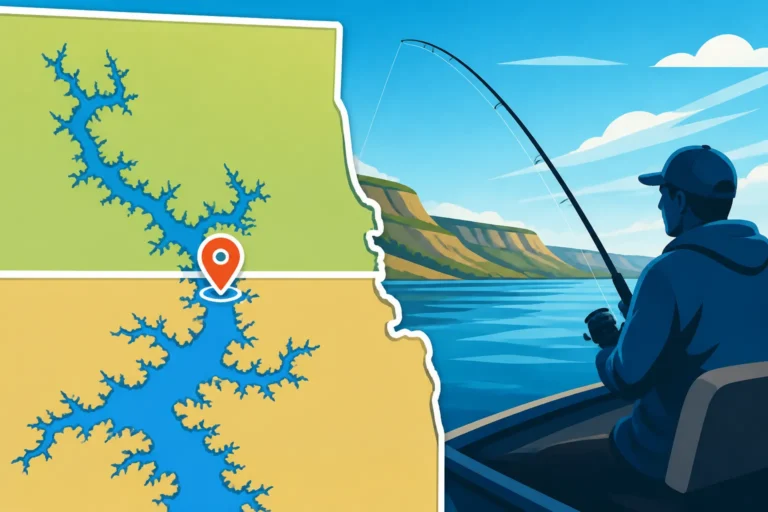
One of the biggest advantages of Lake Darling is its sheer convenience. Located a mere stone's throw from Minot, it's easily accessible for a quick evening fishing session or a full day out with the family. For anyone living in or visiting Minot, the drive is short, making it an ideal destination when you don't want to spend half your day just getting to the water. This lake is actually a reservoir, part of the Upper Souris National Wildlife Refuge, which means you're not just fishing; you're immersed in a protected, vibrant ecosystem.
The setting itself is picturesque. Imagine casting your line with the backdrop of rolling North Dakota plains, abundant waterfowl, and the quiet hum of nature. It’s far from the hustle and bustle, providing a tranquil experience that can be hard to find so close to a city. The Upper Souris Refuge management ensures the area remains pristine, making it a pleasant environment for both wildlife and human visitors. While there are other options like those detailed in our guide on the "Best Fishing Lakes Near Minot", Lake Darling offers a specific kind of peaceful, multi-species experience that many anglers truly appreciate.
Diverse Habitats and Ecosystem
What makes Lake Darling so productive for fishing lies in its diverse underwater landscape. As a reservoir on the Souris River, it features a mix of depths, submerged old river channels, and ample weed beds in various bays. This variety creates an ideal habitat for a wide array of fish species. The deeper sections provide cool, oxygenated water for species like walleye, especially during the warmer months, while the shallower, weedy areas are perfect ambush points for northern pike and offer excellent cover for yellow perch and crappie.
The lake’s ecosystem is meticulously managed by the Upper Souris National Wildlife Refuge, which plays a crucial role in maintaining water quality and ensuring healthy fish populations. They often coordinate with the North Dakota Game and Fish Department on stocking efforts and habitat improvement projects. This integrated management means that when you fish Lake Darling, you're tapping into a well-preserved and thriving fishery, making it a reliable spot whether you're a seasoned angler or just starting out. Understanding the types of habitats available will definitely help you pinpoint where the fish might be holding, whether it's over rocky bottoms, near submerged timber, or along the edges of weed lines.
Navigating Access Points and Amenities at Lake Darling
Getting onto Lake Darling or finding a comfortable spot to cast from shore requires a bit of local knowledge, as access is managed within the Upper Souris National Wildlife Refuge. It's not like every roadside pull-off is a public boat launch, and understanding the designated entry points is key to a smooth fishing trip.
Primary Public Access Sites
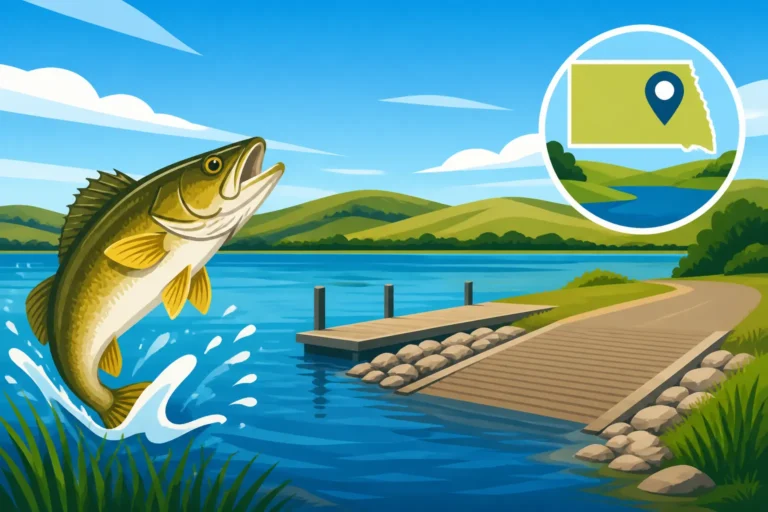
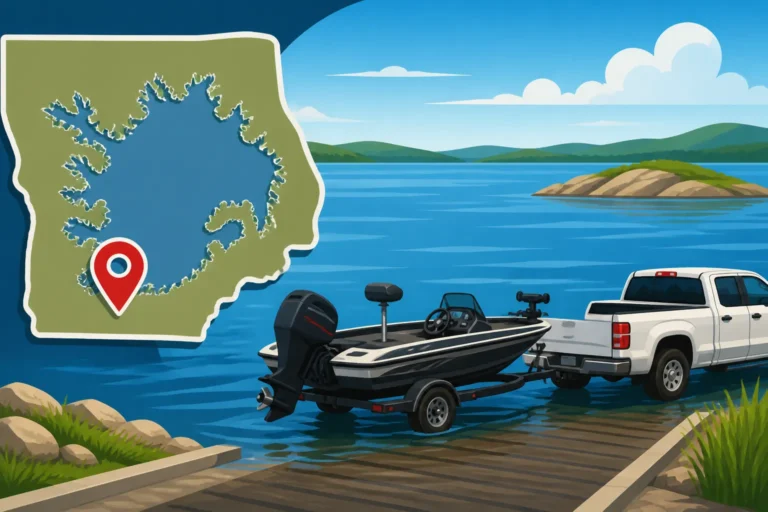
Because Lake Darling is part of a national wildlife refuge, public access is intentionally limited and managed to protect the natural environment and its inhabitants. However, there are specific, well-maintained public access sites designed for anglers. The two primary boating access points are typically Baker Bridge and Green Bay.
- Baker Bridge Access: Located on the western arm of the lake, near the former townsite of Foxholm, this spot usually offers a concrete boat ramp suitable for most trailered boats. You'll find ample parking here, often with restrooms available. It's a popular starting point for those looking to explore the main body of the lake or head north towards the deeper sections. Remember to check local signage for any specific regulations, as refuge rules can change seasonally.
- Green Bay Access: Situated on the eastern side of the lake, this access point also generally provides a good boat ramp and sufficient parking. Green Bay itself can be a fantastic area for fishing, often holding good numbers of panfish and pike in its shallower, weedier sections, especially in the spring and early summer.
When planning your trip, always remember that any boat used on North Dakota waters, including Lake Darling, needs to meet "North Dakota Boat Registration Requirements". Additionally, it's always a good idea to confirm the current status of these access points with the Upper Souris National Wildlife Refuge or the North Dakota Game and Fish Department, especially during extreme weather or migratory seasons, as some areas may have temporary closures.
Shore Fishing and Bank Access Options
Not everyone has a boat, and that's perfectly fine! Lake Darling offers some decent opportunities for shore anglers, though they are also concentrated in specific areas to minimize disturbance to the refuge. The most reliable spots for bank access tend to be around the designated boat launches like Baker Bridge and Green Bay, where you can often find a safe place to cast from the bank or a dock if available.
Additionally, certain designated picnic or public use areas within the refuge might offer limited bank access, but these are often marked by clear signage. It's important to stick to these marked areas to avoid trespassing or disturbing sensitive wildlife habitats. Shore fishing here can be quite productive, especially for northern pike and panfish that frequent shallower waters, and sometimes even walleye if you're casting near drop-offs or submerged structures. Using a long rod can help you reach deeper water from the bank, and bringing a comfortable chair and a small cooler can make for an enjoyable day. For more general advice on fishing without a boat, check out our guide on "Best Bank Fishing Spots in North Dakota".
Seasonal Access and Restrictions
This is where planning truly pays off. As part of the Upper Souris National Wildlife Refuge, Lake Darling operates under specific seasonal access rules that are designed to protect nesting birds, migratory waterfowl, and other wildlife. It’s a common frustration for anglers to arrive at a spot only to find it restricted, so being prepared is essential.
Typically, certain areas of the refuge, especially those designated as waterfowl nesting or resting areas, will have restricted access or be completely closed during specific times of the year, particularly in spring and fall. These closures are critical for the refuge’s conservation mission. For example, some parts of the lake might have motor restrictions or be completely closed to all public entry during peak migration periods. It's not uncommon for these rules to be updated, so before you head out, make it a point to:
- Check the Upper Souris National Wildlife Refuge Website: This is your most authoritative source for current regulations, maps, and any temporary closures.
- Look for On-Site Signage: Always pay attention to signs posted at access points, as they will provide the most up-to-date information on permissible activities and restricted areas.
- Contact the Refuge Office: A quick phone call can save you a lot of time and potential disappointment.
Understanding and respecting these seasonal restrictions ensures that anglers can continue to enjoy Lake Darling for years to come while supporting the refuge's vital conservation efforts.
Targeting Key Species and Understanding Lake Darling's Fishery
Lake Darling is a multi-species angler's dream, offering a variety of popular game fish that cater to different preferences and fishing styles. Knowing what you're likely to catch, and when and how to catch it, will significantly boost your success on this unique North Dakota waterway.
What You'll Likely Catch
The main draws at Lake Darling are walleye, northern pike, yellow perch, and crappie. Each species thrives in different parts of the lake and offers a distinct fishing experience.
- Walleye: These highly prized fish are abundant in Lake Darling. You'll find them in deeper waters during summer, congregating around structure, submerged channels, and humps. In spring and fall, they move shallower, often near rocky points or weed edges. Lake Darling walleyes can range from eater-sized fish to respectable trophies, providing a thrilling challenge. For more detailed strategies, our "North Dakota Walleye Fishing Guide" is an excellent resource.
- Northern Pike: Known for their aggressive strikes and strong fights, northern pike are plentiful throughout the lake, especially in the weedier bays and shallower areas. They are opportunistic predators, and even smaller pike offer a fun battle on light tackle, while larger ones can really test your gear. Check out our "North Dakota Northern Pike Fishing Guide" for in-depth pike tactics.
- Yellow Perch: A favorite for panfish enthusiasts, Lake Darling boasts a healthy population of yellow perch. They are often found in schools, making for fast action once you locate them. Perch tend to relate to submerged vegetation and soft bottoms, moving seasonally. They are fantastic table fare and a popular target through the ice. Learn more in our "North Dakota Yellow Perch Fishing Guide".
- Crappie: Both black and white crappie can be found here, often schooling around submerged timber, brush piles, or weed edges. They offer excellent sport and are another delicious panfish option. Crappie fishing can be phenomenal, especially in spring and early summer when they move into shallower spawning areas. If you're keen on targeting these, our "North Dakota Crappie Fishing Guide" has lots of great advice.
- Other Species: While less frequently targeted, you might also encounter species like bullheads, common carp, and white bass, particularly in the lower end of the lake or specific riverine sections.
Best Seasons and Techniques
Success on Lake Darling often hinges on understanding seasonal fish movements and employing the right techniques.
- Spring (Ice Out to Late May): This is prime time for northern pike, which become very active in shallow, warming waters. Walleye also start to move from deep wintering grounds to shallower spawning areas. Jigging with minnows or casting crankbaits and spinnerbaits near weed lines and rocky points can be highly effective. The "North Dakota Ice Out Fishing Guide" details how to fish immediately after the ice leaves.
- Summer (June to August): As water temperatures rise, walleye often retreat to deeper structures, humps, and the old river channel. Trolling crankbaits or bottom bouncers with worms or leeches becomes a popular and effective method. Pike can still be found in dense weed beds, and panfish will be active throughout the lake.
- Fall (September to November): This season brings some of the most consistent and exciting fishing. Fish, especially walleye and pike, aggressively feed to prepare for winter, often moving shallower again. Crankbaits, jigs, and live bait rigs can all produce excellent results.
- Winter (Ice Fishing – December to March): Lake Darling becomes a popular destination for ice fishing, particularly for yellow perch and northern pike. Jigging small spoons or tungsten jigs tipped with wax worms or minnow heads is deadly for perch. Tip-ups set with large shiners or dead bait are excellent for pike. For comprehensive guidance, our "How to Ice Fish in North Dakota" provides essential tips, and our "North Dakota Ice Fishing Rules" will keep you compliant. The "Best Time of Year to Fish in North Dakota" section also highlights optimal windows for various species.
Here's a quick look at prime targets and techniques:
| Species | Prime Seasons | Typical Techniques | Average Size (Inches) | Best Bait/Lure |
|---|---|---|---|---|
| Walleye | Spring, Fall, Summer | Jigging, Trolling, Bottom Bouncing | 15-22 | Jigs (minnow), Crankbaits, Live Bait Rigs |
| Northern Pike | Spring, Summer, Fall, Winter | Casting (spoons, spinnerbaits), Tip-ups | 20-30 | Spoons, Spinnerbaits, Large Minnows |
| Yellow Perch | Winter (Ice), Spring | Jigging, Slip Bobbers | 8-12 | Small Jigs (wax worms), Small Minnows |
| Crappie | Spring, Early Summer | Jigging (under bobber), Trolling small jigs | 9-13 | Small Jigs (plastics), Crappie Minnows |
Using Local Expertise and Resources
While guides like this offer a great starting point, nothing beats real-time, local knowledge. Before heading out, especially if you're targeting a specific species or fishing unfamiliar waters, make a stop at a local bait shop in Minot. The folks working there are often anglers themselves and can provide invaluable insights into current hot spots, bait preferences, and recent bite patterns. They can tell you what's working right now on Lake Darling.
Another excellent resource is the North Dakota Game and Fish Department's weekly fishing reports, which often include updates for major fisheries like Lake Darling. These reports can provide general information on fishing conditions and success rates. If you're looking for an even more tailored experience or want to maximize your chances of catching a trophy, consider booking a trip with a local fishing guide. Platforms like FishingBooker can help you find experienced guides who specialize in Lake Darling and its unique challenges, offering a fantastic way to learn the ropes and get on the fish. They know the subtle nuances of the lake, like where the deeper channels are or how certain wind conditions affect fish behavior.
Regulations, Conservation, and Responsible Angling
Fishing on Lake Darling is a privilege that comes with the responsibility of adhering to regulations and practicing good conservation. As part of the Upper Souris National Wildlife Refuge, there are specific rules in place not just for fishing, but for interacting with the entire ecosystem.
Understanding North Dakota Fishing Regulations
The first and most important step before casting a line is to ensure you have a valid North Dakota fishing license. You can find all the details you need in our comprehensive "North Dakota Fishing License Guide". Once you have your license, it's crucial to understand the rules. Lake Darling falls under the general "North Dakota Fishing Regulations Explained" as outlined by the North Dakota Game and Fish Department, but being within a National Wildlife Refuge, it also has specific, localized rules that might supersede or add to the statewide regulations.
These regulations cover everything from daily limits (how many fish of a certain species you can keep per day) and possession limits (how many you can have at home or in your cooler) to size restrictions (e.g., minimum or slot limits for walleye or northern pike). For instance, there might be specific size limits for walleye or daily creel limits for perch that differ slightly from other lakes. Always consult the most current North Dakota Fishing Guide, available online or at license vendors, and pay close attention to signs posted at the refuge's access points. Ignorance of the law is never an excuse, and game wardens do patrol these popular fishing areas.
Aquatic Nuisance Species Prevention
The spread of Aquatic Nuisance Species (ANS) is a serious threat to North Dakota's waters, and Lake Darling, as a vital part of a wildlife refuge, is particularly vulnerable. Invasive species like zebra mussels or Eurasian watermilfoil can devastate native ecosystems, alter food webs, and ultimately harm the fishery you enjoy. Preventing their spread is a collective responsibility.
Every angler and boater must follow the "Clean, Drain, Dry" protocol:
- Clean: Remove all visible aquatic plants and animals from your boat, trailer, and fishing gear before leaving any water body.
- Drain: Drain all water from your boat, including the bilge, livewells, and motor, before transporting it.
- Dry: Allow your boat and gear to thoroughly dry for at least five days before launching into another water body. If drying isn't possible, wash your boat with hot, high-pressure water.
These simple steps, as detailed further in our "Aquatic Nuisance Species Rules for Boaters", are critical to protecting Lake Darling and other North Dakota waters. It's a small effort that makes a huge difference.
Respecting the Wildlife Refuge Environment
Remember, Lake Darling is first and foremost a National Wildlife Refuge. This means wildlife conservation is its primary mission, and recreational activities like fishing are allowed as long as they don't interfere with this mission. This requires a heightened level of respect and adherence to specific guidelines:
- Leave No Trace: Pack out everything you pack in. This includes all trash, fishing line, and bait containers. Don't leave anything behind that could harm wildlife or detract from the natural beauty.
- Wildlife Observation: Enjoy the abundant wildlife, but observe from a distance. Do not disturb nesting birds, animals, or their habitats. This could mean avoiding certain shallow bays during waterfowl nesting season.
- Noise and Speed Restrictions: Some areas of the refuge may have specific motor restrictions or "no wake" zones to minimize disturbance to wildlife. Always look for posted signs and operate your boat responsibly.
- Firearms and Pets: Be aware of refuge-specific rules regarding firearms (often prohibited unless hunting in designated areas) and pets (often required to be on a leash or restricted from certain areas).
By being a responsible and respectful angler, you contribute to the health and longevity of Lake Darling's fishery and its incredible natural environment, ensuring that this convenient oasis near Minot remains a prime destination for generations to come.
Disclaimer
The information provided in this guide is for general informational purposes only and is subject to change. Always consult the official North Dakota Game and Fish Department regulations and the Upper Souris National Wildlife Refuge rules and signage before engaging in any fishing activities. Fishing regulations, access points, and conditions can vary seasonally and are updated periodically.