Deepwater Bay Fishing Spots on Lake Sakakawea
When you're staring at the vast expanse of Lake Sakakawea, it can feel a bit overwhelming trying to figure out where to even drop a line. This massive reservoir, one of North Dakota's crown jewels, holds incredible fishing opportunities, but knowing where to focus your efforts is half the battle. This guide is all about honing in on one particular, often productive area: Deepwater Bay. We're going to dive deep into what makes this spot unique, the prime areas within the bay, and the best ways to tackle them to put more fish in your net.
Understanding Deepwater Bay's Unique Charm for Anglers
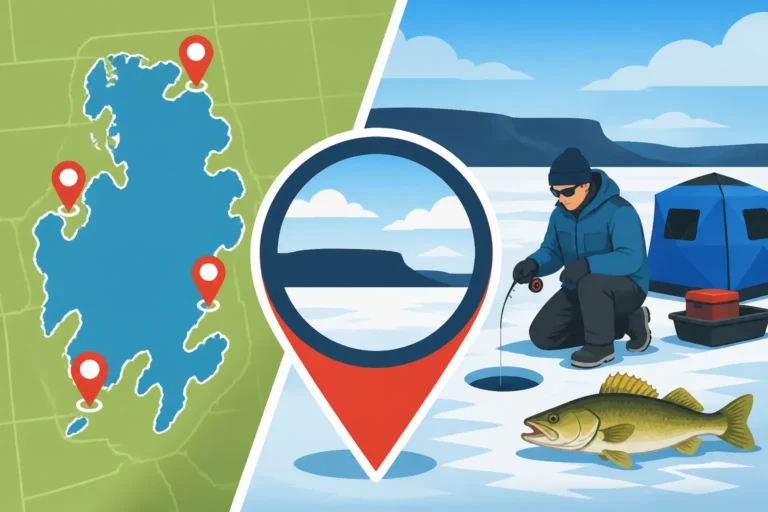
Deepwater Bay, situated on the eastern side of Lake Sakakawea, isn't just another indentation on the map; it's a dynamic ecosystem that offers a consistent fishery throughout the open water season and even into the ice fishing months. Its name isn't just for show – this bay lives up to its moniker with deeper channels and steeper breaks than many other parts of the lake, creating a complex underwater topography that fish absolutely love. This unique characteristic offers shelter, feeding grounds, and spawning areas for a variety of popular game fish.
Geological Features and Habitat Diversity
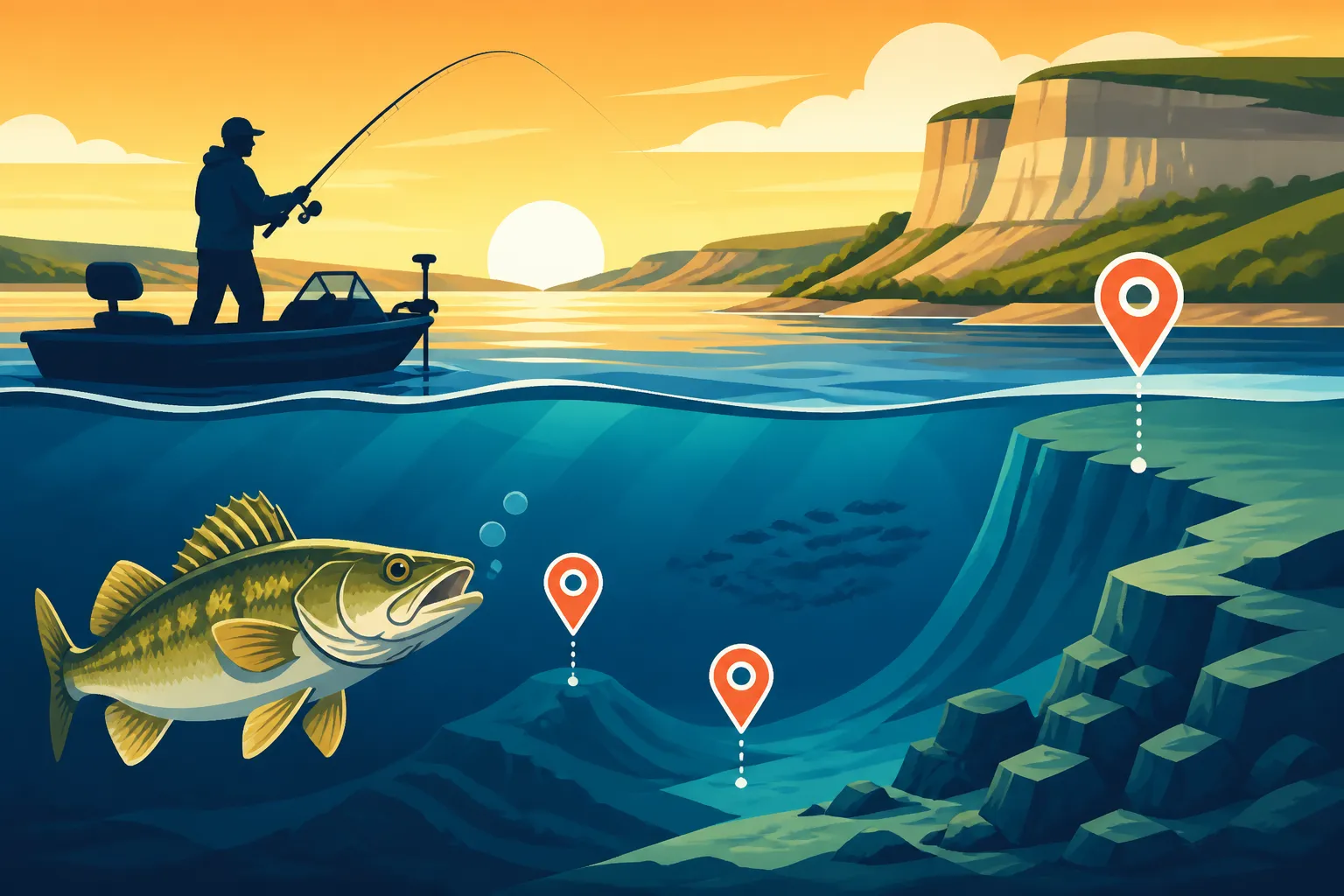
The beauty of Deepwater Bay for fishing lies in its varied underwater landscape. Imagine old creek beds carving through the bottom, submerged points jutting out, and sudden drops-offs that create natural highways and ambush points for predatory fish. The bay was formed as the Missouri River flooded valleys and coulees behind the Garrison Dam, leaving behind a rich, fertile basin. You’ll find a mix of rocky shorelines, stretches of sand, and even some areas with remnants of flooded timber, especially when water levels are lower. This diversity in habitat means different species can thrive here, and it provides anglers with multiple strategies depending on what they're targeting and the current conditions.
For example, those deep channels and structural elements are perfect for species like walleye, which love to relate to changes in depth and current. Meanwhile, the shallower fringes and protected coves might hold yellow perch or even some smaller northern pike. The presence of varied bottom content, from hard rock to soft mud, also influences bug and baitfish populations, which in turn dictate where larger game fish will congregate. It's truly a microcosm of Lake Sakakawea's vast potential, condensed into a more manageable fishing zone.
Why Deepwater Bay Attracts Abundant Fish
The simple answer is structure and forage. Deepwater Bay acts like a giant funnel for baitfish, drawing them in with diverse food sources and then providing ample hiding spots from predators. These deepwater characteristics also mean that during periods of extreme heat in summer or harsh cold in winter, fish can find thermal refuge in the more stable temperatures of the deeper water. This makes it a reliable spot when other shallower areas might shut down.
Additionally, the bay's orientation often provides some shelter from the relentless North Dakota winds that can whip up on Lake Sakakawea. This isn't just a comfort factor for anglers; calmer water can sometimes mean more stable feeding patterns for fish, making them more predictable. The nutrient flow from surrounding land into the bay also contributes to a rich food chain, supporting a healthy population of minnows, shiners, and other small forage fish that form the base of the diet for larger game fish. If you're looking for a spot that consistently holds fish year-round, Deepwater Bay often delivers because of these fundamental biological and environmental advantages.
Prime Fishing Spots Within Deepwater Bay and What to Target
Deepwater Bay isn't just one big fishing spot; it's a collection of nuanced areas, each with its own characteristics that appeal to different species. To truly unlock its potential, you need to understand the key zones and what makes them tick. Whether you're chasing the elusive walleye or battling a feisty northern pike, knowing where to focus your efforts can make all the difference.
The Main Channel and Associated Drop-Offs
The heart of Deepwater Bay's productivity often lies in its main submerged channel and the steep drop-offs that define its edges. These are classic walleye and sauger haunts. Walleye, being light-sensitive, often cruise these deeper breaks, especially during bright sunny days or in the middle of the day. They use the varying depths as ambush points, darting up to feed on passing baitfish before retreating to the comfort of the darker, deeper water.
Look for areas where the channel bends or narrows, as these natural constrictions can create current funnels that concentrate baitfish. Submerged points that extend from the shoreline down into the main channel are also goldmines. These points often have rock rubble or gravel, which provide additional habitat. Anglers targeting these areas should focus on vertical jigging, casting crankbaits that dive to appropriate depths, or slow-trolling with bottom bouncers and spinner rigs. Early mornings and late evenings can bring walleye shallower onto the tops of these points, but during the day, they'll likely be clinging to the breaklines. You can learn more about specific techniques in our guide on North Dakota Walleye Fishing Guide.
Protected Coves and Shallow Flats
While the name suggests deep water, the bay also features shallower, more protected coves and expansive flats, particularly towards the inner reaches or along certain shorelines. These areas warm up faster in the spring and hold abundant insect life and smaller baitfish, making them ideal nursery grounds. Northern pike often patrol these shallower zones, especially during spring and early summer, looking for easy meals. They love to lurk in any remaining submerged vegetation or around rocky cover.
Yellow perch also thrive in these shallower flats, particularly where there's a mix of soft bottom for insect larvae and some gravel or rock for spawning. You'll often find schools of perch roaming these areas, especially during low-light conditions. These coves are also great spots for anglers seeking a more relaxed experience, perhaps casting from shore or a smaller boat. Using small jigs tipped with live bait or casting spoons and spinnerbaits are effective strategies here. For families or beginners, these coves can be excellent places to fish for Yellow Perch and Panfish Daily Limits Explained.
Submerged Humps and Rock Piles
Scattered throughout Deepwater Bay, often overlooked by those who don't have good electronics, are isolated submerged humps and hidden rock piles. These structures, rising off the main basin, are magnets for fish. They provide distinct elevation changes, current breaks, and hard bottom that attract baitfish, which in turn draw in larger predators. Walleye, smallmouth bass, and even larger northern pike will hold tight to these features.
Finding these humps typically requires a good fish finder and a keen eye on your sonar. Once located, they can be incredibly productive, especially if they are off the beaten path and don't receive heavy fishing pressure. Focus your efforts on the wind-blown side of these humps or where the prevailing current hits the structure, as these areas often concentrate food. Jigging spoons, blade baits, or dropping a live minnow on a slip bobber can be deadly here. For those looking for local expertise to pinpoint these hidden gems, exploring options through services like FishingBooker can connect you with guides who know Deepwater Bay like the back of their hand.
Here's a quick overview of what to target in specific areas of Deepwater Bay:
| Feature Type | Target Species | Best Time of Day | Recommended Baits/Lures | Key Strategy |
|---|---|---|---|---|
| Main Channel Breaks | Walleye, Sauger | Dawn, Dusk, Day | Jigs, Crankbaits, Bottom Bouncers | Vertical Jigging, Trolling Breaklines |
| Protected Coves | Northern Pike, Perch | Morning, Evening | Spoons, Spinnerbaits, Small Jigs | Casting, Slip Bobber Fishing |
| Submerged Humps | Walleye, Smallmouth | All Day | Blade Baits, Jigs, Live Minnows | Spot Fishing with Electronics, Drifting |
| Rocky Points | Walleye, Smallmouth | Dawn, Dusk | Crankbaits, Soft Plastics | Casting, Retrieve along Structure |
Best Techniques and Gear for Deepwater Bay Success
Success in Deepwater Bay, like any truly productive fishing spot, often comes down to matching your techniques and gear to the conditions and the fish you're targeting. This isn't just about having the right lure; it's about understanding how to present it effectively in this unique environment.
Mastering Deepwater Presentation
The "deepwater" aspect of Deepwater Bay means you often need to get your baits down to where the fish are holding, which can sometimes be 20, 30, or even 40 feet deep. This isn't always easy, especially if there's wind or current. For walleye, vertical jigging is a powerhouse technique. Using heavier jigs (1/2 to 3/4 ounce, sometimes more depending on depth and drift) tipped with a minnow, plastic, or a combination, allows you to maintain bottom contact and feel those subtle bites. Pay attention to the action of your jig; a sharp snap followed by a controlled fall can trigger reactionary strikes.
Trolling crankbaits or spinner rigs with bottom bouncers is another excellent way to cover water and present baits at specific depths. When trolling, experiment with different speeds and lure colors until you find what the fish are responding to. A good fish finder is absolutely essential here to monitor your depth, identify submerged structure, and mark schools of baitfish or game fish. Look for tight schools of baitfish, as predatory fish are rarely far behind. You can read more about various options in our guide to Best Fish Finders for North Dakota Lakes.
For northern pike in shallower areas, casting large spoons, spinnerbaits, or even swimbaits that imitate baitfish can be very effective. Work these lures around any visible cover like submerged brush, rocky points, or weed lines (if present). A medium-heavy action rod will help you cast these heavier lures and fight bigger pike.
Essential Gear for Deepwater Bay Anglers
Equipping yourself properly can make a huge difference in your Deepwater Bay fishing experience. Beyond the obvious rod and reel, a few key items stand out for this particular location:
- Rods and Reels: For walleye on the breaks, a sensitive 6'6" to 7' medium-light or medium-action spinning rod with a fast tip is ideal for jigging and feeling subtle bites. Pair it with a 2500-3000 series spinning reel spooled with 8-10 lb braided line and a fluorocarbon leader for sensitivity and stealth. For trolling, longer medium-heavy casting rods (7' to 8'6") with line counter reels are invaluable for repeatable depth control. For pike, a stout medium-heavy spinning or casting rod is perfect.
- Electronics: As mentioned, a reliable fish finder with good sonar and GPS capabilities is non-negotiable. It helps you navigate, mark waypoints on productive spots like humps or breaks, and identify fish. Many anglers find the side-imaging or down-imaging features incredibly useful for picking apart contours.
- Anchoring System: A robust anchoring system is vital, especially on windy days. A heavy anchor (or two, if you want to hold steady) with plenty of rope or an electric trolling motor with spot-lock functionality (like those from Minn Kota or Lowrance) will keep you precisely on your desired spot. When drifting, a drift sock or two can help slow your boat down, allowing for a more controlled presentation.
- Tackle Selection:
- Walleye: A variety of jigs (1/4 to 1 ounce in different colors like chartreuse, white, orange, and natural), blade baits, soft plastic swimbaits, and crankbaits that dive to different depths (e.g., Rapala Shad Raps, Berkley Flicker Shads) are essential. Don't forget live bait like minnows or leeches.
- Northern Pike: Spoons (Daredevils, Five of Diamonds), large spinnerbaits, swimbaits, and even some larger crankbaits in bright colors.
- Perch: Small jigs (1/16 to 1/8 ounce) tipped with maggots, wax worms, or a small piece of minnow.
- Safety Gear: Given the size of Lake Sakakawea, always have appropriate safety gear: life jackets for everyone on board, a first-aid kit, throwable flotation devices, a fire extinguisher, and a charged cell phone. Be sure to understand North Dakota Boat Registration Requirements. The weather can change rapidly out here, so watch the forecast closely.
Navigating Deepwater Bay: Access, Safety, and Local Tips
Venturing out onto any large body of water, especially one as dynamic as Lake Sakakawea, requires a good understanding of access points, potential hazards, and how to stay safe. Deepwater Bay offers various entry points, but being prepared for North Dakota's elements and knowing the local nuances will make your trip much more enjoyable and successful.
Public Access Points and Boat Launches
Deepwater Bay is generally accessible through a few public boat ramps that serve the eastern side of Lake Sakakawea. One of the most common access points is the Deepwater Creek Boat Ramp, which is typically well-maintained and offers good parking. Depending on the water levels of Lake Sakakawea, which can fluctuate significantly, ramp conditions can vary. It's always a good idea to check the North Dakota Game and Fish Department (NDGFD) website or local fishing reports for current conditions before you head out. These ramps are usually paved, suitable for launching various boat sizes, and often include courtesy docks.
Beyond the main ramp, there might be other, less formal access points or shore fishing spots, particularly when water levels are high enough to create walkable access along certain stretches of the bay. Always be mindful of private property signs and respect landowners' rights. For shore anglers, focusing on accessible points or bridge crossings, if any exist over the bay's tributaries, can offer good opportunities without needing a boat. For a broader perspective on launching your vessel, check out our guide on North Dakota Boat Registration Requirements.
Staying Safe on Lake Sakakawea's Open Waters
Lake Sakakawea is a vast and often unforgiving body of water, and Deepwater Bay, while offering some protection, is still part of it. Safety should always be your top priority.
- Weather Watch: North Dakota weather can change in an instant. A calm morning can quickly turn into a windy, white-capped afternoon. Always check the marine forecast before you leave and pay attention to cloud formations and wind shifts while on the water. If storms are brewing, head for shore immediately.
- Know Your Boat: Understand your boat's capabilities and limitations, especially in rough water. Don't push it beyond what you or your vessel can handle. Ensure all your safety equipment is onboard and easily accessible.
- Navigation: Lake Sakakawea can have submerged hazards like old fence lines, trees, or rock piles that aren't always visible, especially in lower water conditions. Rely on your GPS and charts, and if navigating unfamiliar areas, proceed with caution and keep an eye on your depth finder.
- Cold Water Safety: Even in summer, the deeper waters of Lake Sakakawea can be surprisingly cold. If you fall in, hypothermia can set in quickly. Always wear a life jacket, and consider a cooler-weather immersion suit during spring and fall.
- Tell Someone: Always let someone know where you are going, your expected return time, and who is with you.
Local Wisdom and Conservation
Tapping into local knowledge can give you a significant edge. Chat with other anglers at the boat ramp, visit local bait shops in towns like Riverdale or Garrison, or check online forums for recent reports. These sources can provide invaluable, up-to-the-minute information on what's biting, where, and what techniques are working best. Sometimes, conditions change week to week, and local insights are gold. You might even consider hiring a local fishing guide, many of whom can be found through platforms like FishingBooker, especially if you're new to the area. They can rapidly accelerate your learning curve on the lake.
Remember to practice good conservation habits. Adhere to all North Dakota Fishing Regulations Explained, including size and daily limits. Proper handling of fish you intend to release ensures their survival. Pack out everything you pack in, and dispose of fishing line and other waste responsibly. By respecting the resource and your fellow anglers, you help ensure Deepwater Bay remains a fantastic fishing destination for years to come.
Disclaimer
Please be aware that fishing regulations, water levels, and environmental conditions in North Dakota can change frequently. Always consult the latest North Dakota Game and Fish Department (NDGFD) official regulations guide before heading out on the water. This article is intended for informational purposes only and should not replace official sources or professional advice. Fishing inherently carries risks; always prioritize safety.