Best Early Ice Fishing Spots in North Dakota
That first solid sheet of ice, shimmering across your favorite North Dakota lake, is a call to adventure for many of us. But let's be honest, that initial excitement is often tinged with a healthy dose of caution and a lot of questions: Where's the ice actually safe? Which spots freeze first and hold fish? How do I even approach this precarious early season? This guide is here to cut through the uncertainty, offering practical advice and highlighting some of the best early ice fishing spots across North Dakota, ensuring your first hardwater outings are both productive and safe.
The Allure and Perils of Early Ice Fishing in North Dakota
There's nothing quite like early ice fishing. The biting cold air, the crisp sound of your auger breaking through that fresh, clear ice, and the feeling that you're among the first to tap into waters that haven't seen a hook in weeks. Fish often remain aggressive and concentrated in predictable areas, making for some truly memorable days. However, this magical time also presents unique challenges, primarily around ice safety. It's a dance between eagerness and prudence, where understanding the ice and your limitations is paramount.
Understanding Early Ice Conditions
The formation of early ice isn't a uniform process across a lake or even within a single bay. It's a complex interplay of air temperature, water temperature, wind exposure, and water depth. Shallow bays and sheltered coves, particularly those with less current, will often freeze solid much faster than main lake basins or areas exposed to wind. Inflow and outflow areas, like river mouths or culverts, can create thinner, unpredictable ice, even when surrounding areas appear solid. It's crucial to remember that early ice is often "new" ice, meaning it hasn't had the full winter to consolidate and become consistently thick. You might find several inches in one spot and a foot away, it's barely holding.
One of the biggest frustrations for anglers is seeing ice from a distance and not knowing if it's truly fishable. Many times, what looks like solid ice can be deceptively thin, or worse, have hidden pressure ridges and cracks where water has pushed up and refrozen poorly. Always err on the side of caution. Conditions can change rapidly with a few days of warmer temperatures or strong winds, turning what was safe ice into a sketchy situation. Relying on local reports and exercising extreme vigilance are not just recommendations; they are necessities for early ice safety tips.
Prioritizing Safety Above All Else
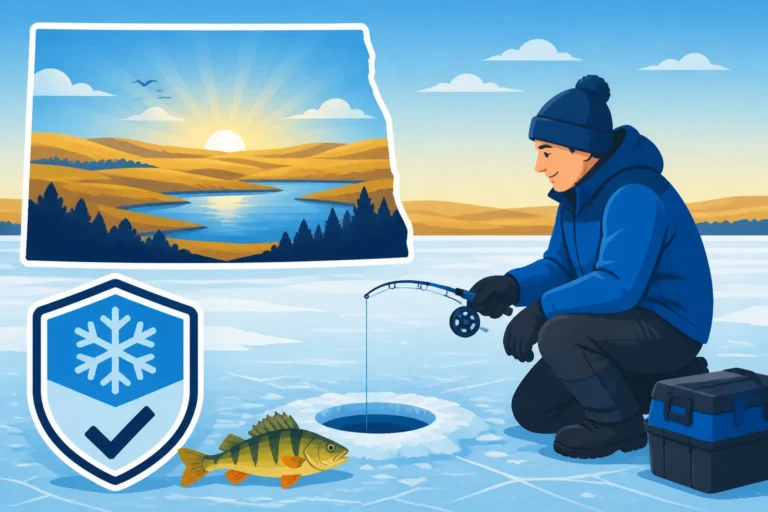
I know, I know, we all want to be the first one out there, planting our flags and reeling in the first walleye of the season. But trust me when I say, no fish is worth risking your life. The North Dakota Game and Fish Department consistently stresses safety, and for good reason. Before you even think about stepping onto that early ice, you absolutely need to understand How Thick Ice Needs to Be for Ice Fishing. A minimum of 4 inches of clear, solid ice is generally recommended for walking, but for ATVs or snowmobiles, you're looking at 5-7 inches, and vehicles need even more.
Beyond knowing the numbers, it's about preparation. Always go with a buddy, or at the very least, let someone know exactly where you're going and when you expect to be back. Carry ice picks around your neck, a spud bar to test the ice as you go, and a throw rope. Dress in layers, and consider a float suit for added buoyancy and warmth in case the unthinkable happens. I've seen too many eager anglers rush out without the proper gear, and it's a chilling thought. Even if you're just walking out a short distance from shore, the risk is real. It's better to be overly prepared than to be caught off guard. Remember, the fish will still be there tomorrow if the ice is thicker.
Top Picks for Early Ice Fishing in North Dakota
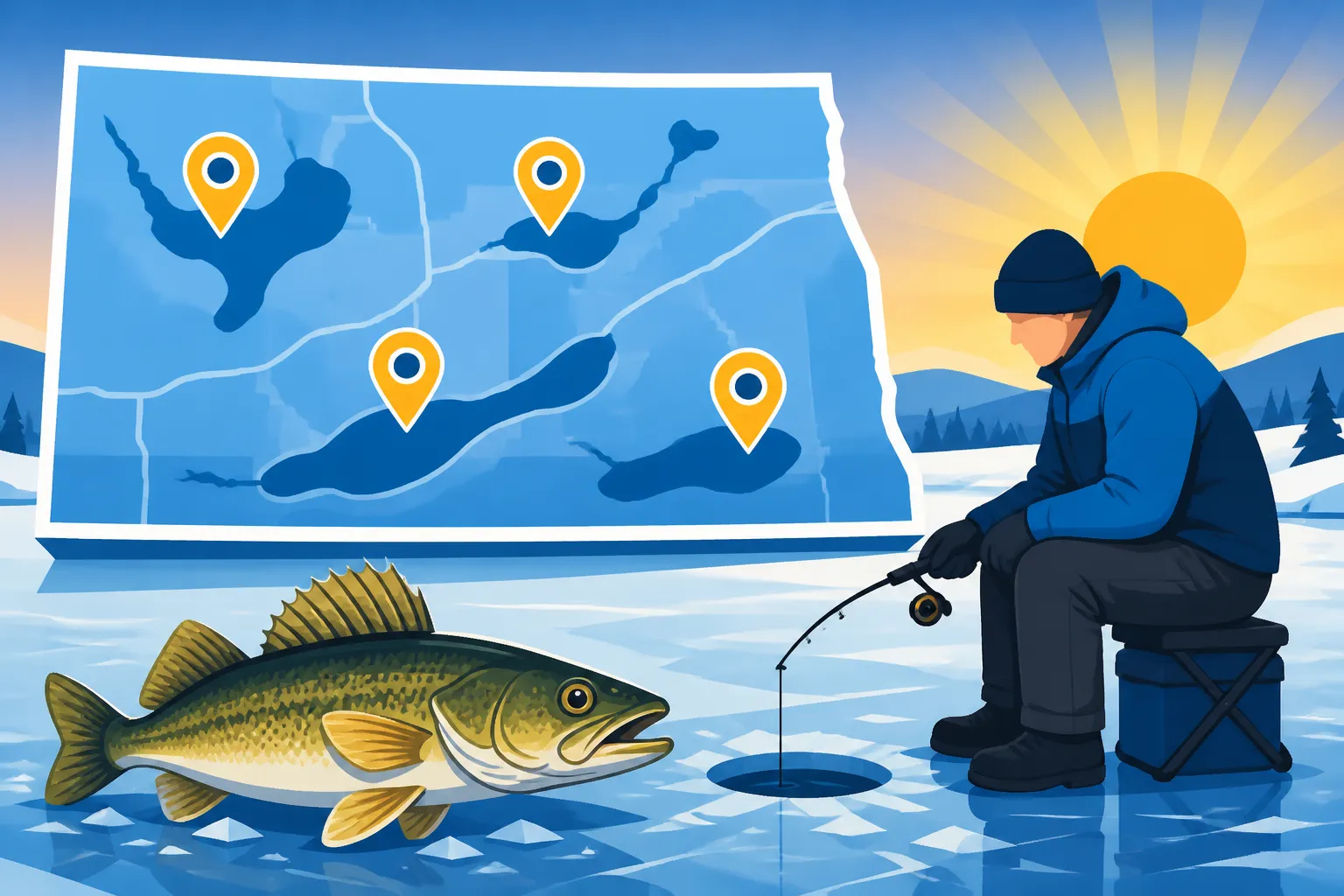
While the exact "best" spot can vary year to year depending on conditions, certain lakes and areas consistently offer prime early ice opportunities due to their geography, depth, and fish populations. These are the places where many seasoned North Dakota anglers will start their season, assuming ice conditions allow.
Devils Lake: A Perch and Walleye Paradise
Devils Lake is legendary, and for good reason. Its sprawling, shallow, and often heavily timbered bays are a magnet for early ice formation, and more importantly, for holding massive schools of yellow perch and walleye. The lake's unique structure, with its flooded timber and varying depths, means that certain areas will lock up and become safe long before the vast main lake.
When targeting Devils Lake Ice Fishing Access Points early in the season, anglers often focus on areas like Six Mile Bay, East Bay, Mauvais Coulee, and sometimes the western sections near Minnewaukan or the Pelican Lake area, depending on how the freeze progresses. These locations tend to have shallower depths and are more sheltered from strong winds, allowing for quicker ice development. As soon as a few inches of safe ice are present, anglers will meticulously work these areas, focusing on points, submerged roads, and the edges of flooded timber where perch and walleye stack up. Using your electronics to mark fish and structure is absolutely key here. Services like FishingBooker can sometimes help connect you with local guides who specialize in early ice conditions and know exactly which bays are safe and productive. They'll have the up-to-date intel on what the bite is doing and where the schools are moving.
The perch bite can be absolutely phenomenal on early ice at Devils Lake. They are often aggressive, making them a blast to catch. Walleye, too, will cruise the shallower breaks and humps, especially during low light conditions. The challenge, and part of the fun, is navigating the varying depths and finding those pockets of active fish.
Lake Sakakawea: Opportunities on a Grand Scale
Lake Sakakawea, being a massive Missouri River reservoir, presents a different kind of early ice challenge and opportunity. Its sheer size means that true "safe" early ice across large expanses is rare and often comes later in the season. However, there are numerous embayments and sheltered arms that can offer excellent early ice action, particularly for walleye, northern pike, and even perch.
Look towards the upper reaches of the lake and its numerous large bays, such as the Van Hook Arm, Deepwater Bay, or certain areas around the Little Missouri arm. These areas often have shallower, more protected water that will freeze earlier. The key here is focusing on specific, localized areas that are known for early ice. Don't expect to run across the main lake on thin ice; that's just asking for trouble. Anglers often find success targeting points, humps, and submerged creek channels within these bays, as walleye will often stage in these areas before moving to deeper winter haunts. Lake Sakakawea Walleye Fishing Spots in these early-season bays can be incredibly productive, with fish aggressively feeding as the water temperatures drop.
The "grand scale" of Sakakawea also means that even if only a fraction of its bays are safe for early ice, there's still a tremendous amount of water to explore. You might even find opportunities for Chinook Salmon Trolling on Lake Sakakawea in open water near areas that haven't frozen yet, highlighting the diverse fishing opportunities this massive reservoir offers, even as ice begins to form elsewhere.
Smaller Gems: Community Lakes and Prairie Potholes
Beyond the giants like Devils Lake and Sakakawea, North Dakota is dotted with countless smaller community lakes and prairie potholes that are absolute goldmines for early ice fishing. These smaller bodies of water often freeze first and provide some of the earliest safe ice opportunities, sometimes weeks before the larger lakes. They are excellent choices for a quick trip, especially when you're itching to get out but the big water isn't ready.
Lakes like Lake Audubon, Jamestown Reservoir, Lake Ashtabula, and countless unnamed prairie potholes across the state are fantastic candidates. These waters often hold abundant populations of yellow perch, northern pike, walleye, and panfish like crappie and bluegill. Because they're smaller, fish concentrations can be easier to locate. For example, local favorites like Patterson Lake near Dickinson, or some of the smaller impoundments in the Turtle Mountains, are often prime candidates for early ice perch and pike.
The beauty of these smaller spots is their accessibility. You can often walk out a short distance from shore and be over prime habitat. However, even on smaller lakes, currents around culverts or springs can create localized thin spots, so the spud bar remains your best friend. A good resource for finding these smaller spots and getting up-to-date conditions can often be found by visiting local bait shops or checking online forums. Many of these lakes are part of the broader efforts to maintain diverse Fish Species Found in North Dakota Lakes and Rivers.
Strategies for Success on Early Ice
Once you've identified a safe spot and carefully made your way onto the ice, the next challenge is actually catching fish. Early ice fishing isn't just about showing up; it's about understanding fish behavior during this unique transitional period.
Locating Fish in Transitional Periods
Fish behavior on early ice can be very different from mid-winter. In many cases, fish are still in their fall feeding patterns, aggressively bulking up before the long winter. Walleye and northern pike might still be found in shallower depths, especially during low-light conditions, before they fully transition to deeper main-lake structures. Perch often school up tightly, making it a matter of drilling holes until you find the mother lode.
A key strategy is to focus on transitional areas. Think about where fish were in the late fall. Points that jut out into deeper water, submerged humps, weed line edges (if the weeds haven't died back completely), and the mouths of bays are all prime real estate. These areas offer both food and quick access to deeper water if conditions change. Don't be afraid to move if you're not marking fish or getting bites. On early ice, especially for perch, finding the school is 90% of the battle. A portable shelter and a good ice fishing auger are your best friends for this run-and-gun approach. Check out how to How to Read a Fish Finder for Ice Fishing; it's an invaluable tool for locating those elusive schools.
When you do find fish, pay attention to the depth they're holding at and the type of structure they're relating to. This information can help you pattern their movements and replicate your success in other areas of the lake. Often, using a service like FishingBooker can provide insights from experienced local guides who know the specific early ice movements of different species in various North Dakota waters.
Essential Gear for Early Season Success
Having the right gear isn't just about comfort; it's about efficiency and safety on the ice. For early ice, portability and functionality are often prioritized.
A lightweight, portable ice fishing shelter is invaluable, especially when you're hole-hopping. A one-man flip-over or a small hub-style shelter allows you to stay mobile while providing crucial protection from the elements. Paired with a reliable ice auger – whether it's a hand auger for the thinnest ice, a propane auger for power, or an electric auger for quiet, consistent drilling – you'll be able to move quickly and efficiently. Make sure you understand the nuances of Ice Fishing Auger Techniques to maximize your time on the ice.
Your tackle should reflect the species you're targeting. For perch, small tungsten jigs tipped with wax worms or plastics are deadly. Consider the Best Jig Size for Perch Through the Ice, as sometimes a subtle presentation is key. For walleye, rattling spoons, jigging raps, or a simple jig and minnow often do the trick. Northern pike will hit larger spoons, lipless crankbaits, or dead bait under a tip-up. Don't forget your ice fishing electronics, like a flasher or a small fish finder, to help you mark fish and understand their behavior beneath the ice.
And, of course, the absolute non-negotiables: a spud bar, ice picks, and warm, waterproof clothing. Layering is critical in North Dakota's unpredictable early winter weather. Check out our comprehensive guide on Best Ice Fishing Gear for North Dakota to make sure you're fully equipped.
Finding Resources and Planning Your Trip
Planning your early ice adventure requires a bit of homework. Your first stop should always be the North Dakota Game and Fish Department website. They publish the most up-to-date North Dakota Fishing Regulations Explained, including any special rules or closures that might impact your trip. They also often provide ice condition updates, though these should always be verified in person.
Local bait shops are absolute goldmines of information. The folks working there live and breathe local fishing, and they'll know which bays are freezing, where the bite is hot, and any potential hazards. Don't be shy about asking questions! Online forums and social media groups dedicated to North Dakota fishing can also be great resources for real-time reports and discussions among fellow anglers. Just remember to take online reports with a grain of salt and always conduct your own safety checks.
Finally, consider booking a trip with a local guide, especially if you're new to the area or early ice fishing. Services like FishingBooker allow you to find and book experienced guides who have intimate knowledge of specific lakes and current conditions. A guided trip can fast-track your learning curve, put you on fish safely, and ensure you have a memorable and successful outing. They'll also be up-to-date on rules like North Dakota Ice Fishing Rules for shelters and other equipment. Setting Up an Ice Fishing Shelter correctly is part of the experience, and a guide can show you the ropes quickly.
| Lake/Location | Primary Species | Typical Early Ice Opportunities | Key Considerations |
|---|---|---|---|
| Devils Lake | Perch, Walleye | Sheltered bays (Six Mile, East Bay, Mauvais Coulee) freeze first; excellent schooling perch and active walleye. | Flooded timber can make navigation tricky; highly popular, so expect company. |
| Lake Sakakawea | Walleye, Pike, Perch | Upper reaches and large bays (Van Hook, Deepwater) offer localized safe ice; walleye and pike often found on points and humps. | Main lake remains open; extreme caution needed due to reservoir size and potential current. |
| Smaller Community Lakes | Perch, Pike, Walleye, Panfish | Many smaller lakes and impoundments freeze quickly; often good for a variety of panfish and smaller game fish. | Check local reports; ice conditions can vary widely even on small bodies of water. |
| Prairie Potholes | Perch, Pike | Numerous small, shallow water bodies freeze first; can offer untouched fishing for aggressive perch and pike. | Access can be challenging (private land); ice thickness can be highly variable. |
Ultimately, early ice fishing in North Dakota is a rewarding experience that combines the thrill of adventure with the peace of winter angling. By prioritizing safety, understanding the unique characteristics of different lakes, and equipping yourself with the right knowledge and gear, you can make the most of this exciting, albeit fleeting, season.
Disclaimer
The information provided in this guide is for general informational purposes only and is subject to change. Always consult the official North Dakota Game and Fish Department regulations and current ice conditions before venturing out. Ice safety is paramount, and local conditions can vary significantly. Fishing activities inherently carry risks; proceed with caution and at your own responsibility.