Best Ice Fishing Spots on Devils Lake
Navigating the vast, ever-changing waters of Devils Lake, especially when it's covered in ice, can feel like trying to find a needle in a frozen haystack. Many anglers spend countless hours drilling holes, hoping to stumble upon a hotspot, only to find themselves chasing phantom fish. The sheer size and complex structure of this legendary North Dakota fishery present a unique challenge, but with the right knowledge, you can absolutely pinpoint those productive ice fishing spots and make your trip a resounding success. This guide is here to cut through the guesswork, offering you a detailed look at where and how to find the best ice fishing action on Devils Lake.
Understanding Devils Lake's Unique Ice Fishing Landscape
Devils Lake isn't just another big body of water; it's a dynamic, ever-evolving inland sea that boasts a reputation as one of North America's premier ice fishing destinations. But with that prestige comes a certain level of complexity. Its fluctuating water levels and submerged structures mean that what was a hot spot last year might be bone dry, or impossibly deep, this season.
The Unique Geography and Fluctuating Water Levels
One of the most crucial things to grasp about Devils Lake is its incredible volatility. Over decades, the lake has expanded dramatically, flooding vast areas of prairie, timber, and even old roads and farmsteads. This creates an incredibly rich and diverse underwater environment, full of submerged trees, fence lines, rock piles, and old roadbeds that act as prime fish habitat. However, these water levels are always in flux, driven by precipitation and evaporation cycles. A high-water year might open up new areas previously inaccessible, while a lower year might concentrate fish in smaller, deeper basins.
For an ice angler, this means constant adaptation. You can't just rely on last year's GPS coordinates without doing some homework. Those flooded trees, while great for perch and walleye, can also create dangerous ice conditions where currents might be stronger, or ice might be thinner. Understanding the current water levels and how they've impacted the lake's structure is paramount to finding productive ice fishing spots. Local bait shops and online forums are goldmines for up-to-date information on these conditions. It's a fantastic ecosystem for anglers, but it requires a bit more thought and planning than your average pond.
Key Fish Species to Target Through the Ice
When you brave the North Dakota winter winds on Devils Lake, you're primarily after a few star species that truly thrive in its icy embrace. Knowing what you're targeting helps immensely in choosing your location and technique.
- Yellow Perch: These are arguably the most sought-after species by ice anglers on Devils Lake, and for good reason! The lake is famous for its jumbo perch, often exceeding 12 inches. They are voracious eaters, often found in large schools, and provide fast-paced action. Perch tend to relate to submerged timber, weed edges, and soft bottom areas where they can root for invertebrates. Targeting these areas can lead to incredible days, especially when you hit a big school. If you're looking for specific tactics, check out our guide on how to catch perch through the ice in North Dakota.
- Walleye: While perch might be the main draw, Devils Lake also holds an excellent population of walleye, including some true trophies. Walleye on the ice are typically found near structure, points, humps, and old roadbeds, often deeper than perch, though they will push shallow during low-light conditions. They can be a bit more finicky, requiring patience and a more refined presentation, but the reward of a Devils Lake walleye is well worth the effort. Learn more about optimal locations in our specific guide on Devils Lake Walleye Fishing Spots.
- Northern Pike: Don't overlook the Northern Pike! While often an incidental catch for walleye and perch anglers, Devils Lake produces some truly monstrous pike that will readily strike a dead stick with a large minnow. They are ambush predators and will lurk around weed lines, flooded timber, and transitions where they can surprise unsuspecting prey. While not typically targeted with small jigs, having a dedicated tip-up or two out for pike can lead to an exciting fight.
Understanding these target species and their preferred habitats during the hard water season is the first step to narrowing down your search on such a vast fishery.
Top Ice Fishing Hotspots on Devils Lake
Okay, so you know the fish, you understand the lake's quirks – now let's get down to brass tacks: where do you actually go? Devils Lake is expansive, but certain areas consistently produce year after year, offering excellent opportunities for various species.
East Devils Lake Access Points and Strategies
The eastern side of Devils Lake is often the first to freeze up reliably and is usually a hub of early-season activity. It's also known for its extensive flooded timber, which offers incredible habitat.
- Creel Bay: This is perhaps one of the most famous ice fishing locations on Devils Lake, and for good reason. Creel Bay offers multiple access points, including the public ramp. It's renowned for its fantastic yellow perch fishing, especially in the shallower flooded timber areas and along the old roadbeds that crisscross the bay. Anglers often find success working depths from 8 to 20 feet, looking for schools relating to structure. The bay also holds a solid population of walleye, particularly along the deeper breaks leading into the main lake basin. Early ice in Creel Bay can be phenomenal, but it also sees heavy pressure. You'll want to move around to find less disturbed schools.
- East Bay (and beyond towards Churchs Ferry): This expansive area encompasses many smaller bays and points that can be incredibly productive. As you head further east toward Churchs Ferry, the lake becomes increasingly shallow with even more flooded timber. This area is a perch paradise, especially in years with higher water levels. Depths can range from a mere 5 feet to 15 feet. Focus your efforts around any visible structure – old fence lines, trees, and subtle depth changes. The challenge here can be navigating the dense timber, so having a good GPS or mapping app is essential. Keep an eye out for larger walleye cruising the edges of these timber fields, particularly during low-light periods. Access can be found off various public roads and private resorts.
When exploring East Devils Lake, remember the adage: "find the trees, find the perch." However, also be mindful of your surroundings; dense timber can be tricky, and ice conditions can vary, so always prioritize safety, especially concerning how thick ice needs to be for different activities. You can even consider booking a trip with a local guide through platforms like FishingBooker if you're unfamiliar with the area; they know these spots intimately.
West Devils Lake Productive Zones
Moving to the western side of the lake, you encounter a different character – often deeper, with more distinct structure like points, reefs, and fewer dense timber fields, though flooded prairie grass is still common.
- Six Mile Bay: Another perennial favorite, Six Mile Bay offers excellent ice fishing for both walleye and perch. It's generally deeper than the eastern bays, with depths reaching 25-40 feet in some areas, especially as it connects to the main lake. Anglers often target walleye along the edges of the main channel and on submerged humps and points. Perch can be found shallower, especially near the remaining flooded vegetation, but don't be afraid to target them deeper on humps and flats. Access is readily available from the public boat ramp and various points along Highway 19.
- Minnewaukan Flats and Pelican Lake: These interconnected areas on the far western side are often excellent for both walleye and perch, especially during mid-winter. The Minnewaukan Flats, true to their name, are vast, relatively shallow areas that become very productive for perch as they feed on invertebrates. Further north, Pelican Lake offers similar opportunities, often with less pressure than the central bays. Walleye will cruise the subtle breaks and depressions within these flats. Depths here can range from 10-25 feet. Access can be found near the town of Minnewaukan. Be prepared for potentially longer travel distances across the ice to reach prime spots.
- Main Lake Basins and Humps: Don't be afraid to venture into the vast main lake areas, particularly if you have good electronics. There are numerous submerged humps, reefs, and old roadbeds in the central and western main lake basins that hold substantial populations of walleye and perch. These areas often see less pressure than the bays and can produce trophy-sized fish. Look for depths of 20-40 feet, and pay close attention to depth transitions and sharp breaks. Using an up-to-date lake map and a quality fish finder is absolutely essential for successfully navigating and fishing these open water areas through the ice.
The western zones offer a blend of shallower feeding flats and deeper structural elements, providing diverse opportunities depending on your target species and preferred fishing style.
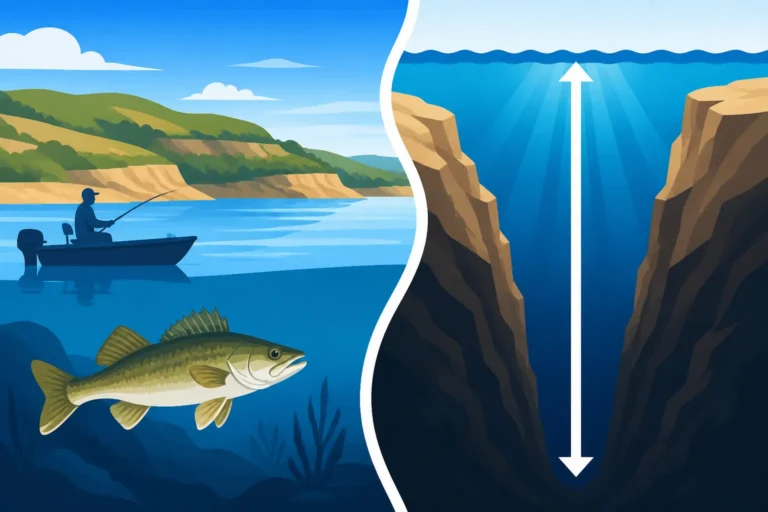
Deep Water vs. Shallow Water Strategies
Devils Lake offers both shallow and deep-water opportunities, and knowing when and where to apply each strategy is key to consistent success. The choice often depends on the time of day, current weather, and the specific fish you're targeting.
- Shallow Water Tactics (5-15 feet):
- Focus: Primarily yellow perch, especially in early and late ice, but also active walleye during low-light periods (dawn, dusk, cloudy days). Northern pike are also common in these areas.
- Locations: Flooded timber, old roadbeds, submerged weed lines (if present), and shallow flats. East Devils Lake is particularly good for shallow water opportunities.
- Approach: stealth is paramount. Drill holes quietly, spread out if fishing with a group, and try not to spook fish. Small jigs tipped with wax worms, spikes, or minnow heads are excellent for perch. For walleye, a small jigging rap or a dead stick with a live minnow can be very effective. Use a portable ice fishing shelter to help with stealth and comfort.
- Deep Water Tactics (20-40+ feet):
- Focus: Walleye and larger perch, particularly during bright daylight hours or mid-winter when fish are less active in the shallows.
- Locations: Submerged humps, main lake points, deep breaks, and old river channels. West Devils Lake and the main lake basins offer more of these deep-water features.
- Approach: Electronics are your best friend here. Use your fish finder to locate schools of fish or individual marks near structure. Walleye often respond well to aggressive jigging spoons, rattle baits, or larger jigging raps. For deep water perch, smaller tungsten jigs dropped quickly can entice bites. Don't be afraid to drill many holes along a break line or over a hump until you find actively feeding fish. The larger fish in deeper water often require a bit more coaxing.
Understanding this deep vs. shallow dynamic is crucial, as fish will move between these zones based on forage, light conditions, and pressure. A successful angler on Devils Lake will often employ both strategies throughout the day.
Essential Gear and Safety for Devils Lake Ice Anglers
Devils Lake is known for its incredible fishing, but it's also known for its harsh North Dakota winters. Being prepared with the right gear and a strong emphasis on safety isn't just a recommendation; it's an absolute necessity.
Must-Have Gear for Devils Lake Ice Fishing
Forget heading out with just a bucket and a jigging stick. Devils Lake demands a higher level of preparation.
- Augers: A powerful auger is non-negotiable. Whether you opt for a reliable gas-powered unit like a Strikemaster or a modern electric auger from brands like ION or Rapala, you'll be drilling many holes through potentially thick ice. Ice can easily reach 2-3 feet (or more!) during peak winter, and a dull hand auger will quickly become your worst enemy. Consider a 6 or 8-inch auger. Check out our guide on the best ice auger brands for North Dakota to help you choose.
- Ice Fishing Shelters: The wind on Devils Lake can be brutal. A good ice fishing shelter is your mobile sanctuary. Portable flip-over shelters from brands like Clam or Eskimo are popular for their quick setup and mobility, while hub-style shelters offer more space for groups. Make sure it's well-insulated and has features to anchor it securely against strong gusts. Our article on the best ice fishing shelters for North Dakota can provide more specific recommendations.
- Electronics: A quality fish finder or flasher is almost as important as your auger. Brands like Vexilar, Marcum, and Humminbird are staples. These devices allow you to see fish, your lure, and the depth, drastically increasing your efficiency and success rate. They help you pinpoint schools, understand fish behavior, and fish effectively in varying depths. For tips on how to use these tools, read our guide on how to read a fish finder for ice fishing.
- Rods, Reels, and Line: You'll want a variety. For perch, light-action rods with sensitive tips are ideal to detect subtle bites. For walleye, medium-light to medium-action rods with a bit more backbone are preferred. Spool up with quality monofilament or fluorocarbon line, typically 4-8 lb test for perch and 6-10 lb for walleye. Consider specific setups in our guide on the best ice fishing rods for perch.
- Heaters and Safety Gear: A portable propane heater is essential for staying warm in your shelter. Don't forget carbon monoxide detectors if using propane heaters! Safety gear like ice picks, a rope, a fully charged cell phone, and a first-aid kit should always be with you. Warm, layered clothing, waterproof boots, and good gloves are also non-negotiable.
Navigating Ice Conditions and Safety Precautions
Ice fishing on Devils Lake presents unique safety challenges due to its massive size, fluctuating water levels, and strong underwater currents that can thin ice unexpectedly.
- Always Check Ice Thickness: Never assume the ice is safe. Four inches of new, clear ice is the minimum for foot travel, but conditions can vary wildly, even within short distances. Always check local ice reports, talk to bait shops, and use an ice chisel or auger to test thickness as you venture out. Our article on how thick ice needs to be for ice fishing is a must-read for any angler.
- Be Aware of Pressure Ridges and Cracks: Devils Lake is notorious for its large pressure ridges and cracks that form due to expansion and contraction of the ice. These can be impassable for vehicles and can also indicate areas of thinner, unstable ice. Approach them with extreme caution.
- Watch for Submerged Obstacles: The flooded timber and structures can create dangerous currents and "weak spots" in the ice. Drive slowly and be vigilant. These areas are fish magnets but require extra care.
- Travel in Groups: Whenever possible, fish with a buddy. If an emergency arises, having someone else there can be a lifesaver.
- Inform Others of Your Plans: Tell someone where you're going and when you expect to return. This is a basic but critical safety measure.
- Vehicle Weight and Distance: If driving on the ice, be mindful of recommended weight limits (often 8-12 inches for cars/small trucks). Always maintain safe distances between vehicles. On a lake the size of Devils Lake, it's easy to get separated from others, so extra caution is warranted.
Remember, no fish is worth risking your life. Prioritize safety above all else, and you'll have a much more enjoyable (and safe) ice fishing experience on Devils Lake.
Seasonal Considerations and Fish Movements
The ice fishing season on Devils Lake isn't a static event; it's a dynamic period where fish behavior and preferred locations change as the winter progresses. Understanding these seasonal shifts can significantly improve your success rate.
Early Ice Tactics and Locations
"Early ice" typically refers to the period from late November through December, when the lake first freezes over and ice is relatively new and often less than a foot thick. This is a highly anticipated time for many anglers.
- Fish Are Active and Shallow: During early ice, fish are often still found in shallower areas, similar to their late-fall patterns, and are generally very active. They haven't experienced heavy fishing pressure yet and are aggressively feeding before the brutal mid-winter cold sets in.
- Prime Locations: Focus your efforts on the shallower bays and areas with abundant flooded timber or standing vegetation. Creel Bay, East Bay, and areas around the Minnewaukan Flats are often prime early ice spots for both perch and walleye. Look for depths between 8-15 feet.
- Approach: Mobility is key. Drill many holes, move frequently, and explore different depths within these shallow zones until you locate active fish. Aggressive jigging with spoons or rattle baits can trigger bites, as can dead sticking with a lively minnow. Don't forget to pay special attention to North Dakota Ice Fishing Rules regarding access and shelter setup during this initial period.
Mid-Winter Strategies for Productive Days
Mid-winter, from January into February, usually brings the coldest temperatures, thickest ice, and often the most stable weather. Fish behavior tends to become a bit more subtle, and they often relate to deeper structures.
- Deeper and More Lethargic Fish: As the ice thickens and water temperatures stabilize at their coldest, fish can become less active. They'll often move to deeper water, seeking stable temperatures and concentrating around significant structure.
- Prime Locations: This is when those deeper humps, main lake points, and significant depth breaks in areas like Six Mile Bay and the central main lake basins really shine for walleye. Perch might still be found in pockets of flooded timber, but often in slightly deeper sections or schooling over deeper flats. Look for walleye in 20-40 feet of water, and perch in 15-30 feet.
- Approach: Electronics become even more critical during mid-winter to pinpoint these deeper, less active fish. Vertical jigging with smaller, more subtle presentations (like tungsten jigs tipped with live bait for perch, or slow-working spoons/jigging raps for walleye) can be very effective. Patience is also key; you might have to wait out the bite. Consider setting up a comfortable, well-heated ice shelter for longer stints on the ice, especially since the wind can really pick up on open stretches of the lake. Remember to verify regulations regarding Ice Fishing Shelter Rules on North Dakota Lakes.
Late Ice Opportunities Before Thaw
Late ice, typically March, marks the transition period as the sun gains strength and daylight hours lengthen. This can be one of the most exciting, yet potentially dangerous, times to be on Devils Lake.
- Fish Re-Energize and Move Shallow: As the ice begins to deteriorate and meltwater introduces oxygen, fish become much more active again. They'll often move back into shallower areas, mirroring their early ice movements, as they prepare for the upcoming spawn.
- Prime Locations: The shallow bays and flooded timber areas that were productive in early ice often light up again. Walleye will aggressively feed along points and bays, and perch will school up in preparation for spawning. Look for areas with slight current or incoming water, which can be oxygen-rich.
- Approach: Aggressive jigging can once again be very productive. Be prepared for fast action, but also exercise extreme caution regarding ice conditions. Always check the ice frequently, especially near shorelines, inlets, and outlets. The ice can thin very rapidly, and large sections can become unsafe quickly. This is often when you'll find some of the biggest fish of the season, but it demands the highest level of safety awareness. Remember that the North Dakota Fishing Season Calendar dictates open seasons for various species, so always check before heading out.
Devils Lake Ice Fishing Hotspots Summary
| Location | Target Species | Typical Depth (feet) | Key Features/Strategy |
|---|---|---|---|
| Creel Bay | Perch, Walleye | 8-20 | Flooded timber, old roadbeds; early ice & late ice |
| East Bay / Churchs Ferry | Perch, Walleye, Pike | 5-15 | Dense flooded timber, shallower flats; early ice |
| Six Mile Bay | Walleye, Perch | 10-40 | Main lake points, deep breaks, humps; mid-winter |
| Minnewaukan Flats / Pelican Lake | Perch, Walleye | 10-25 | Subtler breaks, vast flats; mid-winter perch |
| Main Lake Basins / Humps | Walleye, Large Perch | 20-40+ | Deep structure; best with electronics; mid-winter |
Ultimately, successful ice fishing on Devils Lake hinges on a combination of preparedness, adaptability, and a strong understanding of how the lake and its fish change throughout the winter. Utilizing resources like local guides you can find through FishingBooker can also provide invaluable, up-to-the-minute insights.
Disclaimer
The information provided in this guide is for general informational purposes only and is subject to change. Always consult the official North Dakota Game and Fish Department regulations and current ice conditions before venturing out onto the ice. Ice fishing can be inherently dangerous; exercise extreme caution and prioritize safety at all times.