Best Spring Thaw Fishing Spots in North Dakota
The feeling of cabin fever can hit hard after a long North Dakota winter, leaving you itching to get back out on the water. The spring thaw brings with it a unique set of challenges and opportunities for anglers, from navigating melting ice to pinpointing where the fish have moved. This guide is here to walk you through the best spots and strategies to make your early season fishing trips successful and safe as the ice recedes and open water returns.
Understanding the Spring Thaw Fishing Advantage
The spring thaw isn't just a sign of warmer weather; it's a profound shift in the aquatic ecosystem that triggers prime fishing opportunities in North Dakota. After months under the ice, fish behavior changes dramatically as water temperatures begin to rise, and new food sources become available.
Water Temperature and Fish Movement
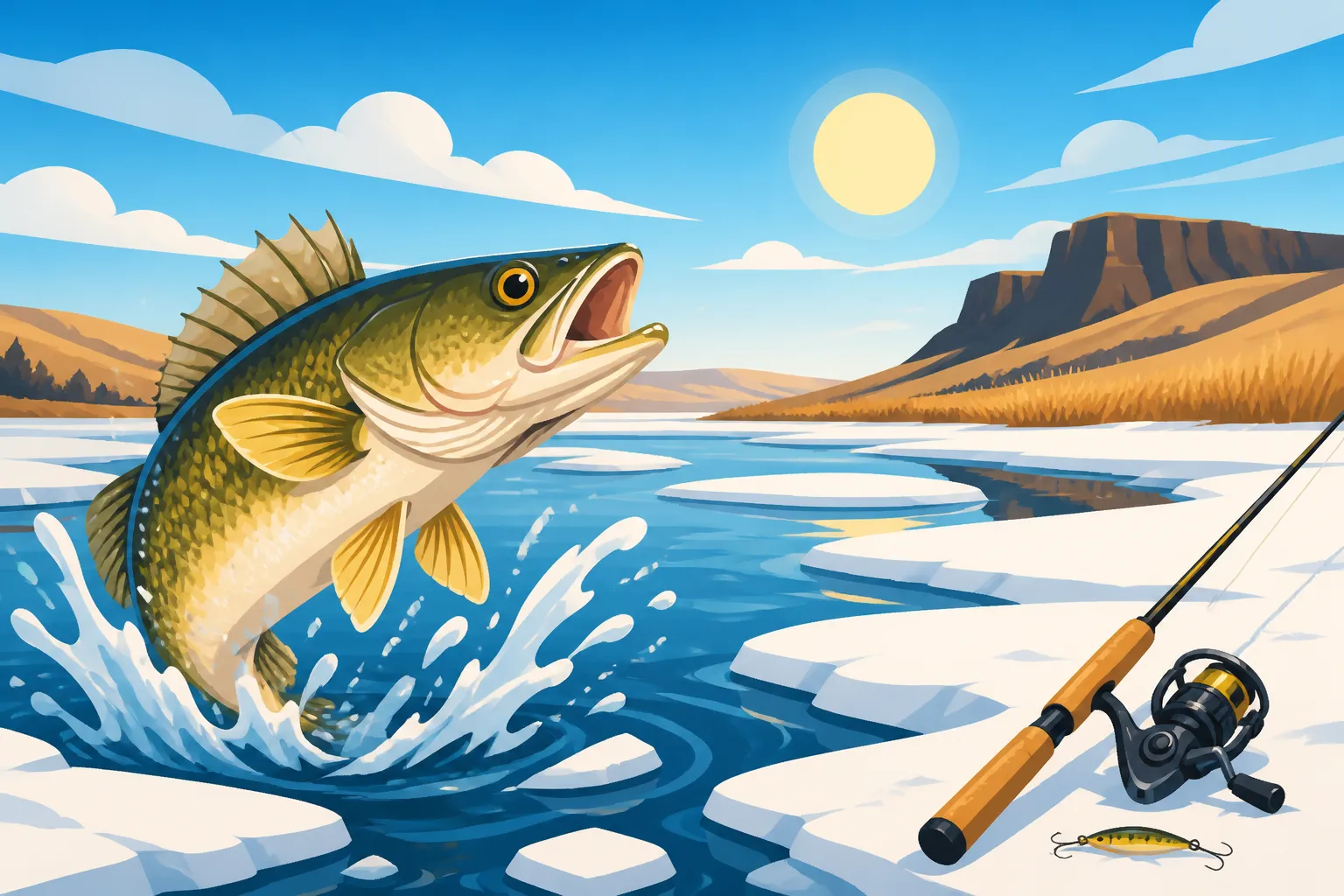
When the ice starts to melt, usually in late March and April, the first areas to open up are often shallow bays, river inlets, and the northern shorelines of lakes, which receive more direct sunlight. These shallow waters warm up faster than the deeper main lake basins. This slight increase in temperature, even a few degrees, is enough to attract baitfish, insects, and other organisms that have been dormant. And where the bait goes, the game fish follow. Species like walleye, northern pike, and perch, which have been relatively lethargic under the ice, become more active and start to feed aggressively. They're trying to regain energy lost over winter and prepare for their upcoming spawning rituals. This makes them more predictable and concentrated in specific areas.
The transition from ice-covered to open water can be a bit tricky. Sometimes you'll find a narrow band of open water along the shore while the main lake is still frozen. Other times, the entire lake might open up quickly. Understanding this progression is key to locating fish. Early on, these fish will often hug the warmest available water, which means shallow areas near points, weed beds (if they survived the winter), and tributary mouths. As the water warms further, they might spread out a bit more, but the initial warming trend is what really kicks off the bite.
Key Factors for Early Season Success
Success during the spring thaw often boils down to a few critical factors: water temperature, depth, and forage availability. Your best bet is to target areas that warm up fastest. This means looking for shallow, dark-bottomed bays, protected coves, and river channels where currents prevent thick ice formation or break it up quickly. These spots act like magnets for fish in early spring. The presence of emerging vegetation or old weed lines is another huge bonus, as these offer both cover and food for smaller baitfish, which in turn attract larger predators.
Additionally, factors like sunlight penetration and wind direction play a significant role. A few days of strong sunshine after ice-out can dramatically warm up those shallow areas, making them irresistible to hungry fish. Wind can also push warmer surface water into specific bays, creating thermal pockets. Keeping an eye on weather patterns and water temperatures, even just by observing the lake or river, can give you a considerable edge. You might find success fishing in North Dakota's windy conditions, as these can concentrate baitfish. Knowing your target species' specific behavior during this period is also essential, as walleye, pike, and perch each have slightly different preferences for depth and structure post-ice. For a detailed look at what to expect, check out our guide on the North Dakota Fishing Season Calendar.
Top Lakes and Rivers for Early Spring Action
North Dakota boasts an incredible array of fishing opportunities, and many of its prime locations really shine during the spring thaw. The key is knowing which areas within these larger bodies of water are most likely to warm up first and hold fish.
Lake Sakakawea's Tributaries and Bays
Lake Sakakawea, a massive reservoir on the Missouri River, offers fantastic spring thaw fishing, especially in its shallower arms and the lower reaches of its tributaries. As the ice pulls back, areas like Van Hook Arm, Deepwater Bay, and the Little Missouri arm are prime targets. These areas have extensive shallow flats and numerous points that warm up quickly under the spring sun. Walleyes will move into these zones to feed on emerging baitfish before they head to traditional spawning areas. Northern pike will also be active in these shallower, often weed-fringed bays. Focus your efforts where tributary rivers, like the Little Missouri River, enter the main lake, as these bring in warmer, oxygenated water and new food sources.
Fishing the current breaks and transition zones where these warmer waters meet the slightly colder main lake can be incredibly productive. Anglers often find success casting jigs tipped with minnows or plastics, or slowly trolling shallow-diving crankbaits along the edges of receding ice or structure. For those looking for an adventure on this immense body of water, our comprehensive Lake Sakakawea Fishing Guide for North Dakota Anglers provides a wealth of information, from specific hot spots to the best techniques for catching different species.
Devils Lake's Shallow Flats and Inlets
Devils Lake, known as North Dakota's largest natural lake, is an absolute hotspot during the spring thaw, particularly for yellow perch and walleye. Its unique flooded timber and diverse underwater structure create countless prime locations. As the ice recedes, the shallow, mud-bottomed bays and areas where runoff enters the lake are the first to warm and attract fish. Look for locations like Creel Bay, Six Mile Bay, and the numerous smaller coulees and inlets that feed into the lake. These areas become feeding grounds as perch and walleye stage for their spring spawn.
Often, you'll find schools of yellow perch actively foraging in just a few feet of water, making them accessible to shore anglers or those with small boats. Walleyes will also cruise these shallower areas, particularly during low light conditions. The key here is to move and find active schools. Don't be afraid to try different depths within these shallow zones. Using small jigs tipped with wax worms or minnows for perch, and larger jigs or crankbaits for walleye, can be highly effective. For more specific tactics, check out our Devils Lake Fishing Guide for North Dakota Anglers.
Missouri River System Hotspots
The Missouri River and Lake Oahe, downstream from Lake Sakakawea, often see earlier ice-out conditions due to river currents, making them excellent choices for early spring fishing. The open water and consistent flow keep fish active. Below the Garrison Dam, the Missouri River tailrace offers a unique fishing experience, with strong currents and consistent water temperatures attracting a variety of species, including walleye, sauger, and northern pike, as soon as open water is available. Further downstream, the river through Bismarck and into Lake Oahe offers extensive shoreline access and numerous points and sandbars that become productive.
Anglers targeting walleye and sauger will do well jigging with live bait or plastics, or slow-trolling crankbaits along channel edges and current breaks. Catfish, while not typically thought of as early spring targets, can also be found in deeper holes within the river system. The beauty of the Missouri is its accessibility and the consistent fishing it can provide even when other lakes are still locked in ice. For a deeper dive into these opportunities, our Missouri River Fishing Guide is an invaluable resource for navigating its dynamic waters. For those interested in fishing on Lake Oahe, consider our Lake Oahe Fishing Guide.
Smaller Lakes and Ponds for Panfish
While the big lakes get a lot of attention, don't overlook North Dakota's countless smaller lakes and community fishing ponds. These bodies of water, often shallower and more protected, lose their ice much faster than their larger counterparts. They can provide some of the earliest open-water fishing for panfish like yellow perch, bluegill, and crappie. Lakes such as Jamestown Reservoir, Lake Ashtabula, and some of the smaller impoundments in the Turtle Mountains can be fantastic.
These smaller waters are particularly great for families and beginners, offering relatively easy access and often abundant populations of smaller fish. Look for sunny, north-facing banks or shallow coves where the water warms quickly. A simple bobber and a small jig or worm can be incredibly effective for panfish. Northern pike also become very active in these waters right after ice-out, often cruising the shorelines in search of an easy meal. Many of these spots also offer great bank fishing opportunities. When planning a trip, consider using platforms like FishingBooker to find local guides or charters that specialize in early season panfish or pike on these smaller, often overlooked gems.
Gear and Techniques for Spring Thaw Success
As the seasons shift, so too should your approach to fishing. The spring thaw demands specific gear and refined techniques to capitalize on the fish's changing behaviors.
Essential Early Spring Tackle
For walleye and sauger, a medium-light to medium power spinning rod, around 6'6" to 7' long, paired with a reliable spinning reel spooled with 6-10 lb monofilament or fluorocarbon is a versatile setup. You'll want an assortment of jigs, from 1/8 to 1/4 ounce, in colors like chartreuse, white, or orange, to tip with live minnows or soft plastics. Blade baits and lipless crankbaits can also be highly effective for provoking strikes from lethargic fish. For northern pike, heavier gear is a must. A medium-heavy casting or spinning rod, 7-8 feet long, with a baitcasting reel spooled with 20-30 lb braided line and a strong fluorocarbon or wire leader is ideal. Spinnerbaits, spoons, and larger crankbaits in bright colors are excellent choices.
For perch and other panfish, a very light action rod (ultralight spinning rod), 4'6" to 5'6" long, with a small spinning reel and 2-4 lb test line, is perfect for feeling those subtle bites. Small jigs (1/32 to 1/16 ounce) tipped with wax worms, spikes, or small pieces of real worm are irresistible. When considering what to bring, think about flexibility; you might start with ice fishing gear on residual ice and transition to open water gear on the same trip. A good pair of polarized sunglasses is also essential to cut glare and spot structure or cruising fish in clear, shallow waters. Our guide on the Best Fishing Tackle for North Dakota Lakes goes into more detail on specific lures and setups.
Effective Presentation Techniques
Slow and steady often wins the race in early spring. Fish are still waking up from winter, and while they're hungry, they might not be chasing down fast-moving baits. For walleye, a slow, methodical jigging presentation near bottom structure or along current breaks is incredibly effective. Let your jig hit the bottom, lift it slightly, and let it fall again, mimicking a struggling baitfish. Tipping jigs with live minnows is often the most productive strategy, as the scent and subtle movement can entice hesitant bites. For more precise tactics, check out our guide on Early Spring Walleye Techniques in North Dakota.
When targeting northern pike, cast spoons or spinnerbaits along weed lines (if present) or shallow points. A slow retrieve with occasional pauses can trigger strikes. If you're using a boat, slow trolling shallow-diving crankbaits can cover more water and locate active fish. For panfish, a slip bobber rig set to suspend a small jig or bait just above the bottom is a killer technique, especially in those shallow, warming bays. Pay close attention to subtle bobber dips. Remember, fish in cold water often strike lightly, so a sensitive rod and good line feel are crucial. If you're still working with residual ice, our guide on How to Ice Fish in North Dakota might still offer some crossover tips for late-season ice angling on the edges. When you're ready to hit the water, especially if you're traveling, a quick search on FishingBooker can connect you with experienced local guides who know these early spring patterns intimately.
Safety First on North Dakota's Changing Waters
Spring thaw conditions are notoriously unpredictable, and safety should always be your top priority. The transition from solid ice to open water can happen rapidly, creating hazardous situations.
Ice Safety and Open Water Hazards
During the spring thaw, ice conditions become extremely volatile. What might seem like solid ice in the morning can quickly become honeycombed and unstable by afternoon. Always exercise extreme caution if you encounter residual ice. Avoid walking or driving on ice that shows signs of melting, has slushy spots, or is discolored. The edges near shore and around inlets/outlets are particularly dangerous due to currents and warming runoff. If you're on a boat, be vigilant for floating ice chunks, especially in larger lakes like Sakakawea, which can damage your hull or motor. The presence of ice can also obscure submerged hazards that are usually visible in open water.
Even once the ice is completely gone, cold water temperatures remain a significant danger. North Dakota's lakes and rivers can stay dangerously cold well into late spring. Falling into water colder than 70°F can lead to hypothermia, and water below 40°F can be life-threatening within minutes. Always wear a Coast Guard-approved life jacket, even if you're a strong swimmer. Inform someone of your float plan, including where you're going and when you expect to return. Our guide on North Dakota Fishing Regulations Explained details many safety requirements you should be aware of.
Dressing for Variable Conditions
The weather in North Dakota during spring thaw can be notoriously fickle, with wide temperature swings from morning to afternoon, and sudden shifts between sunshine, rain, or even snow. Layering your clothing is absolutely critical. Start with a moisture-wicking base layer to draw sweat away from your body. Add an insulating middle layer, such as fleece or wool, to retain warmth. Your outer layer should be waterproof and windproof to protect against the elements, even if the forecast looks clear. A good quality waterproof jacket and pants are non-negotiable.
Don't forget warm, waterproof footwear, a hat to retain body heat, and gloves, as cold hands can quickly make rigging lines or handling fish miserable. It's always better to overdress and shed layers as the day warms up than to be caught unprepared in cold, wet conditions. Always pack extra dry clothes in a waterproof bag, just in case. Being prepared for anything will not only keep you safe but also ensure you can comfortably enjoy those incredible early spring bites, whether you're chasing walleye, northern pike, or yellow perch.
| Species | Recommended Spots | Key Techniques | Best Bait/Lures |
|---|---|---|---|
| Walleye | Lake Sakakawea tributaries/bays, Devils Lake flats, Missouri River current breaks | Slow jigging, slow trolling, slip bobbers | Live minnows, soft plastics, blade baits, shallow crankbaits |
| Northern Pike | Shallow, weed-fringed bays in large lakes, smaller lakes/ponds | Casting & slow retrieving | Spinnerbaits, spoons, larger crankbaits, dead bait under bobber |
| Yellow Perch | Devils Lake shallow flats, smaller lake coves | Small jigging, slip bobbers | Wax worms, spikes, small minnows, micro jigs |
| Crappie | Timbered areas, brush piles in smaller lakes/ponds | Vertical jigging, slip bobbers | Small jigs, minnows, tiny soft plastics |
Disclaimer
Fishing conditions and regulations in North Dakota can change. Always check the latest North Dakota Fishing Regulations Explained and local advisories from the North Dakota Game and Fish Department before heading out. Safety should always be your primary concern when fishing on changing ice and cold open water.