North Dakota Fishing Certificate Exemption for Landowners
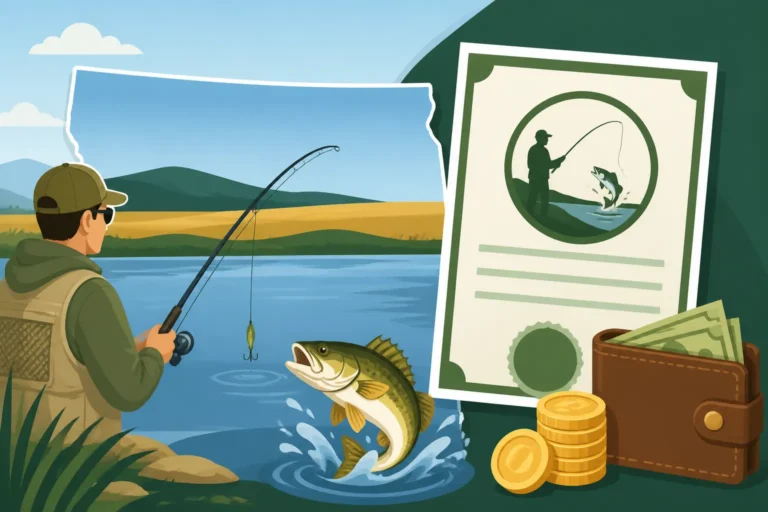
It's incredibly frustrating when you just want to drop a line in the water on your own land, but the rules and regulations around fishing licenses and certificates feel like a tangled mess. For North Dakota landowners, there's often confusion about whether they truly need that extra "fishing certificate" to enjoy a quiet afternoon on their private waters. This guide is here to untangle that knot, explain the specific exemption available, and help you understand when you can fish freely on your property without extra paperwork, and when you still need to follow the standard licensing requirements.
Deciphering North Dakota's Fishing, Hunting, and Furbearer Certificate
Before we dive into the exemptions, let's clear up what this certificate actually is and why it exists. The "Fishing, Hunting, Furbearer Certificate" isn't a fishing license itself, but rather a prerequisite for purchasing most annual fishing, hunting, and furbearer licenses in North Dakota. Think of it as a base fee, a foundation upon which your actual licenses are built. It's often misunderstood, with many people assuming their annual fishing license is the only thing they need.
The North Dakota Game and Fish Department (NDG&F) uses the revenue from this certificate to help fund wildlife management, conservation efforts, and the general operations that keep our outdoor opportunities healthy and thriving across the state. It's a vital part of the funding structure. So, if you're planning on buying a regular annual fishing license, a small game license, or anything similar, you'll almost always need to purchase this certificate first. It's a one-time annual purchase, not tied to each individual license. You can find more details about its purpose in our guide: What Is the Fishing, Hunting, Furbearer Certificate For?.
The General Rule for Anglers
For the vast majority of anglers in North Dakota, acquiring the Fishing, Hunting, Furbearer Certificate is the first step before they even think about buying their actual fishing license. This applies whether you're a resident casting lines into Lake Sakakawea, a nonresident visiting Devils Lake, or simply someone enjoying an afternoon on a local reservoir. Without it, you can't proceed to buy the annual license that permits you to fish in public waters. This can often catch folks off guard, especially if they're new to the state or haven't bought a license in a few years, leading to a frustrating extra step at the point of sale.
The certificate is typically valid from January 1st to December 31st of the calendar year it's purchased in, aligning with the state's licensing year. So, if you bought your fishing license in April, your certificate would still expire on December 31st, regardless of when you made the initial purchase. This structure helps streamline the licensing process for the state but can feel a bit clunky for individual users who only fish occasionally or at specific times of the year. The cost is usually pretty standard, and you can get an idea of the current fees by checking out our North Dakota Fishing Certificate Fee Amount guide.
Why Landowners Feel Confused
Now, here's where the frustration really sets in for landowners. Many farmers and ranchers have private dugouts, ponds, or even small lakes entirely contained within their property lines. It feels inherently unfair to have to buy a certificate and a license to fish in a body of water that you own and maintain yourself. This sentiment is completely valid, as it's your land, your water, and often your hard work that created or maintains that fishing opportunity.
The good news is, the North Dakota Game and Fish Department recognizes this distinction and has specific provisions to address it. You're not alone in feeling this way, and thankfully, there are exemptions designed for exactly these scenarios. However, the devil is in the details, and understanding those nuances is crucial to ensure you're compliant with the law and don't accidentally find yourself facing penalties for fishing without a license.
Eligibility for the North Dakota Landowner Fishing Certificate Exemption
Alright, let's get to the heart of the matter: when can a North Dakota landowner skip the fishing certificate? The exemption is quite specific and revolves around the concept of private land and private waters. It's not a blanket exemption for all fishing on your property, but rather for fishing in waters that are truly yours.
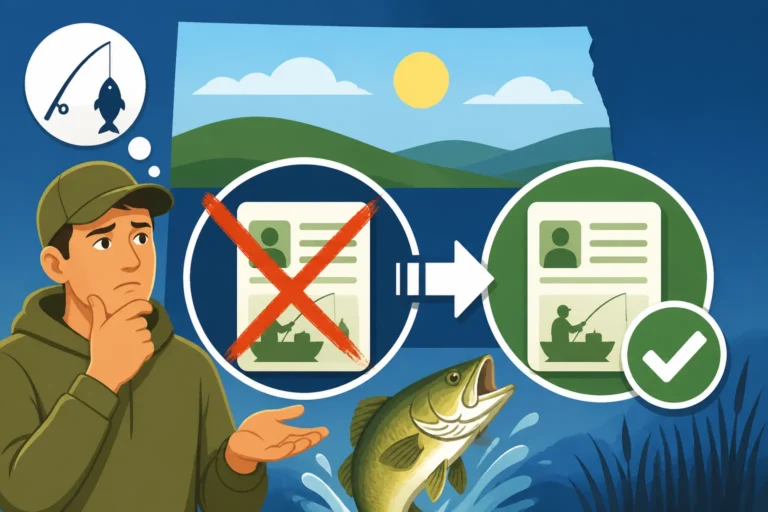
The North Dakota Game and Fish Department's regulations state that an owner or tenant of farmland or ranchland, who is a resident of North Dakota, is exempt from purchasing the Fishing, Hunting, and Furbearer Certificate when fishing in private waters located on their own land. This is fantastic news for many, but let's break down those key terms.
Defining "Owner or Tenant of Farmland or Ranchland"
First off, who qualifies as an "owner or tenant"?
- Owner: This refers to an individual who holds legal title to the farmland or ranchland. This is straightforward; if the deed is in your name, you're the owner.
- Tenant: This includes individuals who lease or rent farmland or ranchland for agricultural purposes. So, if you're farming or ranching a property under a lease agreement, you can also qualify for this exemption. This is important because many operations in North Dakota are run by tenants, not just direct landowners.
It's also crucial to note the "resident of North Dakota" clause. This exemption specifically applies to residents who own or tenant land in the state. If you own land in North Dakota but reside in Minnesota or Montana, you would likely not qualify for this specific certificate exemption, and would instead fall under nonresident licensing rules for fishing, even on your own property.
What Exactly Are "Private Waters"?
This is arguably the most critical distinction. "Private waters" generally refer to bodies of water that are entirely contained within the boundaries of your privately owned or leased land and do not have a natural outlet or inlet that connects them to public waterways.
- Dugouts and Ponds: These are the most common examples. If you dug a pond, or if there's a natural depression that holds water that is entirely on your property and doesn't connect to any streams, rivers, or lakes that are considered public, then it's a private water.
- Small Lakes/Reservoirs: In some cases, a small lake or reservoir might be entirely situated within a single landowner's property, without any public access points or connections to other waterways. If this is the case, it would also be considered private water.
The key here is isolation. If the water is essentially a closed system on your land, it's usually considered private. This is what differentiates it from a public water body, even if that public water body happens to flow through your private land. This nuanced distinction can sometimes be a source of confusion, but it's vital for understanding the limits of the exemption. If you're wondering about fishing without a license on private land generally, our guide Do You Need a Fishing License to Fish on Private Land in North Dakota? offers broader context.
Scenarios Where the Exemption Applies (and Doesn't)
Let's walk through some real-world examples to clarify when this certificate exemption comes into play and, just as importantly, when it doesn't.
Scenario 1: The Classic Private Dugout or Pond
Imagine you're a farmer near Jamestown with several dugouts on your property used for livestock. You've noticed some decent panfish and maybe even a few largemouth bass have taken hold. You want to spend a relaxing evening with a simple rod and reel, catching some dinner.
- Does the exemption apply? Yes! Since these dugouts are entirely on your private land, have no connections to public waterways, and you're a North Dakota resident who owns or tenants that land, you are exempt from needing the Fishing, Hunting, Furbearer Certificate to fish in these specific dugouts.
- Do you need a fishing license? Technically, no. For truly private waters on your own land where public access is denied and there's no connection to public waterways, the requirement for a state fishing license also often disappears. However, you'd still be expected to adhere to general conservation principles, even if not strictly regulated by the state for private waters.
Scenario 2: A River or Stream Running Through Your Property
Now, let's say your ranchland near Bismarck has a portion of the Missouri River or one of its tributaries like the Heart River flowing directly through it. You have exclusive access to the banks on your property and often fish there.
- Does the exemption apply? No, probably not for the certificate, and definitely not for the license. Even though the river is on your private land, the Missouri River (and most named rivers and large streams in North Dakota) are considered public waterways. This means that while you might control physical access to your banks, the water itself is public.
- Do you need a fishing license and certificate? Absolutely. To fish in public waters, even those flowing through your private property, you will need both the annual Fishing, Hunting, Furbearer Certificate and a valid North Dakota fishing license. This often surprises landowners, but it's a critical distinction. Our North Dakota Fishing Regulations Explained guide provides more insights into why public waters are treated differently.
Scenario 3: Ice Fishing on Private Waters
What about when the mercury drops, and your private pond freezes over? Does the exemption still hold for ice fishing?
- Does the exemption apply? Yes, if the water body qualifies as private water, the exemption for the certificate and generally the license itself extends to ice fishing. You can drill a hole and fish without needing the certificate or license.
- Do you need to register an ice house? This is an interesting point. While you might not need a fishing license, if you're planning to leave an ice house overnight on your private pond, you might still want to be aware of regulations regarding fish house registration. Generally, these apply to public waters, but ensuring your private practices don't inadvertently create issues is always wise.
Scenario 4: Guests, Family, and Non-Landowners
You have a fantastic private pond, and your grandkids or friends want to come over and fish. Do they get to enjoy the same exemption?
- Does the exemption apply to them? Generally, no. The certificate exemption is specifically for the owner or tenant of the land. Your guests, including family members (unless they are also registered tenants on the property), would typically need their own valid North Dakota Fishing, Hunting, Furbearer Certificate and an appropriate fishing license to fish on your property, even in your private waters. This is a common point of misunderstanding and can lead to issues if not properly addressed.
- Youth exemptions: Remember that children under a certain age (currently 16, but always check the latest regulations) are often exempt from needing a fishing license in North Dakota, even in public waters. So, if your grandkids are young enough, they might not need a license or certificate anyway. Always refer to Fishing License Age Requirements in North Dakota for the most current rules.
For those who do need licenses or simply want to enhance their private fishing experience, it's worth noting that essential gear, from fishing rods to bait buckets, can easily be found on platforms like Amazon, making it convenient to stock up.
Here’s a quick summary table to help clarify:
| Scenario | Water Type | Certificate Needed? | Fishing License Needed? | Notes |
|---|---|---|---|---|
| ND Resident fishing own private dugout/pond | Private Water | No (Exempt) | No (Exempt) | Applies to owner/tenant. Water must be entirely contained on private land with no connection to public waterways. |
| ND Resident fishing river on own property | Public Water (on private land) | Yes | Yes | Rivers, large streams, and lakes that flow through or border private land are generally considered public waters, even if access is limited. |
| Non-resident fishing private dugout/pond | Private Water | Yes | Yes | Exemption is for North Dakota residents only. Non-residents must purchase certificate and license, even on their own private land in ND. |
| Guest/Family fishing private dugout/pond | Private Water | Yes | Yes | Unless the guest is under the age requirement for a license (e.g., under 16 in ND) or is a registered tenant, they will need their own certificate and license. |
| Ice fishing on own private dugout/pond | Private Water | No (Exempt) | No (Exempt) | Same rules as open water. Ensure fish house registration rules are understood if applicable (usually only for public waters). |
| Fishing from shore on public lake/river | Public Water | Yes | Yes | Even if fishing from your own shoreline on a public lake or river, the certificate and license are required. Refer to Do You Need a License to Fish From Shore in North Dakota? for more. |
The Broader Implications of This Exemption
Understanding this exemption isn't just about saving a few dollars; it's about respecting the land, the rules, and the spirit of North Dakota's outdoor heritage.
Empowering Landowners
This exemption acknowledges the unique position of landowners and their contributions to the landscape. Many private ponds and dugouts are carefully managed by their owners, sometimes stocked, and often provide valuable local fishing opportunities that aren't available on public lands. By exempting them from the certificate (and often the license itself for truly private, self-contained waters), the state essentially says, "We trust you to manage your own resource." This empowers landowners to enjoy their property without unnecessary bureaucratic hurdles.
However, even with the exemption, it's a good idea to stay informed about North Dakota Fishing Season Dates and Limits. While bag limits and seasons might not be strictly enforced on truly private waters, understanding sustainable practices helps ensure your private fishery remains healthy for years to come.
Responsibility Comes With Freedom
While the exemption offers freedom, it also carries responsibility. Even if you don't need a state fishing license or certificate for your private pond, you're still part of the broader North Dakota ecosystem. This means being mindful of things like:
- Aquatic Nuisance Species (ANS): Never transfer fish or water from one body of water to another without proper precautions. Introducing species like zebra mussels or Eurasian watermilfoil can devastate local ecosystems, even in private ponds. Always follow clean, drain, dry principles for any equipment used in different waters. You can learn more in our Aquatic Nuisance Species Rules for Boaters guide.
- Ethical Angling: Practicing catch-and-release responsibly, not overharvesting, and generally treating fish with respect is always the right thing to do, regardless of whether a game warden is looking over your shoulder.
- Staying Informed: Regulations can change. It's always a good idea to briefly review the current North Dakota Fishing Proclamation annually, even if you primarily fish on your private land, just to ensure you're up-to-date on any shifts in definitions or rules that might indirectly affect you.
For those situations where a certificate is required, remember that purchasing licenses and certificates has become increasingly convenient. You can often do it online through the NDG&F website, via a mobile app, or at various retail vendors across the state. In some cases, you might even consider purchasing some general fishing gear, like a good multi-tool or a basic first aid kit, from a reliable online source like Amazon, just to be prepared for any fishing outing.
Ultimately, the North Dakota Fishing, Hunting, and Furbearer Certificate exemption for landowners is a sensible and welcome provision. It allows residents to enjoy their private waters without undue burden, recognizing the unique circumstances of owning or tenanting land. Just remember to understand the specific criteria for the exemption – particularly the difference between truly private waters and public waterways that happen to be on your property – to ensure your fishing adventures are always stress-free and legal.
Disclaimer
Please remember that fishing regulations and exemptions can change. While this guide provides comprehensive information based on current North Dakota Game and Fish Department rules, it is always your responsibility to consult the most recent official North Dakota Fishing Proclamation or contact the NDG&F directly for the absolute latest and most accurate information before engaging in any fishing activities. This guide is for informational purposes only and should not be considered legal advice.