Is It Safe to Use a Propane Heater in an Ice Shelter?
Oh, the North Dakota winter. There's nothing quite like the crisp, biting air out on the ice, but let's be real – staying warm is absolutely essential for a successful and enjoyable day of ice fishing. Many of us turn to trusty propane heaters to chase away the chill in our ice shelters, but a nagging question often surfaces: are they truly safe? This guide will dive deep into that question, explaining the critical safety considerations, best practices, and smart choices to keep you toasty and secure on the frozen waters.
The Essential Need for Warmth: Why Heaters Are So Popular and Necessary
When you're out on a frozen lake in North Dakota, sometimes it feels like the wind is trying to carve you into an ice sculpture. That bone-chilling cold isn't just uncomfortable; it can be downright dangerous. This is why a reliable heat source in your ice shelter isn't just a luxury; for many, it's a necessity for extended stays on the ice.
Battling the Bitter North Dakota Cold
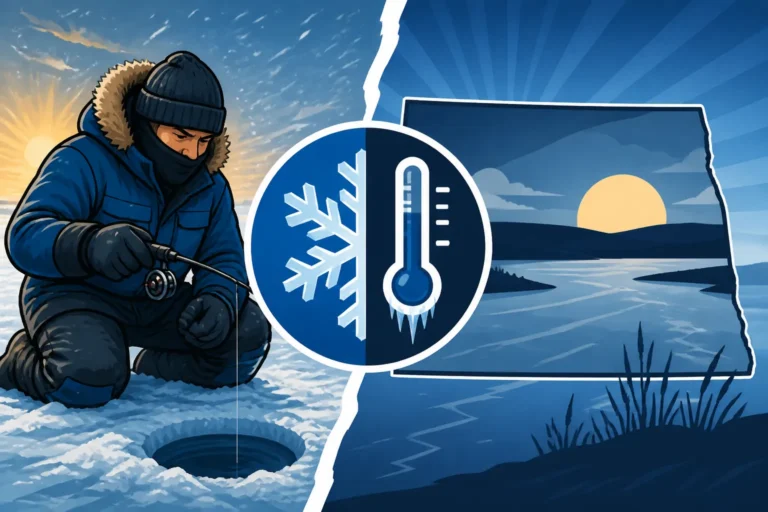
Let's face it, North Dakota winters are legendary for a reason. Temperatures can plummet well below zero, and when you add in that infamous prairie wind, the "feels like" temperature can be truly brutal. Sitting still in an ice shelter, focused on your transducer and jigging, your body can lose heat surprisingly quickly, even when bundled up. Frostbite is a real concern, and shivering, numb fingers can make handling gear or even unhooking a fish a miserable ordeal. We've all been there, trying to tie a tiny knot with mittened hands, or having our minnows freeze solid in the bucket. It's enough to make you pack up and head for home early, no matter how good the bite is. That's why having a warm haven, even if it's just a few degrees above freezing, can make all the difference between a memorable day on the ice and one you'd rather forget. How Cold It Gets Ice Fishing in North Dakota describes just how challenging these conditions can be.
The Appeal of Propane Power
Propane heaters have become the undisputed champions of warmth for ice anglers, and it's easy to see why. They're incredibly convenient, fire up instantly with the push of a button, and can quickly transform a frigid portable ice shelter into a cozy retreat. Unlike wood stoves, there's no chopping, hauling, or constant stoking of wood. They're relatively lightweight, especially the smaller models, making them easy to transport across the ice, whether you're using a sled or pulling them behind a snowmobile. Plus, a small propane tank can last for hours, providing consistent heat throughout your fishing session. For many, a portable propane heater, readily available at places like Bass Pro Shops or online at Amazon, is the first piece of essential gear they grab after their auger and fishing rods.
Understanding the Risks: What Makes Propane Heaters Potentially Dangerous
While propane heaters are fantastic for providing warmth, it's crucial to understand that they come with inherent risks if not used properly. It's not about fear-mongering, but rather equipping you with the knowledge to stay safe and enjoy your time on the ice without worry. Ignoring these potential dangers can turn a fun day into a serious emergency.
The Silent Killer: Carbon Monoxide (CO)
This is the biggest, most critical danger associated with using propane heaters in enclosed spaces like ice shelters. Carbon monoxide is often called the "silent killer" because it's completely odorless, colorless, and tasteless. You can't see it, smell it, or feel it, yet it's deadly. Propane heaters, like any combustion device, produce carbon monoxide as a byproduct of burning fuel. If the combustion is incomplete, or if there isn't enough oxygen, CO levels can quickly rise to dangerous concentrations. When you breathe in CO, it replaces oxygen in your bloodstream, essentially starving your vital organs of oxygen.
The insidious nature of CO poisoning is that symptoms often mimic other common ailments like a cold or flu. You might feel a headache, dizziness, nausea, fatigue, or confusion. In the cramped, low-light environment of an ice shelter, especially after a long day or with sleep deprivation, these symptoms can be easily dismissed until it's too late. Eventually, prolonged exposure leads to unconsciousness, permanent brain damage, and even death. This is why constant vigilance and the right safety equipment are absolutely non-negotiable.
Fire Hazards and Burns
Another significant risk comes from the heat itself. Propane heaters generate intense heat, both radiant (heat that directly radiates from the unit) and convective (heat that warms the air). This means there's a constant fire hazard if the heater is placed too close to flammable materials. Think about the thin fabric walls of your ice shelter, your fishing jacket, a sleeping bag, or even loose fishing line. A moment of carelessness, a strong gust of wind, or a bump can cause the heater to tip over, potentially igniting the shelter or its contents.
Beyond direct fire, there's also the risk of severe burns from touching the hot surfaces of the heater. Anyone who's accidentally brushed against a radiant heater knows that searing pain. In a confined space, especially with kids or pets, accidental contact is a real possibility. Always be mindful of the heater's position and ensure a safe perimeter.
Oxygen Depletion
This is a less talked-about but equally serious danger. For a propane heater to work, it needs oxygen to burn its fuel. In a small, sealed ice shelter, the heater is constantly consuming the oxygen in the air. If there isn't adequate fresh air circulating, the oxygen levels inside the shelter can drop to dangerously low levels. This not only makes the heater run inefficiently (leading to increased carbon monoxide production) but also directly affects you. Low oxygen can cause shortness of breath, confusion, impaired judgment, and eventually, loss of consciousness. It's a double whammy: you're creating CO, and you're depleting the very thing you need to survive. This is why proper ventilation isn't just about CO; it's about maintaining a breathable environment.
Safety First: Best Practices for Using a Propane Heater in Your Shelter
Alright, so we've covered the "why" and "what if." Now, let's get into the nitty-gritty of how to keep yourself and your fishing buddies safe when using a propane heater in your ice shelter. Following these guidelines isn't just a suggestion; it's a fundamental part of responsible ice fishing.
Ventilation is Non-Negotiable
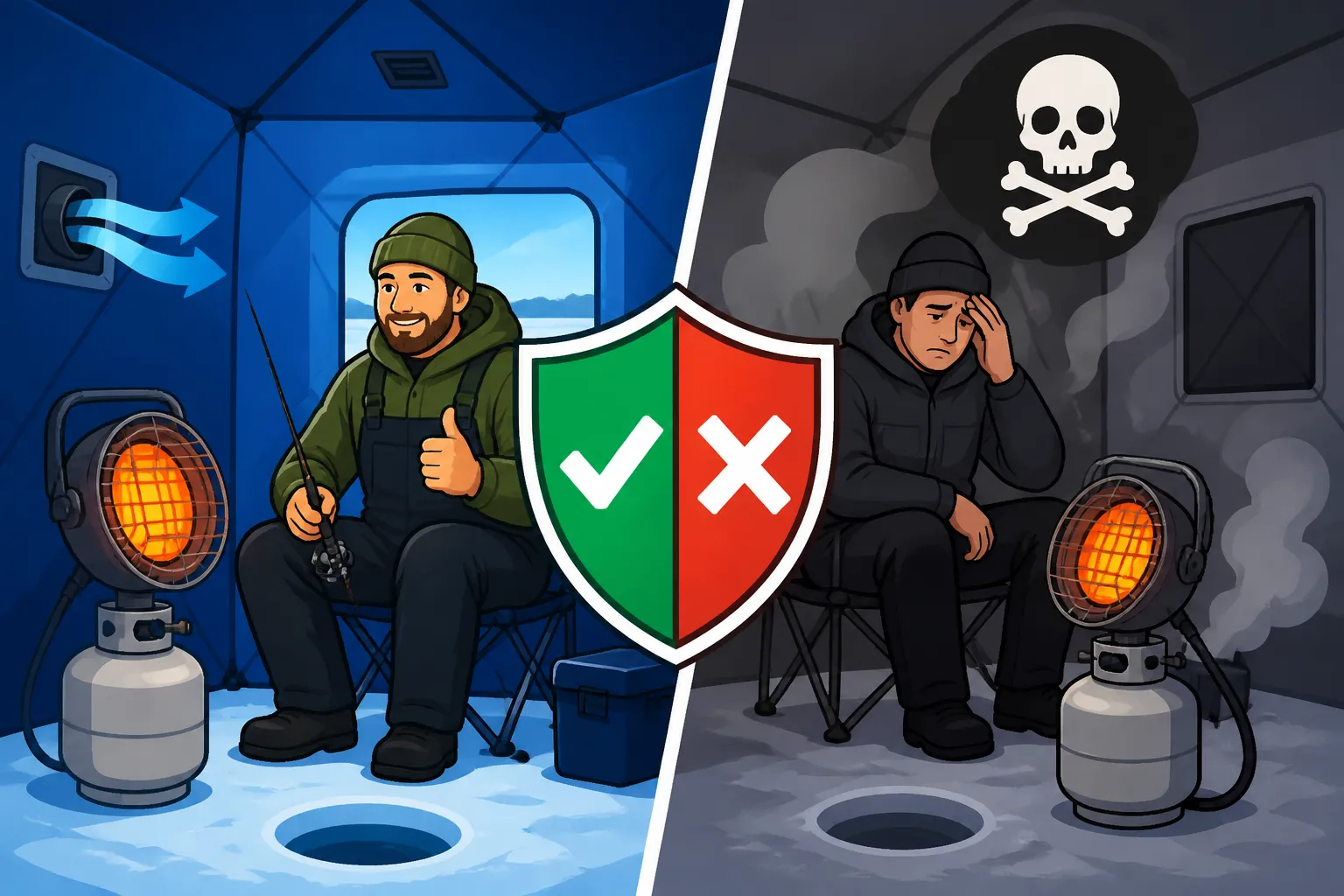
Seriously, if you take away one thing from this entire article, let it be this: you MUST ventilate your ice shelter when using a propane heater. Even heaters equipped with oxygen depletion sensors (ODS) are no substitute for good airflow. These sensors are a backup, not a primary safety measure. Think of your ice shelter, especially a portable pop-up or flip-over, as a very small, enclosed room. Without fresh air, the stale, CO-laden air and depleted oxygen will build up quickly.
Here’s how to ensure adequate ventilation:
- Built-in Vents: Many modern ice shelters, like those you'd find at Bass Pro Shops, come with dedicated vents. Open them! These are designed for a reason.
- Door or Window Crack: If your shelter doesn't have specific vents, crack open a door or a window slightly. A gap of a few inches near the top and a similar opening near the bottom will create a cross-breeze, allowing fresh air to enter and stale air to escape. Remember, CO is slightly lighter than air, so top ventilation is important.
- Regular Air Exchanges: Even with vents open, it’s a good idea to periodically open a door wide for a minute or two to completely refresh the air inside, especially if you're feeling any symptoms or if your CO detector gives a warning.
- Consider the Wind: Position your shelter so that wind can assist with cross-ventilation, but not so much that it's blasting cold air directly onto you or the heater. Best Portable Ice Shelters for Wind will give you ideas on how to manage your shelter in tricky conditions.
Carbon Monoxide Detectors: Your Lifeline
You absolutely, positively, unequivocally need a battery-operated carbon monoxide detector in your ice shelter. This is not optional. It is your only reliable warning system for the invisible, odorless gas. Many seasoned anglers consider this the most important piece of safety gear, even more so than a life jacket when on solid ice.
Here’s what to look for and how to use it:
- Battery-Operated: Make sure it's specifically designed for camping or RV use, as these are typically more robust and sensitive. Avoid relying on models designed for home use, which might require an electrical outlet or have different sensitivity levels.
- Test Regularly: Before every trip, test your CO detector to ensure the batteries are fresh and the unit is functioning correctly. Cold weather can drain batteries faster, so carry spares.
- Proper Placement: Place the detector at roughly head height or a bit lower, as CO mixes with the air and doesn't just sit at the bottom or top. Don't put it directly next to the heater or near a vent where it might get false readings. A good spot is clipped to a crossbar or hanging from a loop near where you'll be sitting.
- Multiple Detectors: For larger shelters, consider using two detectors on opposite sides for redundant protection.
- Don't Ignore Alarms: If your CO detector goes off, even for a moment, take it seriously. Immediately shut off your heater, open all doors and windows, and get out of the shelter into fresh air. Do not re-enter until the air has cleared and you've identified and fixed the issue. You can easily find reliable CO detectors at outdoor retailers or on Amazon.
Proper Placement and Securing the Heater
Where you put your heater inside the shelter is crucial for preventing fire and burns. Treat it like an open flame (even if it's technically radiant heat) and give it plenty of space.
- Clearance: Maintain a minimum of one to two feet of clearance around the heater from all flammable materials. This includes the walls and ceiling of your shelter, your clothing, fishing lines, bait buckets, and anything else that could catch fire or melt.
- Stable Surface: Always place the heater on a flat, stable, non-flammable surface. Many portable heaters have wide bases to help prevent tipping, but don't rely solely on that.
- Secure It: In windy conditions or if you're prone to bumping things, consider securing your heater. You can use bungee cords to tie it to a solid structure within the shelter or place it in a milk crate with some weight to make it less likely to tip over. Remember that even heaters with tip-over switches aren't foolproof.
- Traffic Flow: Place the heater out of the main pathway of foot traffic to minimize the chance of accidental contact or knocking it over.
Fuel Management and Heater Maintenance
Handling propane tanks and maintaining your heater are key steps often overlooked but critical for safety.
- Tank Safety: Always store propane tanks upright and outside your shelter when not in use. When connected, ensure all connections are tight and leak-free. You can check for leaks by spraying a soapy water solution on the connections; if bubbles appear, you have a leak. Never store extra propane tanks inside your heated shelter.
- Refueling Outdoors: If your heater uses smaller, disposable propane cylinders, always change them outside the shelter. Even a small leak during a tank change can release a significant amount of propane gas, which is highly flammable and heavier than air, meaning it will pool near the floor.
- Regular Inspection: Before each season, and periodically throughout, inspect your heater. Look for any signs of damage, rust, clogged burners, or frayed wires (if it has an igniter). Clean any dust or debris from the intake and exhaust vents. A well-maintained heater runs more efficiently and safely.
- Follow Manufacturer Guidelines: Always read and follow the specific instructions and warnings provided by the heater manufacturer. Each model might have unique features or requirements.
Choosing the Right Heater for Your Ice Shelter
Not all propane heaters are created equal, especially when it comes to use in a small, enclosed space. Making an informed choice can significantly boost your safety and comfort.
Portable Heaters Designed for Enclosed Spaces
When you're shopping for an ice fishing heater, prioritize models specifically designed for use in tents, cabins, or ice shelters. These units often come with crucial safety features that many other heaters lack.
- Oxygen Depletion Sensor (ODS): This is a non-negotiable feature. An ODS monitors the oxygen levels in the surrounding air. If oxygen levels drop to an unsafe threshold, the sensor will automatically shut off the heater. While not a replacement for ventilation, it's a vital secondary safety mechanism.
- Tip-Over Switch: Another essential safety feature. If the heater is accidentally knocked over, a tip-over switch will automatically cut off the fuel supply, preventing a potential fire or gas leak.
- Radiant vs. Convective: Most ice fishing heaters are radiant heaters, meaning they heat objects directly (like you!) rather than just the air. This is efficient in a small space. Ensure the radiant surface is protected from direct contact with curious hands or flammable materials.
- BTU Rating: Heaters come in various BTU (British Thermal Unit) ratings, which indicate their heating power. Match the BTU output to the size of your shelter. Too small, and it won't keep you warm; too large, and it might make the shelter uncomfortably hot and consume oxygen too quickly. A smaller, well-ventilated heater is always safer than an oversized one. You can find a good selection of heaters designed for ice fishing at Bass Pro Shops, and often with detailed descriptions of their safety features.
Alternatives and Supplementary Warmth
Even with the best heater, smart layering and other warmth strategies can make a big difference, and some anglers prefer alternatives entirely.
- Layer Up! The most fundamental rule of staying warm in North Dakota is layering your clothing. Start with a moisture-wicking base layer, add an insulating middle layer (fleece, down), and top it with a windproof, waterproof outer shell. This allows you to adjust your warmth as conditions change. What to Wear Ice Fishing in North Dakota has some excellent advice on this.
- Insulated Shelters: An insulated ice shelter will hold heat much better than a non-insulated one, reducing the heater's workload and propane consumption. This also means you can often get away with a smaller heater. Many brands offer insulated models. Best Insulated Ice Shelter for Extreme Cold goes into more detail.
- Body Warmers: Chemical hand and foot warmers are fantastic for supplementing your heater. Tuck them into gloves, boots, or even pockets to keep extremities toasty. They can be a real lifesaver on bitter cold days.
- Thermal Boots and Gloves: Invest in high-quality, heavily insulated boots and gloves designed for extreme cold. These can make a huge difference in your comfort, even if your shelter isn't perfectly warm. Best Cold Weather Boots for Ice Fishing can help you choose.
- Passive Warmth: For longer trips or larger groups, some anglers opt for heavily insulated "fish houses" that might have a dedicated vented stovepipe for a wood stove or a permanently installed, externally vented propane furnace. These are much different from portable shelters and are beyond the scope of this discussion, but they illustrate that proper venting for combustion is universal.
Ultimately, using a propane heater in your ice shelter can be perfectly safe and comfortable, provided you prioritize safety above all else. Never cut corners when it comes to ventilation and always, always use a CO detector. Stay warm, stay safe, and enjoy those incredible North Dakota hardwater adventures!
| Safety Feature | Description | Why It's Important |
|---|---|---|
| Ventilation | Openings in the shelter (vents, cracked door/window) for fresh airflow. | Prevents carbon monoxide buildup and oxygen depletion, ensuring breathable air. |
| Carbon Monoxide (CO) Detector | Battery-operated device that alarms when CO levels are dangerous. | Provides essential early warning for the odorless, colorless, deadly gas. |
| Oxygen Depletion Sensor (ODS) | Heater shuts off automatically if oxygen levels drop too low. | Acts as a crucial backup safety mechanism if ventilation becomes inadequate. |
| Tip-Over Switch | Heater automatically turns off if it's accidentally knocked over. | Prevents fire hazards or fuel leaks from a fallen heater. |
| Proper Placement | Keeping heater clear of flammable materials and on a stable surface. | Minimizes fire risk and prevents accidental burns or damage to the shelter. |
| Regular Maintenance | Cleaning and inspecting the heater and connections. | Ensures efficient, safe operation and prevents malfunctions. |
Disclaimer
This article is for general informational purposes only and does not constitute professional advice. Laws, prices and regulations vary by location and change over time. Consult a qualified professional for guidance on your specific situation.