Do You Need a Flasher for Ice Fishing?
It's a common dilemma for ice anglers, especially if you're just starting out or looking to elevate your game: do you really need a flasher to be successful on the hard water in North Dakota? Many seasoned anglers swear by them, while others stick to traditional methods. This comprehensive guide will break down exactly what a flasher does, its benefits, and help you decide if it's the right piece of equipment for your North Dakota ice fishing adventures.
Understanding What a Flasher Is and How It Works
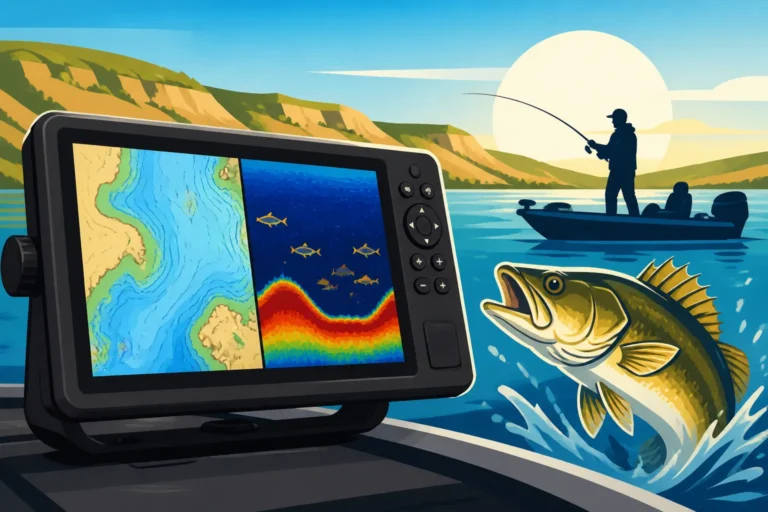
Before we dive into whether you "need" one, let's clarify what a flasher actually is and how it functions. Imagine a window into the underwater world, constantly showing you what's happening beneath your hole. That's essentially what a flasher provides. It's a specialized type of sonar, designed specifically for the unique demands of ice fishing.
Sonar Science Simplified for Ice Anglers
At its core, a flasher uses sonar technology. This means it sends out sound waves from a transducer, which is typically dropped into your ice hole. These sound waves travel down through the water column, bounce off objects like the lake bottom, fish, or your jig, and then return to the transducer. The flasher then interprets these echoes and displays them on a circular screen. The speed at which these sound waves travel and return allows the unit to calculate depth, while the strength of the echo helps determine the size and composition of the object. It's happening in real-time, giving you an instantaneous snapshot of the underwater world. Unlike some traditional fish finders that show a historical scroll, a flasher is all about the immediate present. You're not looking at what was there seconds ago, but what's there right now. This immediacy is one of its greatest strengths.
Think of it like this: you're blindfolded, and someone is dropping objects into a pool. With just your ears, you can hear splashes, but you don't know where the object is or what it is. Now, imagine a friend describing everything happening in the pool, in real-time – "A small pebble just hit the bottom at 15 feet… now a fish is swimming up from 20 feet, heading towards where you dropped that lure!" That's the kind of detailed, instant feedback a flasher offers. It transforms a guessing game into a game of real-time strategy, especially crucial when you're targeting elusive fish like walleye or perch that might be finicky.
Interpreting the Colorful Display on Your Ice Flasher
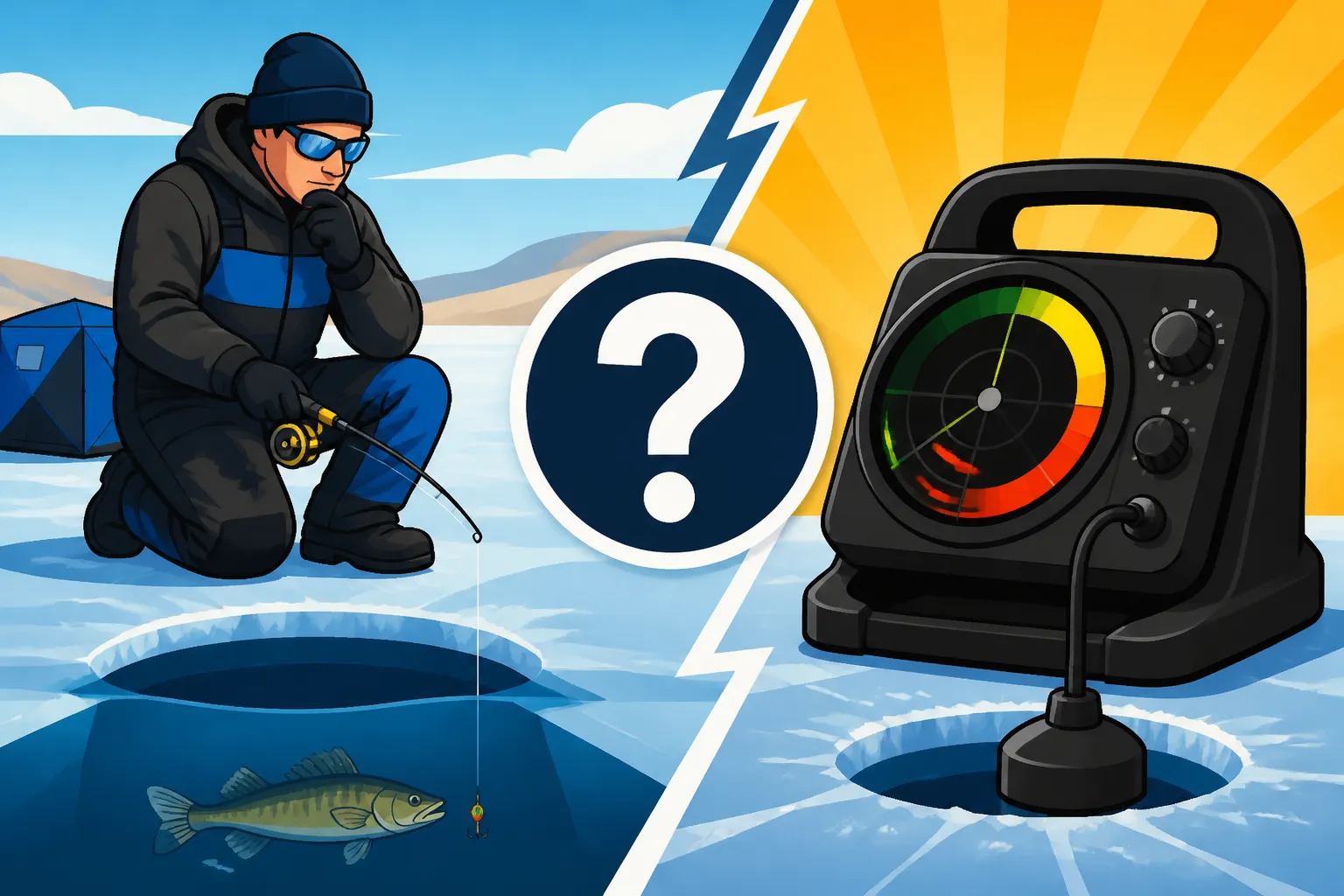
The display on most flashers is a circular dial with colored lights. These colors usually represent the strength of the sonar return. Typically, a weak return might show up as green, a medium return as orange, and a strong return as red. The stronger the signal, the more solid the object. So, a red band often indicates the bottom or a very large fish, while a green or orange line might be your jig or a smaller fish. The segments light up as the sound waves return, creating a dynamic, ever-changing picture. Your jig will show up as a consistent band of color, and when a fish swims under your hole, another band will appear.
Learning to read this display takes a little practice, but once it clicks, it's incredibly intuitive. As you drop your jig, you'll see its signal descend towards the bottom. You'll quickly differentiate your bait from a fish based on its movement and consistency. If you're jigging a spoon, you'll see that spoon signal rise and fall with your rod tip. When a fish moves in, you'll see a separate, often erratic, signal appear near your lure. The depth is indicated by numbers around the dial, showing you precisely how far down everything is. Some flashers offer different zoom settings, allowing you to focus on a particular depth range, like the bottom ten feet, which is super handy when fish are hugging the lakebed. This instant visual feedback can literally tell you if a fish is approaching, investigating your bait, or even if it's hitting your lure without you feeling a bite.
The Game-Changing Advantages of Using a Flasher
For many, a flasher isn't just a gadget; it's a vital tool that dramatically improves their success and enjoyment on the ice. While you can catch fish without one, a flasher offers some undeniable advantages that can turn a slow day into a productive one, especially when fishing North Dakota's diverse waters, from Devils Lake Perch Fishing Spots to Lake Sakakawea Walleye Fishing Spots.
Seeing the Unseen: Real-Time Fish and Lure Tracking
The most significant benefit of a flasher is its ability to show you what's happening directly under your ice hole, in real-time. Without a flasher, you're essentially fishing blind, relying on feel and intuition. You drop your lure, wait for a bite, and hope for the best. With a flasher, however, you can see your lure, know its exact depth, and observe fish moving towards it. This immediate visual information is a game-changer. You'll see a fish approach from below, perhaps follow your lure as you raise it, or even dart in for a quick strike. This allows you to react instantly, adjusting your jigging cadence or depth to entice a bite.
Imagine you're targeting yellow perch on Devils Lake. You drop your tiny tungsten jig down, and on your flasher, you see its bright green signal appear. A moment later, a distinct orange band appears from below and starts rising directly towards your jig. You can then subtly lift your rod tip, making the jig dance, and watch as the fish reacts. Did it follow? Did it shy away? Did the orange band suddenly turn red, indicating a solid hit you might not have felt? This real-time interaction is incredibly engaging and educational. It teaches you how different retrieves affect fish behavior and helps you understand what presentations are working on a given day. You're no longer guessing; you're observing and reacting, which is a huge step up from traditional ice fishing. This alone can justify the investment for many anglers looking to increase their catch rate.
Decoding the Underwater World: Structure and Depth Insights
Beyond just seeing fish, a flasher provides crucial information about the underwater topography and depth. Knowing the exact depth of the bottom, whether it's hard or soft, and identifying any subtle changes in structure can be incredibly valuable. A flasher will typically show a wider, often red, band for a hard bottom (like rock or gravel) and a thinner, less intense band for a soft bottom (like mud). This distinction helps you understand the habitat you're fishing. Many species, especially walleye, prefer certain bottom types, or they might relate to specific structures like humps, points, or submerged weed lines.
For instance, when How to Ice Fish in North Dakota, knowing if you're over a subtle rise in the lakebed or a sharp drop-off can be the difference between catching fish and a skunk. The flasher allows you to precisely position your bait just above that structure, or to understand why fish might be congregating at a particular depth. If you're fishing a flat, featureless bottom, you might look for areas with more distinct signals, indicating something different. This real-time depth reading is also fantastic for finding transitions. Perhaps you're moving from 20 feet to 25 feet, and you notice fish consistently appearing at the 22-foot mark. The flasher empowers you to stay in that sweet spot, rather than blindly drilling holes and hoping to hit the right depth. It’s like having a detailed map that updates itself every second.
Responding to Fish Behavior: Adapting Your Presentation
A flasher doesn't just show you fish; it shows you how they're reacting to your bait. This immediate feedback loop is invaluable for refining your technique. You can experiment with different jigging motions, lures, or bait offerings and instantly see the fish's response. Is that walleye rocketing up to your lure aggressively, or is it slowly ascending, hesitating at a foot below your bait? This visual cue allows you to adapt on the fly.
If a fish is rising quickly, an aggressive jig might be just the ticket. If it's hesitant, perhaps a subtle quiver or simply holding the lure still for a few seconds will trigger a bite. You might notice fish shying away from a fast retrieve, prompting you to slow down. Conversely, if fish are ignoring your stationary bait, you'll know to impart more action. This constant observation and adjustment can dramatically improve your success rate. Without a flasher, you might spend hours using a retrieve that fish aren't interested in, simply because you have no way of knowing their reactions. With one, you're essentially having a conversation with the fish, learning what they want and giving it to them. This ability to dial in your presentation based on real-time behavior is a hallmark of truly effective ice anglers. When choosing among the Best Flasher Brands for Perch Fishing, remember that the visual feedback is key to this learning process.
Successful Ice Fishing Without a Flasher: It's Absolutely Possible!
While flashers offer significant advantages, let's be realistic: plenty of North Dakota anglers have caught untold numbers of fish on the ice long before these electronic marvels became commonplace. You absolutely can ice fish effectively without one. It often comes down to skill, experience, and understanding traditional methods.
Time-Honored Techniques: Relying on Skill and Sensation
Before flashers, anglers relied on a combination of innate fishing sense, learned experience, and subtle physical cues. This meant paying close attention to the feel of the bite, the way the line moved, or even slight changes in the bobber's position. Many traditional methods are still incredibly effective today. Techniques like deadsticking (leaving a rod stationary with live bait) or sight fishing in shallow, clear water don't necessarily require a flasher. A sensitive rod and reel, coupled with a good sense of touch, can tell you a lot about what's happening beneath the ice.
Anglers often learn to interpret the slightest tap on the line, the sudden slack, or the subtle weight change that indicates a fish has mouthed the bait. They develop a rhythm to their jigging, knowing how certain depths and structures typically hold fish. This reliance on sensation and accumulated wisdom is a skill in itself, refined over countless hours on the ice. Think of the old-timers who seemed to always know where the fish were and how to catch them. They didn't have electronics; they had developed a deep understanding of the lakes and fish behavior through direct observation and patient persistence. Using a basic bobber and knowing how to tie a good knot like the ones mentioned in How to Tie a Fishing Knot for Beginners can still put fish on the ice.
Situations Where a Flasher Isn't Your Only Option
There are definitely scenarios where a flasher, while helpful, isn't strictly necessary for a successful outing. If you're fishing very shallow water, especially clear water, you might be able to sight-fish, watching the fish and your lure directly through the ice hole. This is common in some panfish situations or smaller lakes with good visibility. Additionally, if you're fishing in a well-known, consistent spot where you already understand the depth and structure, you might feel less of a "need" for constant electronic feedback. If you're just enjoying a relaxing day and aren't focused on maximizing your catch, then the simplicity of traditional methods can be quite appealing.
Moreover, if you're fishing for aggressive species like northern pike with large baits or tip-ups, the visual feedback of a flasher might be overkill. Pike often hit hard, and the flag on your tip-up will tell you all you need to know. Many anglers also find success using a simple bobber or just feeling the weight of the bite, particularly for species like crappie or bluegill that can be less finicky. It really comes down to personal preference, fishing style, and the specific conditions you're facing. Sometimes, simplifying your setup allows you to focus more on the experience itself rather than the technology. When considering your overall Best Ice Fishing Gear for North Dakota, know that a flasher is one component, not the entire picture.
Making the Call: Is a Flasher the Right Investment for Your Ice Fishing?
Ultimately, the decision of whether or not to get a flasher comes down to your personal fishing style, goals, and budget. It's not a one-size-fits-all answer, but understanding the trade-offs can help you make an informed choice.
Balancing Cost, Experience, and Your Angling Goals
Flashers represent a significant investment, especially for higher-end models. Entry-level units can be found, but they still add to the overall cost of getting into ice fishing. If you're a casual angler who only goes out a few times a year, or if you're just starting and want to keep your initial costs low, you might prefer to master basic techniques first. On the other hand, if you're serious about ice fishing, want to maximize your success, and enjoy the technical aspect of fishing, a flasher can be an invaluable tool. Think about your goals: are you aiming to catch more fish, understand fish behavior better, or simply enjoy the peace and quiet? For those looking for competitive edge or to quickly learn new spots, the investment often pays off in increased catches and a faster learning curve.
Consider your experience level as well. Beginners can benefit from the visual feedback a flasher provides, as it helps them understand what a bite looks like even if they can't feel it. However, experienced anglers might already possess the intuition that a flasher offers. If you're someone who loves data and real-time interaction, a flasher will enhance your experience. If you prefer a simpler, more traditional approach, you might not feel the "need" for one. Looking at a variety of options on a site like Bass Pro Shops or Amazon can help you understand the range of features and price points available before you commit. You can also explore options like Best Ice Fishing Electronics and Fish Finders to see what fits your needs.
Integrating a Flasher into Your Gear Setup
If you decide a flasher is for you, integrating it into your existing ice fishing setup is usually straightforward. Most flashers come as self-contained units with a battery, transducer, and display, often housed in a carrying case that fits neatly into an ice fishing bucket or sled. You'll want to ensure you have a good Best Portable Power Station for Ice Fishing Electronics to keep it charged, especially on long days or multi-day trips. When you're out on the ice, you simply drop the transducer into your hole, turn it on, and you're ready to go. The learning curve for reading the display can be surprisingly quick for most people, especially after watching a few fish interact with your lure.
Many anglers find that once they start using a flasher, they rarely go without it. The insight it provides into the underwater world can be addictive, transforming fishing from a waiting game into an active pursuit. It allows for precise lure placement, immediate feedback on fish reactions, and a deeper understanding of the environment. Whether it's for chasing North Dakota Walleye Fishing Techniques or finding Yellow Perch and Panfish Daily Limits Explained, a flasher adds a layer of information that traditional methods simply can't match. For those looking to fully embrace modern ice fishing, it's definitely an option worth serious consideration.
Here’s a quick comparison to help you weigh your options:
| Feature | Ice Fishing with a Flasher | Ice Fishing Without a Flasher |
|---|---|---|
| Real-Time Info | Excellent: See fish, lure, and bottom instantly | Limited: Rely on feel, line movement, or visual cues in clear water |
| Fish Detection | High accuracy: Identifies fish presence and depth | Variable: Depends on bite sensitivity, fish aggressiveness |
| Lure Control | Precise: See your lure's exact depth and movement | Moderate: Judge depth by line markers or experience |
| Behavior Insight | High: Observe how fish react to different presentations | Low: Infer behavior only from successful/unsuccessful bites |
| Bottom ID | Good: Distinguishes hard vs. soft bottom, identifies structure | Limited: Feel bottom with jig, infer from depth changes |
| Learning Curve | Moderate: Takes practice to interpret display, but speeds learning | High: Develop intuition and feel over many seasons |
| Cost | Significant initial investment for the unit and accessories | Low: Basic rod, reel, line, and tackle |
| Portability | Good: Units often designed for easy transport and setup | Excellent: Minimal gear, very easy to move |
| Overall Control | Enhanced: More informed decisions, faster adjustments | Foundational: Develops core angling skills and patience |
Disclaimer
This article is for general informational purposes only and does not constitute professional advice. Laws, prices and regulations vary by location and change over time. Consult a qualified professional for guidance on your specific situation.