Penalties for Fishing Without a License in North Dakota
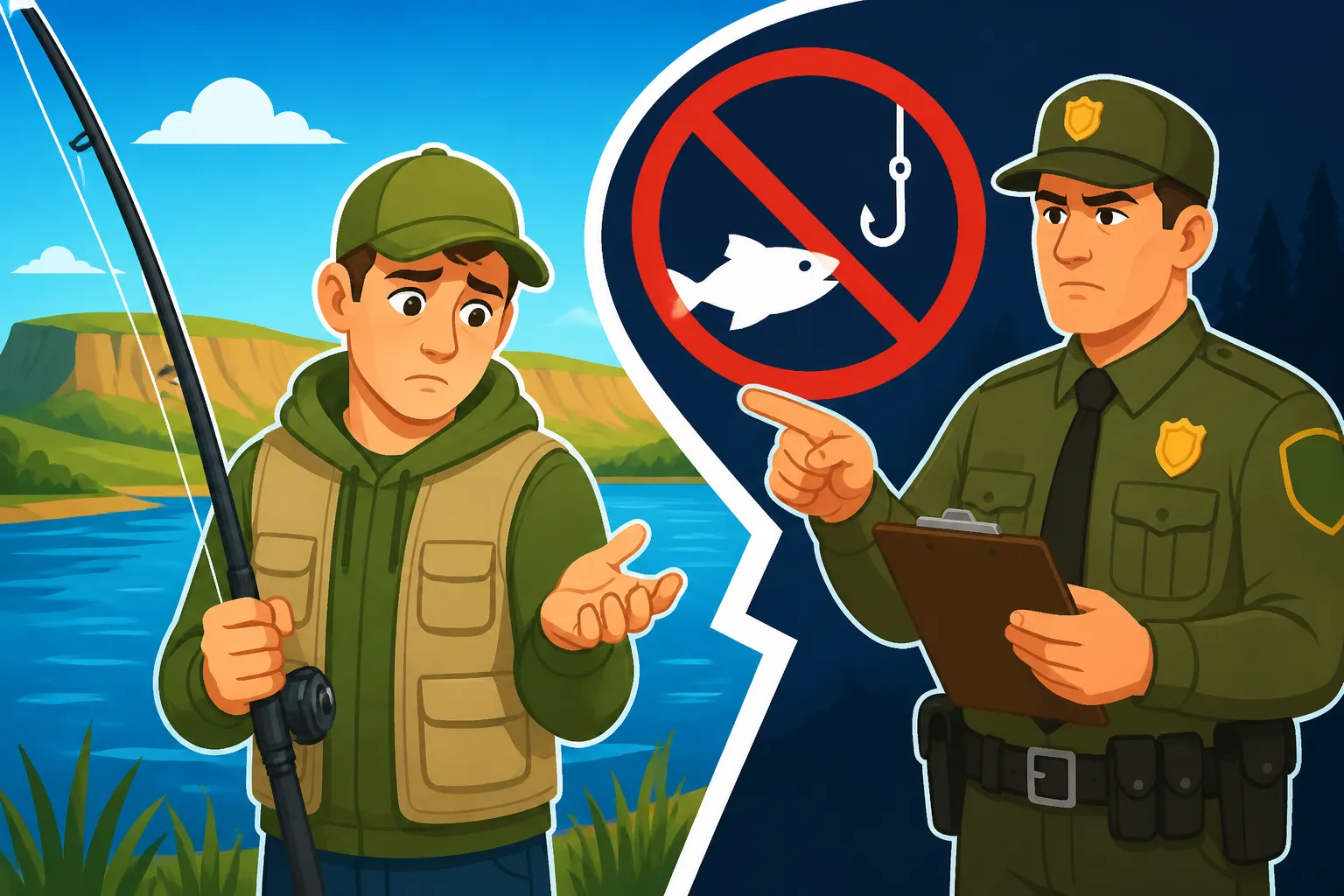
It's a familiar scenario for many of us: you're out on the water, the sun is shining, the fish are biting, and then a game warden pulls up. For most, it's just a routine check, but for a surprising number of anglers, this encounter reveals a significant oversight – fishing without a valid license. This seemingly minor infraction can lead to unexpected and often hefty penalties in North Dakota, turning a relaxing day into a stressful legal headache. This comprehensive guide will illuminate the specific consequences of fishing without a license in the Peace Garden State, helping you understand the legal landscape and ensuring your future angling adventures remain compliant and enjoyable.
The Non-Negotiable Necessity of a Fishing License in North Dakota
Fishing in North Dakota offers incredible opportunities, from the massive waters of Lake Sakakawea to the plentiful perch of Devils Lake. However, enjoying these waters comes with responsibilities, chief among them being properly licensed. The state takes its natural resources seriously, and a valid fishing license is the foundation of responsible angling here.
Who Needs a License and When
Generally speaking, anyone aged 16 or older needs a valid fishing license to fish in North Dakota. This isn't just a suggestion; it's a legal requirement. Whether you're a lifelong resident who has been fishing these waters since you were a kid, a newcomer to the state, or an excited visitor from out of state, the rule applies. There are different types of licenses to consider, such as annual resident licenses, North Dakota Nonresident Fishing License Options like the popular 3-day or 10-day options for visitors, and even combination licenses that cover both fishing and hunting. Each angler is expected to understand these distinctions.
Children under 16 years old are typically exempt from requiring a fishing license, which is wonderful for encouraging young anglers and families to get out and enjoy the sport together. However, even for the younger crowd, it’s crucial for accompanying adults to be aware of all other fishing regulations, such as daily limits and species-specific rules, as these apply regardless of age. If you're unsure about the specifics of who needs a license, a good starting point is our guide on Do You Need a Fishing License to Fish in North Dakota?, which breaks down the requirements in detail.
The Purpose Behind the Regulations
It might feel like just another bureaucratic hurdle, but fishing licenses play a critical role in the conservation and management of North Dakota's aquatic resources. The fees collected from license sales are directly channeled back into efforts that benefit the fisheries. This includes funding for fish stocking programs, habitat restoration projects, research into fish populations, and maintaining public access sites like boat ramps and fishing piers. Without these funds, the robust fisheries we enjoy today simply wouldn't be sustainable.
Furthermore, these regulations aren't just about money; they're about ensuring fair access and healthy fish populations for everyone. By requiring licenses, the North Dakota Game and Fish Department can better track angler numbers, assess fishing pressure on different species, and implement appropriate limits and seasons. This data-driven approach helps prevent overfishing, protects vulnerable species, and ensures that future generations of anglers will have the same, if not better, opportunities to enjoy North Dakota's fantastic fishing. It’s a collective responsibility, and purchasing a license is your direct contribution to that shared goal.
Deciphering the Immediate Penalties and Fines
Getting caught without a fishing license isn't just an embarrassing moment; it carries concrete legal and financial consequences. The North Dakota Game and Fish Department (NDGFD) takes these violations seriously, and ignorance of the law is generally not considered an excuse.
The Financial Burden of a First Offense
For most first-time offenders caught fishing without a license, the initial penalty will be a monetary fine. While the exact amount can vary depending on the specific circumstances and the discretion of the game warden, you can typically expect fines to be in the range of $150 to $250. This figure doesn't always include additional court fees and surcharges, which can quickly add another $50 to $100 or more, pushing the total cost even higher. Imagine planning a relaxing day on Devils Lake, only to end up with a several-hundred-dollar ticket – it's a stark reminder that preparation is key.
These fines are often assessed as a non-criminal civil penalty, meaning you might simply pay the fine and move on. However, the violation will still be recorded. It’s important to understand that if you're cited, you'll be given instructions on how to pay the fine, often through the county clerk of court or a state system. Failure to pay these fines by the due date can lead to additional penalties, including late fees, collection actions, or even a warrant for your arrest in more severe cases of non-compliance. Our guide on North Dakota Fishing Without a License Fine provides more specific details on current fine structures.
Repeat Offenses and Escalating Consequences
North Dakota has a tiered system for violations, meaning that repeat offenders face much stiffer penalties. If you're caught fishing without a license a second or third time, the financial burden will increase significantly. Fines for subsequent offenses can easily double or even triple, and you might find yourself facing mandatory court appearances rather than simply being able to pay a ticket by mail or online. These court appearances can mean lost wages from work, travel expenses, and the added stress of navigating the legal system.
Beyond increased fines, repeat offenses can elevate the charge from a civil infraction to a misdemeanor criminal offense. A criminal record, even for a minor offense, can have long-lasting implications for employment, housing, and other aspects of your life. The state keeps records of these violations, and game wardens have access to your history. This means that a minor oversight one year can quickly become a serious legal problem if you're not diligent about staying licensed in subsequent seasons. It's a clear message from the NDGFD: consistent compliance is expected.
Beyond Monetary Fines: Additional Repercussions
While the immediate fines can be a shock, the consequences of fishing without a license in North Dakota can extend far beyond a simple monetary penalty. These additional repercussions can impact your ability to enjoy fishing and hunting in the state for years to come.
License Suspension and Revocation
One of the most significant consequences for anglers caught without a license is the potential for license suspension or even outright revocation. The North Dakota Game and Fish Department has the authority to suspend your fishing privileges for a set period, which can range from a few months to several years, especially for repeat offenses or in conjunction with other violations. This means you wouldn't be able to legally purchase or use a fishing license anywhere in North Dakota during that suspension period. Imagine being unable to join friends or family on their annual fishing trip to Lake Audubon or the Missouri River because of a past infraction.
Furthermore, North Dakota participates in the Interstate Wildlife Violator Compact (IWVC). This agreement links member states, meaning that if your fishing license is suspended in North Dakota, that suspension can be recognized and enforced by other member states. So, a suspension here could prevent you from fishing in neighboring states like Minnesota, South Dakota, or Montana, or even as far away as Florida or California. This makes understanding North Dakota Fishing Regulations Explained and abiding by them not just a local concern, but a potentially national one for avid anglers.
Seizure of Equipment and Catch
Being caught without a license can also result in the confiscation of your catch and, in more severe cases, your fishing equipment. Any fish you've caught while unlicensed are considered illegally taken and will be seized by the game warden. This means all those walleye, perch, or catfish you worked so hard for will be gone, often donated to charity or disposed of. It’s a bitter pill to swallow after a successful day on the water.
In some situations, particularly if the violation is egregious, combined with other offenses (like exceeding limits significantly), or if you are a repeat offender, the game warden may also seize your fishing gear. This could include your rods, reels, tackle box, and even your boat or ice fishing shelter. While it's typically more common for more serious violations like poaching, the authority exists. Recovering confiscated equipment can be a lengthy and often costly legal process, sometimes involving court hearings and additional fees, assuming it's even returned at all. The value of your confiscated gear can easily exceed the initial fine, making this a very painful consequence.
Potential Jail Time and Community Service
While rare for a simple first-time license violation, fishing without a license can escalate to involve potential jail time or mandatory community service under certain circumstances. This typically occurs when the offense is coupled with other, more serious violations, such as commercial poaching, resisting arrest, providing false information to an officer, or if it's part of a pattern of multiple, unaddressed infractions. In North Dakota, a misdemeanor offense can carry a maximum penalty of up to 30 days in jail and a $1,500 fine, or both, as outlined in state law.
For example, if an individual is caught without a license but also has significantly over the legal limit of fish, or is found to be using illegal methods, the charges can quickly compound. A game warden's authority extends to enforcing all state laws, not just fishing regulations. If the situation involves any sort of evasion, obstruction, or other criminal activity, what started as a simple license check can quickly turn into a much more serious legal entanglement that could result in time behind bars or a court order to perform community service hours. This underscores the importance of not just having a license, but also understanding and adhering to all North Dakota Fishing Season Dates and Limits and general fishing laws.
Avoiding the Pitfalls: Ensuring You're Always Licensed
The best way to avoid any penalties for fishing without a license is, quite simply, to always have a valid one. This involves knowing where to get it, understanding what kind you need, and ensuring it's always accessible when you're out on the water.
Where and How to Purchase Your License
Getting a North Dakota fishing license is a straightforward process, thanks to several convenient options. The easiest and most recommended method for many is purchasing it online through the North Dakota Game and Fish Department's official website. This platform allows you to buy your license from the comfort of your home, and you can often print it immediately or save a digital copy to your phone. This method ensures you have a valid license before you even leave for your fishing trip.
For those who prefer a more traditional approach, licenses are also available at numerous retail vendors across the state. These often include sporting goods stores, bait shops, and even larger retailers like Walmart. These vendors are equipped to process your application and issue a license on the spot. Before heading out, you might want to check our guide on Where to Buy a North Dakota Fishing License to find a vendor nearest to your location. Additionally, North Dakota often provides options to purchase licenses through a dedicated mobile app, allowing for quick and easy acquisition directly from your smartphone, which is incredibly convenient when you decide on a last-minute fishing excursion. Remember, the goal is to make it as easy as possible to be compliant, so take advantage of these accessible options.
Understanding License Types and Expiration Dates
One common mistake that leads to penalties is simply misunderstanding the type of license needed or overlooking its expiration date. North Dakota offers various license options, and selecting the correct one is crucial. For residents, there's usually an annual license that covers a specific period, typically April 1st through March 31st of the following year. However, if you’re a non-resident visiting for a shorter trip, a Nonresident 3-Day Fishing License in North Dakota or a Nonresident 10-Day Fishing License in North Dakota might be more appropriate. These short-term licenses have very specific validity periods, and it’s easy to miscalculate if you’re not paying close attention.
It's your responsibility to know when your license expires. A good habit is to check the expiration date immediately after purchase and set a reminder for renewal. Many anglers simply assume their license is good for a full calendar year from the date of purchase, which isn't always the case with North Dakota's April 1st cycle. For detailed information on the validity period, consult our article on North Dakota Fishing License Expiration Date. Always double-check before heading out, especially if it's been a while since your last trip, or if you're approaching the end of the licensing year.
Carrying and Displaying Your License
Having a valid license is one thing; being able to present it when requested is another. North Dakota law requires that anyone fishing must carry their valid license on their person and be able to display it to a game warden or other authorized law enforcement officer upon request. This means having a physical copy, a printed copy, or a digital copy on your smartphone readily available. Simply having purchased it online without downloading or printing it doesn't count if you can't access it when asked.
Game wardens are out there specifically to enforce these regulations, and they have the authority to ask for your license. You can learn more about this in Can a Game Warden Check Your License in North Dakota?. It’s important to cooperate fully and politely. Fumbling around or claiming you left it in the car back at the ramp isn't going to make a good impression and could potentially lead to a citation even if you technically have a license. Many anglers now opt to carry a laminated card, a clear photo of their license on their phone, or use the official mobile app to ensure quick and easy presentation.
Special Exemptions and Considerations
While the general rule is that anyone 16 and older needs a license, North Dakota does have specific exemptions and special circumstances that can impact who needs one and when. Understanding these can save you a lot of hassle.
Who Might Be Exempt from Needing a License
Not everyone needs a fishing license in North Dakota, and it's important to know if you fall into one of these exempt categories. As mentioned earlier, children under the age of 16 are exempt, making it easier for families to introduce kids to fishing. This is a common age cutoff in many states, reflecting a desire to promote youth participation in outdoor activities. Additionally, North Dakota occasionally hosts "Free Fishing Days" where residents and sometimes non-residents can fish without a license for a specific period, usually a weekend. These are fantastic opportunities to try fishing or introduce a friend to the sport without the upfront cost of a license. Details on these dates can be found in our North Dakota Free Fishing Days article.
There are also exemptions for certain landowners. A North Dakota resident who owns or leases land and is fishing on their own land, within the boundaries of their deeded or leased property, might be exempt, provided the water is entirely enclosed within their property and does not connect to public waters. However, these situations can be nuanced, so it's always best to verify with the NDGFD if you believe you qualify for such an exemption. Furthermore, residents who are legally blind or have significant disabilities may also qualify for special licensing considerations or exemptions, often requiring specific documentation or application processes. It's always a good idea to check the most current regulations for these specific exemptions to ensure you're in compliance.
Reciprocal Agreements and Border Waters
North Dakota shares borders with several states, and these shared waters often come with unique licensing rules through reciprocal agreements. The most prominent example is the Red River of the North, which forms a significant portion of the border between North Dakota and Minnesota. Anglers fishing on the Red River often face confusion about which state's license is required. Thankfully, a reciprocal agreement typically allows you to fish the Red River with a valid fishing license from either North Dakota or Minnesota, regardless of which side of the river you are on. This simplifies things immensely for those who live near the border or travel between the states.
However, it’s critical to remember that while the license itself might be reciprocal, the fishing regulations (like length limits, daily creel limits, and season dates) for specific species might still adhere to the rules of the state you are physically in or the state whose license you hold. For instance, if you have a North Dakota license and are fishing from the Minnesota side of the Red River, Minnesota's size and creel limits might apply. This can be complex, and it’s always wise to familiarize yourself with the specifics of Reciprocal Fishing Rules on the Red River Border Waters before heading out. Other border waters, such as portions of the Bois de Sioux River, might also have similar agreements, but it's crucial to confirm the exact rules for your chosen fishing spot to avoid inadvertent violations.
What Happens When a Game Warden Approaches You
An encounter with a game warden is a normal part of fishing, but knowing how to handle it properly can make a big difference, especially if there's a potential issue with your license.
Rights and Responsibilities During an Encounter
When a North Dakota game warden approaches you, it's essential to remain calm and cooperative. They are law enforcement officers tasked with protecting natural resources and ensuring public safety, and they have the authority to enforce game and fish laws. Your primary responsibility is to comply with their lawful requests. This almost always includes presenting your fishing license and photo identification. If you are operating a boat, they may also ask for your boat registration and proof of any required safety equipment.
While you do have rights, such as the right to remain silent regarding questions that might incriminate you, you are generally required to provide your identification and license. Arguing with a warden, becoming uncooperative, or attempting to flee will only escalate the situation and can lead to additional, more serious charges, regardless of whether you initially had a license issue. Take a deep breath, listen to their instructions, and respond truthfully to factual questions. If you genuinely believe you are being treated unfairly or have your rights violated, document the interaction but remain cooperative in the moment, and address concerns through proper channels later.
Dealing with a Citation or Warning
If, after the interaction, the game warden determines you have violated a regulation (such as fishing without a license), they will typically issue you a citation. This document will outline the specific violation, the date and time, the location, and information on how to address the citation. For a license violation, it will usually include the fine amount and a due date for payment or a court date if a mandatory appearance is required. It's crucial to read the citation carefully and understand what's being asked of you.
You generally have two main options: pay the fine or contest the citation in court. If you believe the citation was issued in error or that you had a valid defense (e.g., you actually had a valid license but couldn't access it due to a technical glitch, and can prove it later), you have the right to appear in court to present your case. However, this often requires legal counsel and can be time-consuming and expensive. For a straightforward license violation, many people opt to simply pay the fine to resolve the matter. If you choose to pay, ensure you do so by the specified deadline to avoid further penalties. If you're confused about the citation or your options, you can contact the clerk of court in the county where the citation was issued for clarification.
Common Penalties for Fishing Violations in North Dakota
To give you a clearer picture, here’s a breakdown of some common fishing violations and their general penalty implications in North Dakota. Remember, these are typical scenarios, and individual cases can vary based on specific circumstances and judicial discretion.
| Violation Type | Typical Fine Range (1st Offense) | Additional Penalties (Potential) |
|---|---|---|
| Fishing Without a Valid License | $150 – $250 + court fees | License suspension (1-5 years), confiscation of illegal catch, potential seizure of gear, misdemeanor charge (repeat offenses), community service |
| Exceeding Daily Creel Limit | $100 – $300 per fish over limit | License suspension (1-5 years), confiscation of illegal catch, points on fishing record, misdemeanor charge (significant overages) |
| Using Illegal Gear/Methods | $100 – $500 + court fees | Confiscation of illegal gear, license suspension (1-5 years), misdemeanor charge |
| Aquatic Nuisance Species (ANS) Violation | $200 – $1,000 + cleanup costs | License suspension (1-5 years), mandatory ANS education, boat registration suspension, misdemeanor charge |
| Fishing During a Closed Season | $200 – $500 + court fees | License suspension (1-5 years), confiscation of illegal catch, misdemeanor charge |
| Failure to Display License on Demand | $50 – $100 + court fees | Can lead to fishing without a license charge if license is not actually valid or accessible |
This table clearly illustrates that fishing without a license is treated as a serious offense, often carrying penalties comparable to or even exceeding those for other common violations. It reinforces the importance of always being properly licensed and adhering to all North Dakota Fishing Regulations Explained to avoid these significant repercussions.
Disclaimer
The information provided in this guide is for general informational purposes only and does not constitute legal advice. Fishing regulations and penalties are subject to change. Always consult the official North Dakota Game and Fish Department regulations or a legal professional for the most current and accurate information.