Can a Game Warden Check Your License in North Dakota?
It's a common thought that probably crosses every angler's mind at some point: "Can a game warden really just walk up and ask to see my fishing license?" The short answer is a resounding yes, but the longer, more helpful answer dives into why they can, what their role truly entails, and what you can expect during such an interaction. This guide is here to clear up any confusion and help you understand the legal landscape of fishing in North Dakota, so you can focus on enjoying those beautiful waters with complete peace of mind.
The Authority of North Dakota Game Wardens
Let's cut right to it: North Dakota game wardens, officially known as Game and Fish Department agents, are fully authorized law enforcement officers. Their primary mission isn't just to hand out tickets; it's to protect North Dakota's precious natural resources and ensure that everyone has a fair and sustainable opportunity to enjoy them. This includes making sure anglers are playing by the rules, which ultimately benefits all of us who love to cast a line.
Understanding Their Role and Responsibilities
Think of a game warden as a specialized police officer for wildlife and natural resources. They go through rigorous training, often similar to state highway patrol officers, covering everything from criminal law and arrest procedures to wildlife management and environmental protection. Their patrol areas aren't confined to city streets; they encompass vast stretches of lakes, rivers, forests, and prairies.
Their responsibilities are incredibly broad. They enforce hunting, fishing, boating, and trapping regulations. This means they're out there ensuring that not only are people licensed, but also that they're adhering to bag limits, using legal gear, and practicing safe boating. They're also often involved in search and rescue operations, investigating wildlife crimes like poaching, and educating the public on conservation efforts. It's a challenging job that requires deep knowledge of both law enforcement and the natural world, all aimed at preserving North Dakota's unique outdoor heritage for future generations.
Legal Basis for License Checks
The power of a North Dakota game warden to check your fishing license isn't a random act; it's firmly rooted in state law. Just as a police officer can ask for your driver's license while you're operating a vehicle, a game warden can request your fishing license when you're engaged in fishing activities. The rationale is simple: fishing, hunting, and trapping are privileges, not absolute rights, and the state has a vested interest in regulating these activities to ensure conservation and fair play.
North Dakota Century Code, specifically under Title 20.1 related to game and fish, grants game wardens the authority to enforce all laws and regulations pertaining to wildlife. This includes the power to inspect licenses, permits, and even harvested fish or game. This authority extends across both public and private lands, as well as all waters within the state's jurisdiction. So, whether you're casting from a public pier on Devils Lake, trolling on Lake Sakakawea, or even fishing a private pond (unless it's truly enclosed and isolated without connection to public waters and you're the landowner), a game warden has the legal right to approach you and request to see your valid North Dakota Fishing License. This legal framework is essential for maintaining the integrity of our fishing regulations and protecting our fish populations.
What to Expect During a License Check
It's natural to feel a little bit of nerves when approached by any law enforcement officer, but an interaction with a game warden should typically be a straightforward and professional exchange. Knowing what to expect can help ease any apprehension and ensure a smooth experience for everyone involved.
The Standard Procedure
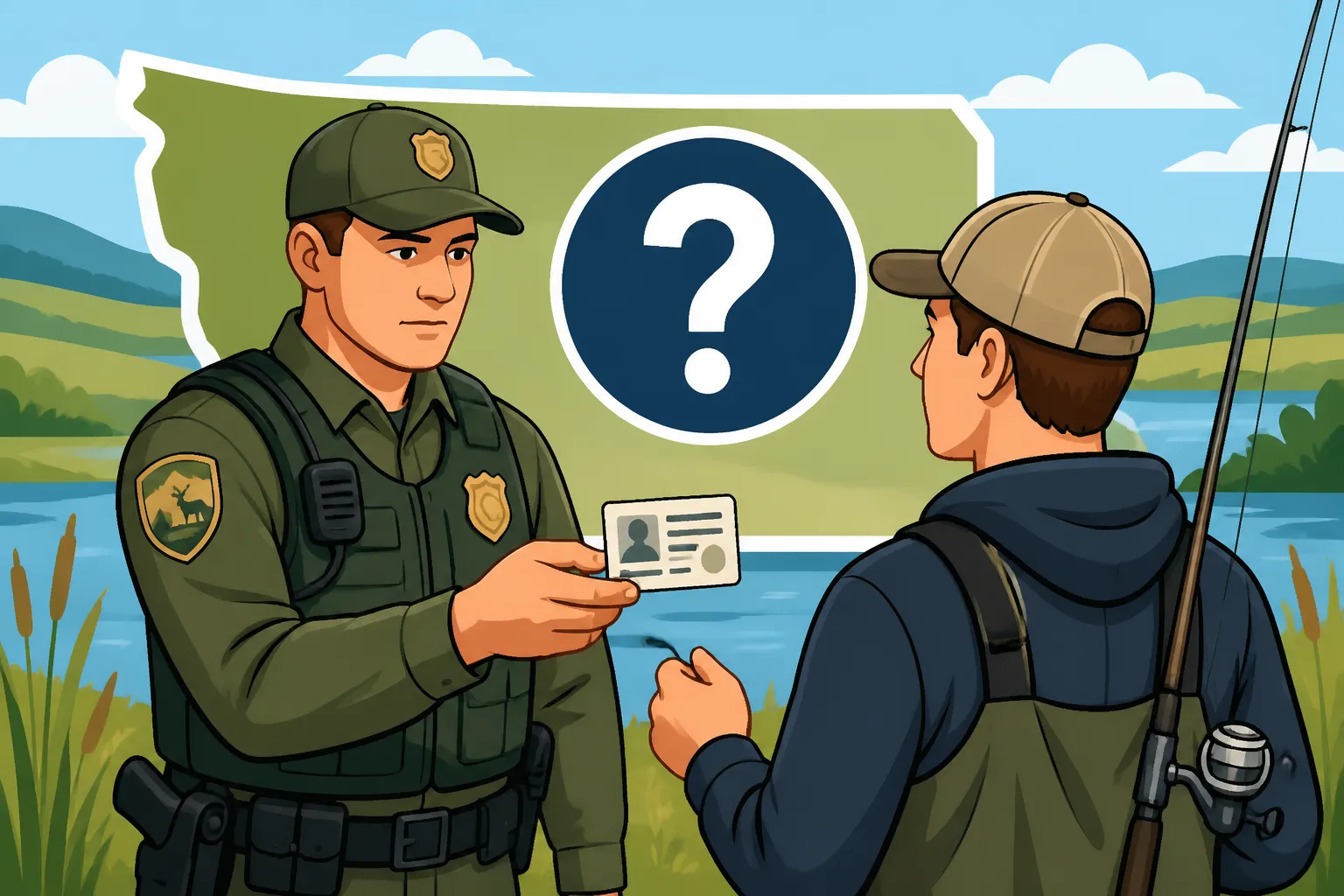
When a game warden approaches you, whether you're on shore, in a boat, or even on the ice, they'll usually identify themselves clearly, often in uniform and with their official vehicle or vessel. They will typically state their purpose – that they are conducting a routine check for fishing licenses and compliance with regulations. They will then ask you to produce your valid fishing license and, quite often, a form of personal identification, such as a driver's license.
During this interaction, it's best to be polite and cooperative. Have your license and ID readily accessible. The warden might also ask how your fishing day is going, what you're catching, or inquire about your specific fishing methods. They might want to see your fishing pole, your bait, or even the fish you've already harvested. This isn't because they suspect you of wrongdoing; it's part of their comprehensive check to ensure compliance with all aspects of the North Dakota Fishing Regulations Explained, including creel limits, size restrictions, and legal gear. The entire process is usually brief and respectful.
Digital vs. Physical Licenses
In today's digital age, many states, including North Dakota, have embraced technology to make life easier for anglers. Gone are the days when you absolutely had to have a physical, laminated card in your wallet. The North Dakota Game and Fish Department allows anglers to carry their license digitally. This means if you've purchased your license online, you can often display it on your smartphone or other mobile device.
When a warden asks for your license, you can simply pull up the digital version on your phone. However, there's a small but important caveat: your phone needs to be charged and the screen clear enough for the warden to read the information. While carrying a digital license is convenient, some anglers still prefer to print out a copy or purchase a physical card (available at many retail vendors like Walmart or through the North Dakota Game and Fish Department website) as a backup, especially if they're heading to remote areas where phone service might be spotty or if they're worried about battery life. Regardless of your preference, a valid and easily verifiable license is the key. Remember, you can easily renew your North Dakota Fishing License Renewal Date online when the time comes.
Beyond Just Your License: Other Things They Might Check
While the primary question is often about your license, a game warden's responsibilities extend far beyond just verifying that piece of paper or digital display. Their goal is comprehensive compliance, which means they'll be looking at several other aspects of your fishing activity to ensure everyone is playing by the rules and contributing to the health of North Dakota's fisheries.
Creel Limits and Size Restrictions
One of the most critical aspects of conservation is managing fish populations through creel limits (the maximum number of fish you can keep in a day or in possession) and size restrictions (minimum or maximum lengths for certain species). When a game warden approaches you, they will almost certainly inquire about and potentially inspect your catch. They'll want to see what fish you've kept and will often measure them to ensure they meet the legal North Dakota Walleye Size Limit Rules, or perhaps check that you haven't exceeded the North Dakota Northern Pike Daily Limit.
This is where having a measuring device and being familiar with the specific regulations for the body of water you're fishing becomes incredibly important. Regulations can vary from lake to lake, so what's legal on Lake Sakakawea might be different on Devils Lake. Keeping your caught fish separate from other anglers in your party, or clearly marked, can also make this process much smoother. These rules are in place to ensure that enough fish remain to reproduce and maintain healthy populations, so adherence is vital for the long-term enjoyment of fishing in North Dakota.
Gear, Baits, and Methods
Beyond the fish themselves, game wardens also inspect the gear and methods you're using. North Dakota has specific regulations on the number of lines you can fish with, certain types of nets, and even bait restrictions. For instance, while live bait is generally popular, there might be specific rules on certain waters regarding the use of minnows, especially to prevent the spread of aquatic nuisance species.
If you're ice fishing, a warden will certainly be interested in your setup. They might check your ice fishing shelter to ensure it meets size and identification requirements, especially if you're leaving it unoccupied. There are also specific Ice Fishing Shelter Rules on North Dakota Lakes regarding when shelters must be removed by. Even your boat can be part of the inspection, where they might check for proper North Dakota Boat Registration Requirements, necessary safety equipment, and invasive species compliance. They want to ensure that all anglers are using legal, ethical, and sustainable methods, which is why understanding the full scope of North Dakota Fishing Regulations Explained is so important. When purchasing new gear, it's worth checking out reputable online retailers like Amazon for things like measuring tapes, specific lures, or safety equipment to ensure you're fully prepared and compliant.
Boat Registration and Safety
If you're fishing from a boat, kayak, or canoe, a game warden's inspection will almost certainly include your vessel. North Dakota law requires most motorized and non-motorized watercraft to be registered with the North Dakota Game and Fish Department. This means they'll ask to see your boat registration, ensure the registration numbers are displayed correctly, and check for the Aquatic Nuisance Species (ANS) fee decal.
But it doesn't stop at registration. Boat safety is a huge part of a game warden's focus. They will conduct checks to ensure you have all the required safety equipment on board. This typically includes:
- Life Jackets (Personal Flotation Devices – PFDs): You must have one Coast Guard-approved life jacket for every person on board, and they must be readily accessible. Children under 13 are legally required to wear a life jacket when underway on any watercraft.
- Fire Extinguisher: If your boat has an enclosed fuel tank compartment or an inboard engine, you'll need a marine-rated fire extinguisher.
- Sound-Producing Device: A whistle, horn, or other sound device to signal in emergencies.
- Navigation Lights: If you're operating between sunset and sunrise, or in periods of restricted visibility, proper navigation lights are essential.
These checks are not meant to be a nuisance; they are for your safety and the safety of everyone else on the water. A faulty piece of equipment or a missing life jacket can turn a fun day on the water into a dangerous situation in an instant. Ensuring your boat is properly registered and equipped before you even launch is a crucial step for responsible angling in North Dakota.
Consequences of Non-Compliance
Nobody wants a fishing trip to end with a ticket, but understanding the potential consequences of not following North Dakota's fishing rules is crucial. Game wardens take their role in resource conservation seriously, and violations can lead to more than just a slap on the wrist.
Penalties for Fishing Without a License
The most common violation a game warden encounters is fishing without a valid license. This isn't just a minor oversight; it's a direct violation of state law. The Penalties for Fishing Without a License in North Dakota can vary depending on whether it's your first offense or if you're a repeat offender. Typically, a first offense for fishing without a license is considered a non-criminal infraction, resulting in a fine. The exact amount of the fine can fluctuate, but it's usually several times the cost of a fishing license itself, often in the range of a few hundred dollars.
Beyond the immediate fine, there can be additional implications. Convictions might lead to an assessment of points against your game and fish license, similar to points on a driver's license. Accumulating too many points could result in the suspension of your fishing (and potentially hunting) privileges for a period of time, meaning you wouldn't be able to legally fish in North Dakota even if you later obtained a license. In some cases, particularly for egregious or repeat offenses, more severe legal consequences could apply. This is why ensuring you have a current license, whether it's your North Dakota Resident Fishing License Options or a North Dakota Nonresident Fishing License Guide, before you cast a line is paramount.
Other Violations and Their Impact
While fishing without a license is a big one, other violations also carry significant penalties. Exceeding creel limits, possessing undersized fish, or using illegal gear can also result in fines and potentially loss of fishing privileges. For example, being caught with too many walleye or possessing fish that are under the legal minimum length for that specific body of water is a common issue. These violations directly impact the sustainability of fish populations and are treated seriously by the North Dakota Game and Fish Department.
Even seemingly minor infractions, like improper display of boat registration numbers or missing safety equipment, can lead to citations and fines. For more severe offenses, such as knowingly taking game fish illegally (poaching), the penalties can escalate to significant fines, criminal charges, seizure of equipment (boats, rods, reels), and lengthy suspensions of all hunting and fishing privileges.
It's clear that understanding and adhering to the comprehensive set of rules outlined in the North Dakota Fishing Regulations Explained isn't just about avoiding a ticket; it's about being a responsible angler and contributing to the conservation efforts that keep North Dakota's fishing opportunities vibrant.
Your Rights and Responsibilities During an Encounter
Knowing your rights and responsibilities during a game warden interaction is just as important as knowing the regulations themselves. A positive and respectful exchange benefits everyone and ensures your fishing trip remains enjoyable, even with a brief interruption.
Maintaining Respectful Interaction
The golden rule here is simple: be respectful and cooperative. Game wardens are law enforcement officers performing their duty to protect public resources. When approached, respond courteously. Provide your license and identification promptly when requested. Answer their questions honestly and to the best of your ability. Avoid arguing or becoming confrontational, even if you disagree with something or feel you've been unfairly targeted. You'll always have an opportunity to address concerns or dispute a citation through the proper legal channels later.
Remember, a game warden is there to enforce laws, but also to educate. Many wardens are passionate about conservation and are often happy to answer questions about regulations, fish identification, or even local fishing tips, once their official duties are completed. A friendly and respectful demeanor from both sides makes the interaction smoother and more pleasant for everyone involved.
Knowing When to Ask Questions
While cooperation is key, you also have the right to understand why you're being questioned or what specific regulation a warden might be addressing. If you're unsure about a rule or why a certain item is being inspected, it's perfectly acceptable to politely ask for clarification. For example, you might say, "Excuse me, officer, could you please explain the specific rule about leaving an ice shelter overnight after March 15th? I thought I understood the Ice Fishing Shelter Rules on North Dakota Lakes."
Asking questions in a non-confrontational way can help you understand the situation better and prevent future misunderstandings. It also shows the warden that you're engaged and interested in complying with regulations. However, always remember the distinction between asking for clarification and arguing. If a warden issues a citation, you can express your disagreement respectfully, but the time for debate is typically in a court of law, not on the lake. Understanding the rules, whether it's about the North Dakota Fishing License Cost Guide or the nuances of Do You Need a License to Fish From Shore in North Dakota?, ensures you're prepared for any interaction.
Game Warden Check Overview
Here's a quick look at what a North Dakota Game Warden can check and why:
| Item Checked | Purpose | Legal Basis |
|---|---|---|
| Fishing License | To ensure the angler has paid the necessary fees, is legally authorized to fish, and is contributing to conservation funds. | North Dakota Century Code (NDCC) Title 20.1 |
| Personal Identification | To verify the identity of the license holder and ensure the license belongs to the person using it. | NDCC Title 20.1 |
| Harvested Fish (Creel) | To ensure compliance with daily and possession limits (e.g., North Dakota Walleye Size Limit Rules, North Dakota Northern Pike Daily Limit) and size restrictions, preventing overharvesting. | NDCC Title 20.1; North Dakota Game and Fish Department Proclamation |
| Fishing Gear & Bait | To ensure legal methods are being used (e.g., number of lines, bait restrictions) and to prevent the spread of Aquatic Nuisance Species. | NDCC Title 20.1; North Dakota Game and Fish Department Proclamation |
| Boat Registration & Decals | To confirm the vessel is legally registered, the owner has paid the appropriate fees, and the Aquatic Nuisance Species (ANS) fee has been paid. | NDCC Title 20.1 (specifically Chapter 20.1-13 for Boat Registration Requirements) |
| Boat Safety Equipment | To ensure required safety items (life jackets, fire extinguisher, sound device, navigation lights) are present and accessible, promoting boater safety. | NDCC Title 20.1; US Coast Guard Regulations (adopted by ND) |
| Ice Fishing Shelter ID | To ensure shelters are properly marked with owner information and removed by specific deadlines, to prevent abandonment and hazards (Ice Fishing Shelter Rules on North Dakota Lakes). | NDCC Title 20.1; North Dakota Game and Fish Department Proclamation |
Disclaimer: This article is intended for informational purposes only and does not constitute legal advice. Fishing regulations in North Dakota can change, and it is the responsibility of every angler to consult the most current North Dakota Game and Fish Department proclamations and state laws before fishing.