Do Kids Need a Fishing License in North Dakota?
It can be incredibly confusing trying to figure out all the different rules and regulations when you're just trying to enjoy a simple day out fishing, especially when you're bringing the kids along. You want to make sure everyone's having fun, but you're also acutely aware that you don't want to accidentally run afoul of the law. This guide is here to clear up one of the most common questions North Dakota parents and guardians have: do kids need a fishing license to cast a line in our beautiful state? We'll break down the age requirements, exceptions, and practical tips to ensure your family's fishing adventures are stress-free and legal.
The Basics: North Dakota Fishing License Age Requirements
Understanding when a fishing license becomes a necessity for the younger members of your family is the first step to a smooth outing. It's not always a straightforward "yes" or "no," as the rules are designed to encourage youth participation while still maintaining management of our state's precious fishery resources. Let's dive into the specifics so you can plan accordingly.
When a License Becomes Necessary for Young Anglers
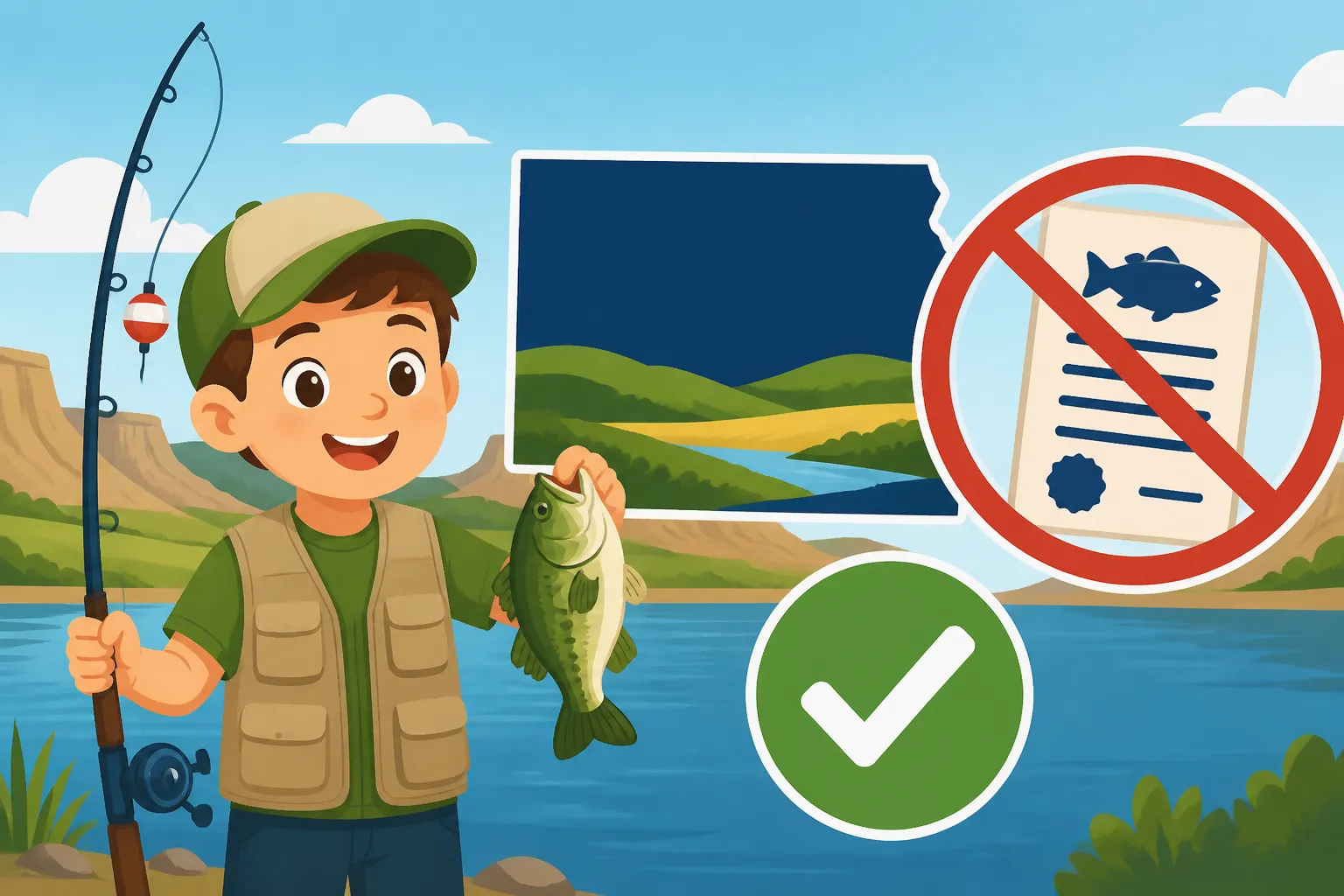
In North Dakota, the rules are fairly clear, which is a huge relief for parents. Generally speaking, if your child is under the age of 16, they do not need a fishing license. That's right, kids aged 15 and younger can enjoy all the angling opportunities our state has to offer without needing to purchase a separate license or tag. This is a fantastic initiative by the North Dakota Game and Fish Department (NDGFD) to foster a love for fishing from a young age, removing one common barrier for families. Imagine taking your 10-year-old out to Devils Lake for some perch fishing, or to Lake Sakakawea hoping for a walleye, and knowing you don't have to worry about an extra license fee for them. This exemption is truly a gift to encourage the next generation of anglers. However, once that child hits their 16th birthday, the game changes. As soon as they turn 16, they are considered an adult in the eyes of fishing regulations and will need to obtain a valid North Dakota fishing license to continue fishing legally. It’s a good idea to mark that birthday on the calendar if you have an avid young angler approaching that age! You can find more details in the comprehensive guide on Fishing License Age Requirements in North Dakota for a full breakdown.
What About Younger Kids?
For those sweet little ones still in elementary school or even preschool, the answer is a resounding "no." Any child who is 15 years old or younger is automatically exempt from needing a North Dakota fishing license. This means toddlers, grade-schoolers, and young teens can fish to their heart's content without any bureaucratic hurdles. This age exemption is wonderfully generous and allows families to introduce fishing as a hobby without any upfront financial commitment for the kids. So, whether you're bringing your 5-year-old to a local pond with a bobber and a worm, or your 12-year-old is trying their hand at ice fishing for yellow perch, they are covered. It truly simplifies things for family outings and helps create lasting memories on the water. Just make sure you, the accompanying adult, have your proper licenses in order!
The Fishing, Hunting, and Furbearer Certificate
Now, here's a crucial point that sometimes catches folks off guard, especially when their child transitions from being license-exempt to needing one. While a child under 16 doesn't need a fishing license, once they turn 16 and purchase their first adult fishing license, they will also need to acquire something called the Fishing, Hunting, and Furbearer Certificate. This isn't a separate license in the traditional sense, but it's a mandatory prerequisite for anyone aged 16 and older who wants to purchase hunting, fishing, or furbearer licenses in North Dakota. It's an administrative certificate that essentially validates your eligibility to buy these licenses each season. It usually carries a small fee, which is added to your total license purchase. Many new anglers might wonder, What Is the Fishing, Hunting, Furbearer Certificate For? and the answer is it serves as a foundational step for all other sportsperson licenses. So, if your 15-year-old is super excited to keep fishing once they turn 16, be sure to factor in the certificate along with their actual fishing license.
Understanding Exemptions and Special Opportunities
Beyond the general age requirements, North Dakota offers several opportunities and specific scenarios where even adults might not need a fishing license, and these are certainly relevant for kids too. Knowing these can help you plan special outings or take advantage of community events designed to promote fishing.
North Dakota Free Fishing Days
One of the absolute best ways to introduce fishing to your kids, or for older teens to try it out without committing to a full license, is during North Dakota's annual Free Fishing Days. Typically held once or twice a year, these designated days allow any resident or non-resident to fish without a license. It's a fantastic opportunity for families to get out on the water, try their luck, and see if fishing is a hobby they'd like to pursue further, all without the worry of license requirements. Imagine taking your whole family, including your 16-year-old who just missed the cut-off for the youth exemption, to a popular spot like Lake Audubon or the Missouri River, and everyone can fish license-free for the day. These days are usually widely advertised by the NDGFD, and they often coincide with events or clinics aimed at beginners. Make sure to check the NDGFD website for specific dates, as they can vary year to year. Participating in North Dakota Free Fishing Weekend Dates 2026 is a perfect way to test the waters, so to speak, before investing in licenses.
Fishing in State Parks and Other Specific Locations
A common question that arises is whether fishing rules change if you're in a North Dakota State Park or some other managed public access area. The short answer is usually no; the general statewide fishing license requirements still apply. If your child is 15 or younger, they can fish in a state park just like they would anywhere else, without a license. If they are 16 or older, they will need the appropriate license. The good news is that state parks often provide excellent, family-friendly access to fishing, with piers, easy bank access, and sometimes even boat rentals. Places like Fort Stevenson State Park on Lake Sakakawea or Lake Metigoshe State Park offer wonderful opportunities to fish, and the regular licensing rules hold true. This consistency makes it easier for families to plan trips without needing to memorize a different set of rules for every specific location. However, it's always wise to quickly check any specific local rules for a particular state park, as some might have special regulations for certain ponds or protected areas, although these rarely involve additional license requirements for kids. For more about specific locations, check out Fishing in North Dakota State Parks.
Fishing on Private Land
Another common scenario involves fishing on private property. Perhaps a friend has a pond, or you own land with a slough or creek running through it. The question then becomes: do the statewide licensing rules still apply to your kids if they are fishing on your own private land or land you have permission to access? This is where it gets a little nuanced. If the water body is entirely enclosed within private land and has no connection to other public waters (meaning fish cannot move between them), then typically, a license is not required for anyone, including kids and adults. This is often the case for small, private farm ponds. However, if the water body, even if it's on private land, is connected to public waters (like a river, stream, or lake), then state fishing regulations, including license requirements, generally apply. So, if your kids are fishing a section of the Sheyenne River that flows through your family farm, they would still need to adhere to state regulations once they turn 16. The best practice, if you're unsure, is to assume state regulations apply or to contact the NDGFD directly for clarification. The good news is, for kids 15 and under, it usually doesn't matter; they're exempt anyway! The guide on Do North Dakota Landowners Need a License to Fish Their Own Pond? can offer further clarity for those specific situations.
Practical Advice for Getting Kids Started in Fishing
Beyond the paperwork and regulations, the most important part of getting kids involved in fishing is making it an enjoyable, memorable experience. Fishing is more than just catching fish; it's about spending time outdoors, learning patience, and appreciating nature.
Why Introduce Kids to Fishing Early
Introducing children to fishing at a young age offers a wealth of benefits that extend far beyond simply catching a fish. It's a fantastic way to foster an appreciation for the outdoors and conservation. Kids learn about ecosystems, fish species, and the importance of clean water. Fishing also teaches invaluable life skills such as patience, problem-solving, and perseverance. Think about the focus a child develops while watching a bobber, or the determination when they're trying to cast just a little further. It’s also a wonderful opportunity for family bonding. Away from screens and daily distractions, you can create genuine connections and make memories that will last a lifetime. Many of us can recall those early fishing trips with a parent or grandparent as some of our most cherished childhood moments. By starting them early, while they are still license-exempt, you make the entry into the sport as easy and accessible as possible. This low-barrier introduction can spark a lifelong passion for angling and the natural world around them.
Essential Gear for Young Anglers
You don't need to break the bank to get your kids started in fishing. In fact, keeping it simple is often the best approach to avoid overwhelming them. A basic "spincast" rod and reel combo is usually perfect for beginners. These are easy to use, minimize tangles, and are very forgiving for learning how to cast. Look for combos that are sized appropriately for a child's height and strength – they should be lightweight and manageable.
Here's a quick table of essential gear for getting kids started:
| Item | Description | Why it's essential for kids |
|---|---|---|
| Spincast Rod & Reel | Beginner-friendly rod with a push-button reel, pre-spooled with line. | Easy to cast and retrieve, minimizes tangles, perfect for learning mechanics. |
| Bobbers (small) | Lightweight, brightly colored floats that indicate a bite. | Visual cue for action, exciting for kids, easy to see. |
| Hooks (small, barbless) | Size 6-10 hooks, consider barbless for easier release and safety. | Appropriate for panfish, safer for kids to handle, easier on fish if practicing catch-and-release. |
| Sinkers (split-shot) | Small lead or non-toxic weights to get bait down. | Keeps bait in the strike zone, helps with casting. |
| Live Bait (worms) | Simple, effective, and fascinating for kids to handle. | Highly effective for most panfish, engaging for children. |
| Pliers/Hook Remover | Essential for safely removing hooks. | Prevents injury to hands and fish, especially for toothy species like pike. |
| Small Cooler/Bucket | To keep bait fresh, store water, or hold a few keepers if allowed. | Practical for bait storage, also good for hydration. |
| Sunscreen & Hat | Protects from the sun. | Essential for comfort and health during extended outdoor time. |
| Life Vest (PFD) | Personal Flotation Device, required by law for certain ages in boats and always recommended near water. | Safety first! Crucial for any activity near or on the water. |
You can often find great beginner fishing kits that include many of these items bundled together. Many big box stores like Walmart or even online retailers like Amazon offer affordable kids' fishing kits that make getting started super easy. Just make sure to pick up some fresh bait, and you're good to go! For more gear ideas, check out our guide on Best Rod and Reel Combo for Beginners in North Dakota.
Making the Experience Enjoyable and Legal
The key to fostering a love for fishing in kids is to make the experience fun and positive, not just about catching fish. Start with locations known for active panfish, like bluegill or perch, as these offer more consistent action and keep kids engaged. Local community ponds or small lakes often fit this bill. Keep initial trips relatively short to match their attention spans. Bring snacks, drinks, and other distractions for downtime. Teach them basic knot tying and casting, but don't expect perfection. Celebrate small victories, like a perfect cast or a nibble, even if no fish are landed.
Crucially, always double-check the local regulations for the specific body of water you're visiting. While statewide age exemptions are consistent, individual lakes might have special length or daily limits for certain species. For example, some lakes might have protected slot limits for walleye, or reduced daily limits for northern pike. Make sure your child understands that even though they don't need a license, they still need to abide by these rules. This teaches them respect for the fishery and the importance of conservation from an early age. Before you head out, a quick look at the North Dakota Fishing Regulations Explained will ensure you’re fully compliant and ready for a great day on the water.
Common Questions and Misconceptions
Despite the relatively clear rules, a few common questions and misconceptions often pop up regarding kids and fishing licenses. Addressing these can help you navigate situations that might not be immediately obvious.
What Happens If My Child Fishes Without a License When Required?
This is a scenario most parents want to avoid. While kids 15 and under are exempt, what if your 16-year-old, who genuinely forgot or wasn't aware, is found fishing without a license? Fishing without a license, when one is required, is a violation of state law. For a minor (someone under 18 but over 16, who should have a license), the consequences would likely involve a warning first, possibly followed by a fine if it's a repeat offense or if the enforcement officer deems it necessary. The penalties for fishing without a license generally involve a monetary fine, and in more severe or repeated cases, can lead to the loss of future fishing privileges. The North Dakota Game and Fish Department prefers education, especially for young people, but they are also responsible for upholding the law. The best way to avoid this is simply to ensure that any child aged 16 or older has their license and certificate purchased before they hit the water. This guide on Penalties for Fishing Without a License in North Dakota provides further details on the possible repercussions.
What About Non-Resident Kids?
The good news for families visiting North Dakota is that the age exemption applies to all kids, whether they are residents of the state or not. So, if your nieces and nephews from Minnesota are coming to visit and want to try fishing on Lake Sakakawea, they too can fish license-free as long as they are 15 years old or younger. This is a big win for tourism and makes it easy for out-of-state families to enjoy North Dakota's incredible fishing opportunities without added costs for their children. However, just like with resident kids, once a non-resident child turns 16, they will need to purchase a non-resident fishing license. North Dakota offers several options for non-residents, including season-long licenses, and shorter-duration options like the Nonresident 3-Day Fishing License in North Dakota or the Nonresident 10-Day Fishing License in North Dakota, which can be perfect for vacationers. It's crucial for accompanying adults to have their non-resident licenses in order, of course.
Can My Child Fish on Tribal Waters Without a License?
North Dakota has several tribal lands, and some of these include significant fishing waters, such as portions of Lake Sakakawea within the Fort Berthold Indian Reservation, or Devils Lake which borders the Spirit Lake Nation. Fishing on tribal waters can sometimes have different regulations than statewide rules. In many cases, if you are fishing specifically within the boundaries of a tribal reservation, you may be required to purchase a separate tribal fishing permit in addition to (or sometimes instead of, depending on the specific agreement) a state license. This applies to both adults and, potentially, children who would otherwise be exempt under state law. It’s not a given that state exemptions for kids carry over to tribal waters. For example, some tribal entities might require permits for all ages, or have different age cut-offs. The rules can vary significantly from one tribe to another. Therefore, before planning a fishing trip to any tribal waters, it is absolutely essential to contact the respective tribal game and fish department or council directly to understand their specific licensing requirements and regulations for both adults and children. For more nuanced information, you might find the article on Fishing Rules on North Dakota Tribal Waters helpful. Always err on the side of caution and get direct confirmation before casting a line.
Disclaimer
Please note that fishing regulations are subject to change. While this guide provides current information based on North Dakota Game and Fish Department rules, it is always your responsibility to consult the latest official North Dakota Fishing Guide or visit the North Dakota Game and Fish Department website before heading out.