What Age Can You Fish Without a License in North Dakota?
It's a common scenario: you're excited to take a youngster fishing in North Dakota, maybe for the very first time, and then that nagging question pops into your head – "Do they need a fishing license?" The regulations can sometimes feel like a labyrinth, especially when trying to introduce kids to the joys of angling without accidentally breaking the law. This guide is here to clear up that confusion, specifically addressing the age at which children can fish license-free in the Peace Garden State, and what that truly means for your family fishing trips.
The Simple Answer: When North Dakota Kids Can Fish License-Free
Navigating fishing regulations can sometimes feel like trying to untangle a particularly stubborn fishing line. You want to do things right, especially when it comes to teaching the next generation to respect the rules, but the sheer volume of information can be overwhelming. Let's cut right to the chase for the youngest anglers in North Dakota: the state has made it quite straightforward to encourage youth participation.
The Golden Rule for Young Anglers
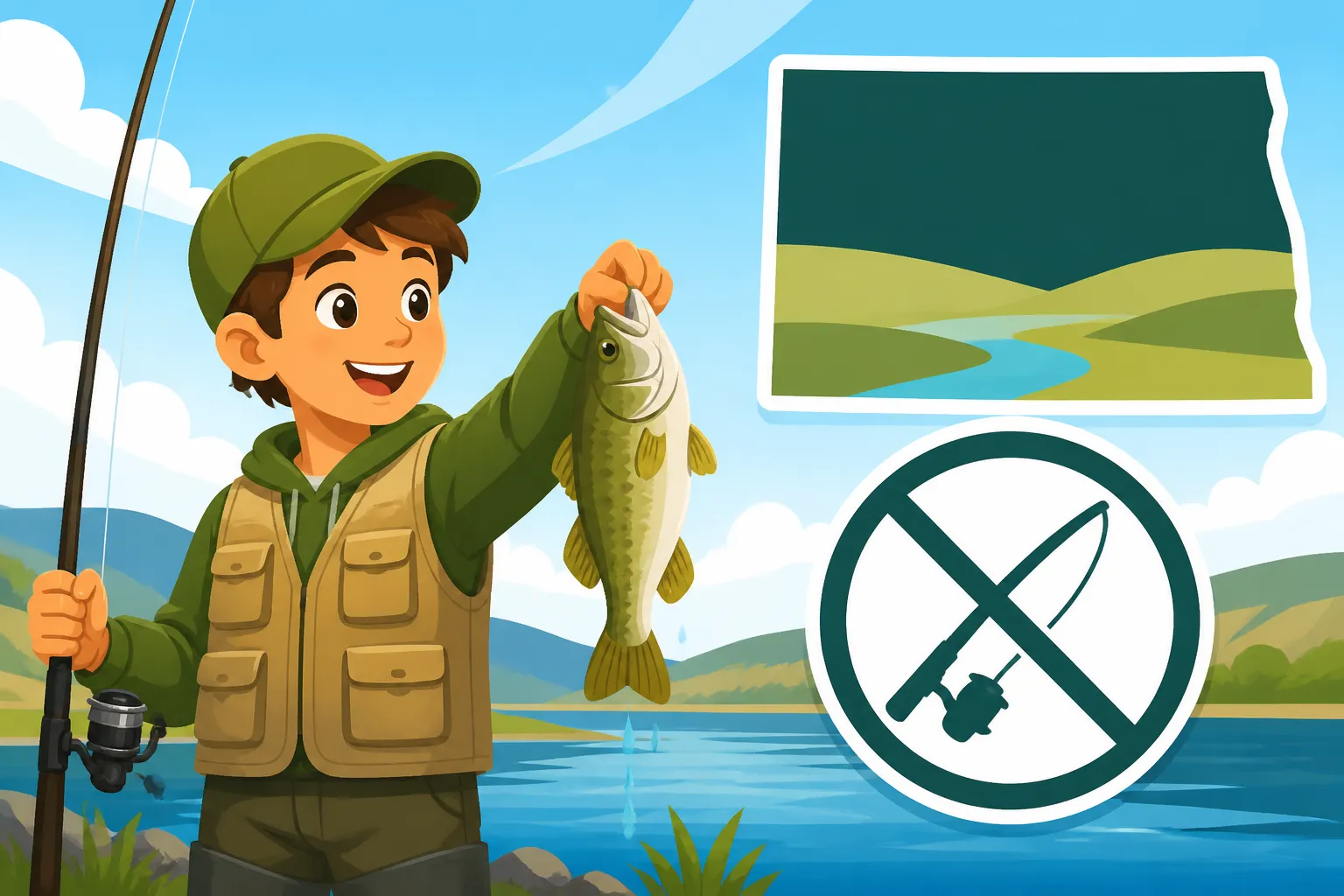
In North Dakota, the rule is wonderfully simple and consistent: any person under the age of 16 is not required to possess a fishing license. This applies whether they are a resident of North Dakota or visiting from out of state. So, if you're planning a trip to Devils Lake or Lake Sakakawea with your 10-year-old, you can rest easy knowing they can cast their line without a license in hand. This exemption is a fantastic way to introduce kids to the sport without the added cost or administrative steps for parents.
Think about it: A family heads out to a quiet pond near Bismarck. You have your fishing license, but your 14-year-old son and 12-year-old daughter are with you. Under North Dakota's regulations, both your son and daughter are free to fish without needing their own individual licenses. They are still considered legal anglers as long as they adhere to all other fishing laws. However, if your fishing party included an excited 17-year-old cousin, that individual would absolutely need to have their own valid North Dakota fishing license before wetting a line. It’s a clear cutoff, designed to make early experiences with fishing as accessible as possible. For a broader overview of the requirements, you can check out the comprehensive North Dakota Fishing License Guide.
What "License-Free" Really Entails
While the phrase "license-free" sounds like a complete pass, it's crucial to understand that it doesn't mean "regulation-free." This is a common misunderstanding that can lead to headaches later on. Children under 16 are exempt from needing a license, but they are still very much bound by all other North Dakota fishing regulations. This includes, but isn't limited to:
- Daily and Possession Limits: Just like you, they must respect the number of fish of a certain species they can catch and keep in a day, and the total number they can have in their possession. For example, if the walleye limit is four, a child cannot keep eight simply because they don't have a license.
- Size Restrictions: Certain species, like walleye or northern pike in specific waters, may have minimum or maximum size limits. These apply to everyone fishing, regardless of age or license status.
- Season Dates: While North Dakota has a very liberal open fishing season for most species, if there's a specific season for a particular fish (like paddlefish snagging), these dates must be observed by all anglers.
- Legal Fishing Methods: The rules regarding the number of lines an angler can use, what types of bait are permitted, or if spearfishing is allowed in certain areas, also apply to youth.
As the supervising adult, it's really your responsibility to ensure that any child fishing with you understands and follows these rules. It's not just about compliance; it's about teaching them responsible angling practices from a young age. The best way to stay informed is to frequently consult the latest North Dakota Fishing Regulations Explained booklet or the Game and Fish Department's website. Educating youngsters on these crucial details is an important part of the outdoor experience and helps foster a lifelong respect for conservation.
More Than Just a Number: The Philosophy Behind Youth Exemptions
It might seem like a small detail, but the decision to exempt young anglers from needing a license is a very intentional one, rooted in a broader strategy to preserve North Dakota's rich angling heritage and promote outdoor recreation. It's not just about making things easy; it's about making an investment in the future of fishing.
Fostering a Love for the Outdoors
One of the primary reasons for the under-16 license exemption is to lower the barrier to entry for children and families. Let's be honest, introducing a new hobby can be expensive and complicated. Having to buy an additional license for each child, especially for a casual outing, could deter parents from even trying. By removing this requirement, the North Dakota Game and Fish Department aims to:
- Encourage Participation: More kids trying fishing means more kids potentially falling in love with the sport. It's about planting the seed. When it’s easy to get out there, families are more likely to make those spontaneous decisions to grab some rods and head to the nearest lake or river. This philosophy is deeply ingrained in the North Dakota Fishing Rules for Kids and Families.
- Create Lasting Memories: Fishing isn't just about catching fish; it's about spending quality time outdoors, away from screens, and making memories. A child's first bite, the excitement of reeling in a feisty perch, or simply enjoying the quiet serenity of the water creates experiences that often last a lifetime. The license exemption ensures that these foundational experiences are unburdened by bureaucracy.
- Build Future Anglers and Conservationists: The kids who fish license-free today are the ones who will become license-buying adults tomorrow. They'll also be the ones who understand the importance of conservation, clean water, and healthy fish populations. It's a long-term strategy for sustaining the sport and the natural resources it depends on.
Imagine a parent struggling with budget constraints, trying to decide if they can afford to take their two kids, aged 8 and 13, fishing for the first time. If they had to pay for three licenses, that might be enough to put the brakes on the outing. But knowing the kids are free to fish removes that financial hurdle, making the decision to go much easier. This simple policy often sparks a passion that continues well into adulthood.
Contributing to Conservation Even Without a License
While children under 16 don't directly contribute to the Game and Fish Department's budget through license sales, their participation is still a vital part of the conservation puzzle. Their exemption is an investment, not a loophole. Here’s how it works:
- Future Revenue Streams: As mentioned, today's license-exempt youth are tomorrow's adult license holders. When they turn 16, they will need to purchase a license, and those funds directly support fisheries management, habitat restoration, stocking programs, and law enforcement. The more positive experiences they have now, the more likely they are to continue fishing and become active contributors to conservation.
- Public Awareness and Support: Children who engage with nature are more likely to grow into adults who advocate for its protection. When kids learn about fish habitats, water quality, and the importance of respecting wildlife, they become powerful, informal ambassadors for conservation efforts.
- Economic Impact: Even though they don't buy licenses, young anglers still require gear – rods, reels, bait, tackle boxes, and maybe even a new pair of fishing waders. This economic activity supports local bait shops, sporting goods stores, and the broader outdoor recreation industry, which in turn contributes to the state's economy and indirectly supports conservation through taxes and other revenue. You can find many of these essentials, from starter kits to specialized gear, on platforms like Amazon, making it easy for families to get equipped.
So, while a 14-year-old isn't paying for a license, their presence on the water and the experiences they gain are invaluable. It’s all part of a larger ecosystem of outdoor recreation and environmental stewardship that benefits everyone. The details about Fishing License Age Requirements in North Dakota further elaborate on this.
Navigating Specific Scenarios and Exceptions
The under-16 rule is generally straightforward, but like any good set of regulations, there are nuances and specific situations worth exploring. Understanding these can prevent confusion and ensure your family's fishing trips are always within the bounds of the law.
Fishing with Licensed Adults
A common question that arises is whether a child under 16 is "covered" by a licensed adult they are fishing with. The answer is both yes and no, and it’s important to clarify this distinction. The child is not fishing under the adult's license in the sense that they are an extension of it. Rather, the child is independently exempt from needing a license due to their age.
What this means in practice:
- No "Borrowing" a License: Your license does not magically extend to cover your 15-year-old in a legal sense. They don't need your license; they simply don't need a license.
- Adult Supervision is Key: While not legally mandated for all situations, it is highly recommended that children fish under the direct supervision of a responsible, licensed adult. This ensures their safety, helps them learn proper techniques, and, most importantly, provides guidance on following all those other critical fishing regulations we discussed. If you're out with a group, the general rule of thumb is that any adult actively fishing must have a license, and they are expected to guide the youth in adhering to all regulations.
- Combined Limits: This is where it gets a little tricky and often causes confusion. When a licensed adult and a license-exempt child are fishing together, their combined catch still cannot exceed the daily limit per individual for the licensed adult. However, the child also has their own individual daily limit, separate from the adult. For example, if the walleye limit is four, the adult can keep four, and the child can keep four, for a total of eight. However, if that child were to then hand their fish over to the adult, that adult would then be exceeding their possession limit. It’s always best to keep catches separate or at least clearly distinguishable per angler to avoid any ambiguity, especially with Game and Fish wardens.
It boils down to individual accountability for limits, even for those who don't need a license. It’s a great opportunity to teach kids about ethical harvesting and responsible resource management.
The Magic of Free Fishing Days
North Dakota offers specific "Free Fishing Days" each year, typically in June, where everyone can fish statewide without a license. These days are a fantastic opportunity for families, friends, and even seasoned anglers to introduce newcomers to the sport without any license requirements at all.
During these designated days:
- Universal Exemption: The age-based exemption for under-16s still applies, but on these special days, even adults and older teenagers who would normally require a license can fish legally without one. It’s a guilt-free way to try out fishing or to get back into the swing of things. You can find more details and exact dates by checking the North Dakota Free Fishing Days calendar on the Game and Fish website.
- Regulations Still Apply: Just like with the under-16 exemption, all other fishing regulations remain in effect. Daily limits, size restrictions, and legal methods must still be observed. The idea is to promote participation, not to create a free-for-all.
- Perfect for Experimentation: If you’ve been curious about fishing but hesitant to commit to a license purchase right away, these free days are perfect. It allows you to grab a basic rod and reel (you can even find affordable beginner combos on Amazon), head to a local pond, and see if fishing is for you without any financial commitment to a license.
These events are designed to be fun, educational, and to inspire a new generation of anglers. Many communities host events on Free Fishing Days, making it an even more engaging experience.
Nonresident Youth and Tribal Waters
What about kids visiting North Dakota from other states? The good news is the under-16 rule applies universally.
- Nonresident Youth: If you're visiting North Dakota from Minnesota, Montana, or anywhere else, your child who is under 16 years old does not need a North Dakota fishing license. This is a huge benefit for families vacationing in the state and wanting to experience its fantastic fisheries. Many states have reciprocal agreements or specific nonresident youth licenses, but North Dakota keeps it simple: under 16, no license needed, period. For more specific details on out-of-state requirements, refer to the North Dakota Nonresident Fishing License Guide.
- Tribal Waters: This is an important distinction. While state fishing licenses generally cover most public waters in North Dakota, there are certain waters that fall under tribal jurisdiction, such as portions of Lake Sakakawea, Devils Lake, or other reservations. Fishing in these areas may require an additional tribal fishing permit, regardless of age or state license status. It is always, always essential to check with the specific tribal authorities or the North Dakota Game and Fish Department if you plan to fish on or near tribal lands. The general exemption for kids under 16 might not apply in these very specific instances. An article like Can You Fish for Free on North Dakota Tribal Land? would be helpful for clarification. Always assume you need to do extra research for tribal waters to avoid any legal issues.
This highlights the importance of always being aware of your specific location when fishing, as boundaries and jurisdictions can sometimes change the rules.
Preparing for Future Angling Adventures: When to Get That First License
Even if your child is currently under 16 and enjoying license-free fishing, that age will eventually arrive when they need their own permit. It's smart to be prepared for this transition and understand how and where to purchase a license. After all, you want them to continue their fishing journey seamlessly.
The Transition to a Licensed Angler
The moment a child turns 16, they become subject to the same licensing requirements as any adult angler in North Dakota. This means:
- Birthday Means Business: On their 16th birthday, or any day thereafter that they wish to fish, they must possess a valid North Dakota fishing license. There's no grace period, no "I just turned 16 last week" excuse that will fly with a Game Warden.
- Plan Ahead: It’s a good idea for parents to mark this milestone and ensure a license is purchased either on or just before their child’s 16th birthday. This prevents any interruption to their fishing enjoyment and ensures they remain compliant. You can even consider it a fun "coming of age" gift for the young angler, celebrating their step into adult angling responsibilities. The Fishing License Age Requirements in North Dakota article provides a comprehensive overview of these age transitions.
- What License Will They Need? At 16, they will typically need a standard resident fishing license if they meet residency requirements, or a nonresident fishing license if they are from another state. North Dakota also requires a Fishing, Hunting, Furbearer Certificate for residents over 16 to purchase any fishing or hunting license, which is essentially a base fee that supports general wildlife programs.
The transition from license-exempt youth to full-fledged licensed angler is a significant step in their outdoor journey, marking a moment of increased responsibility and contribution to the state's natural resources.
Where and How to Purchase a License
Once your child is ready for their first license, or if you need to purchase one for yourself, North Dakota offers several convenient options:
- Online is Easiest: The most popular and often easiest way to purchase a North Dakota fishing license is directly through the North Dakota Game and Fish Department's official website. This platform allows you to buy licenses 24/7 from the comfort of your home. You simply fill out the required information, pay with a credit card, and can often print a temporary license immediately or have an electronic version accessible on your phone. This method is quick, efficient, and ensures you have a valid license before heading out. For a detailed walkthrough, refer to How to Get a a North Dakota Fishing License.
- Retail Vendors: For those who prefer an in-person transaction or need to grab a license last minute, many sporting goods stores, bait shops, convenience stores, and even some larger retail chains like Walmart serve as authorized license vendors across the state. These locations can typically issue your license on the spot. It's a great option if you're already at the store picking up bait, tackle, or other fishing gear. To find a location near you, consult the Where to Buy a North Dakota Fishing License guide.
- Required Information: When purchasing a license, be prepared to provide personal information such as your name, address, date of birth, driver's license number (or other ID), and potentially a Social Security number (federal requirement for license sales). Having this information ready will streamline the purchase process.
While you're gearing up, remember that reliable fishing gear is just as important as a valid license. You can find a vast selection of rods, reels, tackle, and even specialized cold-weather gear for North Dakota's unique seasons on platforms like Amazon, making sure you're well-equipped for any fishing adventure.
The Importance of Compliance
It might seem obvious, but it bears repeating: once an angler turns 16, fishing without a valid license in North Dakota is illegal. The consequences can range from fines to confiscation of fishing gear, and it's simply not worth the risk or the potential stain on a young angler's introduction to the sport. The Game and Fish Department takes its role seriously in protecting North Dakota's natural resources, and enforcing license requirements is a key part of that effort. You can learn more about what happens if you don't comply by reading about the Penalties for Fishing Without a License in North Dakota. Teach your children that following the rules isn't just about avoiding trouble; it's about being a responsible member of the angling community and contributing to the conservation efforts that keep North Dakota's waters healthy and full of fish for generations to come.
North Dakota Fishing License Age Requirements Summary
Here's a quick overview of the key age-related fishing license requirements in North Dakota:
| Age Group | North Dakota Fishing License Required | Additional Considerations |
|---|---|---|
| Under 16 years old | No | Applies to both residents and nonresidents. All other fishing regulations (limits, seasons) still apply. |
| 16 years old and older | Yes | Requires a valid North Dakota fishing license (resident or nonresident) and a Fishing, Hunting, Furbearer Certificate for residents. |
| Free Fishing Days | No | Designated days, usually in June, when everyone can fish without a license. All other regulations still apply. |
| Tribal Waters | Potentially Yes | May require a separate tribal permit regardless of age or state license. Always check specific tribal regulations. |
Disclaimer
Please note: Fishing regulations can change. While this guide is compiled with the most current information available, it is always your responsibility to consult the official North Dakota Game and Fish Department website or the latest North Dakota Fishing Guide/Proclamation for the most accurate and up-to-date regulations before heading out on your fishing trip.