North Dakota Yellow Perch Daily Limit
There's nothing quite as frustrating as heading out for a day on the beautiful waters of North Dakota, reeling in a fantastic mess of yellow perch, and then suddenly realizing you're not entirely sure if you've hit your daily limit or, worse, gone over! The rules can sometimes feel like they shift with the prairie winds, and trying to keep track of every species' specific daily and possession limits can be a real headache. This guide is here to clear up all that confusion surrounding the yellow perch daily limit in North Dakota, making sure your next fishing trip is stress-free and within the legal bounds.
Deciphering the North Dakota Yellow Perch Daily Limit
Let's cut right to the chase on yellow perch limits in North Dakota, because clarity is king when you're out on the water. For most anglers, the rules are straightforward, yet often misunderstood. North Dakota generally maintains a statewide daily limit for yellow perch, and it's essential to understand both the "daily" and "possession" limits to avoid any issues.
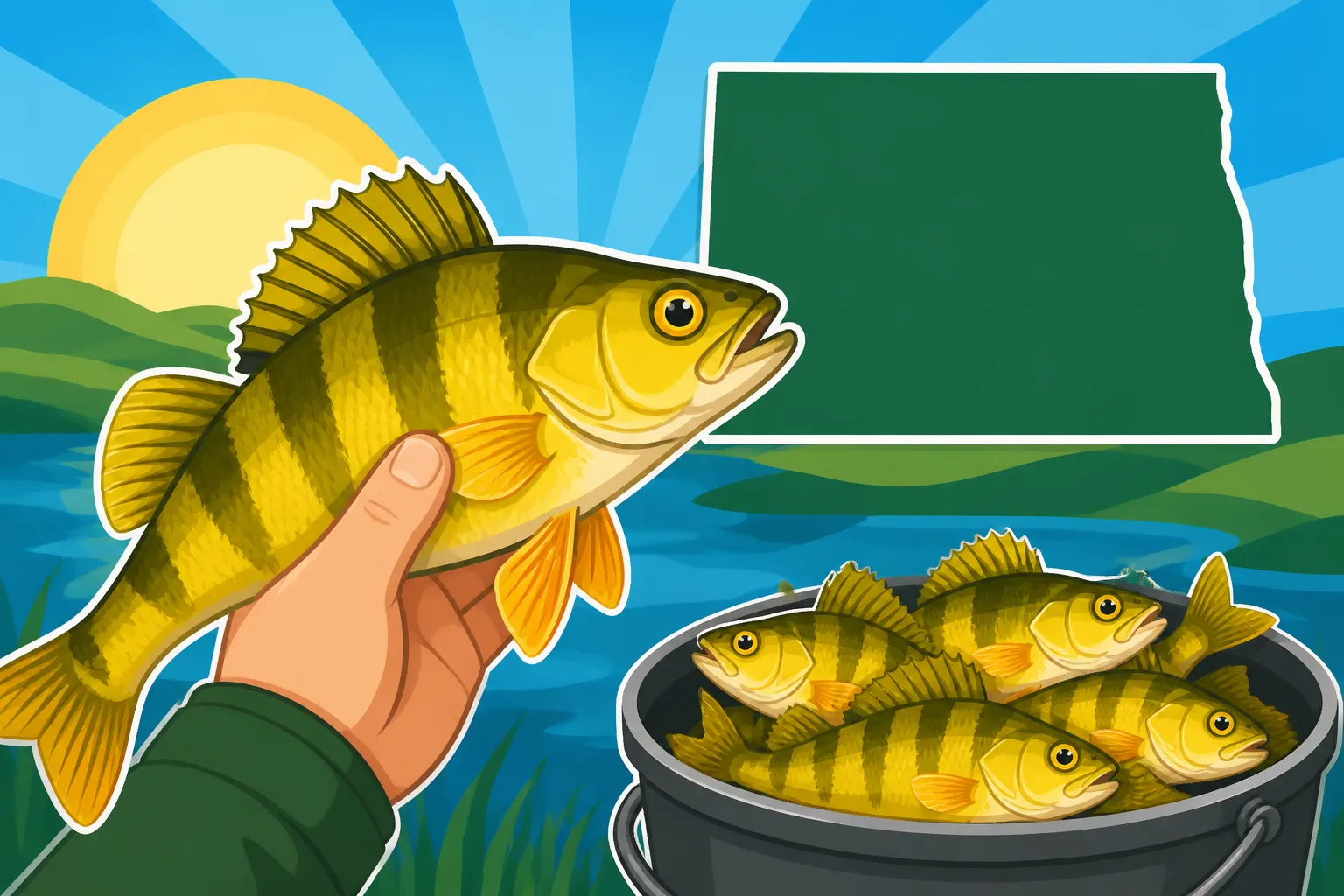
The official regulation from the North Dakota Game and Fish Department (NDGFD) states that anglers are allowed to keep a daily limit of 30 yellow perch. This means that within a single calendar day, from midnight to midnight, you cannot harvest and retain more than 30 yellow perch. It doesn't matter if you fish multiple lakes or different spots on the same lake within that day; the total number you keep cannot exceed 30.
Beyond the daily limit, there's also a possession limit to consider, which is 120 yellow perch. This often trips people up. The possession limit refers to the maximum number of fish you can have in your possession at any given time, whether they're in your livewell, cooler, freezer at home, or even in your vehicle while traveling. Essentially, it's the total number of yellow perch you've harvested and kept from previous days plus what you caught today, that cannot be exceeded. So, if you've got 100 perch in your freezer from previous trips, you can only keep 20 more today to stay within the 120 possession limit. This distinction is crucial, especially for those who enjoy extended fishing trips or like to stock up their freezers. You can learn more about these overarching regulations by checking out our North Dakota Fishing Regulations Explained.
One common area of confusion stems from other species, like walleye, which often have lake-specific limits or slots. However, for yellow perch, the 30 daily and 120 possession limit applies across the board, whether you're targeting them on the expansive waters of Lake Sakakawea, the legendary Devils Lake, or any other public water body in the state. This consistency actually simplifies things for perch anglers, though it’s always wise to glance at the most current fishing proclamation before heading out, just in case any special management areas or experimental regulations have been introduced. The NDGFD updates these proclamations periodically, typically every two years.
Why These Numbers? The Science Behind Perch Limits
It's easy to look at a number like "30" for a daily limit and wonder how that figure is determined. It's not just a random guess; there's a good deal of science and careful management that goes into setting these limits, all aimed at maintaining healthy fish populations and ensuring sustainable fishing opportunities for generations to come.
Yellow perch in North Dakota, particularly in systems like Devils Lake, are known for their fast growth rates and prolific nature. They can reproduce quickly and in large numbers, often leading to boom-and-bust cycles if not managed appropriately. The North Dakota Game and Fish Department diligently monitors these populations through various methods. They conduct regular gill net surveys, for instance, to assess the abundance, size structure, and overall health of perch populations in major lakes. They also perform creel surveys, talking directly with anglers to understand catch rates and fishing pressure.
These data points help biologists understand the current state of the fishery. For yellow perch, the 30-fish daily limit is often set to allow for a generous harvest, acknowledging their reproductive capacity and tendency to overpopulate in some systems if not adequately thinned out. A healthy harvest can actually benefit the overall population by reducing competition for food and improving growth rates for the remaining fish. This balance is key: enough harvest to manage populations, but not so much that it depletes the stock for future seasons. If you're keen to dive deeper into the biology and behaviors of these fascinating fish, our North Dakota Yellow Perch Fishing Guide offers a comprehensive look. Understanding the species' habits, along with its identification, which you can read about in Yellow Perch Identification and State Record, can greatly enhance your fishing success and appreciation for the resource.
Comparing yellow perch limits to those for other species in North Dakota reveals the thought process behind these regulations. Walleye, for example, often have stricter limits or size restrictions in certain areas due to different population dynamics and higher angling pressure. Perch, while incredibly popular, are often more numerous and can sustain a higher harvest rate without long-term negative impacts, especially in a productive system like Devils Lake. It's all about balancing angler opportunity with the long-term health of the fish. These are shared resources, and careful management ensures everyone gets a chance to enjoy the bounty.
Navigating the Rules: Practical Advice for Anglers
Understanding the numbers is one thing; putting it into practice on a cold, windy day when the bite is hot can be another. Let's talk about some practical tips to ensure you stay within the yellow perch limits and enjoy your day without any legal worries.
First and foremost, counting your catch accurately is paramount. It sounds simple, but in the excitement of a good bite, it's easy to lose track. Many anglers use a simple stringer or a cooler to keep their fish, and a quick count before heading in can prevent issues. If you're fishing with a partner or a group, make sure everyone is aware of their individual limit. The limit applies to each licensed angler, not to the boat or group as a whole. For instance, if two licensed adults are fishing together, they can collectively keep 60 yellow perch daily, but neither individual can possess more than their 30-fish personal limit on the water. For families with kids, it's important to remember that North Dakota Fishing Rules for Kids and Families specify age requirements for licenses; typically, those under 16 don't need a license but their catch still counts towards a licensed adult's possession limit or follows specific rules if they are fishing independently under state rules that allow for youth harvest without a license.
What about catch and release? If you're nearing your limit and still catching fish, practicing good catch-and-release techniques becomes vital. Minimize handling, use barbless hooks, and get the fish back into the water as quickly and gently as possible. If you inadvertently keep a few extra in the heat of the moment, the best course of action is to immediately return the freshest ones to the water, ensuring they have the best chance of survival. Do not just throw them on the bank; that's considered wanton waste and can lead to penalties.
A common question that arises, especially for those planning to cook their catch, is about filleting fish. North Dakota law requires that if you're filleting fish on the ice or in the field before returning to your residence, you must retain a patch of skin at least one inch square on each fillet until you reach your permanent residence. This is so a game warden can identify the species and confirm the size and number of fish, ensuring compliance with all regulations, including species-specific size limits or daily limits. For example, if you're pulling a lot of smaller perch out, they still count towards your limit. You can easily find the specific tools for filleting and measuring your catch, like a good fillet knife or a reliable measuring board, on platforms like Amazon.
Remember, you'll need a current North Dakota Fishing License Guide to legally fish. And don't forget the required The Fishing, Hunting, Furbearer Certificate Explained, which is necessary for most adult anglers in North Dakota in addition to your regular fishing license. Knowing the regulations and ensuring all your paperwork is in order before you even step foot on the ice or launch your boat is the easiest way to avoid problems.
What Happens If You Exceed the Limit? And Other FAQs
No one wants to face a game warden with an over-limit of fish. Understanding the potential consequences and other frequently asked questions can save you a lot of grief.
Consequences of Violations: Exceeding your daily or possession limit for yellow perch, or any other species, is a serious offense in North Dakota. Violations can lead to significant fines, confiscation of your catch, and even the suspension of your fishing privileges. In severe or repeat cases, it could involve court appearances and more substantial penalties. It's simply not worth the risk. Our guide on Penalties for Fishing Without a License in North Dakota provides insight into how seriously violations are taken, and while this specifically mentions licenses, the spirit of enforcement extends to all regulations.
Game Warden Authority: Yes, game wardens have the authority to inspect your catch, coolers, livewells, and even your freezer at home, under certain circumstances, to ensure compliance with fishing regulations. They are there to protect the resource and ensure fair play for all anglers. Cooperation is always the best policy.
Non-resident Limits: For non-resident anglers, the good news is that the daily and possession limits for yellow perch are generally the same as for residents: 30 daily, 120 possession. There are no stricter limits for those visiting from out of state when it comes to yellow perch. However, non-residents will need to obtain a North Dakota Nonresident Fishing License Guide which has different pricing and duration options than a resident license.
Ice Fishing vs. Open Water: Whether you're enjoying the camaraderie of ice fishing on a frozen lake or casting lines from a boat during the open water season, the yellow perch daily limit of 30 and possession limit of 120 remains consistent. The regulations for North Dakota Ice Fishing Rules primarily focus on things like ice house registration and removal dates, not on changing species limits.
Group Fishing and License Requirements for Youth: While each licensed angler has their own individual limit of 30 yellow perch, if you're fishing with children who are under the age requiring a license (currently under 16), their catch typically counts towards the licensed adult's limit. This prevents a family of four, with only one licensed adult, from keeping 120 perch daily. Always double-check the latest regulations regarding youth fishing, as specific scenarios can have nuanced interpretations, particularly if children are actively participating and considered part of a family group.
For those who rely on digital tools, you can easily check the current regulations through the NDGFD website or their mobile app. You can also pick up a physical copy of the fishing proclamation at many bait shops or sporting goods stores, or even order related materials online via retailers like Amazon, ensuring you have all the up-to-date information right at your fingertips. Keeping a digital or printed copy of the current proclamation with you when fishing is an excellent habit.
Here’s a quick summary of the North Dakota Yellow Perch Daily and Possession Limits:
| Limit Type | Number of Yellow Perch | Details |
|---|---|---|
| Daily Limit | 30 | Maximum number of yellow perch you can harvest and retain within a single calendar day (midnight to midnight). |
| Possession Limit | 120 | Maximum number of yellow perch you can have in your possession at any given time, including those from previous days. |
Being a responsible angler means not only knowing the rules but also respecting the resource. By understanding and adhering to North Dakota's yellow perch daily and possession limits, you're helping to preserve the fantastic fishing opportunities that make our state so special.
Disclaimer
Please remember that fishing regulations, including daily and possession limits, can change. While we strive to provide the most current and accurate information, it is always your responsibility to consult the official North Dakota Game and Fish Department's Proclamation or website for the most up-to-date rules before you go fishing. This article is intended for informational purposes only and does not constitute legal advice.