North Dakota Ice Shanty Spacing Rule
There's nothing quite like the crisp air, the vast expanse of a frozen North Dakota lake, and the anticipation of a bite while ice fishing. But as any seasoned angler knows, hitting the ice isn't just about dropping a line; it’s also about navigating the specific rules and regulations that keep everyone safe and the fishing sustainable. One common point of confusion, and sometimes frustration, for both new and experienced ice anglers, especially when setting up for a long weekend, revolves around how close you can set up your ice shanty to another. This guide aims to clear up the exact spacing rules for ice shanties in North Dakota, helping you understand what's expected and how to ensure a respectful and legal ice fishing experience.
Understanding North Dakota's Ice Shanty Spacing Rules
When you're out on a sprawling lake like Devils Lake or Lake Sakakawea, it might feel like there's endless space, but as more anglers flock to popular spots, the issue of personal space, especially with ice shelters, becomes a real thing. The North Dakota Game and Fish Department (NDGFD) has specific regulations in place to ensure fair access and prevent congestion, especially concerning how close one ice shanty can be to another.
The 50-Foot Rule for Unoccupied Shelters
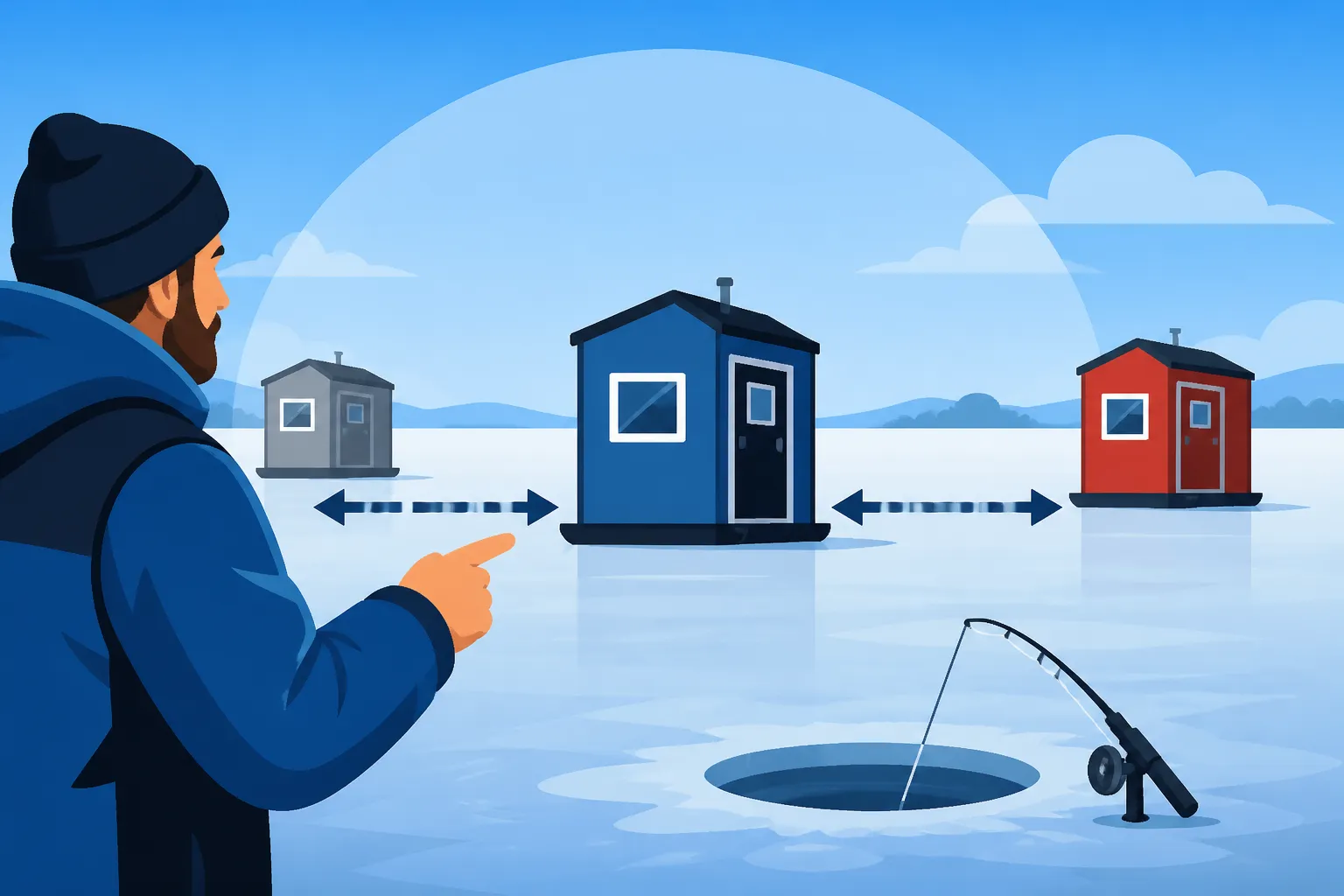
The primary regulation concerning ice shanty spacing in North Dakota specifically addresses unoccupied shelters. If you decide to leave your ice shanty, fish house, or any temporary shelter unattended on the ice, you must ensure it is at least 50 feet from any other occupied ice house or actively fished hole. This rule is designed to prevent anglers from essentially "claiming" large areas of the lake by scattering empty shelters. Imagine rolling up to a prime fishing spot only to find a dozen empty shanties blocking access to the best structure; this rule helps mitigate that scenario. It’s about being considerate of fellow anglers who are actively fishing and need their own space. This rule is particularly important during peak times when popular areas can become crowded. If you’re just running into town for supplies or grabbing a quick bite, remember this 50-foot buffer.
Occupied Shelters and Common Courtesy
While the 50-foot rule explicitly applies to unoccupied shelters, there isn't a hard and fast minimum distance requirement for occupied ice shanties. This is where common courtesy and the unwritten rules of the ice really come into play. Most anglers appreciate a respectful amount of space. Crowding another angler's setup, even if you’re both actively fishing, can feel intrusive and limit everyone’s enjoyment. Generally, anglers aim for a comfortable distance that allows for casting, walking around, and managing lines without interfering with others. If you're setting up near an existing occupied shanty, a friendly wave and a brief chat can go a long way in establishing a good rapport and ensuring you're not encroaching on their space. Remember, everyone is out there to enjoy the peace and quiet of nature, and respecting each other's fishing boundaries helps maintain that atmosphere. This informal rule also plays a role in preventing arguments or misunderstandings when fishing for popular species like walleye or perch where certain spots get a lot of attention.
General Rules for Ice Shelters and Fish Houses
Beyond just spacing, North Dakota has several other crucial rules regarding ice shelters that every angler needs to know. These regulations cover everything from identification to removal dates, all designed to protect the environment and ensure safety. You can find a comprehensive breakdown of all these requirements in the article, Ice Fishing Shelter Rules on North Dakota Lakes.
Identification and Registration Requirements
One of the most important aspects of having an ice shanty in North Dakota is ensuring it's properly identified. Every ice house or temporary shelter left unattended on the ice, whether for a few hours or overnight, must have the owner's full name and address clearly printed on the outside in readily distinguishable characters that are at least three inches high. Some anglers also opt to put their phone number, although it's not a legal requirement. This helps authorities contact the owner in case of an issue, and it's also a courtesy to other anglers who might notice a problem.
For larger, more permanent fish houses or shelters, there might be additional registration requirements. If your fish house is more than 8 feet by 10 feet, it falls under specific registration rules. You can delve deeper into what exactly needs to be displayed on your shelter and how to register it by reading What Has to Be Displayed on a North Dakota Fish House? and Fish House Registration Requirements in North Dakota. This ensures accountability and helps manage abandoned shelters at the end of the season.
Shelter Removal Deadlines
A critical part of North Dakota's ice fishing regulations involves the timely removal of ice shelters. All ice fishing houses and temporary shelters must be removed from the ice by midnight on March 15th each year. This date is non-negotiable, regardless of ice conditions. Even if the ice looks perfectly safe, the deadline remains firm. This rule prevents shelters from being trapped in the ice as it melts, potentially becoming hazards for boaters, swimmers, and the environment when the open water season begins.
There are specific penalties for failing to remove your shelter by the deadline. It's not uncommon for the NDGFD to issue fines or even confiscate shelters left on the ice past this date. Many anglers plan well in advance, hauling their portable shelters off the ice or arranging for larger, permanent structures to be removed by early March. It's a race against the calendar, not just the weather. For more detailed information, check out When Must Ice Shelters Be Removed From North Dakota Lakes?.
Safety and Courtesy on the Ice
Ice fishing is an incredibly rewarding experience, but it comes with inherent risks. Beyond just adhering to the rules, practicing good safety habits and showing courtesy to others is paramount for everyone's enjoyment and well-being. Knowing the condition of the ice is always your first priority, especially during Early Ice Fishing Safety Tips and Late Ice Fishing Safety Tips periods.
Ice Thickness and Vehicle Safety
Before you even think about setting up a shanty, you need to assess the ice thickness. General guidelines recommend at least 4 inches of clear, solid ice for foot travel, 5-7 inches for snowmobiles and ATVs, and 8-12 inches for small cars or light pickups. However, ice conditions can vary dramatically even on the same body of water due to currents, springs, or recent weather fluctuations. Always err on the side of caution.
Driving vehicles onto the ice is a common practice in North Dakota, especially when hauling large fish houses or a lot of gear. But this convenience comes with significant responsibility. You'll want to be absolutely certain of the ice conditions before driving out. Many anglers utilize ice roads established by local bait shops or resorts, which are usually marked and regularly checked. However, even on these roads, personal vigilance is crucial. The question of Is It Safe to Drive a Truck on North Dakota Ice? is one that should always be carefully considered before venturing out. Always be mindful of other vehicles and ice houses when driving, maintaining slow speeds and avoiding sudden stops or turns.
Keeping Access Clear for Everyone
One often-overlooked aspect of ice fishing courtesy is ensuring that you don't obstruct public access points or established travel lanes on the ice. This ties back into the spacing rule indirectly; if you set up too close to a popular entry point or a well-used path, you could be hindering others from safely getting onto or off the ice. This is particularly true for those pulling large ice houses or trying to navigate with snowmobiles.
Consider where you're parking your vehicle and placing your shanty. While you might have found a fantastic fishing spot, if it's right in the middle of a common thoroughfare, you could be creating a hazard or inconveniencing many other anglers. A little bit of foresight goes a long way in ensuring that everyone has a smooth and enjoyable time on the ice. Similarly, be considerate of shore access points. Don't block boat ramps or designated public parking areas, even if they are currently covered in ice and snow.
Penalties and Enforcement of Ice Fishing Rules
The North Dakota Game and Fish Department takes its regulations seriously, and that includes those pertaining to ice fishing shelters. Violations of these rules can lead to more than just a slap on the wrist. Understanding the potential consequences can serve as a strong motivator to always follow the rules.
Fines for Non-Compliance
If you're found in violation of North Dakota's ice shanty regulations, you can face fines. These penalties can vary depending on the severity and nature of the infraction. For example, failing to remove your ice shanty by the March 15th deadline often results in a significant fine. Similarly, if your unattended shelter lacks proper identification, you could be cited. These fines are not trivial and are designed to deter negligence and ensure compliance. They also cover the costs associated with the NDGFD having to retrieve or dispose of abandoned structures.
It’s always a good idea to stay informed about the latest regulations. The NDGFD publishes a fishing proclamation booklet annually that outlines all the rules. Ignorance of the law is generally not considered an excuse, so taking the time to review the North Dakota Fishing Regulations Explained is a crucial step for any responsible angler.
Confiscation and Other Consequences
In more egregious cases, or for repeat offenders, the NDGFD has the authority to confiscate ice shelters that are in violation of the rules. Imagine losing your favorite portable ice shelter, or even a more permanent fish house, because it wasn't removed on time or was improperly identified. This can be a costly lesson, especially if you've invested in quality gear like the Best Ice Fishing Shelters for North Dakota, which can be found from various retailers or online platforms like Amazon.
Beyond fines and confiscation, serious violations can sometimes lead to additional legal actions. While rare for simple spacing issues, repeated offenses or actions that endanger others could escalate the situation. The goal of the NDGFD is always public safety and resource management, and they will take necessary steps to uphold these goals. Ensuring you have the correct North Dakota Fishing License Guide is the first step in legal fishing, but understanding all the ancillary rules, like those for ice shelters, is just as vital.
| Ice Shanty Rule Category | Specific Regulation | Key Details | Penalty for Non-Compliance |
|---|---|---|---|
| Spacing | Unoccupied Shanty Rule | Must be at least 50 feet from any occupied shanty or actively fished hole. | Fines for obstruction or non-compliance. |
| Occupied Shanty Rule | No specific minimum, but common courtesy dictates respectful distance. | N/A (social consequence primarily). | |
| Identification | Owner Information | Full name and address on exterior in 3-inch characters. | Fines, potential impoundment. |
| Removal | Deadline Date | All shelters must be removed by midnight, March 15th. | Significant fines, confiscation, disposal fees. |
| Safety | Ice Thickness | Adhere to recommended ice thickness guidelines for foot, ATV, or vehicle travel. | Risk of personal injury/death, vehicle loss. |
| Obstruction | Do not block public access points or established travel lanes. | Fines, citations for public nuisance. |
Where to Get Your Gear
Getting ready for ice fishing means having the right gear. From portable ice shelters that can withstand North Dakota's famous winds – you might want to look into the Best Portable Ice Shelters for Wind – to reliable ice augers and warm clothing, a well-stocked setup makes all the difference. Many anglers find a wide selection of essential ice fishing equipment, like heaters, tip-ups, and even specialized ice fishing electronics, on major online retailers such as Amazon, offering convenience and a broad range of products to compare. Local bait and tackle shops are also fantastic resources, offering expert advice tailored to local conditions and products from trusted brands.
Whether you're gearing up for your first season or upgrading your existing setup, always prioritize quality and safety. A good ice auger, a sturdy shelter, and appropriate warm clothing are investments that pay off in comfort and success on the ice. Don't forget to pack a first-aid kit, a communication device, and plenty of hot beverages to keep you comfortable during long hours on the frozen lakes.
Conclusion
Navigating the ice fishing rules in North Dakota, particularly the nuances of ice shanty spacing, is all about balancing personal enjoyment with public safety and respectful coexistence. The 50-foot rule for unoccupied shelters ensures that everyone has a fair shot at prime fishing locations and prevents the hoarding of spots. Beyond this specific regulation, extending common courtesy, staying vigilant about ice conditions, and adhering to strict removal deadlines are cornerstones of responsible ice angling. By understanding and respecting these guidelines, you contribute to a safer, more enjoyable, and sustainable ice fishing environment for everyone who ventures out onto North Dakota's beautiful frozen waters. So, grab your gear, be mindful of your fellow anglers, and enjoy the unparalleled tranquility of ice fishing in the Peace Garden State!
Disclaimer
The information provided in this guide is intended for general informational purposes only and may not be the most current legal or regulatory information. Fishing regulations in North Dakota are subject to change. Always consult the official North Dakota Game and Fish Department (NDGFD) regulations and proclamations for the most up-to-date and accurate rules before engaging in any fishing activities.