North Dakota Fishing Without a License Fine
It's an unfortunate truth that even the most seasoned anglers can sometimes find themselves in a bind, perhaps forgetting a renewed license or not fully understanding North Dakota's nuanced regulations. The worry of being caught fishing without a valid license can cast a shadow over an otherwise perfect day on the water. This guide aims to clear up the confusion, explain the potential penalties, and help you navigate the process to ensure you're always fishing legally and responsibly in the Peace Garden State.
Understanding North Dakota's Fishing License Requirements
Before you even think about casting a line into North Dakota's beautiful waters, whether it's the sprawling expanse of Lake Sakakawea or the quiet bends of the Sheyenne River, it's absolutely crucial to understand the state's fishing license requirements. Many folks assume a license is only for residents or certain types of fishing, but the rules are pretty comprehensive, and ignorance isn't typically an excuse if you're approached by a game warden.
Who Needs a License and Who is Exempt
Generally speaking, anyone aged 16 and older needs a valid fishing license to fish in North Dakota waters. This applies to both residents and nonresidents, regardless of whether you're casting from a boat, off a pier, or simply from the shoreline. The state is very clear on this. For instance, a common question we hear is, "Do You Need a Fishing License to Fish in North Dakota?" The answer is almost always yes, for adults. However, there are some important exceptions and special cases that are worth noting. For example, individuals who are legally blind, those who are residents of a nursing home or assisted living facility, and certain disabled veterans may be eligible for special licenses or exemptions. It's always best to check with the North Dakota Game and Fish Department (NDGFD) directly or consult the latest North Dakota Fishing Regulations Explained for the most current information regarding these specific circumstances. Children under 16 generally don't need a license, making it easier for families to introduce their kids to the joys of fishing.
There are also specific instances like North Dakota Free Fishing Days, usually held in June and December, where residents and nonresidents alike can fish without a license. These are fantastic opportunities to try out fishing without the upfront cost, but remember, they are limited events and don't apply to every day of the year. Beyond these specific exemptions, the expectation is that if you're an adult casting a line, you'd better have your license readily available. Many anglers keep a digital copy on their phone, which is perfectly acceptable, but having a physical printout from a vendor or one you printed at home is a solid backup.
The Importance of the Fishing, Hunting, Furbearer Certificate
Another layer of North Dakota's licensing system that often catches people by surprise is the requirement for a separate "Fishing, Hunting, Furbearer Certificate." Many assume that when they buy a fishing license, that's all there is to it. However, this certificate is a foundational requirement that all residents and nonresidents over the age of 16 must purchase in addition to their actual fishing license. It's not optional if you plan to partake in any hunting or fishing activities.
Think of it this way: your actual fishing license, whether it's a North Dakota Resident Fishing License Options or a North Dakota Nonresident Fishing License Options, dictates what you can fish for and where. The Fishing, Hunting, Furbearer Certificate Explained, however, is essentially the state's way of ensuring everyone participating in these activities has contributed to the broader conservation efforts and administrative costs associated with managing North Dakota's incredible wildlife resources. Without this certificate, your fishing license alone is considered incomplete and invalid. This is a subtle but critical detail many new anglers, especially those from out of state, tend to overlook. Always make sure you've purchased both the certificate and the specific fishing license you need for your planned activities. You can often purchase both simultaneously at authorized vendors or through the NDGFD online portal.
The Consequences of Fishing Without a License
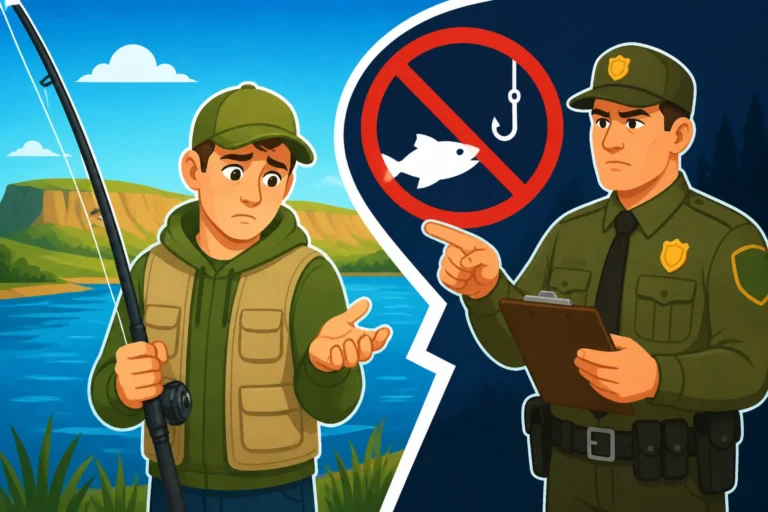
It's a beautiful day out on the lake. You've got your gear, the sun is shining, and the fish are biting. Suddenly, a boat approaches, and it's a North Dakota Game and Fish warden. They ask to see your license, and you realize with a sinking feeling that you forgot to renew it, or perhaps you never purchased one in the first place. This scenario plays out more often than you might think, and the outcome is rarely pleasant. Fishing without a license isn't just a minor oversight; it's a violation of state law, and the consequences can range from a hefty fine to more severe legal repercussions.
Common Penalties and Fines
The primary penalty for fishing without a license in North Dakota is typically a fine. While the exact amount can vary depending on the specific circumstances, such as whether it's a first offense, if you were also violating other regulations, or even the discretion of the issuing officer, you can expect it to be a significant deterrent. Many sources indicate that the fine for fishing without a license can start in the hundreds of dollars, potentially ranging from $100 to $250 or more for a first offense. This is a stark reminder that the North Dakota Fishing License Cost Guide often pales in comparison to the penalty for skipping it. It's far more economical, and less stressful, to simply buy the required license.
For example, a typical fine for a non-resident caught without a license might be on the higher end, especially if they are found to be deliberately evading the regulations. The state views these laws seriously because license sales directly fund critical conservation programs, habitat restoration, and fisheries management. When someone fishes without a license, they're not contributing their share, and that impacts everyone's ability to enjoy North Dakota's natural resources. It's also worth noting that if you were violating other rules, such as exceeding North Dakota Walleye Size Limit Rules or North Dakota Northern Pike Daily Limit, those would be separate, additional citations, compounding the financial impact.
Other Repercussions Beyond the Fine
While the financial hit from a fine is certainly unpleasant, the consequences of fishing without a license in North Dakota can extend beyond just monetary penalties. One of the most immediate repercussions is the potential for your fishing equipment to be confiscated. This isn't just a minor inconvenience; losing a valuable fishing rod, reel, or even an entire tackle box can be a significant blow, especially if you've invested in quality gear from retailers like Amazon. Imagine losing your favorite setup because you forgot a $30 license!
Furthermore, a conviction for fishing without a license can lead to the loss of your fishing privileges for a certain period. This means you could be legally barred from fishing in North Dakota, and sometimes even in other states that have reciprocal agreements. This can be particularly devastating for avid anglers who plan their entire year around fishing seasons. Repeated offenses, or offenses combined with other serious violations, can escalate to misdemeanor charges, potentially leading to court appearances, legal fees, and even jail time in extreme cases. It's a severe reminder that these regulations are not suggestions but enforceable laws designed to protect our natural resources for everyone. Always having your license, whether a physical card or on your phone, is your best defense against these undesirable outcomes.
Navigating the Legal Process After a Violation
Getting a citation for fishing without a license can be a jarring experience. Your heart sinks, your day is ruined, and now you're faced with a piece of paper that outlines a fine and possibly a court date. It's easy to feel overwhelmed, but understanding the steps you can take is crucial. Don't panic; there's a process to follow, and knowing your rights is key.
What to Do if You Receive a Citation
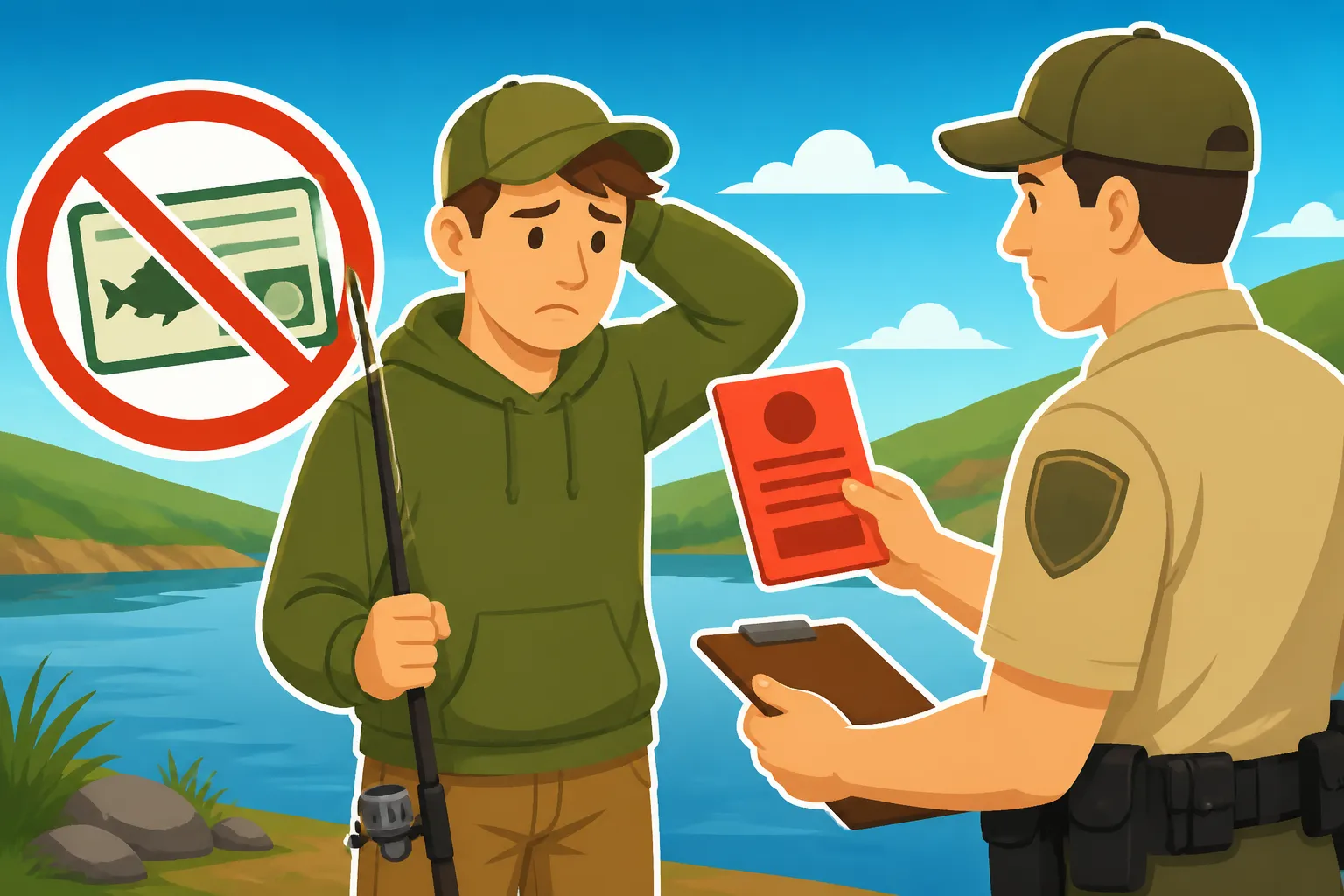
If a game warden issues you a citation for fishing without a license, the first and most important thing to do is remain calm and be polite. Arguing or becoming defensive at the scene is unlikely to help your situation and could potentially lead to additional charges. The warden is simply doing their job to enforce the North Dakota Fishing Regulations Explained. Listen carefully to what they say, take the citation, and ask any clarifying questions about the process, such as the deadline for payment or how to contact the court if needed. They will typically provide you with a specific court date or a deadline by which you need to pay the fine or contest the citation.
Once you have the citation, read it thoroughly. It will detail the specific violation, the fine amount, and instructions on how to proceed. Generally, you'll have two options: pay the fine or contest it. If you choose to pay, you'll typically send the payment to the address listed on the citation or pay online through the court's website. If you were genuinely unaware or believe there was a mistake (perhaps you had a valid license but couldn't produce it at the moment), you might consider contesting the ticket. However, if you simply forgot or knowingly fished without a license, paying the fine is usually the most straightforward path. It's also wise to check the box indicating a plea of "guilty" or "no contest" if you intend to pay, which is often an option on the citation itself. This decision can impact your fishing privileges down the line, so consider it carefully. For additional resources, understanding the broader North Dakota Fishing Regulations Explained can help you understand the context of your citation.
Appealing a Fine and Understanding Your Rights
For those who believe they've been unfairly cited or have a valid defense, appealing the fine is an option. This usually involves appearing in court on the date specified on your citation. Before you go, gather all relevant documentation, such as proof of purchase if you did have a license but it wasn't on you, or any other evidence that supports your case. For instance, if you purchased your license online through the NDGFD website or a third-party vendor like Amazon (for related fishing gear, not licenses), you could bring a printout of your transaction.
When you appear in court, you'll have the opportunity to present your side of the story to the judge. It's important to be respectful, clear, and concise. While you're not obligated to have a lawyer for a fishing license violation, it's always an option if you feel your case is complex or if there are other charges involved. The judge will listen to your testimony and the officer's account, then make a decision. They might reduce the fine, dismiss the charge, or uphold the original penalty. Keep in mind that contesting a ticket means taking time off for court, and there's no guarantee the outcome will be favorable. Weigh the time, effort, and potential legal costs against the fine itself before deciding whether to appeal. Understanding your rights means knowing you have the option to explain your situation, but it also means understanding the legal system's limitations and the strength of the evidence against you.
Preventing Future Violations
Nobody wants to deal with fines, court dates, or the confiscation of their beloved fishing gear. The good news is that preventing future violations is incredibly straightforward and simply requires a bit of planning and diligence. Staying on the right side of North Dakota's fishing laws is not only about avoiding penalties but also about being a responsible steward of our shared natural resources.
How and Where to Purchase a License Legally
The easiest and most effective way to avoid a "North Dakota Fishing Without a License Fine" is, unsurprisingly, to purchase a valid license! North Dakota has made it incredibly convenient to obtain your fishing license. The most common and recommended method is through the North Dakota Game and Fish Department's official website. Here, you can quickly purchase a new license or How to Renew a North Dakota Fishing License Online with just a few clicks. Your license can often be printed immediately or saved to your mobile device, making it accessible even if you forget your wallet.
For those who prefer a more traditional approach, licenses are also widely available at various retail vendors across the state. These include sporting goods stores, bait shops, and even some larger chain stores like Walmart. When purchasing in person, remember to bring your identification, and if you're a resident, proof of residency. They'll process your North Dakota Fishing License Cost Guide and issue you a physical copy right there. This method is great because you can also pick up any last-minute bait or tackle you might need. Don't forget, when you buy your fishing license, you'll also need to purchase The Fishing, Hunting, Furbearer Certificate Explained if you haven't already done so for the current season. This certificate is crucial and often overlooked.
Staying Informed About Regulation Changes
North Dakota's fishing regulations, like those in any dynamic state with diverse fisheries, are subject to change. What was legal last year might have a slight modification this year, whether it's an updated North Dakota Walleye Size Limit Rules on Lake Sakakawea, a change to North Dakota Ice Fishing Rules, or new Aquatic Nuisance Species Rules for Boaters. The best anglers are not just good at catching fish but are also well-informed about the rules that govern their sport.
The primary resource for staying up-to-date is the official North Dakota Game and Fish Department's fishing proclamation. This comprehensive guide is updated annually and details all the rules, limits, and special regulations for every species and body of water in the state. You can find this online as a PDF, or pick up a physical copy at most license vendors. I always recommend downloading the latest version to your phone or printing out the relevant sections for your planned fishing trip. Additionally, signing up for the NDGFD's email newsletters or following their social media channels can provide timely updates on rule changes, fishing reports, and other important alerts. There are also many excellent fishing forums and online communities where local anglers share insights and discuss current regulations. Always double-check any information against the official NDGFD resources. A few minutes spent reviewing the rules can save you hours of trouble and potential fines down the road, ensuring your time on the water is nothing but enjoyable.
North Dakota Fishing License and Fine Overview
To help put things in perspective, here's a quick overview of typical license requirements and potential fine ranges. Please remember that fines are subject to change and depend heavily on individual circumstances and court discretion.
| License Type | Eligibility | Approximate Cost (Annual) | Do You Need the Certificate? | Typical Fine (No License) | Potential Other Penalties |
|---|---|---|---|---|---|
| Resident Fishing (Age 16+) | ND Resident, 16+ | $18 – $25 | Yes | $100 – $250+ | Equipment confiscation, privilege loss |
| Nonresident Season Fishing | Nonresident, 16+ | $45 – $55 | Yes | $150 – $350+ | Equipment confiscation, privilege loss |
| Nonresident 3-Day License | Nonresident, 16+ | $15 – $20 | Yes | $150 – $350+ | Equipment confiscation, privilege loss |
| Nonresident 10-Day License | Nonresident, 16+ | $30 – $40 | Yes | $150 – $350+ | Equipment confiscation, privilege loss |
| Senior Resident Fishing (65+) | ND Resident, 65+ | Reduced / Free | Yes (often reduced) | $100 – $250+ | Equipment confiscation, privilege loss |
| Kids (Under 16) | All, Under 16 | Free | No | N/A (no license required) | N/A |
Note: The "Fishing, Hunting, Furbearer Certificate" is typically an additional $20-$30 for residents and nonresidents, depending on other licenses purchased. All costs are approximate and subject to change by the North Dakota Game and Fish Department.
Disclaimer
The information provided in this guide is for general informational purposes only and does not constitute legal advice. While we strive to offer accurate and up-to-date content, North Dakota's fishing regulations and associated penalties can change. Always consult the official North Dakota Game and Fish Department website or their current fishing proclamation for the most precise and legally binding information before engaging in any fishing activities.