North Dakota Fishing Regulations Booklet 2026 to 2028
Trying to make sense of all the rules and regulations for fishing can sometimes feel like you need a law degree just to cast a line. It's frustrating to want to enjoy a peaceful day on the water, only to be constantly worried about whether you're accidentally breaking a rule. This guide is here to help you understand the upcoming North Dakota Fishing Regulations Booklet for 2026 to 2028, ensuring you're well-prepared and confident for your next angling adventure in the Peace Garden State.
Why Keeping Up with the Regulations Booklet is So Crucial
It’s easy to think of regulations as just a bunch of tedious rules, but truly understanding the North Dakota Fishing Regulations Booklet is paramount for any angler. It's not just about compliance; it's about protecting yourself and the incredible natural resources we're so lucky to have in North Dakota.
Avoiding Costly Fines and Headaches
Let's be honest, nobody wants to get a ticket while they're out enjoying nature. The fines for violating fishing regulations in North Dakota can be significant, and they often come with additional court costs. Imagine reeling in what you think is a trophy walleye, only to find out you've kept one too many, or it's undersized for the specific lake you're on. Not only could you face a hefty fine, but in some serious cases, you could even lose your fishing privileges or have your gear confiscated. These aren't just hypothetical scenarios; game wardens are out there protecting our waters, and they are well-versed in the rules. A simple misunderstanding of a length limit, daily creel, or even a specific lake's unique rules could turn a great day into a very expensive learning experience. It's truly a headache you don't need, and it's completely avoidable by simply being informed. For a broader overview of the rules, you might find our guide on North Dakota Fishing Regulations Explained helpful.
Protecting North Dakota's Fisheries
Beyond the personal consequences, understanding and adhering to the regulations is fundamentally about conservation. These rules aren't arbitrary; they are carefully crafted by the North Dakota Game and Fish Department (NDGFD) based on extensive scientific research into fish populations, habitat health, and environmental factors. For example, length limits for species like walleye or northern pike in specific lakes are designed to protect spawning populations, ensuring there are enough mature fish to reproduce and maintain healthy numbers for future years. Daily limits prevent overharvesting, especially during peak seasons or for popular species. When we follow these regulations, we're actively participating in the sustainable management of our lakes and rivers, ensuring that our children and grandchildren will also have the opportunity to experience the joy of fishing in North Dakota. It's a collective responsibility that every angler shares, and the regulations booklet is our roadmap for fulfilling that duty.
Where to Find and Access the Official 2026-2028 Booklet
When the time comes for the new 2026-2028 North Dakota Fishing Regulations Booklet, knowing exactly where to lay your hands on it is half the battle. Fortunately, the NDGFD makes it relatively easy to access this vital information, whether you prefer digital or a good old-fashioned paper copy.
Online Digital Access
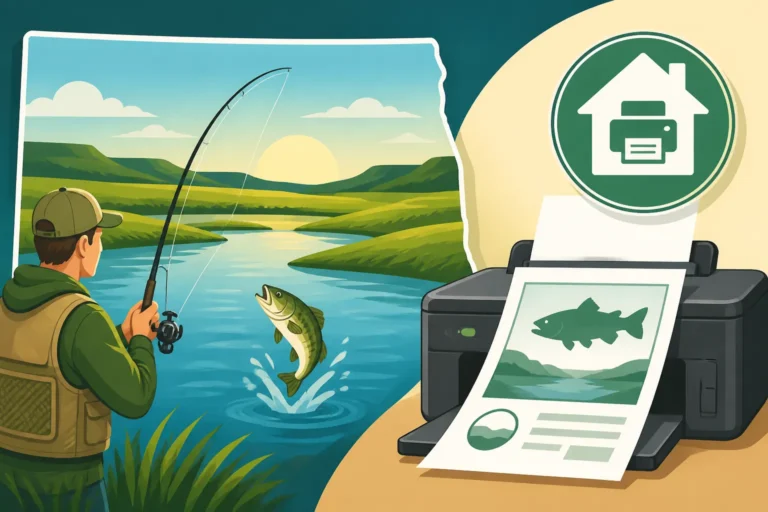
For many modern anglers, the most convenient way to access the regulations booklet will be online. The North Dakota Game and Fish Department website (gf.nd.gov) is the official and most up-to-date source for all fishing regulations. Once the 2026-2028 booklet is released, you'll typically find it prominently displayed on their fishing section. The benefits of digital access are numerous: it's searchable, meaning you can quickly look up specific rules for a particular lake or species; it’s always the most current version, so you don't have to worry about outdated information; and it's easily accessible on your smartphone or tablet while you're out on the water. Many anglers even download the PDF to their device for offline access, which is a smart move if you're heading to an area with spotty cell service. If you prefer a physical copy but still want the latest version, you can always print sections or the entire booklet from the website. Keeping a digital copy on your phone is a great way to always have the North Dakota Fishing License Guide at your fingertips too.
Physical Copies and Retail Locations
While digital is convenient, nothing beats the tangible feel of a physical booklet for some anglers. There's something reassuring about flipping through the pages, highlighting important sections, or sticking it in your tackle box for quick reference. When the 2026-2028 regulations are released, physical copies will be distributed to a wide range of locations across the state. Your best bet will be local sporting goods stores, independent bait shops, and even larger retailers that sell fishing gear. Places like Fleet Farm, Scheels, and even some smaller general stores in fishing communities will typically have stacks of the current regulations booklets available for free. It’s always a good idea to grab a fresh copy each season, or at least every regulation cycle, as soon as they become available. That way, you know you have the most accurate information. While you might not find the official booklet directly on Amazon, you can certainly stock up on essential gear there, like a good waterproof case to protect your paper regulations copy or a reliable fish measuring board to ensure you're always within the legal limits. Our guide on Where to Buy a North Dakota Fishing License also lists many of these same retail locations, as they often handle both license sales and regulation booklet distribution.
Key Changes and What to Look For in the New Edition
Every few years, the fishing regulations in North Dakota get a refresh. The 2026-2028 cycle will be no different. It's absolutely vital to pay close attention to the new edition because what was legal last year might not be in the next cycle, and that can catch even seasoned anglers off guard.
Understanding Regulation Cycles and Updates
It's natural to wonder why regulations change at all. The truth is, North Dakota's fisheries are dynamic ecosystems, constantly influenced by factors like water levels, invasive species, climate, and angler pressure. The NDGFD continually monitors fish populations, conducts surveys, and analyzes data to ensure healthy fish stocks. When they notice a particular species is struggling, or perhaps thriving beyond expectations in certain waters, they might adjust regulations to either protect or allow for greater harvest. Feedback from anglers, conservation groups, and scientific studies all play a role in these decisions. Regulation cycles, typically every two years in North Dakota, allow the department to implement these necessary changes in a structured manner, giving anglers time to adapt. So, while it can feel like a chore to relearn some rules, remember it's all part of a larger plan to keep North Dakota a premier fishing destination for everyone. For a deeper dive into how different species are managed throughout the year, check out How Fishing Seasons Vary by Species in North Dakota.
Common Areas of Change to Scrutinize
When you first get your hands on the 2026-2028 booklet, don't just skim it. Pay very close attention to certain sections that are most prone to change. The big three are almost always daily limits, length limits, and season dates for popular game fish.
- Walleye: This is arguably North Dakota's most prized fish, and its regulations are often tweaked. You might see changes to the number of walleye you can keep per day, or specific slot limits (e.g., all walleye between 18 and 24 inches must be released) on certain bodies of water like Lake Sakakawea or Devils Lake. Always double-check the walleye section for any lake you plan to fish. You can learn more in our dedicated guide to North Dakota Walleye Size Limit Rules.
- Northern Pike: Known as the "water wolf," pike populations can fluctuate, leading to adjustments in daily limits or even spear-fishing regulations. Sometimes, the NDGFD might encourage more harvest of smaller pike in certain areas to reduce predation on other species. Keep an eye on any changes regarding pike, especially on large systems like the Missouri River or the Red River. Our article on North Dakota Northern Pike Daily Limit offers more details.
- Yellow Perch and Panfish: Perch are a wintertime favorite, and their populations can boom or bust quickly. While generally generous, daily limits for yellow perch, crappie, or bluegill might be adjusted for specific lakes experiencing heavy pressure or population shifts. You'll want to review the panfish section carefully. See our guide on Yellow Perch and Panfish Daily Limits Explained for current rules.
- Channel Catfish: Particularly on the legendary Red River, catfish regulations are usually stable, but always worth a quick look. Changes might affect specific tributaries or unique circumstances. Our resource on North Dakota Catfish Limit Rules provides further information.
Beyond species-specific rules, also watch for updates on:
- Aquatic Nuisance Species (ANS): These rules are continuously updated to prevent the spread of invaders like zebra mussels. Expect strong emphasis on "Clean, Drain, Dry" your boat and gear.
- Special Waters: Certain lakes, rivers, or even specific embayments might have unique regulations that differ from statewide rules. Always look for sections dedicated to "Special Regulations" or specific water bodies.
Here's a quick look at common areas of change you should always scrutinize:
| Regulation Category | Common Changes to Look For | Specific Areas Often Affected |
|---|---|---|
| Daily Limits | Increase or decrease in fish allowed per day. | Walleye, Northern Pike, Yellow Perch |
| Length Limits | Minimum/maximum sizes, protected slot limits. | Walleye, Northern Pike, Smallmouth Bass |
| Season Dates | Opening/closing dates for specific species. | Trout, Paddlefish (specific seasons) |
| Gear Restrictions | Bait restrictions, number of lines allowed (especially for ice fishing), tackle types. | Specific lakes, Ice fishing |
| ANS Regulations | Updated "Clean, Drain, Dry" rules, inspection requirements. | All waters, boaters especially |
| Special Waters | Unique rules for specific lakes, rivers, tribal lands. | Devils Lake, Lake Sakakawea, Red River |
Navigating the Booklet Like a Pro (Tips and Tricks)
Once you have the 2026-2028 North Dakota Fishing Regulations Booklet in hand, whether digital or physical, the next step is to actually digest the information. It can seem overwhelming, but with a few simple strategies, you can become a pro at navigating those pages and confidently knowing the rules.
Effective Reading Strategies
The biggest mistake many anglers make is simply skimming the regulations. Don't do it! Treat the booklet as an essential piece of gear, just like your rod and reel. Start by understanding the overall structure. Most regulation booklets are organized logically, beginning with general statewide regulations that apply everywhere, and then moving into species-specific rules, and finally, special regulations for individual lakes or river sections.
First, take the time to read the "General Regulations" section thoroughly. This covers universal rules like how many lines you can use, legal fishing hours, definitions of what constitutes a legal method, and the requirements for a valid fishing license. This foundational knowledge is critical for every trip. Our comprehensive North Dakota Fishing License Guide can help ensure you have the correct documentation before you even cast a line.
Next, use the table of contents and index. If you're heading to Lake Sakakawea specifically for walleye, go directly to the "Walleye" section and then look for "Lake Sakakawea" under special regulations. Don't assume. Always cross-reference the statewide rule with any specific exceptions for your chosen body of water. Pay attention to bolded text or shaded boxes, as these often highlight new rules or critical information. Consider using a highlighter for rules that apply most directly to your favorite species and locations.
Don't Forget the Details: ANS and Special Waters
Beyond the basic catch limits, some of the most overlooked, yet crucial, sections of the regulations booklet involve Aquatic Nuisance Species (ANS) and special water body rules. These details are critical for both compliance and protecting North Dakota's aquatic environments.
Aquatic Nuisance Species regulations are non-negotiable. The "Clean, Drain, Dry" mandate for boats and related equipment is designed to prevent the introduction and spread of invasive species like zebra mussels, which can wreak havoc on ecosystems and infrastructure. The regulations will outline specific steps you must take to ensure your boat, trailer, and all fishing gear are free of plants, mud, and water before leaving a boat ramp. Ignorance of these rules is not an excuse, and game wardens are vigilant about enforcing them. Always consult the most recent ANS rules, as they can evolve based on new threats or containment efforts. You can find detailed information in our article about Aquatic Nuisance Species Rules for Boaters.
Additionally, pay very close attention to sections detailing regulations for "Special Waters." This includes:
- Tribal Waters: Fishing on waters that fall within tribal lands, such as portions of Lake Sakakawea managed by the Three Affiliated Tribes or Devils Lake Sioux Tribe waters, often requires a separate tribal permit in addition to your state license. Always verify the specific requirements for these areas. Our guide on Fishing Rules on North Dakota Tribal Waters can help clarify this.
- State Parks: While your state fishing license is typically valid, some state parks might have specific access rules or conservation zones where fishing is restricted. It’s always wise to check with the park office beforehand or consult the relevant section in the booklet. For more on this, refer to Fishing in North Dakota State Parks.
- Border Waters: If you fish the Red River, which forms part of the North Dakota-Minnesota border, or other border waters with neighboring states, there are often reciprocal agreements or unique regulations that apply. This means rules might differ from the standard statewide North Dakota regulations, and sometimes a license from either state might be valid under specific conditions. Our piece on Reciprocal Fishing Rules on the Red River Border Waters delves into these specifics.
By taking the time to thoroughly read and understand these often-overlooked sections, you ensure you're fishing legally and responsibly, contributing to the long-term health of North Dakota's incredible fishing resources.
Disclaimer
The information provided in this guide is for general informational purposes only and is not legal advice. Fishing regulations in North Dakota are subject to change. Always consult the official North Dakota Game and Fish Department (NDGFD) regulations booklet and website for the most current and accurate information before engaging in any fishing activities.