Devils Lake Perch Fishing Spots
Navigating the vast, ever-changing waters of Devils Lake in North Dakota can feel like trying to solve a puzzle, especially when you’re on the hunt for those elusive, trophy-sized yellow perch. It’s easy to get overwhelmed by the sheer size and the countless bays, but knowing where to start and what to look for is key to a successful outing. This comprehensive guide is here to unravel the mysteries of Devils Lake, directing you to the prime perch fishing spots and equipping you with the knowledge to make your next trip unforgettable.
Understanding Devils Lake's Unique Perch Habitat
Devils Lake isn't just any large body of water; it's an incredibly dynamic and complex ecosystem, constantly changing its shape and depth due to fluctuating water levels. This unique characteristic directly impacts where yellow perch thrive and where anglers can find them throughout the year. Understanding this environment is the first step to consistently locating productive perch fishing spots.
The Ever-Changing Water Levels and Their Impact
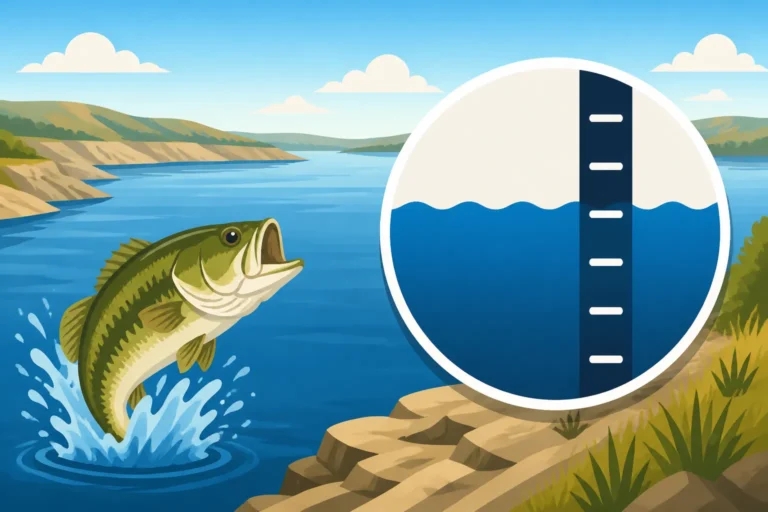
Over the decades, Devils Lake has experienced dramatic water level fluctuations, expanding its surface area significantly and flooding vast tracts of land. This isn't just an interesting fact; it's a critical factor for perch fishing. As the water rises, it inundates new terrestrial vegetation, trees, and structures that were once dry land. This creates an explosion of new habitat, providing perch with endless hiding spots, ambush points for feeding, and protected areas for spawning. What might have been a shoreline marsh a few years ago could now be prime, submerged cover teeming with perch. Conversely, during periods of lower water, the perch might consolidate into deeper basins or around more established structures. Keeping an eye on the current water levels, perhaps by checking resources like the North Dakota Game and Fish Department's lake level reports or local bait shop intel, can give you a significant advantage in pinpointing where the fish are likely concentrated.
These water level shifts also affect the overall productivity of the lake. When new land is flooded, it releases nutrients into the water, fueling the base of the food chain, which in turn supports a robust perch population. This constant renewal of habitat and food sources is one of the reasons Devils Lake is renowned for its exceptional yellow perch fishing. The challenge, of course, is that a spot that was hot last year might be drastically different this year if the water has risen or fallen significantly. It requires anglers to be adaptable, to use their electronics effectively, and sometimes, to simply explore new areas that look promising based on the current conditions.
Submerged Timber and Structure as Perch Magnets
One of the defining features of Devils Lake's perch habitat is the abundance of submerged timber and structure. As the lake expanded, it swallowed up entire farms, roads, shelterbelts, and even old towns, leaving behind an underwater landscape rich with cover. These drowned trees, fence lines, and foundations become critical sanctuaries for yellow perch. They offer protection from predators like northern pike and walleye, provide shade and cooler water during warmer months, and serve as ambush points for feeding on smaller baitfish and invertebrates.
Anglers targeting perch absolutely need to focus on these structural elements. Whether you're fishing in open water or through the ice, these submerged forests are where you'll find schools of perch holding tight. Using a good fish finder with side-imaging or down-imaging capabilities can be invaluable for identifying these underwater features. Look for dense clusters of timber, old roadbeds, rock piles, or even humps and points that used to be hills on dry land. The key is often not just finding the structure, but finding the right structure – often, the edges or pockets within a vast timber field will hold the most active fish. It’s also worth noting that perch often relate to specific types of wood or rock, so paying attention to what you’re marking on your electronics and getting bites on can help you replicate success across the lake.
Perch Forage and Movement Patterns
Understanding what yellow perch eat and how they move around the lake is fundamental to successful fishing. Devils Lake is home to a rich variety of forage, including freshwater shrimp (gammarus), minnows, insect larvae, and even the eggs of other fish. The abundance of this forage, particularly the freshwater shrimp, is a major reason why Devils Lake perch grow so large and healthy. Perch are opportunistic feeders, and their diet can shift seasonally depending on what's most available.
Their movement patterns are directly linked to these food sources, as well as water temperature and oxygen levels. In general, perch are schooling fish, meaning if you find one, you're likely to find many. During the spring and fall, they might move shallower to feed and spawn, often relating to shallower submerged vegetation or structure. In the summer, as surface waters warm, they tend to move deeper, seeking cooler temperatures and stable food sources, often suspending over deeper basins or congregating around deeper structure. In winter, during ice fishing season, they’ll often be found near deeper humps, points, and basins, but they can also push into shallower flooded timber for feeding. Recognizing these seasonal shifts in depth and location is crucial. Experienced anglers on FishingBooker often share insights into current patterns, highlighting how dynamic perch behavior can be on Devils Lake. Staying informed about these patterns, whether through local reports or your own observations, will significantly increase your catch rates.
Top Devils Lake Perch Fishing Hotspots
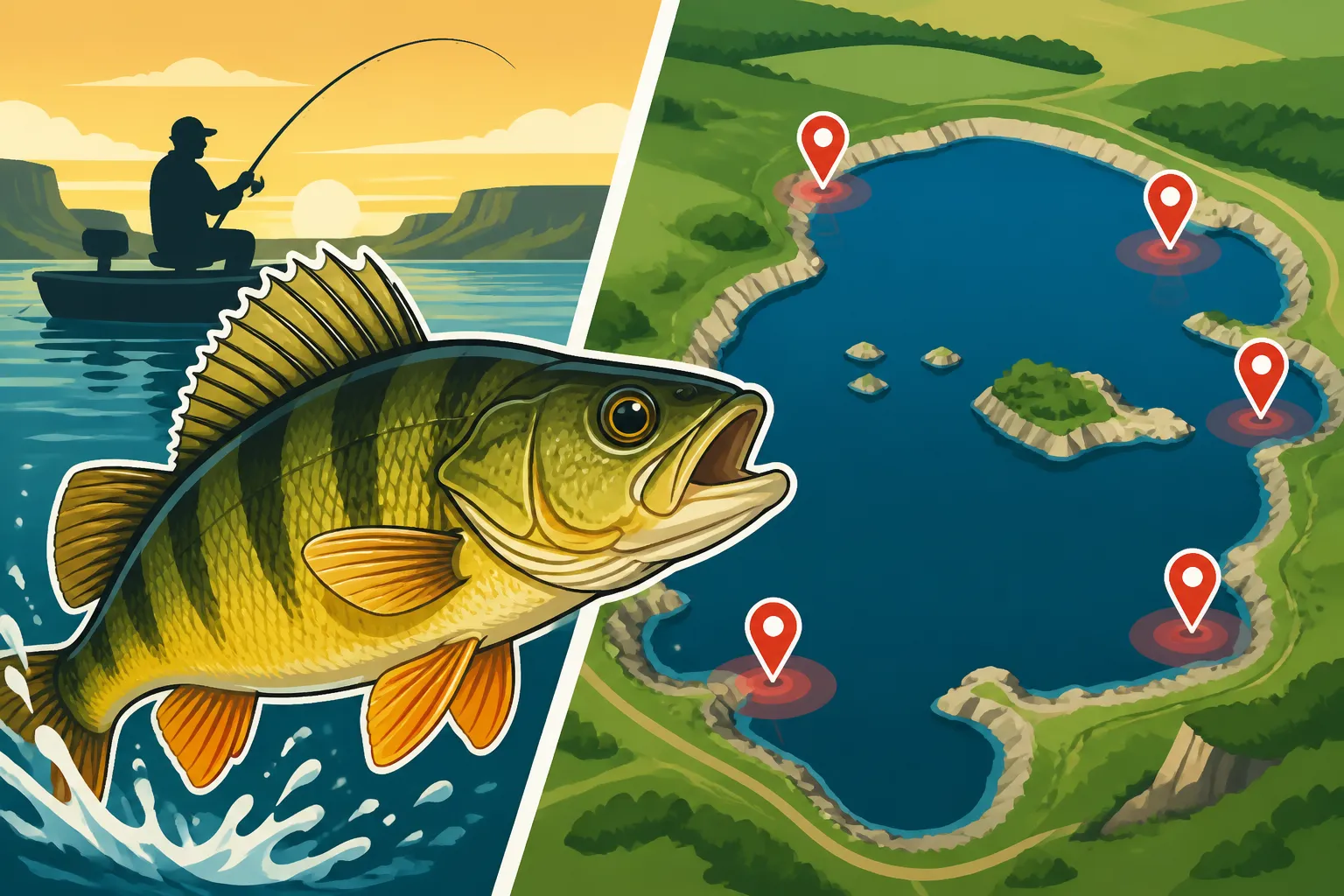
Devils Lake is a sprawling body of water, and while perch can be found throughout, certain bays and areas are consistently more productive due to their unique features and extensive submerged structure. Knowing these prime locations can save you valuable time and put you on the fish faster.
Creel Bay and East Bay Strategies
Creel Bay is arguably one of the most famous and productive perch fishing areas on Devils Lake, and for good reason. It's a vast bay with a diverse underwater landscape, featuring extensive areas of flooded timber, old roadbeds, and gradual depth changes that appeal to perch throughout the year. During the open water season, anglers often focus on the deeper channels and submerged points within Creel Bay, especially those with good timber. Trolling crankbaits or drifting with live bait rigs can be very effective here. The perch will often hold to the edges of the timber or on subtle breaks where they can ambush baitfish.
Come winter, Creel Bay transforms into an ice fishing paradise. The sheer amount of structure means anglers spread out, but productive holes are often found in areas where old trees provide vertical cover. Look for slight depressions or humps on your sonar in 15-30 feet of water. Many local anglers will spend days moving around in Creel Bay, drilling dozens of holes until they find an active school. The consistent success in Creel Bay is a testament to its rich habitat, making it a must-visit for any serious perch angler. Similarly, East Bay offers extensive flooded timber and gradual slopes, making it another fantastic option. It's often productive to work the transitions where the old shoreline drops into deeper water, especially if there's timber present. These areas provide both cover and access to deeper water for the perch.
Mauvais Coulee and Six Mile Bay Secrets
Mauvais Coulee, located on the western side of Devils Lake, is another excellent perch producer. This area is characterized by its long, winding channels and numerous submerged humps and points. The coulee itself provides a natural funnel for water flow and baitfish movement, which in turn attracts hungry perch. During summer, anglers often target the deeper pockets and the edges of the coulee's channels, particularly where there's good bottom contour or isolated timber. Drifting with jigging spoons or working soft plastics can be very effective in these areas.
Six Mile Bay, situated further east, offers a slightly different character with large, relatively open flats interspersed with critical submerged structure. This bay can be fantastic for perch, especially when they are actively feeding on the flats. However, the true "secrets" often lie in identifying the subtle changes in depth, the scattered rock piles, or the isolated patches of timber that might not be as obvious as the dense forests of Creel Bay. Using your electronics to mark these isolated pieces of structure is paramount. These less-obvious spots can hold large schools of perch that see less pressure. For those new to the lake, hiring a guide found on platforms like FishingBooker can quickly unlock these lesser-known, yet highly productive, perch hideouts in Six Mile Bay and other areas.
Minnewaukan Flats and the Main Lake Basin
The Minnewaukan Flats, located near the town of Minnewaukan, represent a significant and productive area for yellow perch. This region is known for its relatively shallow, expansive flats that transition into deeper contours and channels. While "flats" might sound featureless, these areas are often dotted with submerged vegetation, subtle humps, and old roadbeds that provide ideal perch habitat. During periods when perch are actively feeding on freshwater shrimp or minnows across these flats, they can be found in large, roaming schools. Anglers here often employ a search-and-destroy method, covering ground quickly with electronics until schools are located.
Beyond the specific bays, the deeper sections of the main lake basin also hold significant perch populations, especially during the warmer summer months and often in winter. These deeper areas, sometimes 40-60 feet or more, might seem intimidating, but they often feature extensive mudflats, deep humps, and isolated rock piles that act as major congregation points for perch. When fish move off the shallower structures, they often pull out into these deeper basins, suspending over the mud or hugging bottom on the humps. Precision jigging with heavy spoons or aggressive presentations can be very effective in these deep-water scenarios. Understanding how to find perch schools under the ice in these deeper main lake areas is a skill that takes time, but it can reward anglers with some of the largest perch the lake has to offer. This is where advanced fish finders become crucial, allowing you to mark individual fish or tight schools in the depths.
Seasonal Perch Fishing Strategies for Devils Lake
Yellow perch behavior, and thus the most effective fishing strategies, change dramatically with the seasons on Devils Lake. What works in the spring won't necessarily yield results in the dead of winter. Adapting your approach to the prevailing conditions and the perch's biological drivers is essential for year-round success.
Spring Ice-Out Perch Pursuit
The period right after ice-out on Devils Lake, typically in April or early May, is an exciting time for perch fishing. As the ice melts and water temperatures begin to rise, perch start to become more active, moving into shallower areas to feed heavily and prepare for spawning. You'll often find them congregating in bays and protected areas that warm up faster, especially those with remaining submerged vegetation from the previous season. Creek mouths and inflowing water can also be hotspots, as they bring in warmer water and fresh nutrients.
During this time, perch are often very aggressive. Light jigging with small jigs tipped with maggots, minnow heads, or soft plastic baits can be incredibly effective. Consider using a slip bobber setup to present live bait like small minnows just above the bottom in these shallower zones. Depths of 5-15 feet are often productive, but don't be afraid to explore even shallower if you find warmer water. Look for any emergent or submerged weeds, as these provide both cover and food for the hungry perch. The perch will be putting on the feedbag before their spawn, making them very catchable, so being on the water right after the ice breaks up can lead to some fantastic action.
Summer Open Water Perch Tactics
Summer fishing for yellow perch on Devils Lake can be excellent, but it often requires adapting to the fish moving deeper as surface waters warm. During the peak summer months, perch will typically relocate to cooler, deeper parts of the lake, often relating to submerged humps, deep rock piles, and the vast timber fields found in bays like Creel Bay or East Bay. They might suspend over deeper basins or hug the bottom on structural elements in 20-40 feet of water.
Trolling with small crankbaits or spinner rigs tipped with worms (like the classic Lindy Rig or a plain bottom bouncer with a worm harness) can be highly effective for covering ground and locating schools of perch. Once a school is found, vertical jigging with spoons, heavy jigs, or drop-shot rigs becomes the go-to tactic. Pay close attention to your fish finder; perch often appear as dense schools on the bottom or suspended slightly above it. The key is to present your bait precisely to these marked fish. Remember that North Dakota Fishing Regulations Explained outline specific rules for open water fishing, so always double-check current limits and methods. Local FishingBooker guides often recommend specific lure colors or presentations that are currently hot, as perch can be quite particular in summer.
Fall Pre-Freeze Perch Frenzy
As autumn arrives and water temperatures begin to cool, yellow perch in Devils Lake enter another aggressive feeding phase in preparation for winter. This "fall bite" can be spectacular, with perch moving back into shallower to mid-depth ranges, often along the edges of bays, submerged points, and vast weed lines that haven't completely died back. Depths of 10-25 feet are often key during this time, but they can be found shallower or deeper depending on the specific water temperature and baitfish movements.
During this pre-freeze period, perch are actively chasing baitfish and gorging on freshwater shrimp. Spinner rigs, especially those with flashy blades and tipped with minnows or worms, are highly effective when drifted or slowly trolled. Jigging spoons and small Rapala-style baits can also trigger aggressive strikes when presented near schools. Look for concentrations of baitfish on your electronics, as perch won't be far behind. This is a prime time for anglers to load up on large perch before the ice sets in, as the fish are at their heaviest and most active. The colder water also means the fish keep well, making for excellent table fare.
Winter Ice Fishing for Devils Lake Perch
Devils Lake is perhaps most famous for its incredible ice fishing, particularly for yellow perch. Once the lake freezes solid, usually by late November or early December, anglers flock to its expansive frozen surface. Perch typically congregate in large schools during winter, often found in 15-40 feet of water, relating to deep humps, points, submerged timber, and the edges of the main lake basin. The key to success is locating these schools.
Ice fishing for perch on Devils Lake involves a lot of drilling and moving, especially if you want to find the most active fish. Popular areas like Creel Bay, Mauvais Coulee, and East Bay become dotted with ice houses and portable shelters. Small jigs tipped with wax worms, spikes, or a minnow head are the standard presentation. Perch Jigging Techniques for Devils Lake often involve subtle rod tip movements, sometimes barely lifting the bait off the bottom, or aggressively pounding it to attract attention. Using a good flasher or a fish finder specifically designed for ice fishing, like those from Vexilar or Humminbird, is almost mandatory to see your bait and the fish below. These electronics allow you to detect subtle bites and adjust your presentation in real-time. Knowing how to find perch schools under the ice is paramount, as finding one fish usually means finding a hundred. Ice Fishing Auger Techniques are also important, as you'll be drilling many holes to locate these roaming schools. Don't forget to review North Dakota Ice Fishing Rules for regulations regarding shelters and lines.
Essential Gear and Techniques for Devils Lake Perch
Successful perch fishing on Devils Lake isn't just about knowing where to go; it's also about having the right tools and knowing how to use them. The sheer size and diversity of the lake demand specific gear and refined techniques to consistently land those prized yellow perch.
Rods, Reels, and Line for Perch
For yellow perch fishing on Devils Lake, a sensitive yet sturdy rod and reel setup is crucial. A 6 to 7-foot light to medium-light spinning rod is generally ideal for open water. Look for a rod with a fast action tip that allows you to feel the subtle bites of perch, but enough backbone to handle a good-sized fish, especially if you accidentally hook into a walleye or pike. Paired with a small spinning reel in the 1000 or 2000 series, spooled with 4-6 pound monofilament or fluorocarbon line, you’ll have a balanced and effective setup. Some anglers prefer a superline (braid) for its sensitivity and lack of stretch, often pairing it with a fluorocarbon leader for stealth.
For ice fishing, shorter rods are the norm, typically 24 to 32 inches in length. A light or ultralight action rod with a sensitive spring bobber or a very soft tip is essential for detecting the incredibly light bites often associated with winter perch. Many experienced anglers use "noodle" rods, which have an extremely soft tip to visually telegraph a bite. Pair these with a small spinning reel, again spooled with 4-6 pound test monofilament or fluorocarbon. The best ice fishing rod for perch needs to be light enough to jig all day without fatigue and sensitive enough to feel the slightest tap.
Best Baits and Lures for Devils Lake Perch
When it comes to baits and lures for Devils Lake perch, variety is key, as their preferences can change daily. Live bait is almost always a top choice. Small minnows, particularly fatheads or shiners, are incredibly effective, especially when fished under a slip bobber or on a light jig. Pieces of nightcrawler or wax worms are also consistent producers. For artificials, small jigs (1/16 to 1/8 ounce) in bright colors like chartreuse, orange, or glow patterns are staple. These can be tipped with a small minnow head, a wax worm, or a plastic grub for added scent and appeal.
Jigging spoons, such as Custom Jigs & Spins Chekai or Lindy Rattl'n Flyer spoons, in sizes ranging from 1/16 to 1/4 ounce, are deadly for aggressive perch, especially during winter and when jigged vertically over schools. These lures imitate fleeing baitfish and the flash often calls fish in from a distance. Small tungsten jigs are also highly popular for ice fishing, as their dense material allows them to sink quickly and maintain a small profile, which can be critical for finicky perch. The best jig size for perch through the ice will often be on the smaller side. Additionally, small soft plastics like tiny tube jigs, grubs, or small paddle-tail baits can be rigged on lead-head jigs and worked effectively. Don't be afraid to experiment with color and retrieve speed until you find what the perch are keying in on that day.
Electronics and Navigational Tools for Success
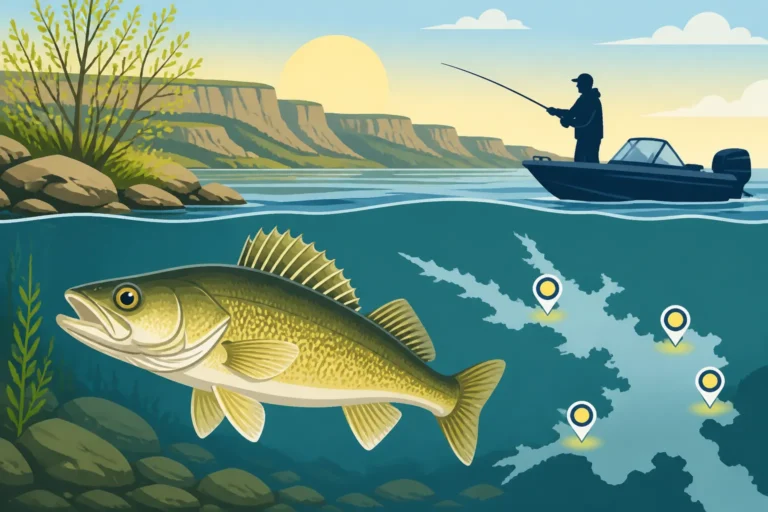
On a lake the size of Devils Lake, high-quality electronics are not a luxury; they are a necessity for consistently finding perch. A good GPS-enabled fish finder with detailed mapping capabilities is paramount for open water fishing. Brands like Humminbird and Lowrance offer units with features like Side Imaging and Down Imaging, which allow you to scan vast areas for submerged timber, old roadbeds, rock piles, and, most importantly, schools of fish. Mark productive spots as waypoints on your GPS so you can return to them easily.
For ice fishing, a flasher or an ice fishing specific fish finder is indispensable. These units provide real-time feedback on what's directly beneath your hole, allowing you to see your bait and any fish that approach it. This immediate feedback helps you adjust your presentation and detect subtle bites. Vexilar and Marcum are popular brands that offer excellent flashers and digital ice fishing units. Furthermore, for serious anglers, an underwater camera can be a game-changer, allowing you to visually identify fish species, see how they react to your bait, and observe the specific habitat they are holding in. With the constantly changing dynamics of Devils Lake, having these tools allows you to efficiently scout new areas and quickly locate the active schools.
Navigating Access and Regulations for Perch Fishing
Before you even think about dropping a line into Devils Lake, it's crucial to understand the access points and the specific regulations that govern fishing in North Dakota. Being prepared will ensure a smooth, enjoyable, and legal fishing experience.
Public Access Points and Boat Ramps
Devils Lake offers numerous public access points and boat ramps, which is vital for a lake of its size. The North Dakota Game and Fish Department (NDGFD) manages many of these facilities, providing well-maintained ramps, parking, and sometimes even restroom facilities. Popular access points include Creel Bay, East Bay, Six Mile Bay, and Minnewaukan. You'll find specific ramps like the Grahams Island State Park access, the East Bay (Lakewood) access, and the Henegar Landing ramp. Given the lake's fluctuating water levels, it's always a good idea to check the current conditions of specific ramps before heading out, as some might be less accessible during extreme high or low water. The NDGFD website is an excellent resource for up-to-date information on boat ramp status and accessibility.
During the busy open water season, especially on weekends, these ramps can get crowded, so planning to arrive early is often a good strategy. For ice fishing, many of these same areas provide access to the frozen lake, though specific "ice roads" or designated entry points might be established. Always exercise caution when driving on the ice and adhere to all safety guidelines. Utilizing a fishing guide service, often listed on platforms like FishingBooker, can also simplify access, as they usually have their own launching points and expertise on getting onto the lake safely and efficiently.
Understanding North Dakota Perch Limits and Rules
To ensure sustainable fishing and compliance with the law, it's paramount to understand the North Dakota Fishing Regulations Explained. For yellow perch on Devils Lake, there is typically a daily creel limit and a possession limit. These limits can change from season to season based on biological surveys and management decisions by the NDGFD, so it's absolutely essential to consult the most current North Dakota Fishing Proclamation or the official NDGFD website before each fishing trip. For instance, specific rules might apply to ice fishing shelters, minimum distances from other anglers, or the number of lines you can legally fish with.
Always carry your valid North Dakota Fishing License Guide, whether it's a physical copy or an electronic version on your mobile device. Not having a license can lead to significant penalties for fishing without a license in North Dakota. It's also critical to accurately identify the fish you catch. While yellow perch are distinctive, being able to differentiate them from other panfish species is good practice. Familiarize yourself with the North Dakota Yellow Perch Fishing Guide for detailed identification tips and other species-specific information. These regulations are in place to protect the fishery and ensure that Devils Lake continues to be a world-class perch destination for years to come.
Hiring a Local Guide for Devils Lake Perch
For those new to Devils Lake or looking to maximize their time on the water, hiring a local fishing guide can be an invaluable investment. A professional guide possesses an intimate knowledge of the lake's ever-changing dynamics, current fish patterns, and the subtle nuances that make a difference between a good day and a truly exceptional one. They can quickly put you on fish, teach you effective techniques, and provide all the necessary gear, saving you the hassle of bringing your own.
Guides are particularly beneficial on Devils Lake because of its immense size and complex underwater structure. They know the current hot spots, which can change weekly or even daily, and can navigate the lake safely, especially during ice fishing season when conditions can be tricky. When considering a guide, look for those with a strong reputation and specific expertise in perch fishing on Devils Lake. Websites like FishingBooker are excellent resources for finding and booking reputable local guides, often with reviews from previous clients. They can provide insights into current water levels, the best baits for North Dakota fishing, and ensure you're fishing within all North Dakota Fishing Season Dates and Limits. While it's an added cost, the knowledge and experience gained from a guided trip can accelerate your learning curve and lead to a more successful and memorable fishing adventure.
Disclaimer
Fishing conditions and regulations in North Dakota can change frequently. Always consult the latest North Dakota Game and Fish Department regulations and local advisories before heading out on your fishing trip. Stay safe on the ice and water.