Is the Red River Good for Walleye?
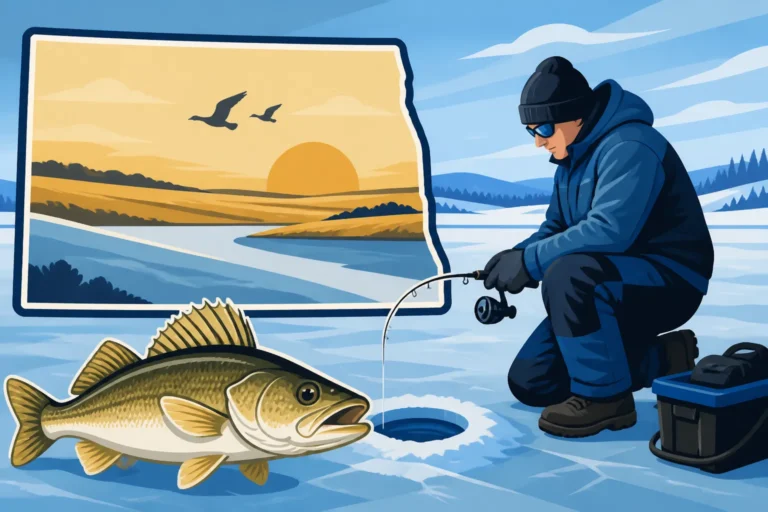
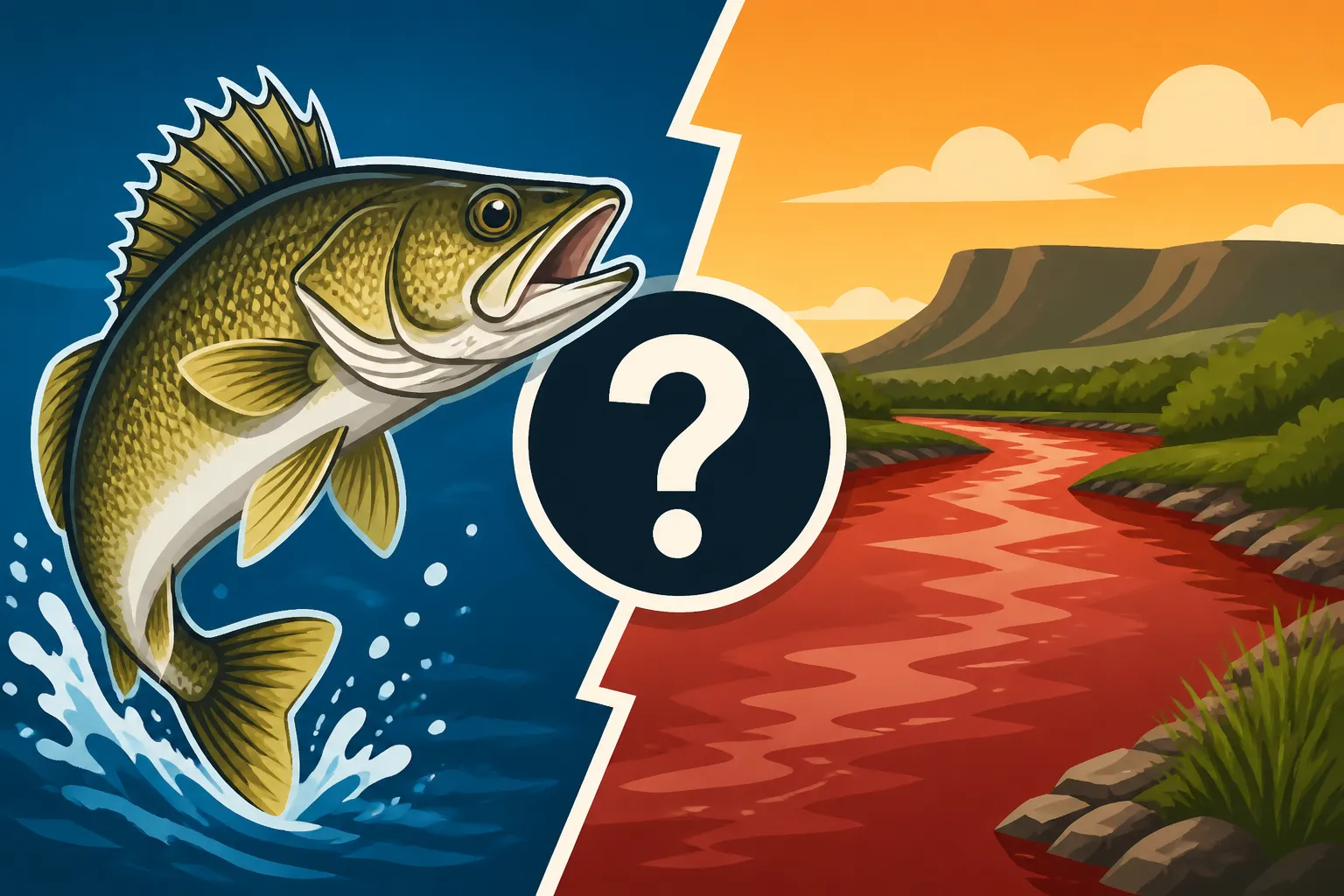
For many anglers, the Red River of the North immediately conjures images of monstrous catfish, not necessarily sleek, golden walleye. It's a common misconception, a quiet undercurrent of doubt that often keeps folks from exploring the fantastic walleye opportunities this unique waterway actually holds. If you've ever wondered if the Red River is truly a good place to target walleye amidst its famous whiskered residents, you're in the right place. This guide will dive deep into why this river system, stretching along the North Dakota-Minnesota border, is absolutely worth your time for walleye, busting myths and revealing proven strategies.
Understanding the Red River's Walleye Potential
Let's be honest, when most people think "Red River fishing," they picture huge channel catfish. And for good reason – the river is legendary for them! But that very reputation often overshadows a thriving walleye population that calls these same waters home. It's easy to assume that a river known for its murky, often slow-moving water, might not be prime walleye habitat, especially compared to the sprawling, clear-water lakes like Sakakawea or Devils Lake. However, the Red River's unique characteristics actually create a surprisingly fertile ground for walleye to not just survive, but to truly thrive and grow to impressive sizes.
The secret lies in understanding that walleye are incredibly adaptable fish. While they do prefer cooler, clearer water in many systems, the Red River provides an environment where they've perfectly adapted. The river's winding path, punctuated by deep holes, oxbows, and numerous current breaks, offers plenty of hiding and feeding spots. The darker, stained water, far from being a deterrent, often provides an advantage for walleye, which are low-light predators. This means they might be more active throughout the day here than in gin-clear lakes where they tend to hug the bottom or feed primarily at dawn and dusk. So, if you're willing to look past the muddy façade, you'll find a robust walleye fishery waiting to be explored.
The Reputation of the Red River
The Red River's fame for catfishing is well-deserved. Anglers travel from all over to chase those hard-fighting whiskerfish, and places like Red River Catfish Fishing Spots in North Dakota are practically legendary. This focus, while great for catfish enthusiasts, means that the walleye often get overlooked, swimming silently beneath the surface, often undisturbed by the throngs of catfishermen. The general perception is that the water is too muddy, too slow, or simply not "walleye water" in the traditional sense. This skepticism is understandable, as many prime walleye fisheries are known for their vastness and clearer waters.
However, this oversight creates a fantastic opportunity for the intrepid walleye angler. While the river might not be as glamorous as some of North Dakota's other premier walleye destinations, it consistently produces good numbers of healthy fish, including some real trophies. The lack of intense fishing pressure specifically targeting walleye means they face fewer challenges and can grow undisturbed. The unique characteristics of the river—its meandering nature, a generally slow current that nonetheless creates subtle seams and eddies, and its nutrient-rich, often turbid waters—all contribute to a diverse ecosystem that supports a strong walleye population.
Key Characteristics Favoring Walleye
Despite its reputation, the Red River boasts several crucial characteristics that make it excellent walleye habitat. First and foremost are the deep holes and intricate channel structures. While the river might appear uniformly shallow in places, its history of flooding and erosion has carved out numerous deep pockets, particularly around significant bends, confluences with tributaries, and downstream of natural or man-made obstructions. These deep holes provide essential refuge for walleye, offering cooler water during summer and stable temperatures in winter, as well as a place to escape strong currents.
Beyond depth, the abundance of submerged structure is critical. Fallen trees, brush piles, rock formations (though less common than in glacial lakes), and even subtle changes in bottom contour create perfect ambush points for walleye. These features break the current, creating eddies and slack water where walleye can conserve energy while waiting for baitfish to drift by. The river is teeming with baitfish such as emerald shiners, fathead minnows, and various suckers, providing an ample food source that allows walleye to grow quickly. Furthermore, the stained water, as mentioned before, limits light penetration, providing ideal hunting conditions for these light-sensitive predators, making them less finicky about biting during bright daylight hours than their lake-dwelling counterparts.
Seasonal Walleye Fishing on the Red River
Just like any fishery, understanding the seasonal movements and behaviors of walleye on the Red River is paramount to success. While the river's characteristics remain constant, the walleye's location and feeding patterns will shift dramatically with water temperature and spawning cycles. Knowing when and where to focus your efforts can make all the difference between a slow day and a banner catch.
Spring Opportunities Post-Spawn to Early Summer
Spring on the Red River, particularly after the ice has completely cleared and the water begins to warm, presents some fantastic walleye fishing. Following their spawn, which typically occurs in late April to early May when water temperatures hit the mid-40s Fahrenheit, walleye are often hungry and somewhat disoriented. They'll start to disperse from their spawning grounds (often shallower, rocky areas or upstream stretches) and move into post-spawn feeding patterns. At this time, you'll find them concentrating in shallower flats adjacent to deep channels, particularly in the inside bends of the river where current is reduced and baitfish congregate. The mouths of smaller tributaries are also excellent locations, as these often warm faster and attract baitfish, drawing in hungry walleye.
Techniques during this period often revolve around presenting baits slowly and effectively. Jigging with live bait, such as a lively minnow, or soft plastics can be incredibly productive. A light jig head (1/8 to 1/4 ounce, depending on current) tipped with a minnow fished slowly along the bottom or subtly hopped can entice sluggish post-spawn fish. Slow trolling smaller crankbaits that dive to moderate depths can also cover a lot of water and draw strikes from active fish. Be mindful of potential high water levels and fast currents from spring runoff, which can make fishing challenging. Checking conditions and targeting areas with reduced current will be key.
Summer Strategies Warm Water Periods
As summer progresses and water temperatures climb, Red River walleye tend to seek out deeper, cooler water. This means focusing your efforts on the river's deeper holes, particularly those found in sharp river bends or where the channel narrows and deepens. Current seams—the transition zones between faster and slower moving water—are also prime locations, as walleye can sit in the slack water and dart out to ambush passing prey. Shaded areas, such as under heavily vegetated cut banks or beneath bridges, can also hold fish looking for relief from the sun.
During these warmer months, a variety of techniques can prove effective. Bottom bouncing with spinner rigs tipped with nightcrawlers is a classic and highly productive method for covering ground and presenting bait effectively near the bottom. Drifting jigs or vertical jigging in deeper holes, often tipped with a piece of crawler or a minnow, can also be deadly when you've pinpointed a school of fish. Don't overlook night fishing for walleye during summer; like their infamous catfish neighbors, walleye can become much more active after dark, especially if the daytime bite is slow. This is also when you'll still find plenty of action for those legendary Red River Catfish Fishing Spots in North Dakota.
Fall Transition Cooling Waters
Fall fishing on the Red River for walleye can be truly exceptional, often considered one of the best times to target trophy fish. As the water temperatures begin to drop from late September through November, walleye undergo a major feeding binge in preparation for winter. They become incredibly aggressive, moving back into shallower feeding flats and concentrating around prominent structure. This is when they'll actively chase down baitfish, making them more susceptible to a wider range of presentations.
During the fall transition, trolling crankbaits can be incredibly effective, especially larger profiles that mimic the forage walleye are aggressively pursuing. Casting jigs, tipped with either a large minnow or a brightly colored plastic, into current breaks and over structure can also produce violent strikes. Focus your efforts on areas where baitfish are schooling up, which often includes shallower stretches adjacent to deeper holes, tributary mouths, and the edges of weed beds that are beginning to die back. The increased activity and desire to feed aggressively make this a prime time for both numbers and size when targeting Red River walleye.
Top Techniques and Baits for Red River Walleye
Fishing the Red River requires a slightly different approach than fishing a large, clear lake. The river's unique conditions – often stained water, current, and abundant snags – dictate specific gear, bait, and strategies to ensure success. Adapting your setup and understanding how to read the river will put you at a distinct advantage.
Essential Gear and Tackle
For Red River walleye, you'll want a rod and reel setup that can handle tough conditions and potentially larger fish, including accidental catfish encounters. A medium-heavy power spinning or baitcasting rod, typically 6'6" to 7'6" in length, will provide the backbone needed for strong hooksets and managing fish in current. Pair this with a reliable reel spooled with a good quality braided line. Braided line, like PowerPro or Berkley X9, is crucial here due to its zero stretch, which allows for better feel in current and improved hook penetration, especially when fishing deep or with heavier jigs.
When it comes to line pound test, you might want to go a bit heavier than your typical walleye setups on clearer lakes. Consider 15-20 lb braided line, paired with a 10-14 lb fluorocarbon leader. The leader provides invisibility, but the braided mainline gives you the strength to pull free from snags and manage heavier fish. For the Red River, the Best Fishing Line Pound Test for Walleye might lean towards the higher end of the spectrum. You'll need heavy jigs (1/4 to 1/2 ounce or even heavier in strong current), stout bottom bouncers (1-3 ounces), and quality snell hooks, particularly if you're using live bait. Don't skimp on terminal tackle; the river can be tough on gear, and cheap components will often fail when you need them most.
Go-To Lures and Live Bait
The stained waters of the Red River mean that visual presentation often takes a backseat to vibration and scent. For live bait, minnows (like fatheads or shiners) are almost always a winner, especially when jigged slowly or fished under a slip bobber in slower current areas. Nightcrawlers, either threaded on a hook behind a bottom bouncer or fished on a plain hook with a weight, are another consistent producer. While not as common for walleye, leeches can also be effective, particularly in areas with slightly clearer water or slower current.
When it comes to artificial lures, focus on options that create strong vibrations and have bright, contrasting colors. Diving crankbaits with rattles, like those from Rapala (Shad Raps, Scatter Raps) or Berkley (Flicker Shads), are excellent for trolling or casting. Choose colors like chartreuse, orange, firetiger, or bright green, as these stand out well in murky conditions. The Best Walleye Jig Color for Stained Water will almost invariably be a vibrant, fluorescent shade. Jigs, tipped with soft plastic paddle tails, curly tails, or live bait, are a staple. Don't be afraid to experiment with larger profiles than you might use elsewhere, as Red River walleye are often not shy.
Reading the River: Finding Walleye Structure
Successfully finding walleye on the Red River is all about reading the water and identifying subtle changes that offer fish refuge and feeding opportunities. Walleye are ambush predators, so they'll position themselves out of the main current flow, waiting for prey to drift by. Look for current breaks: these can be anything from eddies behind submerged logs or fallen trees (which are abundant in the Red), to the calmer water behind bridge pilings, wing dams, or even subtle points and inside bends in the river.
Deep holes, especially those on the outside bends of the river, are magnets for walleye, particularly during warmer months. These deeper sections offer cooler water and protection from strong currents. The mouths of tributaries are also high-percentage spots, as they often bring in fresh water, nutrients, and baitfish, creating a buffet for walleye. Using good electronics, specifically a fish finder, is incredibly helpful for identifying these subsurface structures and changes in depth. Understanding Best Fish Finder Settings for Walleye, particularly in river environments with current, will help you pick up subtle contours and even individual fish. If you're new to the river, considering booking a local guide through platforms like FishingBooker can be an invaluable way to learn these nuances quickly, as they know the river's hidden gems and current hotspots.
Navigating the Red River: Access and Regulations
Fishing any new body of water can be daunting, and the Red River is no exception. Understanding where you can launch your boat or fish from shore, and, critically, knowing the specific rules and regulations, is essential for a safe and legal outing. The Red River's unique position as a border water also means special reciprocal agreements are in place that every angler should be aware of.
Access Points and Boat Ramps
The Red River offers numerous access points and boat ramps along its stretch through North Dakota. Major cities like Fargo and Grand Forks have well-maintained ramps that provide easy access for various boat sizes. For example, you'll find excellent facilities at places like Lindenwood Park in Fargo or Riverside Park in Grand Forks. Smaller towns and rural areas often have more rustic, but still functional, ramps. When considering Red River Fishing Access Near Grand Forks, you'll find several options depending on whether you're bringing a small fishing boat or a larger multi-species rig.
It's important to be aware of how water levels can impact boat ramp usability. During periods of extremely low water, some ramps may be unusable for larger boats, while during high water, currents can be strong and launching/landing can be tricky. Always check current river conditions before heading out. For those without a boat, the Red River also provides good opportunities for bank fishing. Many parks and public access areas offer shore fishing spots, making it accessible to anglers of all kinds. In fact, many Red River walleye are caught by shore anglers in these areas, and it's certainly one of the Best Bank Fishing Spots in North Dakota for various species.
North Dakota Fishing Regulations on the Red River
One of the most important aspects of fishing the Red River is understanding the reciprocal fishing agreement between North Dakota and Minnesota. This means that if you possess a valid fishing license from either North Dakota or Minnesota, you are legally allowed to fish the main stem of the Red River that forms the border. This is fantastic news for anglers on both sides, making access much simpler. However, this reciprocal agreement typically does not extend to tributaries, so if you plan to venture into any feeder creeks or rivers, you'll need the appropriate license for that state. For a full understanding of state regulations, consulting the North Dakota Fishing License Guide is always a good idea.
While the reciprocal agreement simplifies licensing, it's still crucial to be aware of specific walleye limits and size restrictions. These regulations can sometimes differ slightly from those on inland North Dakota lakes due to the unique nature of the border waters. Always consult the most current North Dakota Fishing Regulations Explained or Minnesota fishing proclamation for the Red River to ensure compliance. You'll want to pay close attention to the North Dakota Walleye Size Limit Rules, as these are designed to protect the fishery. Remember, North Dakota residents typically also need to purchase The Fishing, Hunting, Furbearer Certificate Explained in addition to their fishing license. It's an extra step but vital for legality. If you're unsure about the latest rules or want to ensure you're fishing with someone who knows them inside and out, an experienced guide found on FishingBooker can be an excellent resource for a worry-free trip. Also, be mindful of Fishing License Age Requirements in North Dakota, as these apply to all state waters.
Red River Walleye vs. Lake Walleye: A Comparison
To further illustrate why the Red River offers a distinct and rewarding walleye fishing experience, let's compare some key aspects to a more typical North Dakota walleye lake, such as Lake Sakakawea.
| Feature | Red River Walleye Fishing | Typical North Dakota Lake Walleye Fishing (e.g., Lake Sakakawea) |
|---|---|---|
| Water Type | Stained, often turbid, current-driven river | Generally clearer, expansive, still-water lake |
| Primary Structure | Deep holes, current breaks, submerged wood, river bends | Humps, points, flats, main lake structure, rocky shorelines |
| Typical Depth | Concentrated in deeper holes (10-30+ ft), current seams | Varies greatly by season (5-50+ ft), open water trolling |
| Bait/Lure Focus | Vibrating crankbaits, jigs (bright colors, tipped), live bait (minnows, crawlers) | Jigs, bottom bouncers, crankbaits, spinners, live bait |
| Best Fishing Times | Often good throughout the day due to stained water; night fishing popular in summer | Primarily dawn/dusk, low-light conditions; deep water in summer |
| Challenges | Strong current, abundant snags, competition from catfish | Wind, vastness of water, finding elusive schools, boat traffic |
| Key Advantage | Less pressure (for walleye), unique riverine fight, excellent fall bite | Trophy potential, diverse techniques, extensive habitat |
This table highlights that while both offer excellent walleye fishing, the Red River demands a slightly different mindset and approach. The river's challenges, like current and snags, are often offset by its consistent productivity and the excitement of a riverine walleye fight.
Disclaimer
Please note that fishing regulations, license requirements, and access points can change. It is always the angler's responsibility to consult the most current North Dakota Game and Fish Department regulations before heading out. Information provided in this guide is for general informational purposes only.