New Johns Lake Trout Fishing
Many anglers dream of the thrill of catching trout, but in a state primarily known for its incredible walleye and northern pike fisheries, finding a reliable trout haven can sometimes feel like searching for a hidden treasure. If you've been yearning for that special North Dakota destination where you can consistently target beautiful trout, New Johns Lake near McClusky is an often-overlooked gem waiting to be explored. This comprehensive guide will walk you through everything you need to know to successfully fish for trout on New Johns Lake, from understanding its unique ecosystem to mastering the best techniques.
Understanding New Johns Lake and its Trout Fishery
New Johns Lake isn't one of North Dakota's massive reservoirs, but its modest size and specific characteristics make it an ideal environment for trout. It's part of the McClusky Canal system, which feeds into the larger New Johns Lake and provides a unique water source that supports cold-water species. Anglers often appreciate its quieter atmosphere compared to some of the more bustling fishing destinations in the state.
Lake Characteristics and Water Quality
New Johns Lake is relatively deep for its size, with depths reaching over 40 feet in some areas. This depth is absolutely crucial for trout survival, especially during North Dakota's hot summer months. Trout are cold-water fish, requiring cooler temperatures to thrive, and the deeper pockets of New Johns Lake provide that essential thermal refuge. The lake's water clarity can vary, but it generally offers good visibility, which influences both fish behavior and your choice of tackle. Understanding these nuances is key; trout in clear water tend to be warier, requiring more subtle presentations, while slightly stained water might allow for more aggressive lure choices.
The lake also features a varied bottom structure, from gradual slopes to steeper drop-offs and some rocky areas. These structural elements provide excellent holding patterns for trout, offering ambush points and areas where baitfish might congregate. Submerged weeds can also be present, particularly in shallower bays, providing cover and food sources for both the trout and their prey. Successful anglers spend time familiarizing themselves with these underwater contours, often using detailed maps or fish finders to pinpoint prime locations where trout are likely to be lurking.
The Trout Species You'll Find
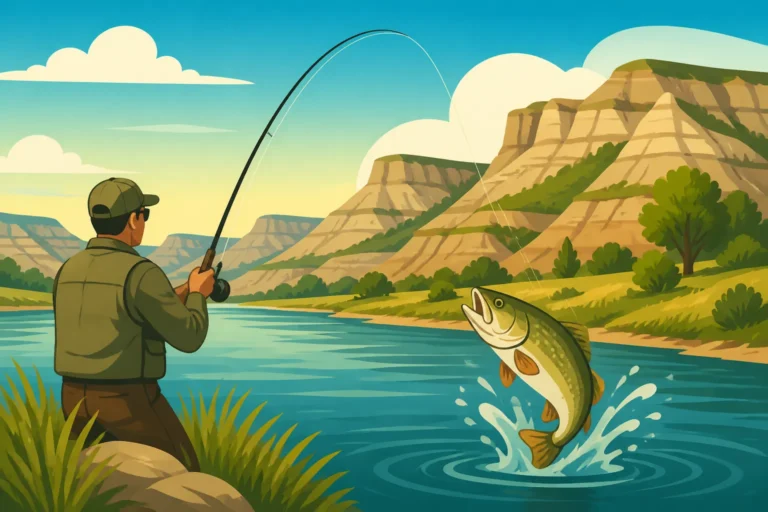
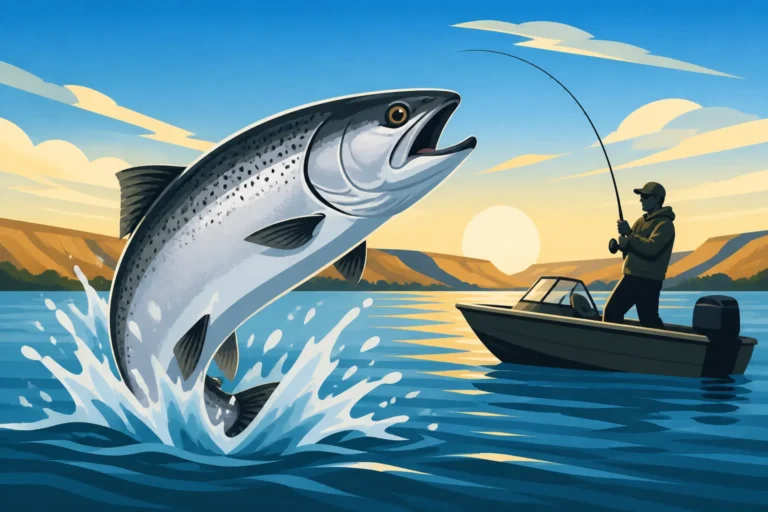
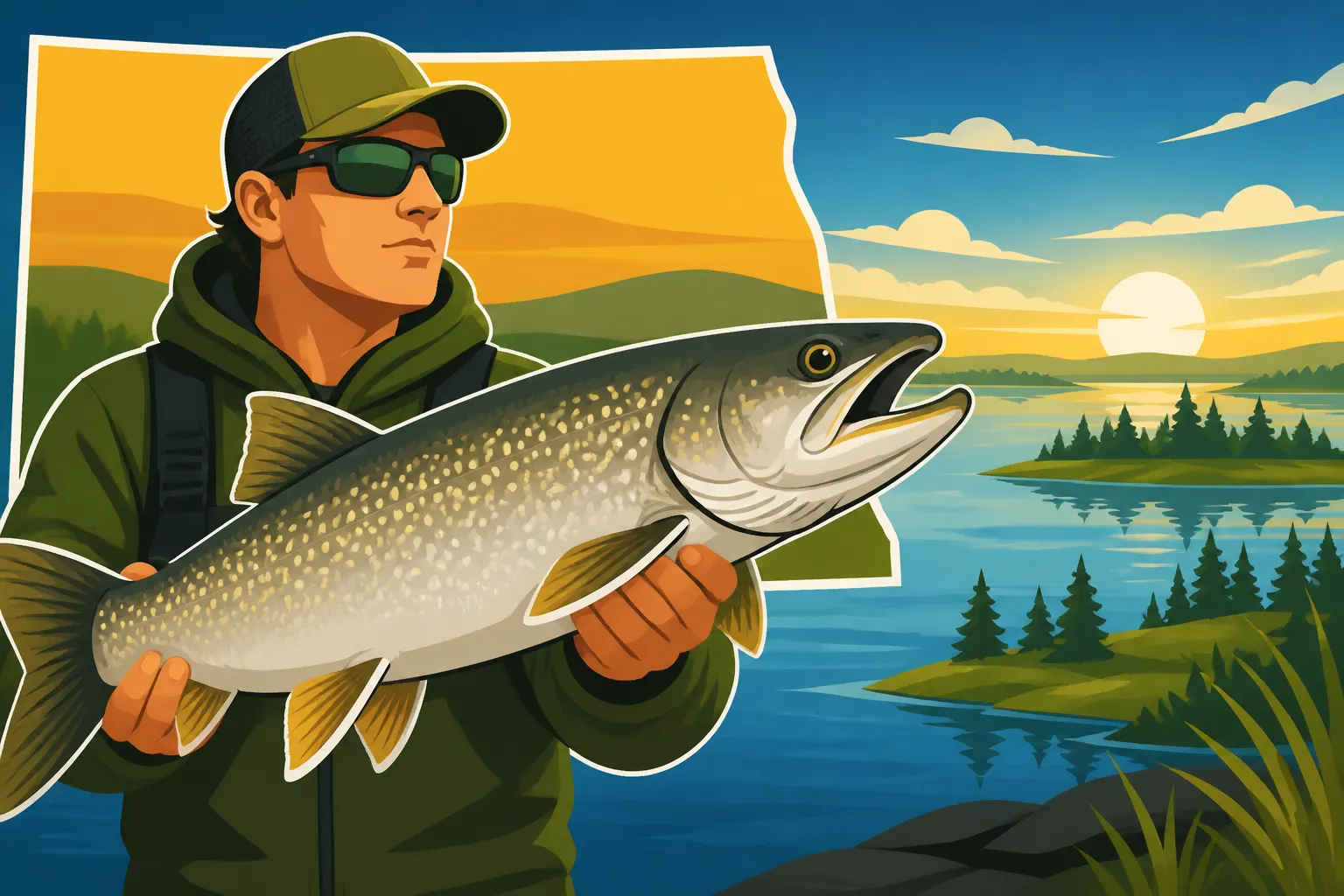
The primary trout species you'll encounter in New Johns Lake are rainbow trout. These vibrant, hard-fighting fish are a favorite among anglers due to their acrobatic leaps and strong runs when hooked. Rainbow trout in New Johns can range from pan-sized eaters to respectable "football" trout, offering a rewarding experience for those who know how to target them effectively. While rainbow trout dominate, the occasional brown trout might also be stocked or found, offering a chance at a true trophy, as brown trout are known to grow larger and be more elusive.
Beyond trout, New Johns Lake also supports other species like yellow perch and sometimes even walleye, though trout are the main draw. This diverse fishery means you might occasionally hook into something unexpected, adding another layer of excitement to your outing. However, for dedicated trout anglers, understanding the specific feeding habits and preferred habitats of rainbow trout will be paramount to consistent success.
Stocking Programs and Their Impact
The vibrant trout fishery at New Johns Lake is largely sustained by the diligent stocking efforts of the North Dakota Game and Fish Department. Without these regular infusions of fingerlings and catchable-sized trout, the lake would struggle to maintain its population, especially given the natural challenges of reproduction in some North Dakota waters. These stocking programs ensure a healthy and consistent supply of trout for anglers throughout the year.
The timing and size of stocked fish can significantly impact fishing success. Freshly stocked trout are often less wary and more aggressive, making for easier fishing shortly after a stocking event. Over time, these fish become more acclimated to their environment, developing more natural behaviors and becoming a bit more challenging, which is when seasoned tactics truly shine. Keeping an eye on the North Dakota Game and Fish Department's stocking reports can give you a heads-up on when and where new trout have been introduced, potentially leading to some hot action.
Essential Gear and Techniques for New Johns Lake Trout
Successfully catching trout on New Johns Lake requires a thoughtful approach to your gear and a versatile understanding of different fishing techniques. While trout can be caught on a variety of setups, having the right tools for the job will significantly increase your chances of success.
Rods, Reels, and Line Selection
For shore casting or small boat jigging and casting, a lightweight to medium-light spinning rod, typically 6 to 7 feet long, is ideal. This length provides good casting distance and sensitivity to detect subtle trout bites. Pair this with a small spinning reel (size 1000-2500) spooled with 4-6 pound test monofilament or fluorocarbon line. Monofilament offers good knot strength and shock absorption, while fluorocarbon is nearly invisible underwater, which can be a huge advantage when targeting wary trout in clearer water. Some anglers prefer a braided main line with a fluorocarbon leader for added sensitivity and casting distance.
If you plan on trolling from a boat, a slightly longer, more forgiving rod, around 7 to 8 feet with a medium-light action, will absorb the shock of a strike and allow for smoother trolling. You might use a small baitcasting reel for trolling, or a larger spinning reel, again with 6-8 pound test monofilament or fluorocarbon. For specialized techniques like fly fishing, which is also popular on New Johns Lake, a 5 or 6 weight fly rod with a matching reel and floating line would be appropriate. Remember that different situations call for different setups; having a couple of versatile options can make a big difference.
Top Baits and Lures for New Johns Trout
Trout in New Johns Lake respond well to a variety of baits and lures. For still fishing from shore or a boat, popular choices include PowerBait (in various colors and forms like dough or nuggets), salmon eggs, and live bait such as nightcrawlers or maggots. Presenting these on a small hook (size 8-12) with a light split shot or a slip bobber rig allows them to drift naturally or sit just off the bottom. A popular method for shore fishing is to use a sliding sinker rig to allow the bait to float up slightly from the bottom, where trout often cruise.
When it comes to artificial lures, spoons and spinners are incredibly effective. Brands like Acme Little Cleo, Dardevle, or Kastmaster spoons in silver, gold, or flashy colors mimic baitfish and attract aggressive strikes. Small inline spinners such as Mepps or Rooster Tail, in sizes 0 to 2, with silver or gold blades and various body colors, are also fantastic for casting and retrieving, or even slow trolling. For more aggressive fish, especially after a fresh stocking, small jerkbaits or crankbaits can also elicit strong reactions. Having a diverse tackle box will allow you to adapt to changing conditions and trout preferences throughout the day. You can find comprehensive advice on these choices in guides like "Best Bait for North Dakota Fishing".
Effective Fishing Techniques by Season
Trout fishing techniques on New Johns Lake vary significantly with the seasons. In early spring, right after ice-out, trout are often cruising shallower waters, feeding actively. Casting small spoons or spinners from shore or a boat, or slow-trolling small crankbaits near drop-offs, can be highly productive. As the water warms into summer, trout retreat to deeper, cooler waters. This is when deep trolling with downriggers or weighted lines becomes essential, often targeting depths of 20-40 feet with spoons, crankbaits, or even snelled bait. Fly anglers might find success early and late in the day when trout venture closer to the surface.
Fall brings a renewed burst of activity as water temperatures cool, and trout again become more active in shallower zones, similar to spring. This is a fantastic time for casting a variety of lures. And then, of course, there's ice fishing. When New Johns Lake freezes over, it becomes a popular spot for hardwater anglers. Jigging small spoons, tungsten jigs tipped with wax worms or PowerBait, or setting up tip-ups with minnows are all proven methods for catching trout through the ice. Understanding "How to Ice Fish in North Dakota" provides valuable context for these winter pursuits.
| Season | Primary Location | Recommended Techniques | Preferred Baits/Lures |
|---|---|---|---|
| Spring | Shallow bays, near shore | Casting, slow trolling | Spoons, inline spinners, PowerBait, worms |
| Summer | Deepest parts of the lake | Deep trolling (downriggers), vertical jigging | Small crankbaits, spoons, live bait (deep) |
| Fall | Mid-depth areas, structure | Casting, slow trolling, drift fishing | Spoons, spinners, jerkbaits, PowerBait, worms |
| Winter | Structure in deeper water | Ice jigging, tip-ups | Tungsten jigs, small spoons, minnows, wax worms |
Navigating New Johns Lake: Access Points and Prime Fishing Spots
Knowing where to go on New Johns Lake is half the battle, whether you're bringing a boat or planning to fish from shore. The lake offers accessible options for different types of anglers, but understanding the prime locations for trout can give you a significant edge.
Public Access and Boat Launches
New Johns Lake offers relatively straightforward public access. The main boat launch is typically located on the eastern side of the lake, providing a concrete ramp suitable for most fishing boats, from smaller john boats to larger V-hull craft. This access point usually includes parking and sometimes facilities. Keep in mind that wind can be a factor on any North Dakota lake, so always check conditions before heading out, especially if you're in a smaller vessel. For those considering launching a boat, it's wise to review the "North Dakota Boat Registration Requirements" to ensure you're compliant.
Beyond the main launch, there may be various informal pull-off spots or designated shore fishing areas around the lake's perimeter, particularly along the eastern and southern edges. These spots are great for anglers who prefer to fish on foot, providing opportunities to cast into productive waters without needing a boat. Checking with the North Dakota Game and Fish Department website or local bait shops for the most current access information is always a good practice, as conditions and access points can sometimes change. If you're planning a broader trip to the region, services like FishingBooker might list fishing charters or guides operating on larger nearby lakes, who often share insights into general regional access.
Key Structures and Depths for Trout
Trout in New Johns Lake are often associated with specific structures and depths, especially during periods of warmer water. Look for drop-offs, submerged points, and humps that rise from the lake floor. These features act as highways and holding areas for trout, providing them with access to different depths and food sources. The channels or deeper depressions within the lake are particularly important during summer and winter, as they provide stable, cooler (or warmer, in winter) water temperatures.
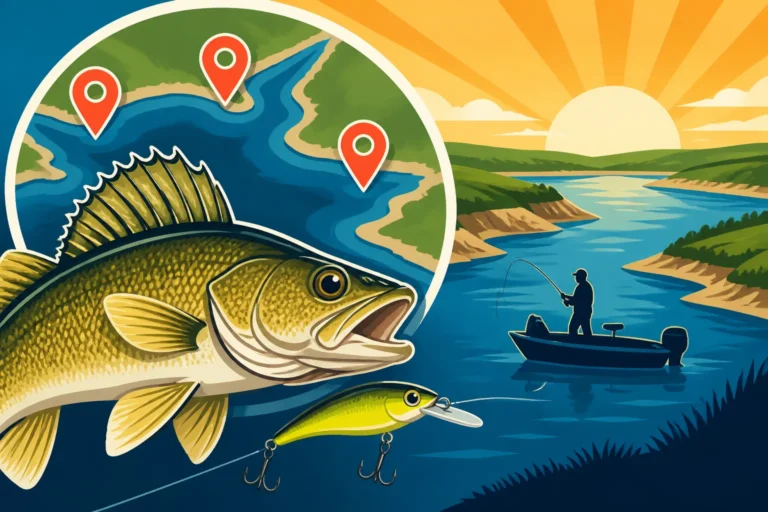
Using a good fish finder with GPS and mapping capabilities can be invaluable for identifying these key structures. Mark waypoints when you find promising areas, especially those where you see baitfish congregated or where you've had success. In fall and spring, trout might be found shallower, around 10-20 feet, while in summer and winter, they often retreat to the 20-40 foot range. Understanding "Deep Water Structure Fishing Techniques" can really boost your success.
Shore Fishing Hotspots
Even without a boat, you can have a very productive day fishing for trout on New Johns Lake. Focus your efforts on areas where the shore drops off quickly into deeper water, or where there are visible points or rocky outcrops. The main public access areas often have good shore fishing opportunities, as trout will cruise these areas looking for food. Casting spoons or spinners from these points, or setting up a slip bobber rig with PowerBait or a worm, can be highly effective.
Early morning and late evening are often the best times for shore anglers, as trout tend to move closer to shore to feed under lower light conditions. During the day, if the sun is bright, target areas with shade or deeper water accessible from the bank. Pay attention to wind direction; a gentle breeze blowing towards shore can push baitfish closer, bringing trout with them. Remember that "Fishing Piers and Shore Access in North Dakota" can be found on many smaller lakes, and New Johns offers similar user-friendly options for those without a boat.
Best Times to Fish for Trout on New Johns Lake
Knowing when to fish can be as important as knowing where or how. Trout activity on New Johns Lake is heavily influenced by seasonal changes, water temperature, and even daily weather patterns.
Seasonal Considerations
- Spring (Ice-Out to Early June): This is arguably one of the best times to target trout on New Johns. As the ice recedes and water temperatures are still cool, trout are very active and often found in shallower areas, making them accessible to both boat and shore anglers. They're recovering from winter and actively feeding. Early spring is when you'll find trout cruising the banks and near points, eager to strike a variety of lures and baits.
- Summer (Mid-June to August): As North Dakota summers heat up, New Johns Lake's surface temperatures rise significantly. Trout become less active and retreat to the cooler, deeper parts of the lake. This is a time for precision fishing – deep trolling with temperature gauges to find the optimal thermal band, or vertical jigging over known deep structures. Success often depends on finding that comfortable temperature zone where the trout are holding.
- Fall (September to Ice-Up): Fall rivals spring for prime trout fishing. As the water cools down, trout become very active again, similar to spring. They feed aggressively to put on weight for the upcoming winter, making them eager to strike. This is a great time for casting spoons and spinners from shore or boat, and also for trolling at various depths as the fish spread out.
- Winter (Ice Fishing Season): New Johns Lake is a popular ice fishing destination for trout. Once safe ice forms, anglers drill holes over deeper sections of the lake or near known underwater structures. Trout remain active under the ice, and jigging small tungsten jigs tipped with live bait or plastics, or using tip-ups with minnows, can lead to consistent action. Just remember to check "How Thick Ice Needs to Be for Ice Fishing" before venturing out.
Daily Patterns and Weather Impact
Beyond the seasons, daily patterns and weather conditions play a significant role. Trout, like many fish, often feed most actively during periods of low light – early morning and late evening. Overcast days can extend these prime feeding windows, as the reduced light penetration makes trout feel more comfortable venturing out of deeper cover. On bright, sunny days, concentrate your efforts during the low-light periods or focus on deeper water during midday.
Wind can also be a factor. A light chop on the water surface can break up light penetration, often making trout more aggressive. However, strong winds can make boat control difficult and create turbid water, which might push trout deeper or make them less inclined to bite. Stable weather conditions, especially a few days of consistent pressure, are generally preferred over drastic changes. A sudden cold front, for instance, can often put trout into a funk, making them less willing to bite. Planning your trip with these weather considerations in mind can significantly improve your results. For comprehensive details on fishing schedules, consult the "North Dakota Fishing Season Dates and Limits" to ensure you're always within legal boundaries.
Disclaimer
This guide is intended for informational purposes only. Fishing regulations, stocking schedules, and lake conditions can change. Always consult the latest North Dakota Game and Fish Department regulations before heading out on the water. Be aware of weather conditions and practice safe boating and ice fishing practices.