Best Fishing Spots Near Dickinson for Trout
It can be incredibly frustrating to pack up your gear, drive out to a promising fishing spot, and come up empty-handed, especially when you're specifically targeting a finicky species like trout. Many anglers, both locals and visitors, struggle to pinpoint the exact locations near Dickinson, North Dakota, that consistently offer a good chance at hooking some beautiful rainbow or brown trout. This comprehensive guide is designed to cut through that guesswork, providing you with detailed insights into the best trout fishing spots in the Dickinson area, along with essential tips on gear, techniques, and regulations to make your next outing a success.
Understanding Trout Fishing in Western North Dakota
Trout fishing might not be the first thing that comes to mind when you think of North Dakota, often celebrated for its walleye and pike. However, the western part of the state, particularly around Dickinson, holds some fantastic, albeit often overlooked, opportunities for trout anglers. These aren't vast, wild trout streams like you might find in mountainous regions, but rather well-managed impoundments and lakes that are regularly stocked, providing a unique and rewarding experience for those willing to seek them out.
The Allure of Trout in the Badlands Region
The Badlands region of North Dakota, with its rugged beauty and dramatic landscapes, offers a stunning backdrop to any fishing adventure. For trout anglers, this means a chance to combine scenic beauty with the thrill of the catch. Unlike the massive prairie lakes, many trout impoundments here are smaller, more intimate bodies of water, making them accessible for bank fishing, float tubes, or small boats. The challenge and reward of enticing a wary trout in these unique settings add a special dimension to the sport, drawing anglers who appreciate both the fight of the fish and the tranquility of their surroundings. It's a different rhythm than the hustle and bustle of a busy walleye bite, often a more reflective and focused pursuit.
Types of Trout You'll Encounter Near Dickinson
When you're fishing for trout near Dickinson, you'll primarily be targeting two species: rainbow trout and brown trout. The North Dakota Game and Fish Department does an excellent job of managing these fisheries through regular stocking programs.
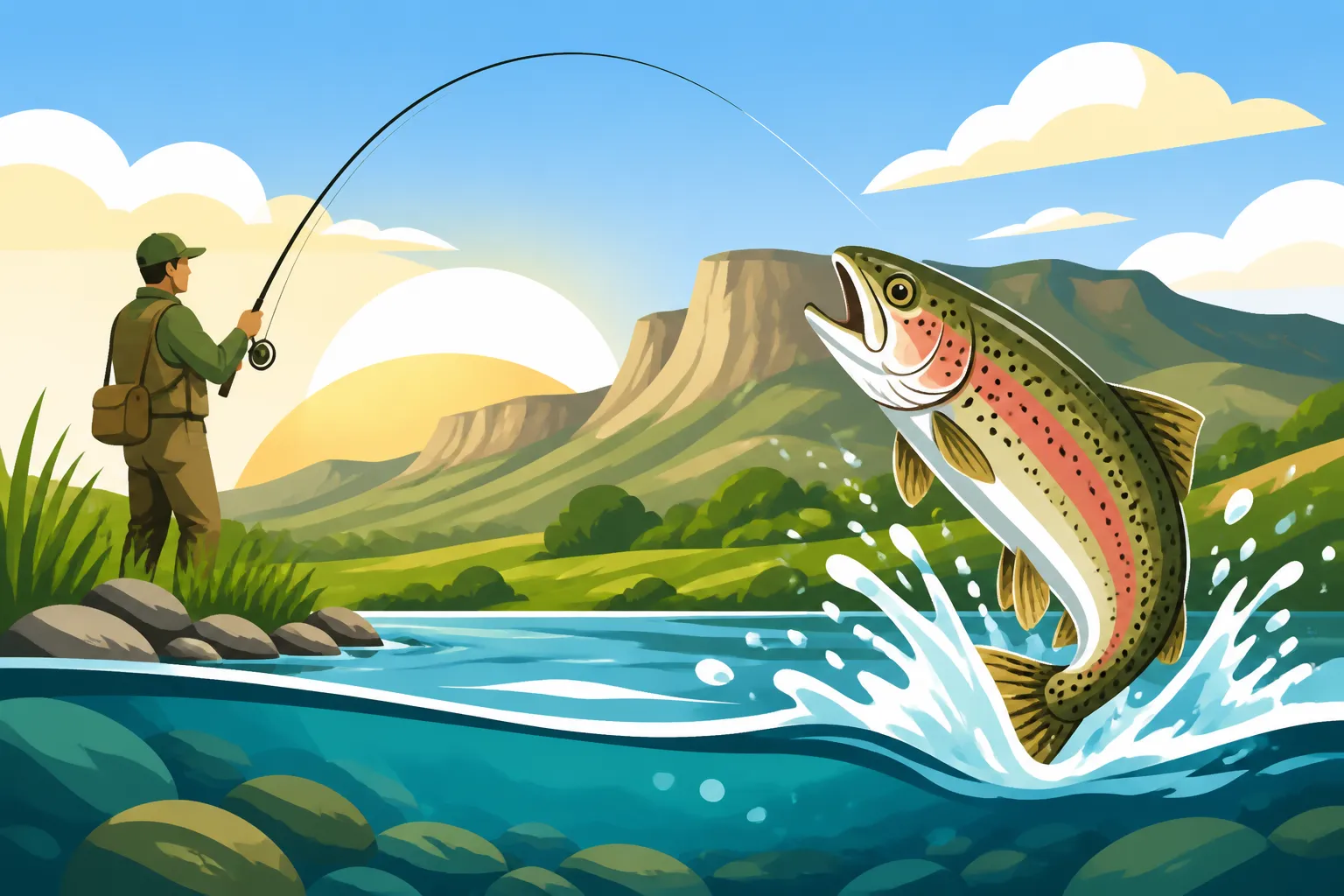
Rainbow trout are the most commonly stocked species and are known for their beautiful iridescent colors and spirited fights. They thrive in cooler, well-oxygenated water and can be caught using a variety of methods, from simple bait setups to fly fishing. They're often found cruising shallower areas or congregating around structure. For more on where these beauties are stocked, you can check out the North Dakota Rainbow Trout Stocking Locations guide.
Brown trout, while less common than rainbows, offer a greater challenge and can grow to impressive sizes in some of these lakes. Browns are typically more elusive and predatory, often preferring cover and striking at larger baits or lures. They are known for their ambush tactics and can provide a truly memorable fight, making them a prized catch for many anglers. Understanding the habitat preferences of both species can significantly increase your chances of success.
Prime Trout Fishing Destinations Near Dickinson
The Dickinson area is home to several excellent locations where you can consistently find trout. These spots are carefully managed by the North Dakota Game and Fish Department to ensure sustainable populations and enjoyable fishing experiences.
Patterson Lake (Dickinson Reservoir)
Patterson Lake, also known as the Dickinson Reservoir, is perhaps the most well-known and accessible trout fishing destination right on the edge of Dickinson. This large reservoir, fed by the Heart River, is a multi-species lake, but its trout fishery is highly popular, especially in the cooler months. The North Dakota Game and Fish Department frequently stocks Patterson Lake with rainbow trout, making it a reliable spot.
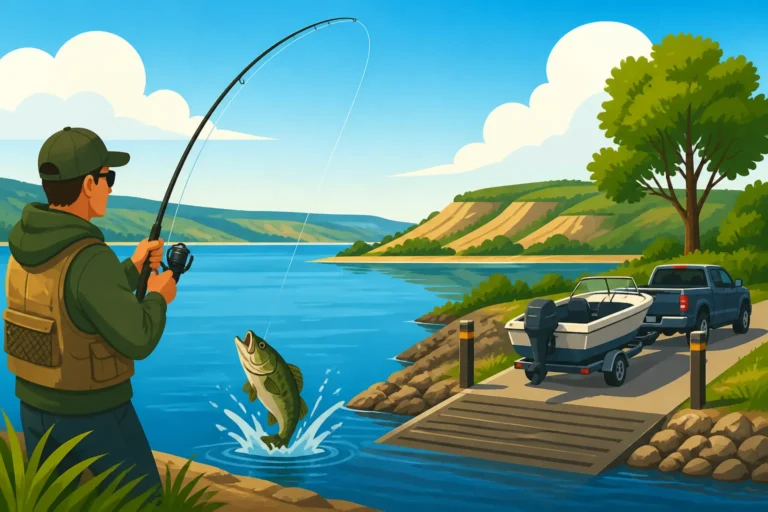
The lake offers ample shore access, particularly on its eastern and western banks. Several designated fishing piers are available, making it a fantastic option for families or those who prefer not to use a boat. For those with boats, there are well-maintained boat ramps. Trout in Patterson Lake can often be found near the dam, around submerged structures, or along deeper contours. During spring and fall, when water temperatures are cooler, they might move into shallower bays. This lake is also listed among the Best Fishing Spots for Families in North Dakota, making it a convenient choice for a multi-generational outing. Many local anglers find success here by slowly trolling small crankbaits or spoons, or by fishing with power bait or nightcrawlers off the bottom.
Indian Creek Recreation Area
Just a short drive south of Dickinson, near the community of Elgin, lies the Indian Creek Recreation Area, which boasts a fantastic trout fishery at Indian Creek Dam. This area is a true gem, often providing a more tranquil fishing experience compared to the larger Patterson Lake. Indian Creek Dam is primarily managed for trout, receiving regular stockings of rainbow trout.
The lake itself is nestled in a scenic valley, offering beautiful views while you fish. Access is excellent, with a boat ramp suitable for smaller boats, canoes, or kayaks, and plenty of bank fishing opportunities. Many anglers enjoy exploring the coves and points of Indian Creek, searching for cruising trout. The water clarity here can be quite good, which makes sight fishing a possibility on calmer days. Fly anglers often find success stripping streamers or nymphs along the weed lines, while spin fishermen do well with small spinners, spoons, or floating baits under a bobber. This spot is definitely worth the short drive for dedicated trout enthusiasts.
Belfield Dam
A bit further west from Dickinson, near the town of Belfield, you'll find Belfield Dam. This smaller, charming impoundment is another consistent producer of rainbow trout. Belfield Dam is one of those quieter spots where you can often have a peaceful day of fishing without too much competition.
Access to Belfield Dam is straightforward, with good bank fishing available around much of its perimeter. There's usually a small access point for launching kayaks, canoes, or belly boats. Due to its size, it's easy to cover a good portion of the lake from shore. Anglers here often report success using traditional trout baits like PowerBait, worms, or corn, fished on a light tackle setup. Small spoons and inline spinners are also popular choices, especially when cast towards deeper pockets or any visible structure. The serene environment makes it an ideal place to unwind and enjoy the simple pleasure of trout fishing.
Camels Hump Dam
Located southwest of Belfield, Camels Hump Dam provides yet another excellent option for trout fishing in the region. This spot offers a slightly more remote feel, making it attractive to anglers looking to escape the crowds. Camels Hump Dam is regularly stocked with rainbow trout and occasionally brown trout, offering a diverse experience.
The dam features decent shore access, particularly near the boat ramp and the dam face. A gravel boat ramp allows for easy launching of small to medium-sized watercraft. Because of its somewhat isolated location, the trout here can sometimes be less pressured. Consider trying a variety of techniques, from still fishing with bait to casting lures or flies. The contours of Camels Hump Dam offer some interesting drop-offs and features that can hold fish. Exploring different depths and areas throughout the day is key to finding the most active trout. If you're looking for information on specific fishing dates, be sure to consult the North Dakota Fishing Season Dates and Limits for trout.
Other Hidden Gems
Beyond these mainstays, North Dakota has a vast network of smaller community fisheries and prairie pothole lakes that are periodically stocked with trout. While they might not be as consistently productive as the larger dams, they can offer exciting surprises. These often include places like Sheep Creek Dam, or some of the smaller, lesser-known waters in nearby counties. It's always a good idea to check the North Dakota Game and Fish Department's weekly fishing reports or stocking schedules for updates on these lesser-known spots. You might also find local bait shops near Dickinson to be an invaluable resource for up-to-the-minute information on which small ponds are hot.
Essential Gear and Techniques for Dickinson Trout
Having the right gear and understanding effective techniques are crucial for success when targeting trout in the Dickinson area. While trout can be particular, a versatile setup and adaptable approach will serve you well across these different fishing spots.
Recommended Tackle and Lures
For most trout fishing scenarios near Dickinson, a light to ultralight spinning rod and reel combo is your best friend. A rod between 5'6" and 6'6" with a fast or moderate-fast action will provide the sensitivity needed to detect subtle bites and the backbone to handle a fighting trout. Pair this with a small spinning reel spooled with 4-6 pound monofilament or fluorocarbon line. Braided line can also be used, but a fluorocarbon leader is highly recommended for its invisibility and abrasion resistance. Need a new setup? Check out our guide on Best Fishing Rods for North Dakota Anglers for recommendations.
When it comes to lures and baits, variety is key:
- Baits: PowerBait (in various colors like rainbow, chartreuse, or even glitter), corn, marshmallows, and nightcrawlers are highly effective, especially when fished off the bottom with a small sliding sinker rig or under a bobber.
- Spinners: Small inline spinners like Mepps Aglia, Rooster Tail, or Panther Martin (sizes #0-#2) in silver, gold, or brass blades with a variety of dressing colors work wonders. Cast them out and retrieve steadily.
- Spoons: Tiny spoons such as Kastmasters, Little Cleos, or daredevils (1/16 to 1/8 ounce) flash and wobble enticingly.
- Jigs: Small marabou jigs or trout magnets (1/32 to 1/16 ounce) tipped with a small piece of worm or grub can be incredibly effective, especially when jigged slowly near structure.
- Flies: For fly anglers, small nymphs (Prince Nymph, Pheasant Tail), streamers (Woolly Bugger), and dry flies (Elk Hair Caddis, Adams) can entice trout, especially during insect hatches. A local guide, perhaps found through a service like FishingBooker, could give you hyper-local fly recommendations.
| Tackle Type | Recommended Use | Popular Brands/Styles | Notes |
|---|---|---|---|
| Rod & Reel | Versatile | Ultralight spinning combo (5'6"-6'6", 500-1000 size reel) | Good for bait, lures, light jigs. |
| Line | Mainline & Leader | 4-6 lb mono/fluoro (main), 4-6 lb fluoro (leader) | Fluoro leader for invisibility. |
| Baits | Still fishing | PowerBait, Nightcrawlers, Corn, Marshmallows | Easy for beginners, effective year-round. |
| Spinners | Active retrieval | Mepps Aglia, Rooster Tail, Panther Martin (#0-#2) | Great search baits, cast & retrieve. |
| Spoons | Active retrieval | Kastmaster, Little Cleo (1/16-1/8 oz) | Good for covering water, flashy. |
| Jigs | Finesse, vertical | Marabou jigs, Trout Magnets (1/32-1/16 oz) | Tip with bait for added attraction. |
Remember to also pack a small landing net, a pair of forceps for hook removal, and a stringer or cooler if you plan to keep your catch. For more comprehensive packing, refer to our Essential Gear Checklist for North Dakota Fishing.
Seasonal Strategies for Success
Trout behavior changes significantly with the seasons, mainly influenced by water temperature. Adapting your approach can dramatically improve your success rate.
- Spring (Ice-Out to Early Summer): This is often prime time. As the ice melts and water temperatures begin to rise, trout become very active and move into shallower areas to feed. Look for them along shorelines, near inlets, and around any new weed growth. Small spinners, spoons, and bait fished shallow are very effective.
- Summer: As waters warm, trout will retreat to deeper, cooler areas of the lakes. This means targeting them in thermoclines, near dam faces, or around underwater springs if present. Early morning and late evening bites are best. Trolling small crankbaits or spoons at specific depths can be very productive. Shore anglers might need to cast further or focus on deeper drops.
- Fall: Another excellent season for trout. As temperatures cool, trout become active again, feeding aggressively to prepare for winter. They can often be found in similar locations to spring, but might be more willing to chase larger lures or flies. This is a great time for both active lure fishing and bait fishing.
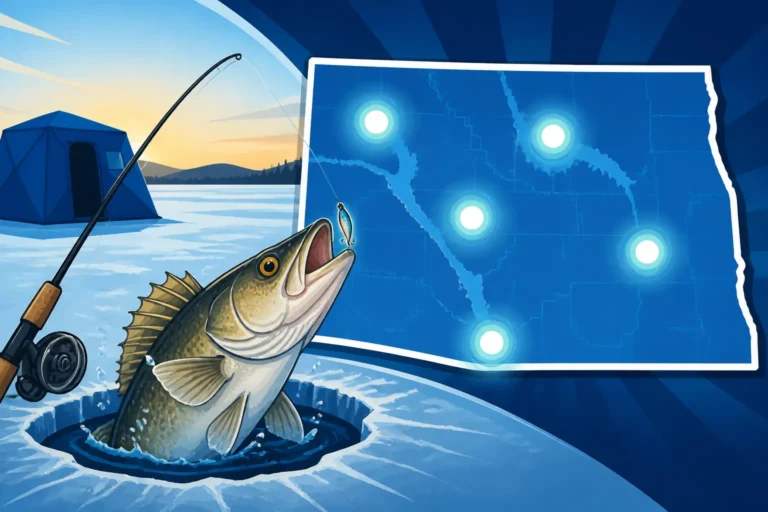
- Winter (Ice Fishing): Trout can be caught through the ice in many of these lakes. They often suspend in the water column, so using a fish finder to locate them is helpful. Small jigs tipped with a maggot or wax worm, or tiny spoons, are effective. Drilling multiple holes and moving around until you find a school is a common strategy. Remember to follow North Dakota Ice Fishing Rules for safety and shelter.
No matter the season, paying attention to water clarity, wind conditions, and any visible insect hatches will give you an edge. Sometimes, even the simplest adjustments, like changing your retrieve speed or the color of your lure, can make all the difference.
Regulations and Best Practices for Trout Anglers
Fishing responsibly is not just about following the rules; it's about preserving the resource for future generations and ensuring a positive experience for everyone. North Dakota has specific regulations for trout that all anglers must understand and adhere to.
Understanding North Dakota Trout Regulations
Before you even cast a line, make sure you have a valid North Dakota fishing license. You can find detailed information on how to obtain one in our North Dakota Fishing License Guide. Beyond the license, trout have specific daily and possession limits, which can vary slightly by water body or be subject to emergency regulation changes.
Key regulations to be aware of typically include:
- Daily Limits: How many trout you can legally keep in a single day.
- Possession Limits: The total number of trout you can have in your possession, including those at home.
- Size Limits: Some waters may have minimum or maximum length restrictions for certain trout species. While less common for stocked rainbows, it’s always important to check.
- Tackle Restrictions: Certain areas might have specific rules regarding bait use (e.g., artificial lures only) or the number of lines you can fish with. Generally, you can fish with up to four lines in North Dakota, but always double-check the current proclamation for any exceptions.
The North Dakota Game and Fish Department publishes a comprehensive fishing proclamation every two years, which details all regulations. It's available online and at license vendors. Always check the most current guide or their website before heading out. Fishing without a license or exceeding limits can lead to significant fines and penalties. If you're unsure about any rule, it's always best to err on the side of caution or consult the official regulations.
Conservation and Angler Etiquette
Practicing good conservation habits is vital for maintaining healthy fisheries. Here are a few best practices for trout anglers:
- Catch and Release: If you're not planning to eat your catch, or if you catch a trophy-sized fish you wish to preserve, practice proper catch and release. Handle fish minimally, keep them in the water as much as possible, and use barbless hooks to reduce harm.
- Respect Private Property: Always be mindful of land ownership. Many fishing spots are on public access areas, but some may border private land. Obtain permission before trespassing.
- Leave No Trace: Pack out everything you pack in. This includes old fishing line, bait containers, and any other trash. Our pristine fishing spots rely on everyone doing their part to keep them clean.
- Report Violations: If you witness any illegal fishing activity or pollution, report it to the North Dakota Game and Fish Department.
- Be Considerate of Other Anglers: Share the water, maintain respectful distances, and keep noise levels down, especially in quieter areas.
By adhering to these guidelines and staying informed about the latest regulations, you contribute to a thriving fishing environment for everyone. North Dakota's trout fisheries, though smaller in scale than some other states, offer a unique and rewarding experience, and it's up to us to ensure they remain vibrant for generations to come.
Disclaimer
The information provided in this guide is for general informational purposes only and is subject to change. Fishing regulations, stocking schedules, and lake conditions can vary. Always consult the official North Dakota Game and Fish Department website or their latest fishing proclamation for the most current and accurate information before planning your fishing trip. The author and publisher are not responsible for any inaccuracies or outdated information. Fishing inherently carries risks; always prioritize safety on and near the water.