Difference Between Sauger and Walleye Fishing Spots
It’s a common scenario: you’re out on the water in North Dakota, reeling in fish, and you start to wonder if that aggressive bite was from a walleye or something else entirely. Sometimes, it’s hard to tell, especially between a sauger and a walleye, and figuring out where to even find them can feel like solving a mystery. This guide is here to untangle that riddle, helping you understand the subtle yet significant differences in where these two beloved species like to hang out, so you can tailor your fishing trips for better success.
Understanding Sauger and Walleye in North Dakota Waters
North Dakota is a fantastic state for fishing, offering anglers a diverse range of opportunities, particularly for species like walleye and sauger. While they might look similar at first glance and are often confused, these two fish actually have distinct preferences for their environment. Knowing these differences isn't just about identifying your catch; it's about understanding their behavior, which is absolutely critical for finding the best fishing spots. If you're consistently targeting walleye in sauger territory, or vice versa, you might be wondering why your tackle box isn't delivering the results you hoped for.
Key Distinguishing Features Beyond Appearance
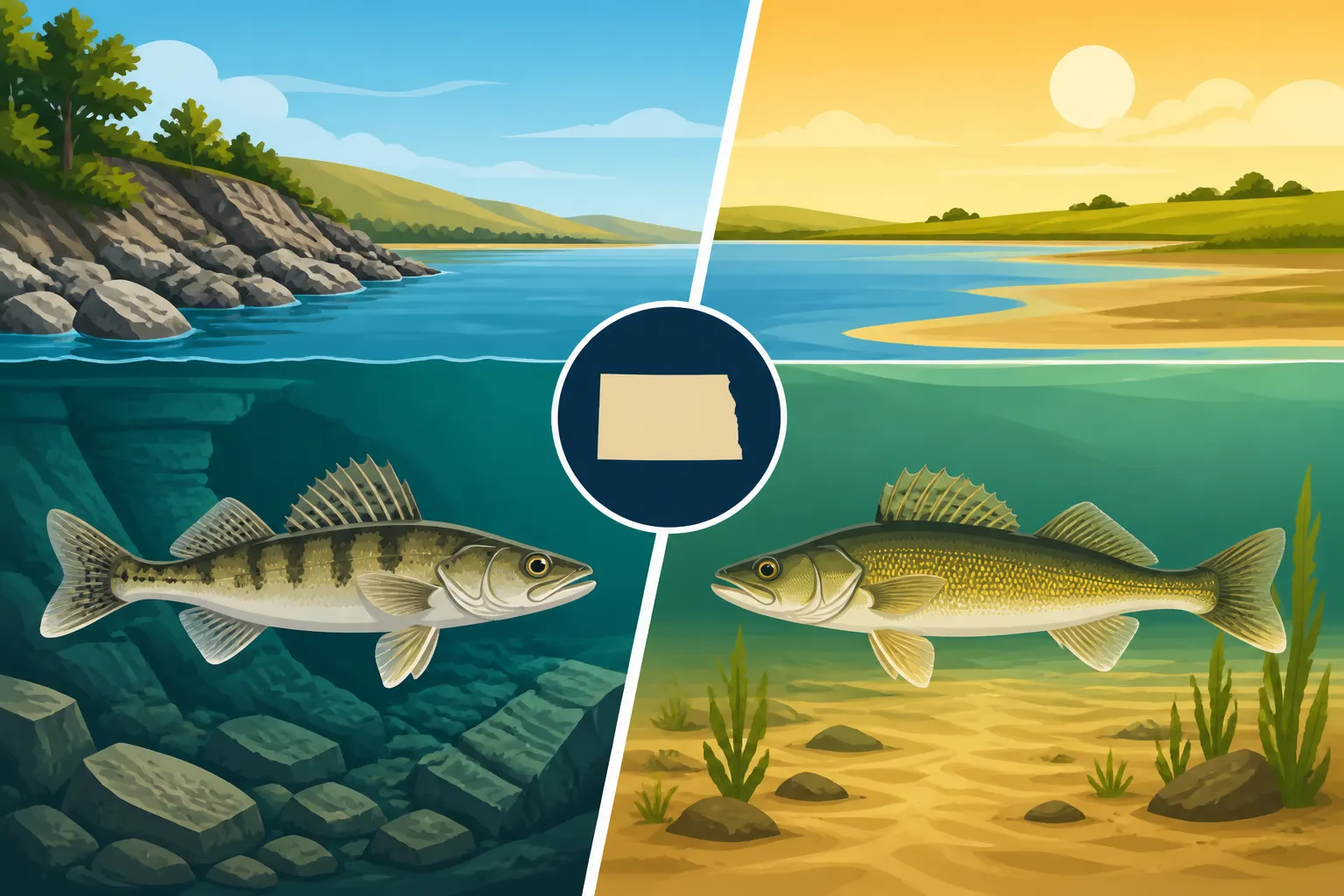
Beyond the visual cues that distinguish a sauger from a walleye (like the sauger's spotted dorsal fin and lack of a white tip on the caudal fin, or the walleye's more uniform color and large eyes), their fundamental behaviors and preferred living conditions really set them apart. Walleye are often considered sight feeders, more comfortable in clearer water where they can stalk their prey. They’re known for their light-sensitive eyes, which is why they tend to be most active during low-light conditions like dawn, dusk, or under cloud cover. They'll hug structure that offers shade or depth to escape bright sunlight.
Sauger, on the other hand, are much more tolerant of murky or stained water. Their lateral line system is highly developed, allowing them to sense vibrations and locate prey even when visibility is poor. This adaptation makes them perfectly suited for river environments where current often carries sediment, reducing water clarity. They’re less sensitive to light than walleye, meaning you might find them actively feeding in brighter conditions in their preferred habitats. Understanding these behavioral traits is the first step in unlocking where these fish prefer to call home.
General Habitat Preferences of Each Species
Think of North Dakota's waters as a spectrum, with crystal-clear, deep lakes at one end and swift, often turbid rivers at the other. Walleye generally lean towards the cleaner, larger lake environments or reservoir sections that mimic these conditions. They are structure-oriented, meaning they'll relate to underwater features like rock piles, submerged timber, or sharp drop-offs. Their ideal spot usually has a good population of baitfish and offers some protection from bright light. You'll find a lot of discussion about Best Walleye Lakes in North Dakota for a reason!
Sauger, conversely, are true river fish at heart. They thrive in flowing water and often prefer areas with a noticeable current. This doesn't mean you won't find them in reservoirs, but even then, they'll gravitate towards areas influenced by riverine currents, such as the upper arms of a large reservoir or tailraces below dams. They’re more comfortable in stained or somewhat turbid water, where they can use their keen sensory abilities to ambush prey that might not even see them coming. The extensive Missouri River system in North Dakota, for example, is famous for its sauger population.
Deep Dive into Walleye Fishing Spots in North Dakota
When you think "fishing in North Dakota," walleye are probably one of the first fish that come to mind for many anglers. And for good reason – this state boasts some incredible walleye fisheries. But just because a lake has walleye doesn’t mean they’re everywhere. Walleye are particular about their real estate, and understanding their preferred structures and movements can dramatically increase your chances of finding them.
Classic Walleye Lakes and Structures
North Dakota is blessed with several premier walleye destinations. Lakes like Lake Sakakawea and Devils Lake are practically synonymous with walleye fishing, drawing anglers from all over. On these expansive waters, walleye aren't just swimming aimlessly; they are almost always associated with some kind of underwater structure.
Imagine Lake Sakakawea, with its vast stretches of water and intricate bottom contours. Walleye here will often be found congregating around main lake points that extend into deeper water, humps and reefs that rise from the lake bed, or along the edges of sharp drop-offs and submerged creek channels. These features create natural ambush points where walleye can wait for unsuspecting baitfish to pass by. The depth and composition of these structures are key; walleye might prefer rocky areas for spawning in the spring, but shift to softer bottom transitions or weed lines during summer to hunt. Finding these exact locations is often discussed when anglers talk about Lake Sakakawea Walleye Fishing Spots. Similarly, Devils Lake, known for its flooded timber and fluctuating water levels, presents a unique walleye habitat. Here, walleye often relate to the edges of flooded timber, old roadbeds, or submerged rock piles, especially those near deeper water access. Exploring Devils Lake Walleye Fishing Spots requires understanding how they utilize this unique landscape for feeding and refuge. Many anglers rely on mapping features on their fish finders or even consider hiring a local guide through platforms like FishingBooker to pinpoint these elusive structures, especially on such large, complex bodies of water.
Seasonal Movements and Preferred Depths for Walleye
Walleye are not static creatures; their location and preferred depths change throughout the year, driven by spawning instincts, water temperature, and baitfish movements. This seasonal shift is critical to understanding where to find them.
- Spring: As the ice retreats and water temperatures begin to climb into the 40s and 50s Fahrenheit, walleye move to shallower areas for their annual spawn. You'll find them concentrating on rocky shorelines, gravel points, and river mouths where there's a good current flow and suitable spawning substrate. During this time, they might be in surprisingly shallow water, sometimes just a few feet deep, making areas like the upper reaches of Lake Sakakawea or specific bays on Devils Lake prime targets. Many anglers eagerly await When Does Walleye Season Open in North Dakota? to hit these spots.
- Summer: Once the spawn is over and water temperatures rise into the 60s and 70s, walleye generally retreat to deeper, cooler water during the day, often suspending over open water or relating to deep structure. They might be found anywhere from 15 to 40 feet deep, depending on the lake and time of day. They'll still feed on humps, reefs, and points, but they might be on the deeper sides or edges of these structures. Early morning, late evening, or overcast days will see them move shallower to feed.
- Fall: As water temperatures cool down in the autumn, walleye begin their "fall feed," gorging themselves in preparation for winter. They often move back shallower, targeting the edges of weed beds, main lake points, and secondary break lines in 10-25 feet of water. This is a fantastic time for trophy walleye, as they are actively chasing baitfish.
Understanding these seasonal patterns allows you to predict where walleye will likely be found at any given time, making your search for prime fishing spots much more efficient.
Pinpointing Sauger Fishing Spots in North Dakota
While walleye often grab the spotlight, sauger are a fantastic sport fish in their own right, offering a challenging and rewarding experience, particularly for those who prefer river environments. Their habitat preferences are quite distinct, steering you toward different types of water and structure.
Riverine Habitats and Current-Driven Structure for Sauger
If you're looking for sauger, your best bet in North Dakota is undoubtedly the river systems, particularly the mighty Missouri River. From the flowing waters near Williston down through the Bismarck area and into Lake Oahe, the Missouri River system provides ideal sauger habitat. These fish thrive in moving water and are perfectly adapted to navigate currents and locate food in less-than-clear conditions. If you’re planning a trip, looking up a Missouri River Fishing Guide can give you an edge.
Sauger will actively seek out current breaks, which are areas where the flow of the river is interrupted, creating an eddy or slack water where they can rest and ambush prey. These can be found behind large rocks, submerged timber, bridge pilings, or sudden changes in bottom contour. Scour holes, created by persistent current eroding the riverbed, are also prime sauger real estate, often holding schools of fish. Rip-rap along shorelines, especially where it meets a deeper channel, can also be a hotspot.
A classic sauger hotspot is the tailrace section below the Garrison Dam on the Missouri River. The turbulent, oxygenated water discharged from the dam creates a strong current that concentrates baitfish, and consequently, sauger. They'll hold in seams and eddies, just out of the strongest current, waiting for an easy meal. This area is specifically mentioned in discussions about Sauger Habitat Below Garrison Dam. The key is to find that transition zone between fast and slow water, where sauger can conserve energy but still have quick access to the food being swept downstream.
Finding Sauger in Lake Sakakawea's Tributaries and Muddy Bays
While the Missouri River is sauger central, these fish aren't exclusively confined to free-flowing rivers. They also inhabit large reservoirs, especially the upper reaches or arms that are still heavily influenced by river input. Lake Sakakawea, being a massive impoundment of the Missouri River, holds a significant population of sauger.
In a reservoir setting like Lake Sakakawea, sauger will often concentrate in the riverine sections upstream of the main body of the lake, or in large bay areas that receive substantial runoff from tributaries, which often increases turbidity. They prefer sections of the lake that maintain a noticeable current or that have a higher degree of water stain compared to the clearer main lake basins where walleye might dominate. Look for them around points and submerged islands that are subject to some current flow, or in areas with deeper channels and soft, muddy bottoms. These locations mimic their preferred river environments by offering current, cover, and reduced light penetration. You might find them in areas that connect to major river arms, such as the Van Hook Arm or the Little Missouri Arm of Lake Sakakawea, which retain more of that riverine character. This is why a comprehensive North Dakota Sauger Fishing Guide will always emphasize these specific types of locations.
Navigating the Overlap: Where Both Species Coexist
Sometimes, the lines blur, and you find yourself in a fantastic fishing spot where both walleye and sauger can be caught. These transitional zones offer exciting "mixed bag" opportunities, but they also require an understanding of why both species might be present and how to adapt your approach.
Transitional Zones and Mixed Bag Opportunities
The most common areas where you'll find both walleye and sauger are in transitional zones, places that offer a blend of both riverine and lacustrine (lake-like) characteristics. River mouths that flow into large lakes or reservoirs are prime examples. Here, the river current brings in food and turbidity, which appeals to sauger, while the broader, deeper lake environment offers structures that walleye prefer. The confluence of these conditions creates a rich ecosystem that attracts both species.
The Missouri River below the Garrison Dam, mentioned earlier for its sauger population, is also a phenomenal walleye fishery, especially during certain times of the year. Here, you might catch a sauger holding in a current seam and then a walleye positioned just out of the main current, perhaps near a rock pile or a drop-off, waiting for the same baitfish. Similarly, the upper reaches of Lake Oahe, where the Missouri River flow is still prominent before it widens into the main lake, can be a fantastic place to encounter both species. It’s in these areas that anglers truly appreciate the Difference Between Walleye and Sauger by observing their slightly varied positions within the same general area. Finding these productive mixed-bag spots can be tricky, and many anglers use resources like FishingBooker to connect with local guides who have intimate knowledge of these dynamic zones.
Adapting Techniques for Both Walleye and Sauger
When you're fishing a spot where both walleye and sauger are present, flexibility in your techniques is key. Both species are predatory and will strike at similar baits and lures, but subtle adjustments can often tip the scales in favor of one or the other, or at least keep you catching both.
- Lure Choice: Both walleye and sauger respond well to jigs, crankbaits, and live bait rigs. However, if you suspect more sauger are present in murkier water, brighter or more reflective lures, or those with strong vibrations, might be more effective. For walleye in clearer water, natural colors or subtle presentations often work best. A good Best Fishing Tackle for North Dakota Lakes selection will cover you for both.
- Presentation: Jigging is effective for both, but sauger often prefer a bait presented closer to the bottom, sometimes even dragging along it, reflecting their bottom-dwelling tendencies. Walleye, while also bottom-oriented, might suspend slightly higher or relate to more distinct structure. Trolling crankbaits can catch both, with depth and speed adjustments proving crucial depending on the target species' activity level and location.
- Electronics: Using a quality fish finder is indispensable in these situations. Modern units, covered in guides like Best Fish Finders for North Dakota Lakes, can help you identify subtle bottom changes, locate baitfish schools, and even distinguish between fish arches, though species identification purely from a sonar screen can be challenging. However, knowing the type of structure and depth where you're seeing fish can inform your choice of presentation and help you decide if you're more likely encountering a walleye or a sauger.
Ultimately, being prepared for both species by having a variety of lures and being willing to adjust your depth and presentation will lead to the most productive days in these shared habitats. A successful day often means bringing in a great mix, which is one of the joys of fishing North Dakota.
Here's a quick comparison of their typical fishing spot preferences:
| Feature | Walleye Fishing Spots | Sauger Fishing Spots |
|---|---|---|
| Primary Habitat | Large, deep lakes, major reservoirs | Rivers, river-influenced reservoir sections |
| Water Clarity | Generally prefer clearer water, tolerate some stain | Prefer stained to turbid water |
| Current | Avoid strong current, prefer slack water near structure | Thrive in current, seek current breaks and seams |
| Preferred Structure | Humps, reefs, main lake points, sharp drop-offs, weed lines, submerged timber in clearer water | Current breaks, scour holes, rip-rap, bridge pilings, submerged timber in current, tailraces |
| Depth | Varies greatly by season (shallow in spring/fall, deeper in summer) | Often deeper, hugging the bottom in current-protected areas |
| Light Preference | Low light conditions (dawn, dusk, overcast), deep water during bright sun | More tolerant of brighter light, active in turbid water |
Disclaimer
The information provided in this guide is for general informational purposes only and is subject to change. Fishing regulations, season dates, and limits for walleye, sauger, and all other species in North Dakota can vary and are regularly updated by the North Dakota Game and Fish Department. Always consult the most current North Dakota Fishing Proclamation or the official North Dakota Game and Fish Department website before heading out on the water. Additionally, always prioritize safety on the water, be aware of weather conditions, and wear appropriate personal flotation devices.