Ice Fishing for Northern Pike With Tip-Ups
Trying to catch a trophy Northern Pike through the ice can feel like a game of hide-and-seek, especially when you're bundled up and battling North Dakota's harsh winter elements. Many anglers struggle to cover enough water or keep multiple lines active, often missing out on those big, aggressive strikes that pike are famous for. This comprehensive guide will walk you through everything you need to know about effectively ice fishing for Northern Pike using tip-ups, maximizing your chances for success on our beautiful frozen lakes.
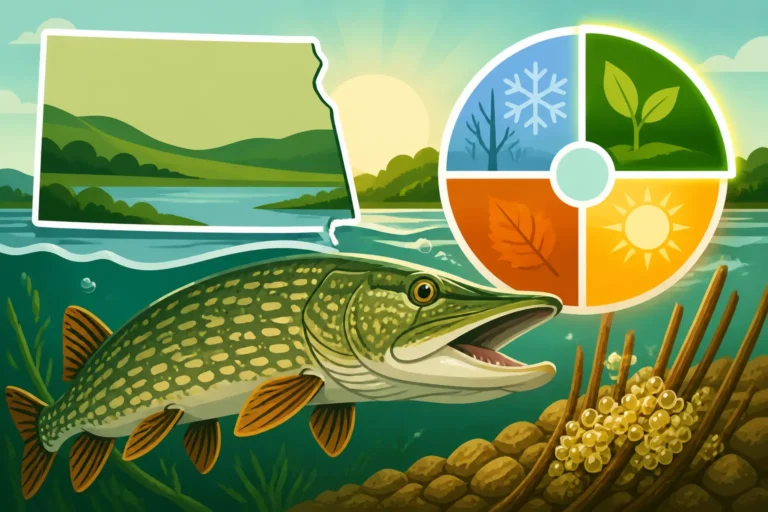
Understanding Northern Pike Habits in Winter
Northern Pike are formidable predators, and their behavior changes quite a bit when the lakes freeze over. Knowing their winter patterns is your first step to consistent success with tip-ups. It's not just about drilling a hole; it's about understanding the fish that lives beneath the ice.
Winter Diet and Metabolism of Pike
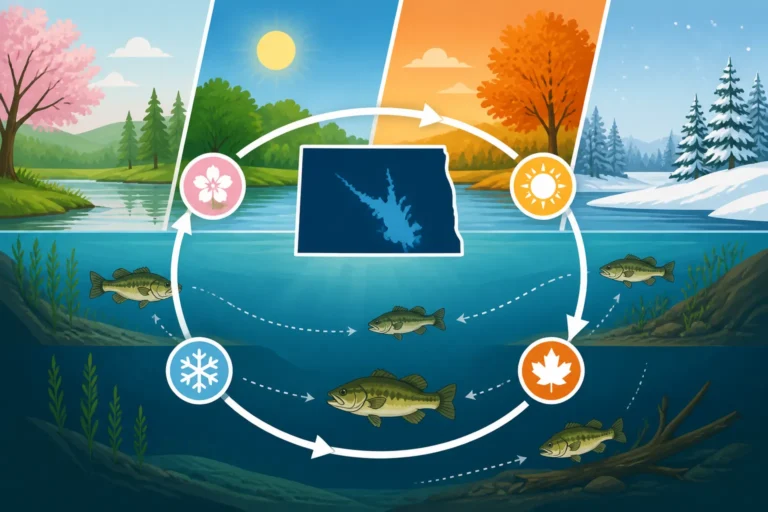
When the water gets cold, a pike's metabolism slows down, but they still need to eat, often voraciously, to sustain themselves. Unlike some species that become incredibly lethargic, pike remain active hunters throughout the winter, albeit sometimes preferring less energy-intensive meals. They're still opportunistic, snatching up whatever prey fish present themselves. This means they'll be cruising areas where baitfish congregate, even if those areas are deeper than where they spend their summer months. You might think they'd hunker down, but a big pike is always looking for its next meal, particularly during those crucial feeding windows.
This slower metabolism also means they're less likely to chase a bait for long distances. Your presentation needs to be appealing and right in their strike zone. They're not as inclined to expend massive amounts of energy darting around, so a well-placed, enticing dead or live bait can often out-perform a fast-moving jig in many situations. It’s a waiting game, and that's precisely where tip-ups shine, allowing you to present static or slow-moving bait over a wider area.
Preferred Winter Habitats and Structure
Pike, especially the larger ones, gravitate towards specific types of underwater structure even in winter. Think about what offers ambush points and holds baitfish. Submerged weed lines, especially the green weeds that retain oxygen longer into winter, are prime real estate. Pike will lurk on the edges of these weeds, waiting for an unsuspecting minnow to swim by. Humps, points, and drop-offs that lead to deeper water are also key spots. These transitional areas provide easy access to different depths and food sources.
Don't forget about rock piles and timber, particularly flooded timber in lakes like Devils Lake, where they can hide and ambush. These are often overlooked by anglers focusing solely on traditional weed beds. When scouting, pay close attention to depth changes indicated on your lake maps. A sudden change from 10 feet to 20 feet, especially if it’s associated with some sort of structure, can be a magnet for pike. Remember, the deeper parts of bays can also hold good numbers of pike, especially if there's a good food source.
Aggressive Strike Zones and Feeding Windows
While pike are always on the hunt, they do have distinct feeding windows. These often coincide with low light conditions – early morning, late afternoon, and sometimes even midday on heavily overcast days. During these times, their predatory instincts kick into high gear, and they become more willing to chase and strike. However, with tip-ups, you’re often presenting a stationary bait, so the "strike zone" isn't about chasing. It's about placing your bait where a cruising pike is most likely to encounter it with minimal effort.
The "strike zone" for a tip-up setup is typically a few feet off the bottom, or just above the top of any submerged structure like weeds or brush piles. Pike often look up to ambush prey, so suspending your bait slightly above their line of sight can be incredibly effective. Don't be afraid to experiment with different depths within your spread of tip-ups. Some days they might prefer it 5 feet down, other days 10 feet. It’s all about putting your offering directly in front of their face when they’re in a feeding mood.
Essential Gear for Tip-Up Pike Fishing
Getting geared up correctly is half the battle when you're facing North Dakota's winter. Having the right tools not only makes the experience more enjoyable but significantly increases your chances of landing that trophy pike. From the tip-up itself to the smallest hook, every piece plays a crucial role. If you're just starting, you can find a lot of reliable options on Amazon to get your kit together.
Choosing the Right Tip-Ups
There’s a surprising variety of tip-ups on the market, each with its own advantages. Traditional wooden cross-stick tip-ups are classic for a reason – they’re reliable, often affordable, and easy to use. However, thermal tip-ups, like the Clam Thermal Tip-Up, are fantastic for keeping your hole from freezing over, especially on bitterly cold days or during extended fishing trips. This is a huge benefit in North Dakota where temperatures can plummet rapidly. Remote-controlled or electronic tip-ups, like those from iFishPro, offer a modern twist, sometimes sending a signal to your phone when you get a flag, which is incredibly convenient if you're in a warm shelter a distance away.
When selecting your tip-ups, consider durability, ease of setup, and how well they resist freezing. Look for models with a sturdy base that won’t get blown around by the wind and flags that are highly visible. Some anglers prefer models with an adjustable trip mechanism, allowing for sensitivity adjustments depending on how aggressive the bite is. You want something that can withstand being left out in the elements for hours, signaling clearly when a pike decides to take your bait.
Line, Leaders, and Hooks for Pike
This is where many anglers make mistakes. Pike have incredibly sharp teeth, and they will make short work of light monofilament line. You need robust gear to stand a chance. For your main line on the tip-up reel, a heavy-duty braided line in the 30 to 50-pound test range is ideal. It resists abrasion, has minimal stretch for solid hook sets, and handles well in cold temperatures. Brands like PowerPro or Berkley FireLine are popular choices and can often be found on Amazon.
Now for the crucial part: the leader. A steel or fluorocarbon leader is absolutely essential. A 30 to 60-pound test fluorocarbon leader, around 18-24 inches long, offers excellent abrasion resistance and is virtually invisible underwater, which can be an advantage for finicky pike. For ultimate tooth protection, however, a solid steel leader is the way to go. You can buy pre-made steel leaders or tie your own using appropriate crimps and swivels. Make sure your leader is long enough so a pike can't mouth the bait and then bite through your main line. As for hooks, a sharp, strong treble hook (sizes 4-1/0) or a large single hook (sizes 2/0-5/0) is usually preferred, depending on your bait size. Some anglers also use quick-strike rigs, which incorporate multiple treble hooks to increase hook-up percentages, especially with larger live baits.
Bait Selection for Northern Pike
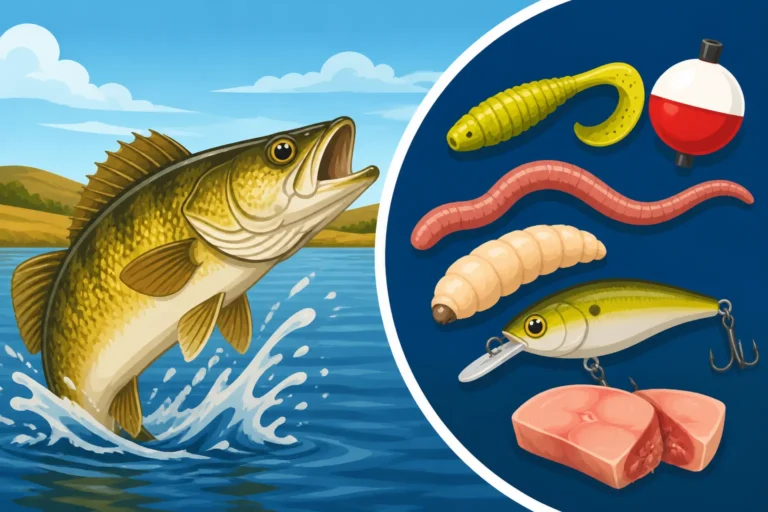
Pike are predators, and they're primarily looking for protein. The best bait for them through the ice is almost always live or dead baitfish. Local bait shops will typically carry a good selection, but if you're looking for specifics, checking out "Best Bait for Northern Pike Through the Ice" might give you even more tailored advice.
- Suckers: These are perhaps the most popular choice for large pike. Their size, oil content, and natural movements (if live) make them irresistible. Sizes from 6-12 inches are common.
- Shiners: Another excellent option, shiners are active and shiny, drawing attention in the darker winter waters.
- Smelt: These oily, strong-smelling fish are fantastic, especially as dead bait. Their scent trail can draw pike in from a distance. You can often find frozen smelt packages.
- Cisco (Tullibee): If available, these are phenomenal baits for trophy pike due to their large size and high oil content.
When using live bait, make sure they are healthy and active. Dead bait should be fresh or properly thawed. Some anglers prefer to "bleed" dead bait to enhance scent or use scent attractants to give their bait an extra edge. Always remember to check "North Dakota Fishing Regulations Explained" for any rules regarding bait use, especially when it comes to bringing bait from other bodies of water, to prevent the spread of aquatic nuisance species.
| Tip-Up Style | Pros | Cons | Ideal Use Case |
|---|---|---|---|
| Traditional | Affordable, simple, durable | Hole can freeze over, less stable in wind | Budget-friendly, mild conditions |
| Thermal | Keeps hole from freezing, stable | More expensive, bulkier | Cold weather, long fishing days |
| Round/Bucket | Compact, less prone to freezing | Smaller reel capacity, can be less visible | Portability, slightly warmer conditions |
| Remote/Electric | Instant notification, convenient | Most expensive, requires batteries | Large spread, fishing from a warm shelter |
Setting Up Your Tip-Ups for Success
Once you have your gear, knowing how to set it up properly is key to converting those flag-ups into fish on the ice. A sloppy setup can lead to missed bites, tangled lines, and frustration – and nobody wants that when it's twenty below.
Spooling and Rigging Your Tip-Up
Properly spooling your tip-up's line holder is crucial. Don’t overfill it, but make sure you have enough line, typically 50-100 feet, to handle deep water and long runs from a big pike. When spooling, keep a slight tension to ensure the line lays evenly, preventing tangles later. Once spooled, attach your leader using a strong knot like a Surgeon's knot or a double uni knot. If you're using a swivel to connect your leader, make sure it's a quality, strong swivel that can handle the stress of a fighting pike.
For rigging, a popular setup involves attaching a bell sinker or a split shot weight a few feet above your hook. This helps sink your bait quickly and keeps it in the desired depth zone. Ensure your hook is sharp and properly sized for your bait. If you’re using live bait, hook it carefully through the back, just below the dorsal fin, avoiding the spine, or lightly through the lips. This allows the bait to swim naturally and stay alive longer. For dead bait, hooking it through the head or gills allows it to hang horizontally, mimicking a distressed fish.
Depth Management and Bait Presentation
One of the biggest variables in tip-up fishing is finding the right depth. As mentioned before, pike often look up to feed, so suspending your bait a few feet off the bottom, or just above any structure, is a great starting point. If you’re fishing over weeds, try to keep your bait just above the top of the weed canopy. If fishing a basin, start by setting your bait 3-5 feet off the bottom and adjust from there.
Use a depth finder (or a weighted clip on your line) to measure the water depth before setting your bait. This allows for precise depth control. It’s also wise to vary your depths across your spread of tip-ups. For example, if you have six tip-ups, set two shallow (e.g., 5-10 feet), two mid-depth (10-15 feet), and two deeper (15-25 feet). This strategy helps you quickly identify the pike’s preferred depth on any given day. Remember, the goal is a natural, enticing presentation that requires minimal effort from a cruising pike.
Alarms and Indicators
The flag on your tip-up is your primary alarm, but sometimes, especially in whiteout conditions or when you're a distance away, it can be hard to spot. Make sure your flag is brightly colored and stands out against the snow. Some anglers tie a piece of reflective tape or a small reflective streamer to their flags for better visibility, especially if you're fishing near dusk or dawn. For a detailed rundown on necessary gear, check out "Best Ice Fishing Gear for North Dakota".
Beyond the flag, some tip-ups come with bells or small electronic lights that activate when the flag goes up. These can be incredibly helpful. The electronic models, as mentioned, can even alert you on a smartphone app. While these aren't strictly necessary, they add a layer of convenience and confidence, ensuring you don't miss a bite while tending to your other lines, warming up in your portable ice shelter, or chatting with buddies. Remember, speed is often critical once a flag goes up, so any system that helps you react faster is a plus.
Strategic Placement and Pike Habits
You’ve got your gear, you know how to set it up, but where do you put it? This is where your understanding of pike habits really pays off. Proper placement is paramount for getting those flags flying.
Scouting Locations and Structure
Before you even drill your first hole, spend some time scouting. Use a good lake map, either paper or a digital one on a fish finder, to identify potential hotspots. Look for those submerged weed beds, sharp drop-offs, points, humps, and areas of flooded timber. Consider recent reports or local knowledge about where baitfish are congregating. If you know where the yellow perch or white suckers are, the pike won’t be far behind.
When you arrive on the ice, don't just set up in a straight line. Walk around, look for old holes (which can indicate past success), and if you have a portable sonar or flasher, use it to scan for depth changes, structure, and baitfish. You might find a perfect weed edge that doesn't show up clearly on a map. Think like a pike: where would you hide to ambush prey? Where would you expect to find a meal without expending too much energy? This detective work before you start drilling holes can save you hours of unproductive fishing. You might also want to consult a "North Dakota Northern Pike Fishing Guide" for specific lake insights.
Spacing Your Tip-Ups Legally and Effectively
North Dakota fishing regulations allow anglers to fish with multiple lines, but there are specific rules you need to follow regarding the number of lines and the distance between them. Always check "North Dakota Ice Fishing Rules" or the current fishing proclamation for the exact legal limits, as these can change. Typically, you can use up to four lines (which often translates to four tip-ups) for ice fishing, but this can vary. It’s absolutely critical to stay within the legal limits to avoid penalties.
Once you know your legal limit, strategically spread your tip-ups to cover different depths and structures within your chosen area. Don’t clump them all together in one spot. If you’re fishing a point, place one on the shallow side, one on the deep side, and one right on top of the point. If you’re along a weed line, spread them along the edge. The goal is to maximize your coverage, essentially creating a "minefield" for cruising pike. However, don't spread them so far apart that you can't quickly get to a flag when it goes up.
Monitoring Multiple Lines and Reacting to Flags
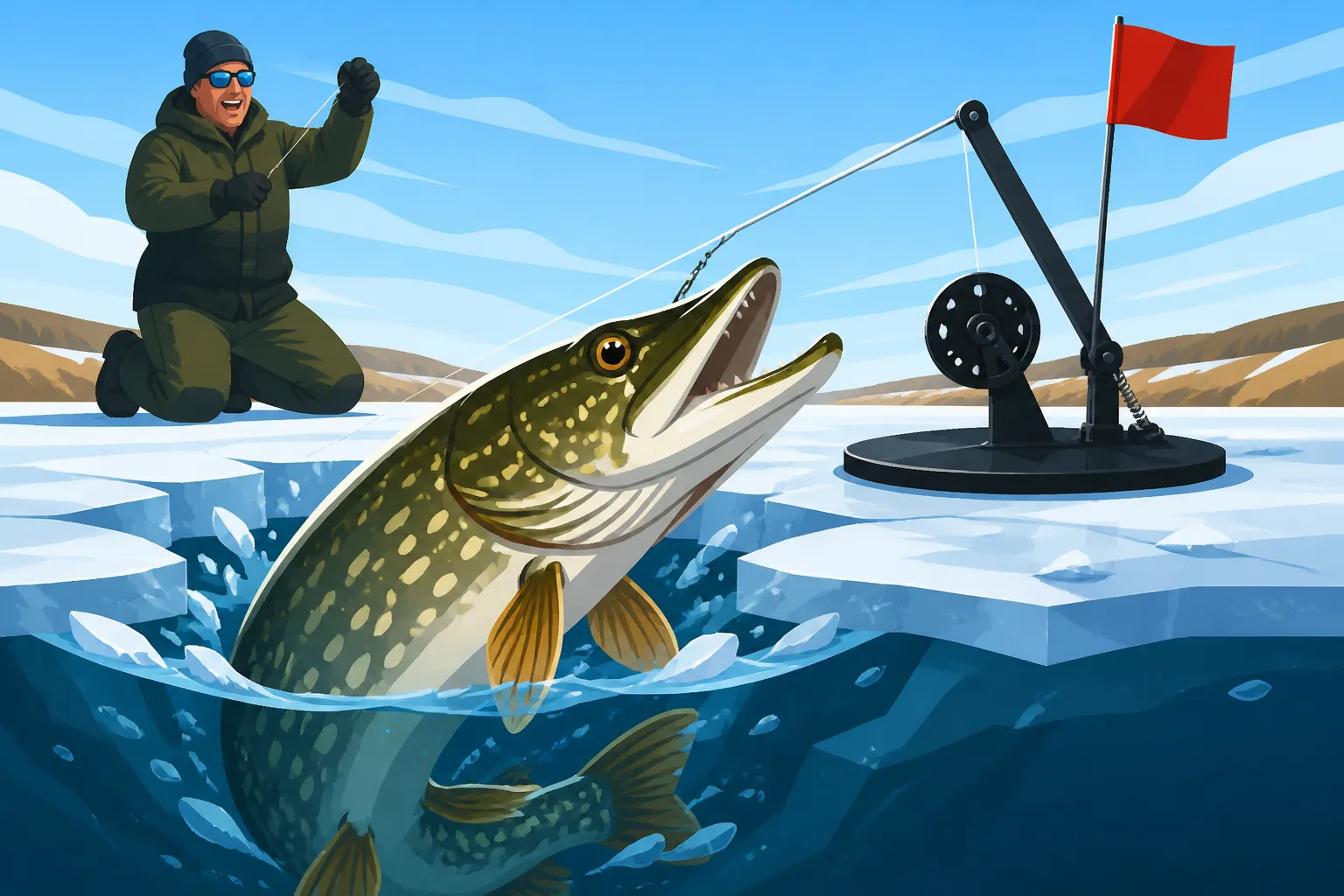
Managing multiple tip-ups requires attentiveness. Your eyes should constantly be scanning your spread, looking for those tell-tale flags. When a flag pops up, it’s a rush of adrenaline! Don't sprint immediately, but approach cautiously. A pike will often take the bait and swim off, pulling line from the spool. If the spool is still turning, let it run for a bit. This gives the pike time to fully mouth and swallow the bait. A good rule of thumb is to let the fish run for 10-20 seconds or until the run stops, indicating it has likely turned the bait in its mouth.
Once the run stops or significantly slows, or if you feel confident it's had enough time, gently lift the tip-up out of the hole. Take up any slack line until you feel the weight of the fish, then set the hook with a firm, upward sweep. Don’t yank too hard, especially with braided line, as you could pull the hook. Then, it’s a hand-to-hand combat, pulling the line in by hand, careful not to tangle it or let the fish get leverage around the bottom of the ice hole. This is where a sharp pair of ice cleats can be a lifesaver, providing essential traction.
Ensuring a Safe and Comfortable Ice Fishing Experience
Ice fishing in North Dakota is an exhilarating experience, but it comes with inherent risks. Prioritizing safety and comfort ensures you can focus on the fishing, not on shivering or worrying.
Ice Thickness and Conditions
The number one rule of ice fishing is no ice is 100% safe. Always exercise extreme caution, especially early in the season or after periods of fluctuating temperatures. The general guideline for safe walking ice is 4 inches for ice fishing, 5-7 inches for a snowmobile or ATV, and 8-12 inches for a small car or light truck. However, these are just guidelines. Ice can vary in thickness dramatically over short distances due to currents, springs, or pressure ridges. You absolutely need to know "How Thick Ice Needs to Be for Ice Fishing".
Always check ice conditions before heading out, using a spud bar or an ice auger to test the thickness as you go. Drill a hole every few yards to verify conditions, especially if you're on a new lake or in an unfamiliar area. Look for signs of weak ice, such as discolored patches or cracks. Never fish alone, let someone know your plans, and carry safety gear like ice picks and a throwable rope. Early season ice and late season ice are particularly dangerous.
Emergency Gear and Protocols
Even when you're careful, accidents can happen. Being prepared can be the difference between a close call and a tragedy. Your essential emergency gear should include:
- Ice Picks: Worn around your neck, these allow you to pull yourself out if you fall through.
- Rope: A long, buoyant rope (at least 50 feet) to throw to someone who has fallen through.
- Whistle or Air Horn: To signal for help if you're in distress.
- First-Aid Kit: For minor cuts, scrapes, or injuries.
- Fire Starter: Matches or a lighter, essential for warmth if you get wet and stranded.
- Charged Cell Phone: In a waterproof bag, for emergencies.
- Headlamp or Flashlight: For navigating in low light or if you're out past sunset.
If someone does fall through, remember the "reach, throw, row, go" principle: try to reach them from a safe distance, throw a rope or flotation device, use a boat or similar if available, and only as a last resort go in yourself, only if you're properly trained and equipped. Never put yourself in unnecessary danger. For more safety information, read up on "Early Ice Fishing Safety Tips".
Staying Warm and Dry
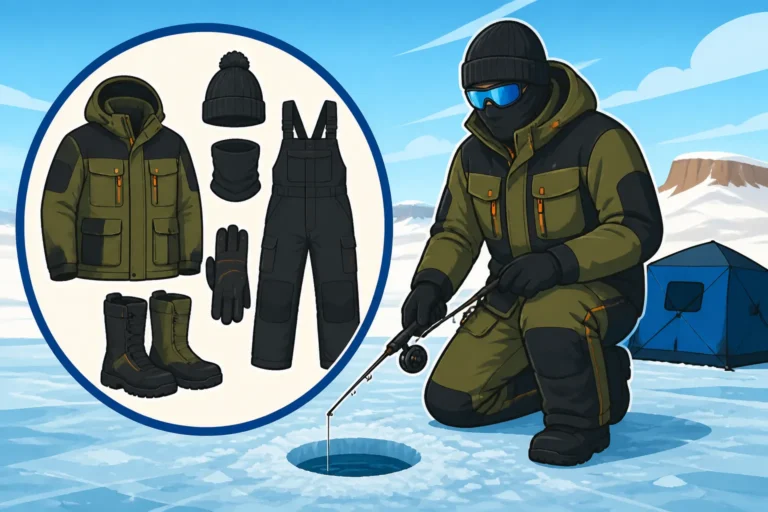
North Dakota winters are no joke. Staying warm and dry is crucial for an enjoyable and safe day on the ice. Layering your clothing is the most effective strategy. Start with a base layer of moisture-wicking material, followed by a mid-layer for insulation (fleece or wool), and an outer shell that is waterproof and windproof. Brands like Carhartt or even good quality outdoor gear found on Amazon can make a huge difference here.
Don't forget your extremities! A warm hat that covers your ears is a must, as you lose a lot of heat from your head. Insulated, waterproof gloves or mittens are essential for handling wet fish and gear. And for your feet, invest in good quality, insulated, waterproof boots with thick wool or synthetic socks. A portable heater in your ice fishing shelter, combined with a good "Best Portable Ice Shelters for Wind", will provide a sanctuary from the biting wind and cold, allowing you to relax and enjoy the wait for that flag. For more specific advice, consider "What to Wear Ice Fishing in North Dakota".
Troubleshooting and Advanced Tips for Pike on Tip-Ups
Even with the best preparation, there will be days when the pike are finicky, or you encounter unexpected challenges. These advanced tips can help you turn a slow day into a successful one.
Dealing with Finicky Pike
Sometimes, a flag will go up, you approach, but the line isn’t moving, or it makes a short run and then stops. This often indicates a finicky pike that’s mouthing the bait but not fully committing. In these situations, patience is key. Instead of rushing to set the hook, give the fish more time. Walk away from the hole for a minute or two, letting the pike feel secure.
If the fish consistently drops the bait, try adjusting your presentation. This might mean using a smaller baitfish, or switching to a quick-strike rig with multiple, smaller treble hooks to increase your chances of a hook-up on a light bite. You could also try adding a little movement by occasionally jiggling the line on your tip-up (if the fish isn't running) to make the bait appear more alive. Sometimes, a subtle change in leader material, like switching from steel to fluorocarbon, might also make a difference if the water is very clear and the fish are leader-shy.
Maximizing Hook-Up Ratios and Landing Fish
Hooking a pike once it takes the bait is one thing, but landing it through an ice hole is another. Pike are notorious for their thrashing, head shakes, and last-minute runs. When you feel the weight of the fish, set the hook firmly but avoid over-setting, which can tear the hook out or break your line. Once hooked, control the line by hand-lining it slowly, keeping constant tension. Don't let the fish have any slack.
As the pike gets closer to the hole, it will often make a strong surge or dive. Be ready to give line by hand, letting it run a bit, and then take up the slack again. This is where having plenty of line on your spool helps. When the fish's head enters the hole, try to grab it firmly behind the gills or with a gaff (check regulations on gaff use) to hoist it onto the ice. Be very careful with their sharp teeth and gill plates. A good pair of long-nose pliers or a hook remover is essential for safe de-hooking. Some anglers also use a large landing net for bigger fish, especially if the hole is wide enough.
Packing Up and Preservation
After a successful day, or even a slow one, packing up properly is important. Make sure all your gear, especially your tip-ups, are free of ice and snow before storing them to prevent freezing and damage. Wipe down any wet metal components to prevent rust.
For your catch, immediate preservation is key. Get your pike on ice as soon as possible. A cooler filled with ice or snow will keep the fish fresh until you can get home and clean them. This is especially important if you plan on filleting them for the table. Knowing how to properly fillet a pike to remove the Y-bones can turn a challenging fish into a delicious meal. Always dispose of fish carcasses and any leftover bait responsibly. Leaving them on the ice or shoreline is not only disrespectful to other anglers and wildlife but can also attract scavengers and lead to unsanitary conditions. Remember the principles of "leave no trace" to keep North Dakota's beautiful fishing spots pristine for everyone.
Disclaimer
The information provided in this guide is for general informational purposes only and is not intended as legal advice. Fishing regulations, ice conditions, and safety protocols can change rapidly. Always consult the official North Dakota Game and Fish Department regulations, local weather forecasts, and ice reports before heading out on the ice. Prioritize safety above all else.