When Does Northern Pike Spawn in North Dakota?
Ever found yourself wondering exactly when those aggressive northern pike in North Dakota are preoccupied with their annual spawning duties? It's a common question that can really impact your fishing success, making you feel like you're missing out or fishing in the wrong spots. Understanding their timing and habits is key to unlocking better fishing throughout the year. This guide will cut through the guesswork and give you a comprehensive breakdown of when northern pike spawn in North Dakota, why it matters, and how you can adapt your angling strategies.
The Annual Ritual of Northern Pike Spawning in North Dakota
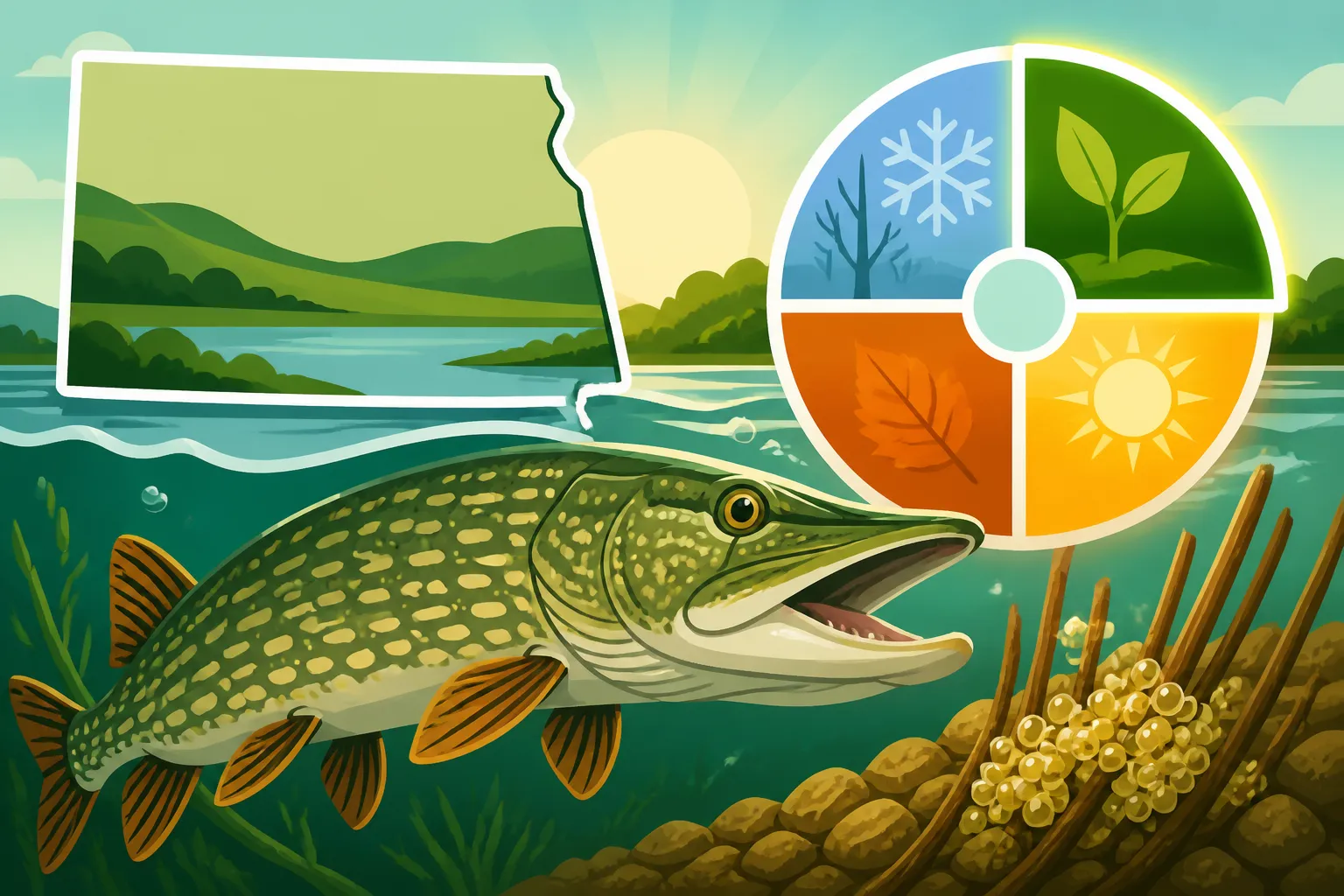
Northern pike, those sleek, toothy predators we all love to chase, have a very specific window for their reproductive efforts here in North Dakota. It's not a hard-and-fast date on the calendar, but rather a fascinating natural event triggered by environmental cues, primarily water temperature and the receding ice. If you want to really understand pike, you need to understand their spring ritual.
Timing is Everything: Water Temperature Triggers
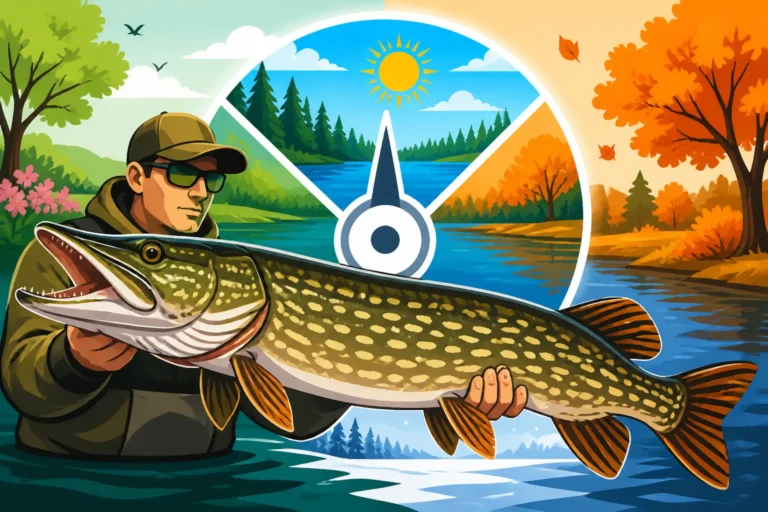
For northern pike, the entire spawning cycle revolves around water temperature. As the long North Dakota winter finally gives way to spring, the ice begins its annual retreat, and the water slowly warms up. This is the signal pike have been waiting for. Generally speaking, pike will start moving towards their spawning grounds when water temperatures hit the low 40s Fahrenheit (around 4-6°C). The actual spawning activity, where eggs and milt are released, typically occurs when the water temperature is consistently between 40°F and 52°F (4°C to 11°C).
It's crucial to understand that this isn't an instant flip of a switch. It’s a gradual process. In early spring, immediately after ice-out, pike are still pretty lethargic. But as those shallows start to absorb the sun's warmth and creep into that critical temperature range, their biological clocks start ticking loudly. You'll notice a significant shift in their behavior, from staging in deeper waters to actively seeking out those shallow, vegetated areas.
The Ice-Out Connection and Regional Variations
Given North Dakota's diverse geography and climate, "ice-out" isn't a single day across the entire state. Smaller, shallower lakes in the southern parts of the state or those that receive more direct sunlight might see ice-out earlier, leading to an earlier pike spawn. Conversely, deeper, larger bodies of water, or lakes further north, might hold onto their ice much longer. For instance, smaller lakes near Bismarck or Fargo might see pike spawning in early to mid-April, while big waters like Lake Sakakawea could have it stretch into late April or even early May, depending on the year's specific thaw.
This variability means that if you're an avid pike angler, keeping an eye on local ice conditions and water temperatures for your chosen fishing spot is far more important than a general date. It's why many seasoned anglers carry a reliable water thermometer – you can find a good, durable one on Amazon – to accurately gauge conditions. Monitoring conditions is also vital if you're trying to fish for other species during the
North Dakota Open Water Fishing Season.
Key Factors Influencing Pike Spawning Behavior
It's not just about the thermometer hitting a magic number. Northern pike are highly attuned to their environment, and several other factors play a significant role in where and when they decide to lay their eggs. Understanding these nuances will make you a much more successful angler, allowing you to anticipate their movements.
Water Levels and Floodplain Access
One of the most critical, yet often overlooked, factors is water level. Northern pike are broadcast spawners, meaning they don't build nests. Instead, they scatter their eggs over submerged vegetation in shallow, flooded areas. This means they absolutely love high water levels in the spring that inundate grassy fields, cattail stands, and brushy areas along shorelines. When spring rains and snowmelt cause lakes and rivers to rise, creating vast new shallow, vegetated nurseries, pike are in heaven.
If water levels are low, however, and these prime flooded areas are scarce or nonexistent, pike will be forced to spawn in less ideal locations. This can lead to a less successful spawn and, consequently, impact pike populations in the coming years. Anglers might also find pike more concentrated in the limited available shallow cover, making them easier to locate, but potentially more wary. This can really impact your ability to target them effectively with
Northern Pike Casting Techniques.
Submerged Vegetation: The Ultimate Nursery
The availability of suitable submerged vegetation is non-negotiable for spawning pike. They need dense grasses, reeds, cattails, and brush to lay their sticky eggs on. These plants provide a safe substrate for the eggs to attach to, protect them from predators, and offer cover for the newly hatched fry. Shallow bay areas, backwater sloughs, and flooded marshlands are prime real estate.
Think about it: a small bay that typically only has a few feet of water in summer might be completely flooded and covered in lush grass during spring runoff. That's a pike magnet. Without this vegetation, the eggs would simply fall to the bottom, become covered in silt, or be easily eaten by other fish or invertebrates. This is why when you're looking for good
Fishing Weed Lines for Northern Pike, knowing their preferred spawning habitat is an immense advantage.
Light Penetration and Day Length
While water temperature is the primary trigger, increasing day length and light penetration also play a role in signaling the arrival of spring and the optimal conditions for spawning. As the sun climbs higher in the sky and stays there longer, it warms the shallow waters more efficiently and stimulates plant growth, creating the perfect conditions for the pike's reproductive cycle.
Longer days mean more daylight hours for the shallow water to warm up, which in turn accelerates the ice melt and brings the water temperatures into that crucial spawning range sooner. It's all interconnected, a beautiful symphony of natural cues that guide the pike through their annual mission.
Where Northern Pike Go to Spawn
Knowing when pike spawn is only half the battle; knowing where they go is equally, if not more, important for anglers. They don't just spawn anywhere. They seek out very specific habitats that maximize the survival rate of their eggs and fry.
Shallow, Vegetated Bays and Backwaters
This is the quintessential pike spawning habitat. Look for large, shallow bays that are protected from strong winds and have extensive stands of emergent vegetation like cattails, bulrushes, and rushes. These areas warm up quickly in the spring sun, provide ample cover, and offer a safe haven for eggs. Creeks and rivers flowing into larger lakes often have these types of backwater areas, which become incredibly important during the spawn.
For example, on large systems like Lake Sakakawea, anglers might look for the shallower arms or protected inlets that are choked with old cattails from the previous year's growth. On Devils Lake, flooded timber and expansive shallow flats that have been inundated for years provide excellent cover. These spots are often out of the main current flow, allowing the water to stay warmer and calmer.
Flooded Grasslands and Wetlands
When water levels are particularly high, northern pike will venture into what would normally be dry land – flooded agricultural fields, pastures, or natural wetlands adjacent to the main water body. These areas, rich in decomposing plant matter, provide both ideal egg attachment sites and a bounty of microscopic food for the newly hatched fry. The decaying vegetation also contributes to a slightly lower oxygen environment that some believe offers an additional layer of protection against certain egg predators.
Imagine a farmer's field that's usually only good for growing corn or wheat. If the spring runoff raises the lake level several feet, that field might suddenly become a vast, shallow, submerged grassland. To a northern pike, that's like hitting the jackpot. This is why understanding
North Dakota Fishing Regulations Explained is important, as access to these areas may sometimes be limited or require specific permissions.
Rivers and Connecting Channels
In river systems, or where lakes are connected by smaller channels, northern pike will often utilize these areas for spawning. Tributary rivers and streams, especially those with slower current and marshy edges, become important spawning avenues. The slightly warmer, often muddier water of these tributaries can offer an earlier start to the spawn compared to the main lake body.
The Missouri River, for instance, has numerous smaller feeder creeks and backwater sloughs that become vital spawning zones. Pike will migrate into these areas from the main channel, often staging just outside the mouths of these creeks before making their final push into the shallowest water. Knowing this behavior can help you predict
When Does Walleye Season Open in North Dakota?, as many species follow similar patterns in terms of seeking warmer, shallower water in spring.
Impact of Spawning on Fishing Strategies
Understanding the northern pike spawning timeline isn't just about natural history; it's about becoming a more effective angler. How pike behave before, during, and immediately after the spawn profoundly influences their catchability and where you should focus your efforts.
Pre-Spawn: Hungry and Aggressive
The pre-spawn period is often considered one of the best times to target northern pike. As soon as the ice starts to recede and water temperatures begin to climb into the upper 30s and low 40s Fahrenheit, pike go on a feeding frenzy. They need to pack on calories to fuel the energy-intensive spawning process. During this time, they'll often stage in slightly deeper water adjacent to their eventual spawning grounds, like break lines or creek channels leading into shallow bays.
This is when big, flashy lures, jerkbaits, and large soft plastics can be incredibly effective. Pike are actively hunting, looking for a substantial meal. They're often less wary than at other times of the year. This aggressive feeding behavior makes them a prime target, and knowing where they stage gives you a significant advantage. You might find some excellent deals on pre-spawn pike lures on Amazon, especially if you're stocking up for the season.
During the Spawn: Focus Elsewhere
During the actual spawning period, when water temperatures are firmly in that 40-52°F range, fishing for northern pike can be notoriously tough. The fish are highly focused on reproduction. Males are typically in the shallowest waters first, awaiting females. Once the females arrive, they are more concerned with depositing eggs than with eating. Their primary drive is biological, not hunger.
While you might still catch a few incidental pike in spawning areas, particularly males, it’s generally not the most productive time to target them deliberately. Many ethical anglers choose to leave them undisturbed during this critical time. If you do encounter them, they might be sluggish or react poorly to lures. Instead of frustrating yourself, this is an excellent time to explore other fishing opportunities, like preparing for
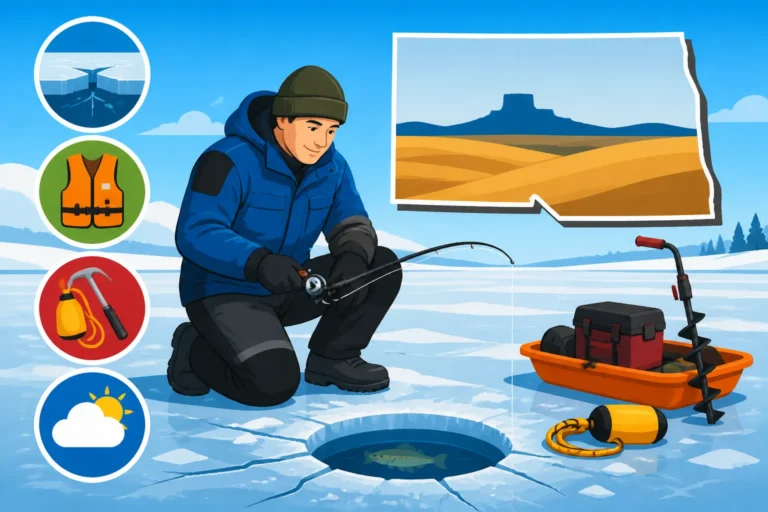
How to Ice Fish in North Dakota next winter, or focusing on other species in the system.
Post-Spawn: Recovering and Re-Engaging
Immediately after the spawn, northern pike are often exhausted and stressed. Females, especially, have expended a tremendous amount of energy producing and releasing eggs. Both sexes will typically retreat from the super-shallow spawning flats to slightly deeper, but still vegetated, areas to recover. This post-spawn period can last anywhere from a few days to a couple of weeks, depending on the individual fish and environmental conditions.
As they recover, their hunger returns. They won't be as aggressive as in the pre-spawn, but they will actively seek out easy meals. This is when smaller baitfish imitators, spinnerbaits, and even some slower-moving spoons can be effective. They'll often be found cruising weed lines or around submerged structure, looking for an ambush point. The key is to present your lure slowly and enticingly. Remember to check the
North Dakota Northern Pike Daily Limit to ensure you're compliant with regulations during this and any other fishing period.
Here’s a quick overview of the pike spawning timeline and recommended fishing adjustments:
| Phase | Typical Water Temperature | Pike Behavior | Fishing Strategy |
|---|---|---|---|
| Pre-Spawn | 38°F – 45°F | Migrating, staging, aggressive feeding | Target transition areas, big lures, fast retrieves. |
| Spawning | 40°F – 52°F | Actively reproducing, highly focused on mating | Avoid direct spawning areas; low catch rates. Consider other species. |
| Post-Spawn | 48°F – 60°F | Recovering, less aggressive but feeding as hunger returns | Target weed lines, submerged structure; slower presentations, smaller lures. |
Understanding these phases is critical. If you're consistently striking out on pike in April, it might just be that they're actively spawning, and you need to adjust your expectations or move to a different area or a different species. This knowledge, coupled with knowing your local
North Dakota Fishing Season Dates and Limits, will empower you to fish smarter, not just harder.
Maximizing Your Pike Fishing Success Around the Spawn
Knowing the ins and outs of the northern pike spawn can truly transform your fishing trips. It’s about being in tune with nature and making informed decisions rather than just casting blindly.
Gear Up for Spring Conditions
Spring in North Dakota can be fickle. One day it's sunny and calm, the next it's windy and cold. You'll want to be prepared. When fishing around the spawn, especially in those shallow, vegetated areas, having a good pair of waterproof boots or waders is a must. You might be walking through muddy banks or wading into shallow waters. A quality pair of polarized sunglasses will help you spot submerged vegetation and even cruising pike in clear water conditions. You can find excellent options for all these essentials through retailers like Amazon, ensuring you're ready for whatever the North Dakota spring throws your way.
As for lures, stock up on weedless options for the post-spawn period when pike are often tucked deep into new weed growth. Spinnerbaits with Colorado blades, weedless spoons, and soft plastic swimbaits rigged Texas-style are all excellent choices for fishing around vegetation without constantly snagging. Don't forget to review
Best Lures for Northern Pike in Spring before heading out.
Respect the Resource
One of the most important aspects of understanding the spawn is respecting the resource. While it's perfectly legal to fish for pike during their spawning period in North Dakota, actively targeting them when they are most vulnerable and stressed by reproduction can negatively impact future populations. Consider practicing catch-and-release during the height of the spawn, and handle any fish you do catch gently and quickly.
Focus on the pre-spawn bite when fish are actively feeding, or wait for the post-spawn recovery when they're again looking for a meal but have completed their reproductive duties. This responsible approach ensures that these fantastic fish will continue to thrive in North Dakota's waters for generations of anglers to come. Keeping an eye on
North Dakota Fishing Regulations Explained is always a good practice.
Stay Informed
The North Dakota Game and Fish Department (NDGFD) is your absolute best friend for staying up-to-date on local conditions. They conduct surveys, monitor water levels, and often provide fishing reports that can give you clues about pike movements. Checking their website or social media channels for specific lake reports, or even looking into ice-out maps, can provide invaluable, localized information that goes beyond general timelines. Sometimes, local bait shops also have the most current information, as they interact with anglers daily.
Being informed about specific conditions in your preferred fishing area, whether it's Devils Lake or Lake Sakakawea, allows you to anticipate when the spawn will begin and end. This means more time with a bending rod and less time wondering where the fish have gone.
Disclaimer
The information provided in this guide is for general informational purposes only and is not intended as legal advice regarding North Dakota fishing regulations. Anglers are responsible for consulting the most current official North Dakota Game and Fish Department regulations and proclamations before engaging in any fishing activities. Fishing seasons, limits, and rules can change, and it is the individual angler's responsibility to stay informed and compliant.