How to Cast for Northern Pike From Shore
Oh, the allure of fishing for northern pike! There's something truly exhilarating about that aggressive strike and the ensuing battle with one of North Dakota's most formidable freshwater predators. Many anglers think you need a fancy boat to chase these toothy critters, but that simply isn't true. Fishing for pike from shore presents its own unique challenges and rewards, and it's a fantastic way to enjoy a day on the water without the hassle of launching a boat. This guide is dedicated to helping you master the art of casting for northern pike right from the bank, covering everything from selecting the right gear to finding those prime shoreline hideouts.
Understanding Northern Pike Behavior Near Shore
Before you even make your first cast, it's incredibly helpful to get into the mind of a northern pike. These fish are true ambush predators, and their behavior directly influences where you'll find them and how you'll catch them from shore. If you understand what makes them tick, you'll be much more successful.
Pike as Ambush Predators
Northern pike are masters of camouflage and sudden attack. They don't typically cruise open water looking for food; instead, they prefer to lie in wait, hidden amongst vegetation or structure, ready to dart out and ambush unsuspecting prey. This is fantastic news for shore anglers because it means pike often position themselves in relatively shallow, near-shore areas where they have plenty of cover. Think dense weed beds, submerged logs, rock piles, and even sharp drop-offs close to the bank. These are their hunting grounds, and these are the spots you'll want to target.
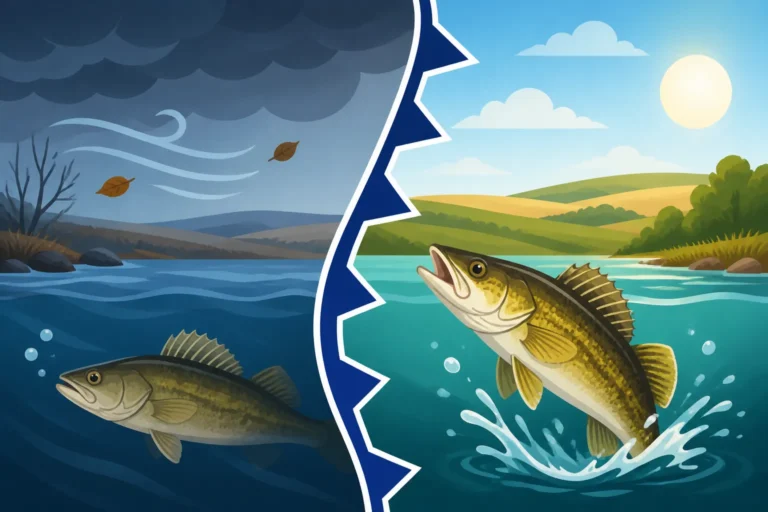
They're not always in the same spot, of course. Their position can shift with the sun, water temperature, and even boat traffic. For example, on a hot summer day, they might be deeper in the cooler water, but still near some kind of cover. In spring or fall, they might push much shallower, often just a few feet from the bank, basking in the sun or chasing baitfish that are also moving shallow. Understanding these subtle shifts is key to consistent success. For a broader perspective on their habits, you might want to read our full guide on how to fish for northern pike in North Dakota.
Seasonal Movements and Near-Shore Access
Northern pike, like most fish, have distinct seasonal patterns that affect where they'll be found, and subsequently, how accessible they are from shore.
- Spring: Ah, spring! After the ice goes out, pike are often found in very shallow, warmer water, especially in protected bays and sloughs. This is when they spawn, and afterward, they'll hang around these shallow areas to recover and feed aggressively. Many shallow access points around Lake Sakakawea or Devils Lake can be absolutely phenomenal during this time. They're hungry, active, and right where you can reach them.
- Summer: As water temperatures rise, pike might move to slightly deeper, cooler waters, but they'll still relate heavily to structure and weed lines. Look for thick weed beds that extend out from shore, submerged points, or areas where current creates an eddy. On a lake like Lake Audubon, those rocky points and deep weed edges can hold some real monsters. They'll use these areas for ambush points and thermal refuge.
- Fall: The cooling waters of autumn often bring pike back into shallower areas, mirroring their spring behavior. They're trying to pack on weight for the upcoming winter, so they'll be actively feeding. This can be one of the best times for shore anglers to target them, especially in areas with abundant baitfish. The bite can be aggressive and consistent.
- Winter (Ice Fishing): While this guide focuses on casting from shore, it's worth noting that northern pike are a prime ice fishing target. If you're out on the ice, they'll still be relating to weed beds and structure, just like in open water. But for open water shore fishing, our focus remains on the spring, summer, and fall seasons.
Essential Gear for Shore Casting Pike
Having the right equipment is paramount when targeting northern pike, especially from shore. You need gear that can handle the fish's strength, sharp teeth, and the often-demanding task of casting from varying shoreline conditions. Skimping on tackle here can lead to heartbreak.
Rod and Reel Setup
Your rod and reel are the foundation of your pike fishing arsenal. You need a setup that can cast heavy lures, handle powerful strikes, and muscle a large, thrashing fish to shore.
- Rod: For shore casting pike, a medium-heavy to heavy power spinning or baitcasting rod, typically 7 to 9 feet in length, is ideal. The longer length helps with casting distance, which is crucial when you're limited to the bank, and provides better leverage when fighting a fish. A fast or extra-fast action rod will give you the sensitivity to detect subtle bites and the backbone to set the hook firmly. I've personally had great success with a 7'6" medium-heavy spinning rod when fishing areas like the Missouri River near Bismarck, giving me enough reach to hit seams and cover. If you're looking for durable options, you can find a great selection of robust spinning and baitcasting rods perfect for pike fishing on Amazon.
- Reel: Pair your rod with a sturdy reel. For spinning setups, a 3000 to 5000 series reel is generally appropriate. For baitcasters, a low-profile reel designed for heavy line and lures will work well. The key is a strong drag system that can withstand powerful runs and a good line capacity. Make sure the retrieve ratio is suitable for working various lures – a faster retrieve can be handy for burning spinnerbaits, while a slightly slower one is better for jerkbaits.
Line and Leaders
This is where many beginners make a mistake, and it often costs them a trophy pike. Pike have incredibly sharp teeth, and without the right line and leader, they'll simply chomp through your setup.
- Main Line: I highly recommend braided line for pike fishing. It has no stretch, offering excellent sensitivity and powerful hooksets. Its thinner diameter for a given breaking strength also aids in casting distance. A good starting point is 30-50 pound test braided line. The increased visibility of braid isn't usually an issue since you'll be using a leader.
- Leaders: This is non-negotiable for pike. You absolutely must use a bite-proof leader.
- Steel or Titanium Leaders: These are the most common and reliable. They are impervious to pike teeth. Look for leaders in the 6-12 inch range, rated for 50-80 pounds. They come pre-rigged with swivels and snaps, making lure changes quick and easy.
- Heavy Fluorocarbon Leaders: While not entirely bite-proof like wire, a very heavy fluorocarbon leader (60-100 lb test) can be an option if you find wire leaders affect lure action or visibility too much. However, be aware that even heavy fluorocarbon can be cut by a large pike if it gets in just the right spot. For most shore anglers, the peace of mind of a steel leader is worth any minor trade-offs.
Remember, pike aren't shy, so don't worry too much about them seeing your leader. They're more concerned with what's attached to it!
Lures for Shore Anglers
Pike are opportunistic eaters, and a variety of lures can entice them. The key is to choose lures that cast well from shore and can be worked effectively in varied depths.
- Spoons: These are classics for a reason. Spoons like a Dardevle or Johnson Silver Minnow are heavy, cast like a dream, and have a natural wobbling action that pike can't resist. Their single hook can also be less prone to snagging in weeds.
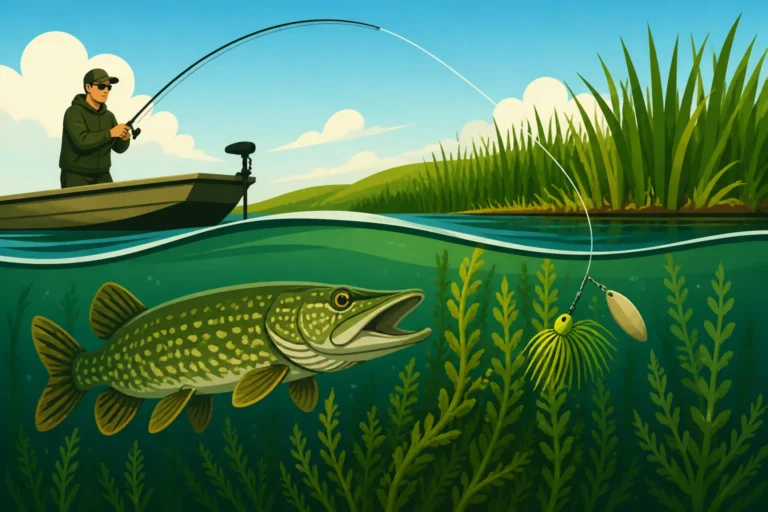
- Spinnerbaits: With their flashy blades and pulsating skirts, spinnerbaits are incredibly effective at drawing attention. They can be retrieved at various speeds and are relatively weedless, making them perfect for working along submerged vegetation. Brands like Terminator or Booyah make excellent pike spinnerbaits.
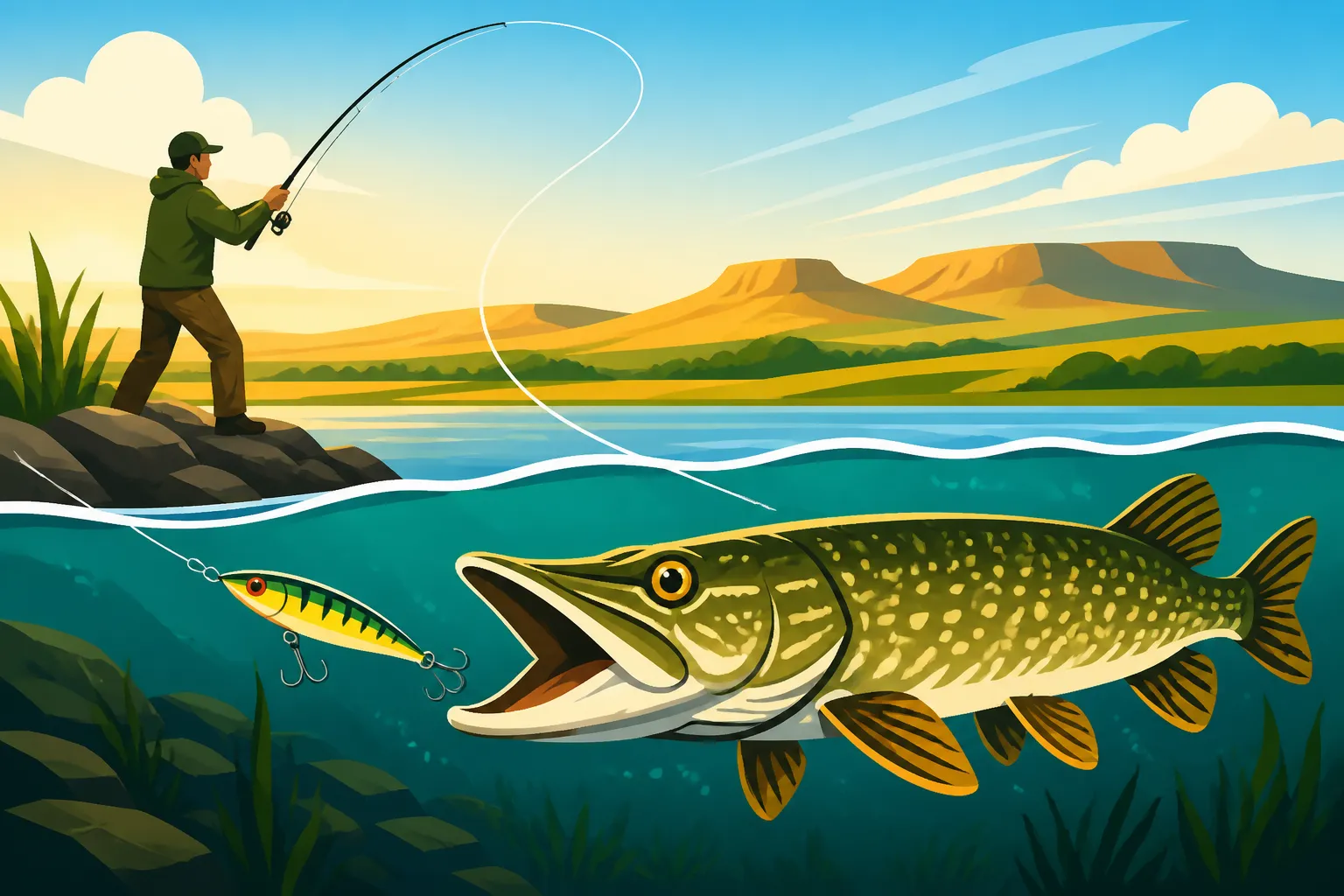
- Jerkbaits/Stickbaits: These lures mimic wounded baitfish and can trigger aggressive strikes. While some require a bit more finesse to work effectively, models like a Rapala Husky Jerk or Bagley BangO Lure can be deadly when twitched and paused near cover.
- Swim Baits/Soft Plastics: Larger soft plastic swimbaits, especially those with paddle tails, can be incredibly realistic and appeal to bigger pike. Rig them on a heavy jig head to get them down to the desired depth and make them castable.
- Topwater Lures: In low-light conditions or over shallow, weedy flats, topwater lures like buzzbaits or walk-the-dog style baits can provide explosive, heart-stopping strikes.
Stocking up on a variety of spoons and spinnerbaits is easy on Amazon, giving you options for different conditions.
Here's a quick comparison of popular lure types:
| Lure Type | Best For | Casting Distance | Weedless Factor | Retrieval Speed | Notes |
|---|---|---|---|---|---|
| Spoons | All conditions, especially open water | Excellent | Moderate | Medium-Fast | Simple to use, metallic flash is highly attractive. |
| Spinnerbaits | Weedy areas, cover, varied depths | Good | High | Slow-Medium-Fast | Great vibration and flash, attracts aggressive strikes. |
| Jerkbaits | Mimicking wounded bait, clear water, structure | Good | Low | Stop-and-go (twitch) | Requires active angler input, great for enticing hesitant fish. |
| Swimbaits | Realistic presentation, deeper water | Moderate | Moderate | Slow-Medium | Can be rigged weedless; good for larger, more discerning pike. |
| Topwater | Low light, shallow weeds, calm water | Good | Moderate | Medium | Exciting surface strikes, highly visible to fish. |
Finding the Best Shoreline Spots for Pike
You can have the best gear and the fanciest lures, but if you're not casting into areas where pike live, you're just exercising your casting arm. Finding those prime shoreline spots is crucial for consistent success. It requires a bit of observation and understanding of pike habitat.
Identifying Productive Structure
Pike love structure – anything that provides cover, ambush points, or concentrates baitfish. From the shore, you need to look for visual cues or use maps to identify these hotspots.
- Weed Beds: This is probably the number one most important structure for pike. Look for visible patches of submerged weeds, lily pads, or cattails growing along the shoreline or just offshore. Pike will lie in these weeds, perfectly camouflaged, waiting to ambush prey. Focus your casts along the edges of these weed lines, into pockets within them, or over the top of sparse beds. Many bays on Lake Sakakawea, particularly during warmer months, are classic examples of this.
- Submerged Timber and Rock Piles: Fallen trees, old docks, or natural rock outcroppings provide excellent cover and ambush points. These areas often hold baitfish, which in turn attracts pike. Cast parallel to these structures, making sure your lure gets close enough to trigger a strike without getting snagged.
- Drop-offs and Depth Changes: While you can't always see these from shore, areas where the bottom quickly drops from shallow to deep are prime pike territory. They can sit on the edge of the drop-off, looking up into the shallow water for prey. Use online bathymetric maps or a good fishing app to identify these subtle depth changes near your chosen shoreline.
- Points and Inlets: Points that extend into the water, or the mouths of small creeks and inlets, act like funnels for baitfish and are natural ambush spots for pike. Current moving around a point can also position baitfish, making it easier for pike to feed.
Reading the Water and Environmental Cues
Beyond obvious structure, learning to "read the water" can give you a significant advantage. The water itself, and the environment around it, offers clues.
- Baitfish Activity: Keep an eye out for schooling baitfish, splashes, or nervous movements on the surface. If you see baitfish, pike are likely nearby, or at least they were recently. Early morning and late evening often see increased baitfish activity near shore.
- Water Clarity: Pike are visual predators. While they can strike in stained water, clearer water often means they're more aggressive and can see your lure from a greater distance. Adjust your lure colors and retrieve speeds based on water clarity. Bright, flashy colors tend to stand out in stained water, while more natural patterns might work better in clear conditions.
- Wind and Waves: A moderate chop on the water can be your friend. It breaks up the water's surface, making it harder for pike to see you, and can also concentrate baitfish. Cast into areas where the wind is pushing baitfish or where waves are creating turbid water near structure. On the other hand, extremely calm, clear water can make pike spooky, requiring longer casts and more subtle presentations.
- Bird Activity: Gulls or other predatory birds diving into the water can indicate schools of baitfish, which means game fish like pike might also be in the area, taking advantage of the feeding frenzy.
Effective Casting and Retrieval Techniques
Once you've found a promising spot and geared up, it's time to put your lure in the water. But simply casting and reeling isn't enough. Employing effective techniques will significantly increase your chances of hooking a northern pike from shore.
Precision Casting to Cover
Accuracy is paramount when shore fishing for pike. Since they are ambush predators, your lure needs to land precisely where they might be hiding.
- Targeting Edges: Instead of casting randomly, aim for the edges of weed beds, submerged timber, or rock piles. Pike will often sit right on the transition line between cover and open water. Try to land your lure just beyond the edge and retrieve it along that boundary.
- Fan Casting: If you're not sure exactly where the pike are, use a fan casting approach. Start by casting straight out, then make subsequent casts a few degrees to the left or right, covering a wide swath of water in front of you. This methodical approach ensures you're covering all potential holding areas.
- Casting Parallel to Shore: Sometimes the best approach is to cast parallel to the shoreline, especially if there's a long weed line or drop-off that runs alongside the bank. This keeps your lure in the strike zone for a longer period, maximizing its exposure to lurking pike.
Varying Your Retrieve
Pike are triggered by specific actions. A monotonous retrieve often won't cut it. Experimentation is key to figuring out what the fish want on any given day.
- Steady Retrieve: This is your baseline. A consistent retrieve speed works well for spoons and spinnerbaits, allowing their natural action to shine. But don't be afraid to mix it up.
- Stop-and-Go: For jerkbaits and swimbaits, a stop-and-go retrieve can be incredibly effective. Cast your lure out, reel it in a few feet, then pause for a few seconds. This mimics a wounded baitfish struggling to swim and then resting, often triggering a strike on the pause or as you restart the retrieve.
- Varying Speed: Don't be afraid to change your retrieval speed. Some days, pike want a fast, aggressive presentation; other days, a slow, methodical crawl is what they're looking for. Start with a medium retrieve and adjust based on whether you're getting bites or seeing follows.
- Twitching and Jerking: For jerkbaits, a series of short, sharp twitches of the rod tip, followed by pauses, can make the lure dart erratically, driving pike wild. This is a very active fishing technique but can be highly rewarding.
- Bottom Bouncing (if applicable): If you're fishing areas with a clean, hard bottom near a drop-off, some anglers might use a heavier jig or even a bottom bouncer rig with a worm or minnow. This isn't strictly casting a lure, but it's a valid shore fishing technique for slower presentations when pike are hugging the bottom. For more on what baits work best, check out our guide on the best bait for North Dakota fishing.
Safety and Handling Northern Pike from Shore
Landing a northern pike from shore can be a bit tricky, especially given their size and propensity for thrashing. Their sharp teeth are no joke, and proper handling is essential for both your safety and the well-being of the fish.
Tools for Safe Handling
Never attempt to handle a pike by hand, especially if you intend to release it. You need the right tools to protect yourself and the fish.
- Long-Nose Pliers or Hook Remover: This is a non-negotiable item. Pike have mouths full of razor-sharp teeth, and getting a deeply set hook out with just your fingers is an invitation to pain. Long-nose pliers, or even better, a specialized hook remover like a Jaw Spreader or a dedicated hook-out tool, will allow you to quickly and safely remove hooks.
- Landing Net: A sturdy, rubberized landing net is incredibly helpful. It helps you control the fish once it's close to shore, preventing it from thrashing on rocks or dirt. A rubberized net is gentler on the fish's slime coat (which protects it from disease) and is less likely to tangle hooks. Given North Dakota's trophy northern pike waters, you might encounter a true monster, and a good net is essential.
- Gloves: Some anglers prefer to use heavy-duty gloves, especially when handling larger pike. These can provide an extra layer of protection against those sharp teeth and gill rakers.
- Boga Grip or Lip Gripper: For larger pike, a lip gripper like a Boga Grip can be invaluable. It allows you to firmly hold the fish by its lower jaw without touching its teeth, keeping it secure while you remove the hook or take a quick photo. Many models also have a built-in scale for a quick weight estimate.
Best Practices for Release
If you plan to release your pike (which is encouraged, especially for larger breeding fish), proper handling dramatically increases its chances of survival.
- Minimize Time Out of Water: Pike, like all fish, struggle to breathe out of water. Keep the fish submerged as much as possible, only bringing it out for a quick photo if absolutely necessary.
- Support the Fish Properly: If you do lift the fish for a photo, support its body horizontally with one hand under its belly and the other gently gripping the lip gripper or the base of its tail. Avoid holding it vertically by the head or tail, as this can damage its internal organs or spine.
- Quick Hook Removal: Use your pliers or hook remover to quickly and carefully extract the hook. If the hook is deeply swallowed and you can't remove it without causing significant damage, it's sometimes better to cut the line as close to the hook as possible. The hook will often rust out or pass naturally.
- Revive Before Release: Gently hold the fish in the water, facing into any current, until it regains its strength and can swim away on its own. You'll feel it kick strongly when it's ready. If there's no current, gently move the fish back and forth to force water over its gills.
Emergency Situations and First Aid
Accidents can happen, even with the best precautions. Knowing how to react to a hook injury can save you a trip to the emergency room.
- Minor Hook Punctures: For small punctures, clean the wound thoroughly with soap and water. Apply an antiseptic and cover with a bandage. Keep an eye on it for any signs of infection.
- Deep Hook Injuries: If you get a hook deeply embedded, especially in a joint or near a bone, do not try to remove it yourself. Seek immediate medical attention. Keep the wound clean and apply pressure if bleeding. It's always a good idea to have a basic first-aid kit in your tackle bag when fishing from shore.
- Pike Bites: While rare if you use proper handling tools, a pike bite can be severe due to their numerous sharp teeth. Treat it like a deep puncture wound. Clean thoroughly and seek medical advice, as these wounds can be prone to infection.
By being prepared with the right tools and knowing how to handle these magnificent fish, you can ensure a safe and enjoyable experience for yourself and promote healthy fish populations in North Dakota's waters.
Disclaimer
Fishing regulations and conditions in North Dakota can change. Always consult the latest North Dakota Game and Fish Department (NDGFD) regulations and proclamations before heading out. This guide is for informational purposes only and should not replace official sources. Be aware of your surroundings, practice responsible angling, and prioritize safety on and off the water.