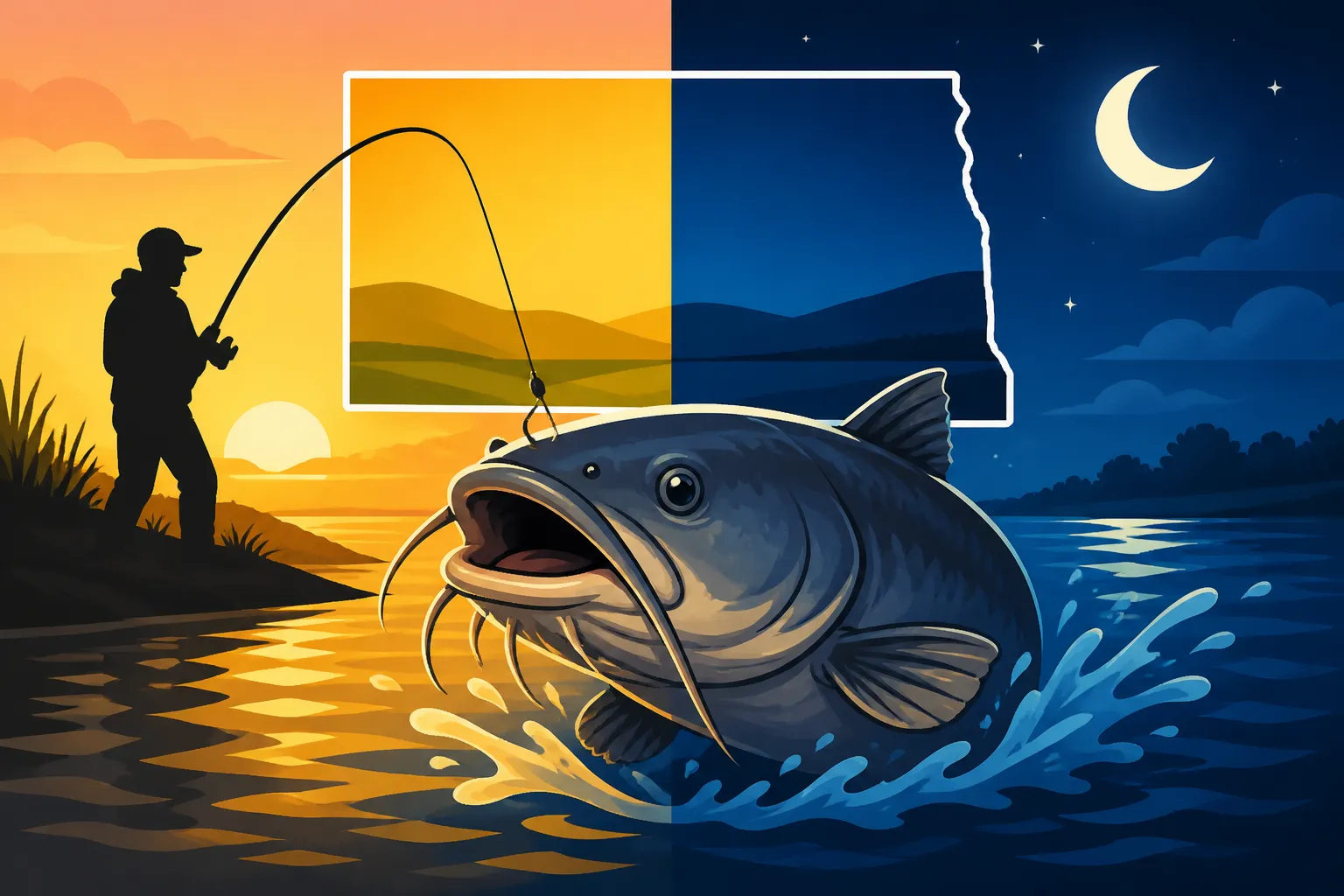
Do Catfish Bite Better at Night in North Dakota?
Oh, the age-old question that keeps many a North Dakota angler up at night (pun absolutely intended!): Do catfish really bite better when the sun goes down? It’s a common frustration, isn't it? You spend all day baking in the sun, casting your heart out, only to pull in a few small ones or maybe nothing at all. Then, as twilight descends and the air cools, suddenly the whispers start—whispers of monster cats being hauled in under the stars. Well, I'm here to tell you that in North Dakota, for channel catfish especially, the answer is often a resounding yes. This guide will dive deep into why, when, and how to maximize your chances of hooking into those whiskered giants after dark.
Understanding Catfish Behavior in North Dakota
Catfish are fascinating creatures, and understanding their daily rhythms is key to consistently catching them. They're not like your typical walleye or bass that might have distinct morning and evening bites, though those exist too. Catfish, particularly the channel cats we love chasing in North Dakota, operate on a different schedule, one that often favors the darkness.
Why Catfish Are More Active After Dark
Think about it from a catfish's perspective. They have excellent senses that are perfectly adapted for low-light conditions: super sensitive barbels to detect food, incredibly keen eyesight in the dark, and a lateral line system that picks up the slightest vibrations in the water. During the bright, often hot, North Dakota summer days, the water can warm up significantly, especially in shallower areas. Catfish, being cold-blooded, don't always enjoy the warmest water, and the bright sun can make them feel exposed.
When the sun sets, a few magical things happen. First, the water temperature begins to drop, creating a more comfortable environment for them. Second, and perhaps most crucially, the cover of darkness provides a huge advantage for these opportunistic feeders. They feel safer moving into shallower areas where they can ambush baitfish, scour the bottom for invertebrates, or sniff out that irresistible stinky bait you've cast out. They are, by nature, nocturnal hunters, and the night becomes their playground. This shift in activity is why so many seasoned anglers swear by night fishing for species like our abundant channel catfish, especially on bodies of water like the Red River or Lake Oahe.
Seasonal Nuances of Night Fishing for Catfish
While night fishing is generally excellent for catfish, its effectiveness can actually vary quite a bit throughout North Dakota's distinct seasons. In late spring and early summer, as water temperatures are still rising but before they hit their peak, catfish are often highly active both day and night as they prepare for spawning. This is a fantastic time for evening and night trips. As the dog days of summer really kick in, with scorching daytime temperatures, the night bite becomes almost exclusively dominant. During these periods, you'll find that the Best Time of Year for Catfish on the Red River often aligns with those warm summer nights.
Come fall, as the water cools significantly, the pattern can shift slightly. Catfish might become more active during the late afternoon and into early evening as they gorge themselves before winter. While you can still catch them at night, the "peak" might shorten, or they might move into slightly deeper holding patterns. Winter fishing for catfish is a different beast entirely, with ice fishing techniques dominating, but even then, some dedicated anglers report evening bites on warmer winter days. Knowing these seasonal shifts can help you fine-tune your schedule and increase your success.
Impact of Water Temperature and Clarity
Water temperature and clarity play a huge role in dictating when and where catfish will feed. In the summertime, clearer, warmer water during the day often pushes catfish into deeper, cooler haunts or into heavy cover. They'll be less inclined to feed aggressively in bright conditions. Once night falls, even clear water becomes their friend, allowing them to move freely and use their superior nocturnal senses to hunt.
Conversely, if you're fishing in murkier waters, like sections of the Red River that are often stained, catfish might be active during the day too. The reduced light penetration from the turbidity means they're less sensitive to the sun, and their other senses are already in overdrive. However, even in stained water, the slight drop in temperature and the sheer darkness can often amplify their feeding frenzy at night. They’re less wary, more confident, and simply more willing to take a chance on that delicious bait you've offered. Understanding these subtle environmental cues can transform a slow day into an epic night.
Prime Conditions for Night Catfishing in North Dakota
It's not just about waiting for darkness; there are specific conditions that can make a night catfishing trip truly exceptional. Just like any type of fishing, being in the right place at the right time with the right setup makes all the difference.
Ideal Weather and Moon Phases
While catfish are less picky than some other species, certain weather conditions can certainly enhance your night fishing experience. A stable weather pattern, without dramatic cold fronts or sudden temperature drops, is always preferred. After a warm, sunny day, a calm evening with light winds can be absolutely perfect. The water has had a chance to warm up, and the cooling air simply gets them moving.
Cloud cover is another one of nature's little gifts for night anglers. A heavily overcast night, especially during a new moon phase, provides maximum darkness. Without a bright moon illuminating the water, catfish feel even more secure moving into shallower feeding zones. While a full moon can sometimes slow down the bite as it provides too much light, catfish can still be caught. Often, they might just feed in slightly deeper areas or stick closer to cover during brighter moon phases. Keep an eye on the forecast and the lunar calendar—it can genuinely improve your odds.
Locating Catfish Hotspots at Night
Knowing where to find catfish when the sun goes down is paramount. During the day, they might be hunkered down in deep holes, under logjams, or in dense vegetation to escape the sun and current. As night falls, their patterns shift. They move into shallower water to feed, often targeting areas where baitfish congregate or where food washes downriver.
On large bodies of water like Lake Oahe or the Missouri River, look for shallower flats adjacent to deeper channels, submerged points, or creek mouths. These are natural highways for catfish moving up to feed. On the Red River, focus on current breaks, eddies, snags, and even shallow, muddy banks where they can root around for food. Areas with strong current during the day might become accessible feeding grounds at night as the cats feel safer venturing out. If you're wondering, "How Many Catfish Can You Keep in North Dakota?", knowing these hotspots can help you hit your daily limit efficiently. Even boat ramps or public fishing piers can become surprisingly productive after dark, as catfish are drawn to the shadows and any food scraps.
Preparing for a Successful Night Excursion
A successful night catfishing trip in North Dakota requires more than just bait and a rod. Safety and comfort are paramount when you’re out on the water after dark. First and foremost, lighting is crucial. A good headlamp with a red light option (red light preserves your night vision better) is indispensable. You'll need it for tying knots, baiting hooks, and navigating. You can find excellent options on Amazon that are specifically designed for anglers.
Beyond lighting, consider insect repellent—North Dakota mosquitoes can be relentless after dark, especially near water. Bring plenty of water and snacks, and make sure your phone is charged. If you're boating, ensure all your navigation lights are working and carry extra batteries. Having a first-aid kit, a sharp knife, and a pair of pliers are also essential. Lay out all your gear beforehand so you’re not fumbling in the dark. A well-prepared angler is a happy, safe, and successful angler.
Essential Techniques and Gear for Night Catfishing
Night fishing for catfish isn't just about showing up; it's about adopting specific techniques and using the right gear that plays to the catfish's nocturnal strengths. You can't just apply your daytime tactics and expect the same results.
Best Baits and Rigs for Night Catfishing
When it comes to night fishing for catfish, scent is your secret weapon. While some might hit artificial lures during the day, at night, natural, smelly baits reign supreme. Think anything that can release a potent aroma into the water, drawing in those whiskered predators from a distance. Cut bait, like pieces of oily fish (suckers, shad, or even smaller panfish), is a consistent producer. Just make sure to check North Dakota Fishing Regulations Explained for bait restrictions. Stink baits, chicken livers, shrimp, or even hot dogs soaked in garlic oil are also incredibly effective. The stronger the smell, the better. You can find various pre-made stink baits on Amazon if you prefer convenience.
For rigging, a classic slip-sinker rig is hard to beat. This setup allows the line to run freely through the sinker, so when a catfish picks up the bait, it doesn't feel the weight of the sinker, giving it time to commit. Use a strong, sharp hook appropriate for the size of catfish you expect to catch—a 5/0 to 8/0 circle hook is often ideal. Circle hooks are excellent for preventing deep hooking, making for easier releases if you're practicing catch and release. A heavy leader, perhaps 20-30 lb monofilament or fluorocarbon, will stand up to their rough mouths and any snags. If you want to learn more, check out How to Rig Cut Bait for Catfish.
Setting Up Your Fishing Station for Dark Hours
Setting up your fishing station for a night of catfishing requires a bit of foresight. If you're bank fishing, sturdy rod holders that can accommodate multiple rods are a must. These keep your rods secure and pointed at the water, preventing them from being pulled in by a hard-hitting cat. Bells or bite alarms attached to your rod tips are invaluable; they'll loudly announce a bite, saving you from having to constantly stare at your line in the dark. A glow stick or reflective tape on the rod tip can also help you visually detect subtle bites.
If you're fishing from a boat, make sure your anchoring system is secure. A strong anchor is essential, especially on rivers like the Red or Missouri, where current can be significant. Position your boat so you can easily access all your rods and gear without tripping. Portable lights can illuminate your immediate work area, but avoid shining them directly onto the water, as this can spook fish. Keeping your area tidy and organized will prevent frustrations when you're fumbling for a new bait or a pair of pliers in the dark. For advice on specific boat types, consult a guide on Best Boats for River Fishing in North Dakota.
Managing Your Catch and the Environment at Night
Landing a big catfish in the dark is an exhilarating experience, but managing your catch and your impact on the environment requires extra care. Have a large, sturdy net or a set of lip grippers ready for landing fish. Once landed, decide quickly if you're keeping the fish or releasing it. If keeping, a stringer or a cooler with ice is essential to preserve the quality of the meat. Keep North Dakota Catfish Limit Rules in mind as you fish.
If releasing, handle the fish gently, minimize its time out of water, and use a de-hooker if the hook is difficult to remove. Always wet your hands before handling fish to protect their slime coat. Beyond the fish itself, always adhere to "leave no trace" principles. Pack out all your trash, including bait containers, discarded line, and food wrappers. Remember, you're enjoying North Dakota's beautiful outdoors, and it's our responsibility to keep it pristine for future generations.
Common Challenges and Troubleshooting for Night Anglers
While night fishing for catfish offers incredible rewards, it also comes with its unique set of challenges. Being prepared for these can make your experience much more enjoyable and productive.
Dealing with Bugs and Darkness
Let's be honest, those North Dakota summer nights, while beautiful, are also prime time for mosquitoes and other biting insects. Nothing ruins a serene fishing experience faster than being swarmed. As mentioned, a good insect repellent is a non-negotiable item on your Essential Gear Checklist for North Dakota Fishing. Look for repellents with DEET or picaridin for maximum effectiveness. Some anglers also swear by Thermacell devices, which create a mosquito-free zone around you.
The darkness itself can be a challenge. Beyond simply seeing, it can play tricks on your eyes and make identifying subtle bites difficult. This is where those rod bells, bite alarms, and lighted bobbers truly shine. If you’re getting light bites, try holding your rod directly, feeling for those subtle tugs. Don't be afraid to experiment with different depths or locations if the bite isn't happening in your initial spot. Catfish can be surprisingly finicky even at night.
Safety Considerations on North Dakota Waters at Night
Safety is paramount when fishing after dark. Visibility is severely limited, increasing risks for both bank anglers and boaters. If you're fishing from shore, let someone know where you're going and when you expect to return. Be aware of your surroundings; uneven terrain, slippery banks, and unseen obstacles are much harder to spot in the dark. Wear sturdy, non-slip footwear.
For boaters, the risks are amplified. Ensure your boat's navigation lights are functioning correctly and are clearly visible. Always maintain a slower speed and be extra vigilant for submerged hazards, other boats, or debris in the water. Carry all required safety equipment, including life jackets for everyone on board (and ensure they're worn, especially when underway). A marine radio or fully charged cell phone is a must for emergencies. The phrase "better safe than sorry" absolutely applies when navigating North Dakota's waterways after dark. Consult North Dakota Boat Registration Requirements to ensure your vessel is fully compliant for nighttime operations.
When Night Fishing Might Not Be Optimal
While night fishing is often the holy grail for North Dakota catfish, there are times when it might not be the absolute best strategy. For instance, immediately after a significant cold front has moved through, fish activity—including catfish—can slow down dramatically, day or night. The sudden drop in air and water temperature can put them in a funk, making them less willing to chase food.
Also, during periods of extreme high water or very fast current, catfish might hunker down and be less inclined to actively feed, regardless of the time of day. While they love current breaks, too much current can make finding stable feeding stations difficult for them. If you're targeting other species, like walleye, which often have strong daytime or twilight bites, then a dedicated night catfishing trip might mean missing out on those opportunities. However, for sheer numbers and often larger specimens of channel catfish in North Dakota, the nighttime generally still holds the clear advantage.
| Feature | Daytime Catfishing | Nighttime Catfishing |
|---|---|---|
| Visibility | High for angler; low for catfish in deep/cover | Low for angler; high for catfish (nocturnal senses) |
| Catfish Activity | Often slower, seeking cover, deeper | Significantly higher, actively roaming shallow for food |
| Best Baits | Still scent-driven, but presentation is key | Highly scent-driven, strong odors attract from afar |
| Location | Deeper holes, heavy cover, current seams | Shallow flats, creek mouths, current breaks, near shore |
| Angler Comfort | Hot, sunny, potential for sunburn | Cooler, often more peaceful, but more bugs |
| Gear Needs | Standard fishing gear | Headlamps, rod bells, bug spray, extra safety gear |
| Safety Concerns | Sun exposure, dehydration | Navigation hazards, slippery banks, reduced visibility |
| Typical Catch | Can be good, but often smaller or fewer | Often larger fish, higher catch rates |
Disclaimer
Please remember that fishing regulations, including licensing, limits, and specific rules for certain waters or species, can change. Always consult the most current North Dakota Game and Fish Department regulations guide before heading out on the water. This article is intended for informational purposes and should not be considered legal advice. Stay safe and happy fishing!