Does a Cold Front Slow Down Fishing?
There's nothing quite as disheartening as planning a fishing trip, checking all your gear, getting excited for the bite, and then waking up to a sudden drop in temperature and a nasty cold front rolling in. It's a common frustration for anglers across North Dakota, leaving many wondering if it's even worth casting a line. This guide will dive deep into how cold fronts affect fish behavior and, more importantly, what you can do to still find success when the weather turns sour.
The Angler's Dilemma: Does a Cold Front Really Slow Down Fishing?
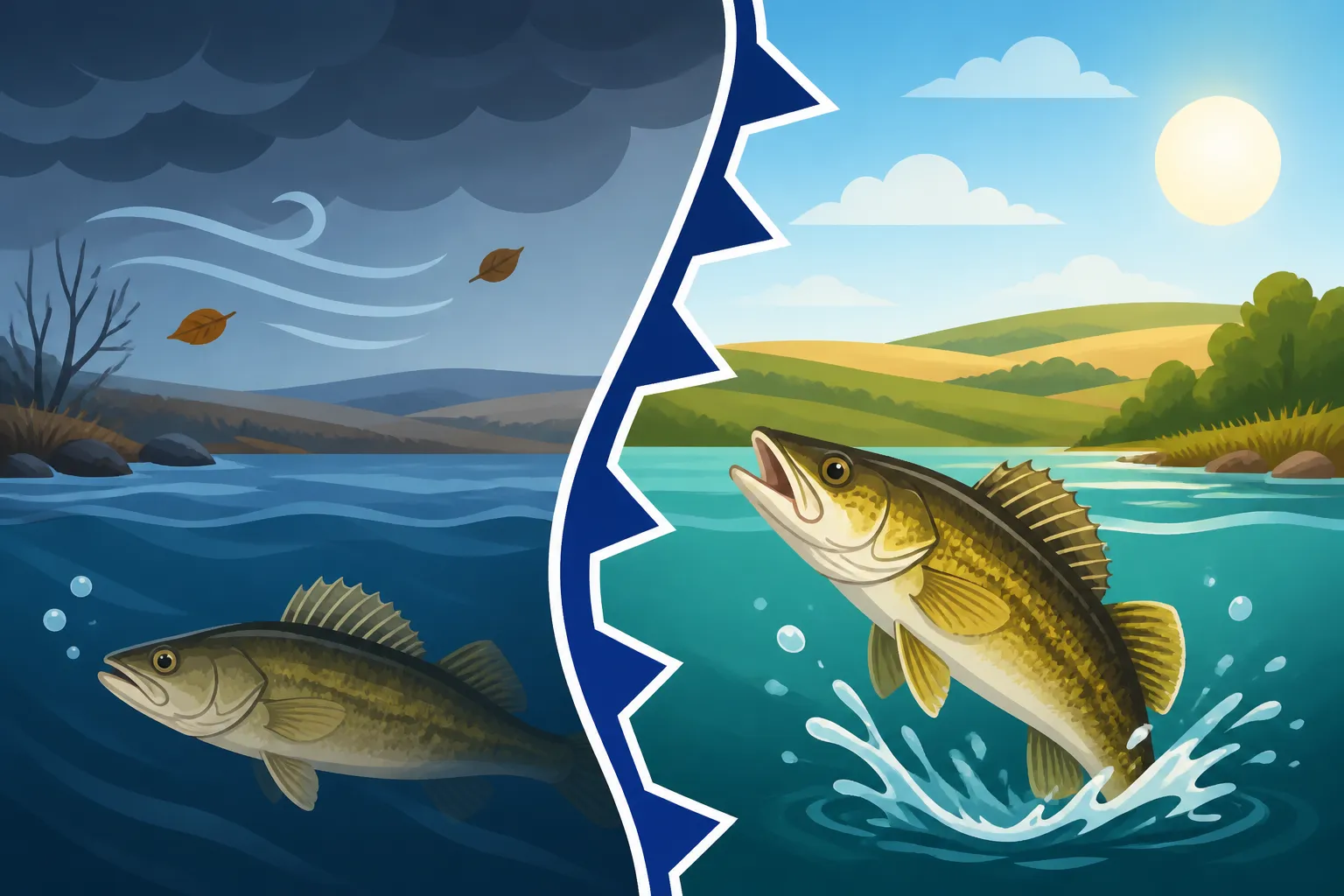
Let's just get it out there: yes, a cold front often does slow down fishing. It’s not just in your head; there’s a scientific reason why those once-eager fish suddenly seem to have lockjaw. Many experienced anglers have felt that familiar shift, going from a hot bite one day to barely a nibble the next, all thanks to a significant change in weather patterns. This isn't just about the air temperature; it's a complex interplay of atmospheric pressure, water temperature, and fish biology that throws everything off kilter.
When a cold front moves through, it brings a sudden change in barometric pressure. Before the front, the pressure often drops, which can actually stimulate fish activity – think of it as a feeding frenzy warning. But once the high pressure of the cold front settles in, it typically puts fish in a funk. They become less active, often moving to deeper water or holding tight to structure, making them much harder to locate and entice. It's a real challenge, but understanding why this happens is the first step to figuring out how to adapt.
Understanding the Impact of a Cold Front on Fish Behavior
To truly tackle fishing during or after a cold front, we need to understand what's going on beneath the surface. It's not just about fish feeling a bit chilly; their entire environment and biological programming are affected.
Barometric Pressure Changes and Fish Activity
The most significant factor often overlooked by novice anglers is barometric pressure. Fish, with their swim bladders, are incredibly sensitive to changes in atmospheric pressure. Think of their swim bladder as a tiny, internal barometer. When the pressure is stable or dropping, they can move freely through the water column with relative ease. This often corresponds to active feeding periods.
However, when a high-pressure system, characteristic of a cold front, moves in, it pushes down on the water. This increased pressure compresses a fish's swim bladder, making them uncomfortable and often causing them to seek deeper water where the internal pressure of their bladder can equalize with the external water pressure. This physiological discomfort makes them less inclined to chase bait or actively feed. They become lethargic and generally hang tight, conserving energy until conditions stabilize. It's why you often find them tucked into dense cover or hugging the bottom in a deep trench. This is particularly true for popular species like walleye, which are known to become very finicky during these times.
Water Temperature Fluctuations and Fish Metabolism
While air temperature is what we feel, it's the water temperature that directly impacts the fish. A cold front often brings colder air, strong winds, and sometimes even rain or snow, all of which contribute to a drop in surface water temperatures. While larger bodies of water like Lake Sakakawea or Devils Lake might not see an immediate dramatic drop throughout the entire water column, shallower areas and smaller lakes will cool down much faster.
This cooling water directly affects a fish's metabolism. Fish are cold-blooded, meaning their body temperature mirrors their surroundings. When the water gets colder, their metabolism slows down significantly. This means they digest food slower, require less energy, and thus feed less aggressively and less frequently. They might still eat, but they're not going to expend much energy chasing down a fast-moving lure. This is why you often need to slow down your presentation considerably when fishing after a cold front. It's like they've gone into a low-power mode, waiting for better conditions to resume normal activity. Understanding how these Seasonal Fish Movement Patterns in North Dakota Lakes are affected is crucial for success.
Strategies for Fishing During a Cold Front
While a cold front presents a challenge, it's not a death sentence for your fishing trip. With a few adjustments to your approach, you can still find success. It requires patience, persistence, and a willingness to adapt your usual tactics.
Slowing Down Your Presentation
This is perhaps the most critical adjustment you can make. Since fish metabolism has slowed, they're not interested in high-speed pursuits. Think subtle, slow, and tantalizing. Instead of ripping crankbaits or jigging aggressively, try a much more subdued approach.
For walleye or perch, consider using small jigs tipped with live bait like minnows or worms, or even a small piece of plastic. Let it sit for longer than you usually would, allowing the fish ample time to inspect and decide. A slow drag-and-pause retrieve with a bottom bouncer and a spinner rig can also be effective, especially if you're targeting fish holding tight to the bottom. Sometimes, the slightest twitch is all it takes to trigger a strike from a lethargic fish. Remember, they're not actively hunting; they're opportunistically feeding. You might even find success with presentations like a simple slip bobber rig, letting your bait dangle enticingly in their strike zone without much movement.
Targeting Deeper Water and Structure
As discussed, the increased barometric pressure often drives fish deeper. This means abandoning your usual shallow-water hotspots for areas with more depth. Look for drop-offs, submerged humps, deep points, and even the main lake basin. Fish will often stack up in these areas, seeking comfort from the pressure and more stable water temperatures.
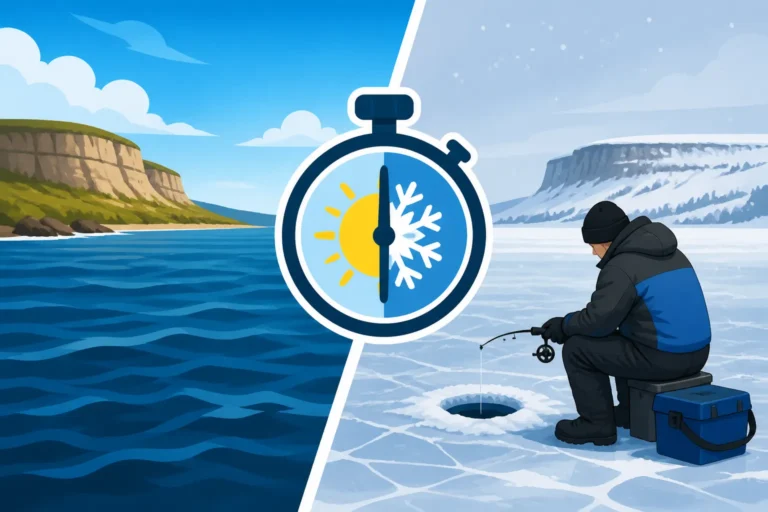
Utilize your electronics – a good fish finder is invaluable here. Pay close attention to any marks near the bottom or tucked into contours. These aren't necessarily giant schools; sometimes, it's just a few isolated fish, but during a cold front, a few fish are gold. If you're ice fishing, focus on deeper breaks or the edges of basins. Open water anglers should use their GPS and sonar to pinpoint these deeper structures. Fishing a spot like the Missouri River below Garrison Dam, for example, might mean focusing on the deeper current seams where fish can sit comfortably out of the main flow.
Utilizing Live Bait
While artificial lures certainly have their place, during a cold front, live bait often has an undeniable advantage. The natural scent, subtle movements, and irresistible appeal of a live minnow, leech, or nightcrawler can often trigger a strike from even the most reluctant fish.
Presentation is key. Use minimal weight to allow the bait to move as naturally as possible. Hook your minnow lightly through the lip or dorsal fin to keep it lively. For leeches and worms, try a simple snell rig or a small jig head. Sometimes, just dead-sticking a lively minnow under a bobber can be more effective than any flashy lure. The goal is to present something that looks easy to catch and requires minimal effort from the fish. If you're buying live bait, many local bait shops offer a great selection, and you can find various live bait containers and aerators on platforms like Amazon to keep your bait fresh.
Adjusting Color and Lure Size
When fish are less aggressive, they tend to be more scrutinizing. This means your typical bright, flashy colors might actually spook them. Opt for more natural, subtle colors that blend with the natural forage in the water. Think greens, browns, blacks, and natural shiner patterns.
Similarly, consider downsizing your lures. A smaller profile is less intimidating and requires less energy for a fish to inhale. Instead of a large crankbait, try a smaller finesse jig or a tiny spinnerbait. For perch through the ice, a small tungsten jig tipped with a maggot or wax worm can be incredibly effective when they're tight-lipped. Experiment with different sizes and colors until you find what triggers a response. Sometimes, even the slight change from a 1/8 oz jig to a 1/16 oz jig can make all the difference on a tough cold front day.
Post-Cold Front Fishing: When the Bite Returns
While the immediate impact of a cold front is often a tough bite, conditions don't stay that way forever. Understanding how fish react as the weather stabilizes can help you plan your next move. The period immediately following a cold front can still be challenging, but as the high pressure begins to dissipate and water temperatures stabilize, the bite often improves dramatically.
The Initial Recovery Phase
Right after the cold front passes, and the skies clear, you might still find fishing tough. The high pressure often lingers for a day or two, keeping fish subdued. However, as the sun warms the shallower waters and the barometric pressure starts to normalize, fish will gradually become more active. This is when you might start seeing the first signs of a returning bite.
During this recovery phase, continue with the slow, deep presentations. Fish might still be concentrated in deeper water, but they'll be more willing to move a short distance for a meal. This is a great time to start experimenting with slightly more active retrieves, like a slow lift-and-drop jigging motion, or a very slow troll with crankbaits or bottom bouncers on areas like Lake Audubon. Keep an eye on your fish finder, as you might start seeing fish suspended a bit higher in the water column or moving around structure more freely.
The Return to Active Feeding
Eventually, as the high pressure fully recedes and conditions stabilize, fish will return to their normal feeding patterns. This is often when the best fishing occurs – sometimes even better than before the cold front, as the fish may be making up for lost meals. The timing of this return can vary based on the severity of the front and the size of the water body. On smaller, shallower lakes, the recovery can be quicker than on vast waters like Lake Sakakawea.
Once conditions return to normal, you can go back to your usual, more aggressive tactics. Fish will be spread out more, actively hunting, and willing to chase lures. This is when those brightly colored crankbaits, faster jigging presentations, and larger swimbaits will start producing again. Always remember to check the specific North Dakota Fishing Season Dates and Limits for the species you're targeting, as their active periods might coincide with these post-front feeding binges. For a deeper understanding of walleye behavior, knowing How Water Temperature Affects Walleye Location can be particularly helpful during this recovery period.
Gear Up for Cold Front Conditions
Fishing during a cold front isn't just about fish behavior; it's also about angler comfort and having the right tools to adapt. Being properly prepared can make a challenging day much more enjoyable and productive.
Essential Electronics and Navigational Tools
In tough conditions, your electronics become your best friend. A reliable fish finder with good sonar capabilities is crucial for locating fish that have retreated to deeper water or are holding tight to structure. Look for units that offer detailed bottom contour mapping and clear target separation. Many excellent models can be found on Amazon. These tools help you quickly identify those submerged humps, rock piles, and deep channels where fish might be hiding. Learning Best Fish Finder Settings for Walleye can give you an edge.
GPS functionality is equally important, especially on large lakes. Marking waypoints of productive areas, drop-offs, or changes in bottom composition will save you valuable time, allowing you to return to those spots even in windy or overcast conditions. Having accurate mapping on your unit will help you identify potential holding areas even before you cast a line.
Appropriate Cold Weather Apparel
Let's face it, North Dakota cold fronts aren't just about the fishing; they're about staying warm and comfortable. Dressing in layers is paramount. Start with a moisture-wicking base layer, add an insulating mid-layer (fleece or down), and top it off with a waterproof and windproof outer shell. This allows you to adjust your clothing as conditions change throughout the day.
Don't forget extremities: a warm hat, insulated gloves or mittens, and good quality, waterproof boots are non-negotiable. Cold hands and feet will quickly end a fishing trip. Consider specific ice fishing gear like insulated bibs and jackets if you're fishing late into the fall or early spring. You can find a wide range of suitable cold weather gear, from base layers to waterproof outerwear, on Amazon to ensure you're prepared for whatever North Dakota weather throws at you.
Specialized Tackle and Baits
Having a dedicated "cold front tackle box" or a selection of specific lures can make a difference. This includes a variety of smaller jigs, soft plastics in natural colors, and slow-moving baits. Ensure you have a good supply of live bait, and the means to keep it fresh, such as a portable aerator for your minnow bucket.
Don't overlook terminal tackle. Have a selection of lighter line, smaller hooks, and various weights to allow for ultra-slow presentations. Sometimes, going down a hook size or using a lighter leader is all it takes to fool a finicky fish. Even when it comes to tools, having good pliers and a hook remover, readily available on Amazon, can make handling deep-hooked fish easier, especially when your fingers are cold. Being prepared with the right array of gear means you won't be scrambling when the weather suddenly shifts.
| Factor | Pre-Cold Front (Falling Pressure) | During Cold Front (High Pressure) | Post-Cold Front (Stabilizing Pressure) |
|---|---|---|---|
| Fish Activity | Often highly active, feeding aggressively | Lethargic, less active, finicky | Gradually increasing activity, opportunistic to aggressive feeding |
| Fish Location | Often scattered, shallower | Deeper water, tight to structure | Moving shallower, seeking active feeding grounds |
| Feeding Behavior | Chasing bait, aggressive strikes | Opportunistic, subtle bites | Ranging from subtle to aggressive strikes |
| Recommended Lure Speed | Fast to moderate | Very slow, subtle | Slow to moderate, then back to faster |
| Preferred Bait/Lure | Variety of lures, live bait | Live bait, small jigs, finesse plastics | Live bait, then artificial lures |
| Water Depth Focus | Shallow to mid-depth | Deep water, bottom contours | Gradually shallower |
Conclusion: Adapting is Key to Success
The answer to "Does a cold front slow down fishing?" is a resounding yes, it absolutely can. But that doesn't mean you should pack up your gear and head home. Instead, think of it as a challenge, an opportunity to hone your skills and truly understand fish behavior. By understanding the science behind why fish react the way they do – the barometric pressure, the metabolism slowdown, the search for comfort – you can adjust your tactics and still find success. Slow down your presentation, seek out deeper water and structure, and don't underestimate the power of live bait. With the right preparation and a bit of patience, those tough cold front days can still yield some memorable catches. So, next time a cold front rolls through North Dakota, don't despair – adapt, experiment, and get ready to earn those bites!
Disclaimer
This article is for general informational purposes only and does not constitute professional advice. Laws, prices and regulations vary by location and change over time. Consult a qualified professional for guidance on your specific situation.