Best Season to Catch Trophy Northern Pike
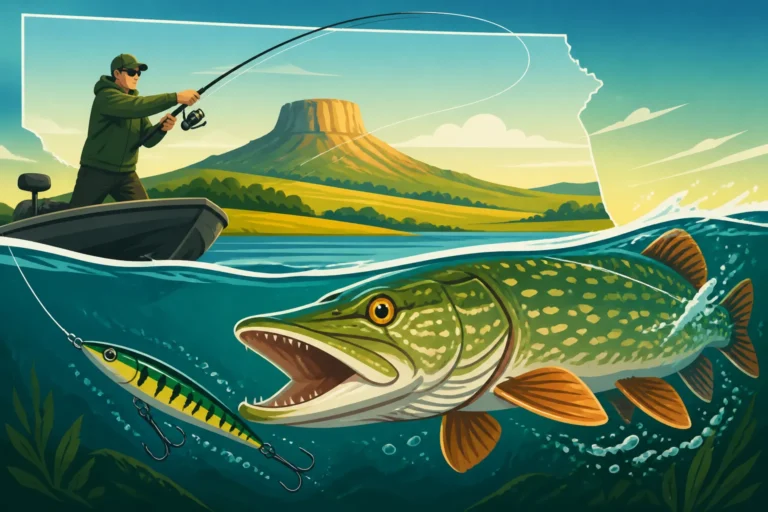
The dream of landing a true trophy Northern Pike in North Dakota is one that keeps many anglers up at night, meticulously planning their next outing. It's a chase that requires patience, the right gear, and perhaps most importantly, impeccable timing. You see, these toothy predators don't just "get big" year-round in every spot; there are specific windows when their behavior, metabolism, and location align perfectly to offer you the best shot at a true goliath. This guide will walk you through the prime seasons and strategies to maximize your chances of boating that monster pike you've always dreamed about.
Early Spring: Pre-Spawn and Spawn Aggression
Spring in North Dakota can be a finicky beast, oscillating between late winter chills and hints of warmer days. However, for trophy Northern Pike hunters, this transition period, particularly the weeks leading up to and during the spawn, presents some of the most exciting opportunities. The ice has usually just gone out, or is quickly receding, and the water temperatures are still quite cold. This is when pike become incredibly active, driven by primal urges.
The Pre-Spawn Feast
Before the actual spawning ritual begins, Northern Pike are often in a feeding frenzy, trying to pack on as much energy as possible. They've been relatively dormant under the ice for months, and now, with rising water temperatures (even just a few degrees!), their metabolism kicks into high gear. They're not just looking for a meal; they're looking for a big meal. This is your golden window for a trophy. They will move into shallower, warmer bays, flooded timber, and weedy flats, often in water depths of 3-10 feet, to stage before moving into even shallower spawning grounds. These locations receive more sunlight and warm up quicker, attracting baitfish, which in turn attracts the pike.
You'll want to focus your efforts in these shallow staging areas where the big females are often lurking, waiting for the perfect moment. Think large spoons, swimbaits, and even dead bait under a bobber. The pike are aggressive but might not chase a fast-moving lure far in the still-cold water, so a slower, more deliberate retrieve can be key. Many anglers consider this the very Best Time of Year for Trophy Walleye too, but the pike are equally, if not more, accessible and hungry.
Spawning Period and Post-Spawn Recovery
Northern Pike typically spawn once water temperatures reach the mid-40s (Fahrenheit), usually shortly after ice-out, often in late April or early May in North Dakota. They move into extremely shallow, vegetated areas, sometimes less than a foot deep, to deposit their eggs. While they are actively spawning, they might not be focused on feeding. However, immediately after the spawn, especially the larger females, become incredibly vulnerable. They are exhausted, skinny, and hungry, seeking to quickly regain their strength. This post-spawn recovery period can be another fantastic time to intercept these giants.
Look for them cruising the edges of the spawning grounds, often moving to slightly deeper water nearby, but still very accessible. They'll be looking for an easy meal, so presentation is crucial. Large, slow-moving baits, like a suspended jerkbait or a large spinnerbait, can be irresistible. Remember, they're not fully recovered, so they might not be as active as their pre-spawn counterparts, but their need to feed is high. Understanding When Does Northern Pike Spawn in North Dakota? will help you pinpoint these critical windows.
Late Spring and Early Summer: The Green-Up Period
As spring transitions into early summer, the waters warm further, and aquatic vegetation explodes with new growth. This "green-up" period creates vast new habitat for baitfish, which in turn means more prime hunting grounds for Northern Pike. While the immediate post-spawn frenzy might have passed, this season offers consistent action and a good chance at large pike before the full heat of summer drives them deep.
Weedy Flats and Structure
With the increase in water temperature and sunlight, submerged and emergent vegetation begins to thrive. These weed beds become prime ambush points for pike, offering cover and a constant supply of forage. Think large expanses of coontail, milfoil, and even cattails along shorelines or on shallow humps. Trophy pike will often position themselves at the edges or in pockets within these weed lines, waiting for an unsuspecting meal to swim by. This is when understanding How to Fish a Weed Line for Northern Pike becomes paramount.
Techniques like casting large spinnerbaits, weedless spoons, or even topwater lures over the tops of submerged weeds can be incredibly effective. Sometimes, dragging a large, soft plastic bait through the open pockets can also trigger a strike from a hidden leviathan. A good pair of polarized sunglasses, perhaps from Amazon, can really help you spot these dark shadows in the green depths.
Targeting Deeper Water Transition Zones
As the sun gets higher and the shallower water warms significantly, some of the larger pike, particularly the biggest females, might start retreating from the very shallowest weed beds. They'll often move to slightly deeper weed edges, drop-offs, or submerged rock piles adjacent to these feeding areas. These transition zones offer them cooler water and deeper escape routes while still keeping them close to their food source.
Focus on areas where a flat drops off into deeper water, especially if there's structure like timber or rocks present. Trolling large crankbaits that dive to these depths or slow-rolling a heavy jig with a large plastic trailer can be very productive. This is also a good time to explore different types of retrieves; sometimes a sudden stop-and-go or a sharp twitch can be the trigger needed to elicit a strike.
Peak Summer: Heat, Depth, and Low Light
Summer in North Dakota means longer days and warmer water, which can sometimes make trophy pike fishing a bit more challenging. The biggest pike tend to become more nocturnal or seek out deeper, cooler water during the hottest parts of the day. Don't let this discourage you, though; dedicated anglers can still find success by adjusting their tactics.
Seeking Cooler Depths and Thermoclines
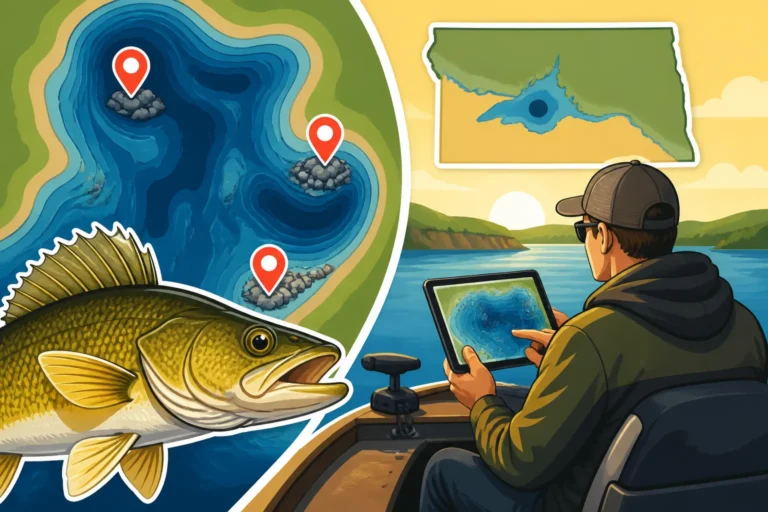
When the surface temperatures soar, Northern Pike, especially the larger ones, will often move to deeper sections of lakes, congregating near thermoclines or areas with cooler, oxygenated water. This might mean points, humps, submerged islands, or along deep breaks where they can ambush baitfish moving up from the depths. Lakes like Lake Sakakawea, with its vast and varied structure, become excellent places to hunt for these deep-water giants.
Using a good fish finder is almost essential during this time to locate these deep-water structures and suspended bait schools. Heavy jigging spoons, deep-diving crankbaits, or even vertical jigging large soft plastics can be effective. Consider a high-quality braided line, readily available on Amazon, to help you feel those subtle bites in deep water. You might be surprised at the size of the fish you can pull from what appears to be open water.
Early Morning, Late Evening, and Night Bites
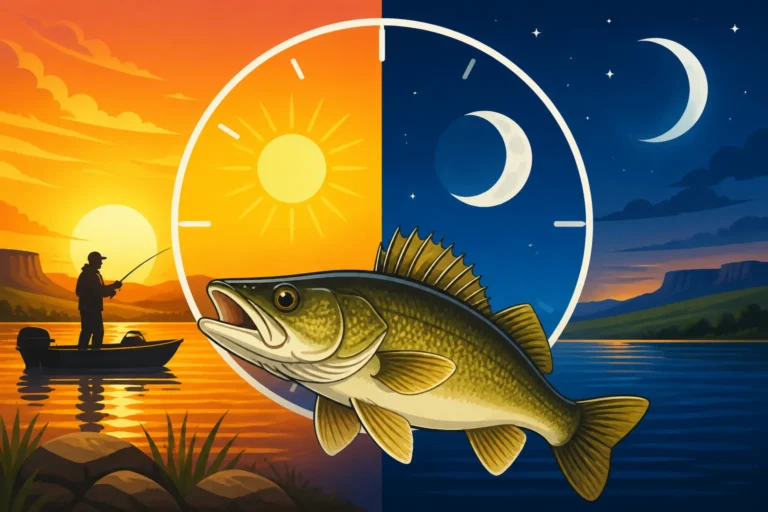
Just like many other predatory fish, Northern Pike often become more active during periods of low light in the summer. This means dawn, dusk, and even nighttime can be prime times to target them. The water is cooler, and they feel more secure moving into shallower areas to feed. If you're willing to set your alarm early or stay out late, your chances of a trophy greatly increase.
Focus on the same weedy flats and structural elements that were productive in late spring, but consider fishing them during these low-light periods. Topwater lures can be incredibly exciting at dawn or dusk, as a massive pike blowing up on a surface bait is an unforgettable experience. Large spinnerbaits and bucktails are also excellent choices for covering water effectively in the fading light. For those brave enough to fish into the night, large swimbaits or even dead baits fished near weed lines can entice a cruising monster. This can be a great time for Night Fishing Techniques for Catfish as well, so you might double up on species!
Fall: The Ultimate Trophy Season
Many seasoned North Dakota anglers will tell you that fall is, hands down, the best season to catch trophy Northern Pike. As the water temperatures begin to drop, pike enter another aggressive feeding period, similar to the pre-spawn, but often even more intense. They know winter is coming, and they need to bulk up to survive the lean months ahead.
Intense Feeding Ahead of Winter
As autumn progresses and the leaves change color, the water temperatures in North Dakota lakes and rivers steadily decline. This cooling water signals to the pike that it's time to feed heavily. Their metabolism is still high, but they prefer the cooler, more oxygenated water. They become incredibly aggressive and will actively chase down large baitfish. This is a time when they are often at their heaviest, having had a full summer of feeding.
Look for pike in predictable locations: the edges of dying weed beds, sharp drop-offs, rocky points, and submerged timber. They'll be on the hunt, and often quite willing to chase a lure. This is the time to throw your biggest, flashiest baits – large spoons, oversized crankbaits, and heavy-duty bucktail spinners. Don't be afraid to use a fast retrieve; these fish are actively hunting.
Shallow and Deep Water Intercepts
Fall pike can be found in a wide range of depths, often transitioning between them throughout the day. In the mornings and evenings, they might cruise shallower flats and weed edges, warming themselves in the sun and ambushing bait. As the sun gets higher, they might retreat to deeper breaks or humps, only to move shallow again when the light begins to fade.
A flexible approach is best. Start by covering shallower areas with cast-and-retrieve baits, then move to deeper zones, perhaps trolling large crankbaits or vertically jigging. Pay close attention to your electronics to locate schools of baitfish, as the trophy pike won't be far behind. This is also a fantastic time to think about How Big Do Northern Pike Get in North Dakota? because these are the fish that are truly at their peak. For larger, more durable baits, consider exploring options on Amazon for those "do-it-all" fall lures.
Winter: Ice Fishing for Giants
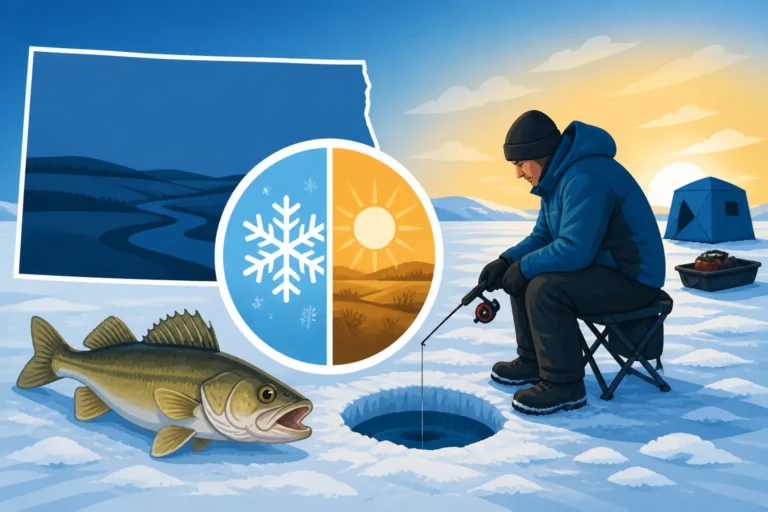
While the open water seasons are fantastic, winter in North Dakota brings a unique opportunity for trophy pike: ice fishing. The ice cover allows access to areas unreachable by boat, and the cold, stable conditions can often concentrate fish. Ice fishing for Northern Pike is a different ballgame, but one that can yield truly monstrous results.
Tip-Ups and Dead Baits
When ice fishing for trophy pike, tip-ups are your best friend. These simple devices allow you to cover a wider area and present large baits effectively. Pike under the ice are often less active than in open water, so a stationary, large dead bait (like a smelt, sucker, or cisco) rigged under a tip-up can be incredibly enticing. The scent trail of a dead bait can draw in pike from a surprisingly wide radius, especially if they are cruising slowly along a break or through a weed bed. You can find robust tip-ups and line on Amazon, perfect for the heavy-duty demands of pike fishing.
Set your tip-ups in varying depths along weed edges, points, or over submerged humps. Pike will often cruise these structural elements looking for easy meals. While you're waiting, you can jig with a separate rod, but for true trophies, the tip-up with a big dead bait is often the most productive method. For detailed advice, check out our guide on Ice Fishing for Northern Pike With Tip-Ups.
Jigging for Active Pike
While tip-ups are excellent for passive presentation, actively jigging can also catch trophy pike, particularly if you find an area with more active fish. Large jigging spoons, heavy tube jigs, or even large lipless crankbaits can be dropped down a hole and aggressively jigged to attract attention. This method is often more about triggering a reaction strike from a curious or aggressive fish.
An ice fishing fish finder or flasher is invaluable for jigging. It allows you to see your lure and any fish that approach it, helping you adjust your presentation in real-time. Look for areas where baitfish are congregated, or where you've seen marks on your electronics indicating larger predators. Sometimes, a series of aggressive rips followed by a long pause is what it takes to get that big pike to commit. Remember to always prioritize Drilling Safe Ice Thickness Guide before heading out onto the ice.
Essential Considerations for Trophy Pike
Catching a trophy Northern Pike isn't just about timing; it's also about preparation and respect for the fish. These are ancient, powerful predators, and handling them correctly ensures their survival for future generations.
Gear Up for the Fight
Trophy pike are incredibly strong fish with sharp teeth. You need heavy-duty gear to land them safely. Think medium-heavy to heavy action rods, stout reels with a good drag system, and strong braided line (50lb+ test is not overkill). A long-handled landing net with a rubberized mesh is essential to protect the fish's slime coat, and long-nosed pliers or jaw spreaders are critical for safely removing hooks from their toothy mouths. Wire leaders or heavy fluorocarbon leaders are also non-negotiable to prevent bite-offs. Exploring the Best Fishing Rods for North Dakota Anglers can help you find the right setup.
Location, Location, Location
North Dakota is blessed with many fantastic pike waters. Lake Sakakawea, Devils Lake, and many of the smaller lakes in the prairie region hold trophy-sized fish. The key is to research specific areas within these lakes known for large pike. Look for areas with a good supply of forage (cisco, whitefish, suckers), diverse structure (weeds, rock, timber), and deeper water nearby for refuge. Our guide on Trophy Northern Pike Waters in North Dakota can provide a great starting point.
Catch and Release Practices
Many trophy pike anglers practice catch and release, especially with the largest females, who are vital to the fishery's health. Handle these fish gently, keep them in the water as much as possible, and revive them thoroughly before release. A quick photo, then back into the water they go. This ensures that these magnificent fish can spawn again and grow even larger.
Seasonal Trophy Pike Strategies at a Glance
Here’s a quick overview of when and how to target those North Dakota goliath pike throughout the year:
| Season | Best Time of Season | Pike Behavior | Prime Locations | Recommended Techniques & Lures |
|---|---|---|---|---|
| Early Spring | Ice-out to mid-May (Pre-spawn) | Aggressive feeding, staging | Shallow bays, weed flats, flooded timber | Large spoons, swimbaits, jerkbaits, dead bait |
| Late Spring | Mid-May to Early June (Post-spawn) | Recovering, still hungry | Edges of spawning grounds, new weed growth | Spinnerbaits, slow-rolled jigs, topwater |
| Summer | July to August | Deep, cool water, low light activity | Deep breaks, humps, thermocline, evening/night shallow | Deep diving crankbaits, jigging spoons, topwater |
| Fall | September to November | Intense feeding, bulking up for winter | Dying weed edges, rock piles, drop-offs | Large spoons, bucktails, oversized crankbaits |
| Winter | December to March (Ice Fishing) | Slower metabolism, attracted by scent | Weed lines, submerged humps, points | Tip-ups with large dead bait, heavy jigging spoons |
North Dakota truly offers fantastic opportunities for trophy Northern Pike, provided you understand their seasonal movements and adjust your tactics accordingly. Whether you're chasing them in the spring "green-up" or through a hole in the ice, the reward of a massive pike is well worth the effort.
Disclaimer
This article is for general informational purposes only and does not constitute professional advice. Laws, prices and regulations vary by location and change over time. Consult a qualified professional for guidance on your specific situation.