Best Water Temperature for Spawning Walleye
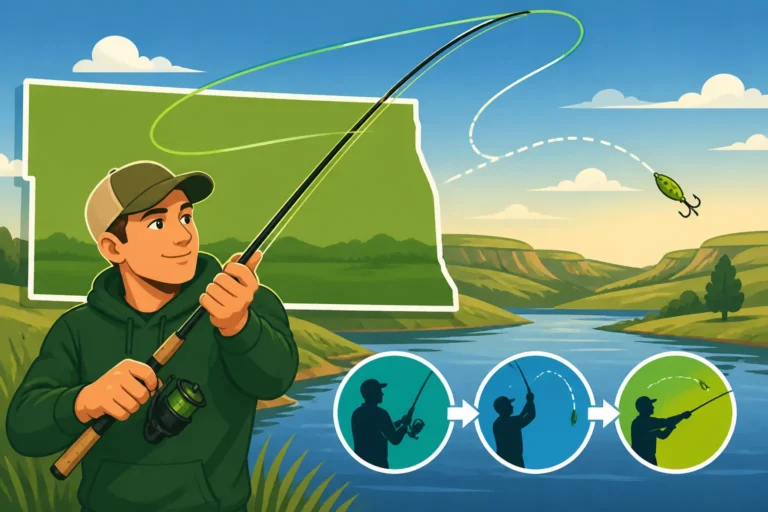
There’s nothing quite like the anticipation of walleye season in North Dakota, especially when you’re trying to pinpoint that perfect window when the fish are getting ready to spawn. It's a dance between nature's signals and an angler's intuition, and frankly, it can be incredibly frustrating to miss it. Getting a handle on water temperature is one of the most crucial pieces of that puzzle, giving you a real edge in knowing when and where to target these prized fish. This guide will dive deep into understanding the best water temperature for spawning walleye, helping you decode their seasonal movements and behaviors.
Understanding the Walleye Spawn Cycle
Walleye, like many fish species, have a very specific biological imperative to reproduce each spring. This isn't just a switch that flips overnight; it's a gradual process, heavily influenced by their environment, with water temperature being the primary thermostat. If you want to know when does walleye season open in North Dakota, understanding this cycle is key to knowing what the fish are up to.
The Urge to Reproduce: Why Temperature Matters
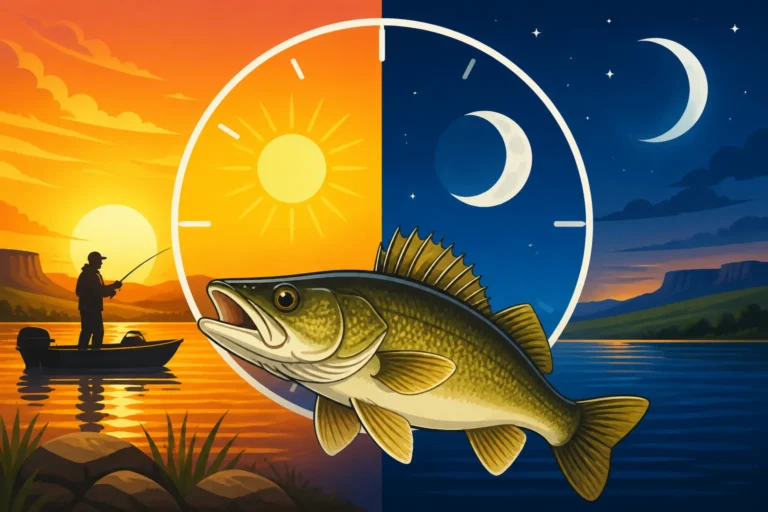
Imagine waking up from a long winter slumber, your body's systems slowly re-engaging. That's a bit like what happens to walleye as the ice recedes and spring truly begins. For months, under thick sheets of ice, their metabolism has been slow, conserving energy. But as the sun’s angle shifts and the days grow longer, a deep-seated biological clock starts ticking. This initial trigger, known as photoperiod, gets the ball rolling, signaling to the fish that spring is on its way.
However, it's the warming water that truly acts as the activator for the spawn. The rising temperatures kick their metabolism into high gear, prompting them to move and feed more actively. This pre-spawn period is absolutely critical for walleye as they need to build up reserves for the energy-intensive process of spawning. They're driven by an instinct to pass on their genes, and their entire focus shifts to this task. Trying to catch them before or during this time means understanding their thermal preferences.
From Staging to Spawning Beds
The journey from deeper wintering grounds to shallow spawning beds isn't a direct one. Instead, walleye undertake a careful migration, often "staging" in transition areas before making their final move. Think of these as waiting rooms, typically in areas adjacent to their chosen spawning sites. These staging areas might be slightly deeper flats, points, or the edges of channels where they can conserve energy while still being close to the action. This is an excellent time to target them, as they are often aggressively feeding.
Once the water hits that "just right" temperature, the males typically lead the charge, moving into the shallower, rocky spawning areas first. These dedicated spots, often gravelly shorelines, rip-rap, or rocky reefs, provide the perfect substrate for their sticky eggs to adhere to. The females follow shortly after, drawn by the presence of the males and the increasingly hospitable water temperatures. After depositing their eggs, often over several nights, they will move off, leaving the eggs to hatch naturally. It's a fascinating, intricate process, and knowing these movements is a huge advantage for any angler.
Ideal Water Temperatures for Walleye Spawning
This is the million-dollar question for many anglers: what exactly is the magic number? While nature rarely provides a single, universally precise answer, there's a definite temperature window that signals prime spawning conditions for walleye in North Dakota and beyond.
The Magic Window: What Temperatures Trigger the Spawn
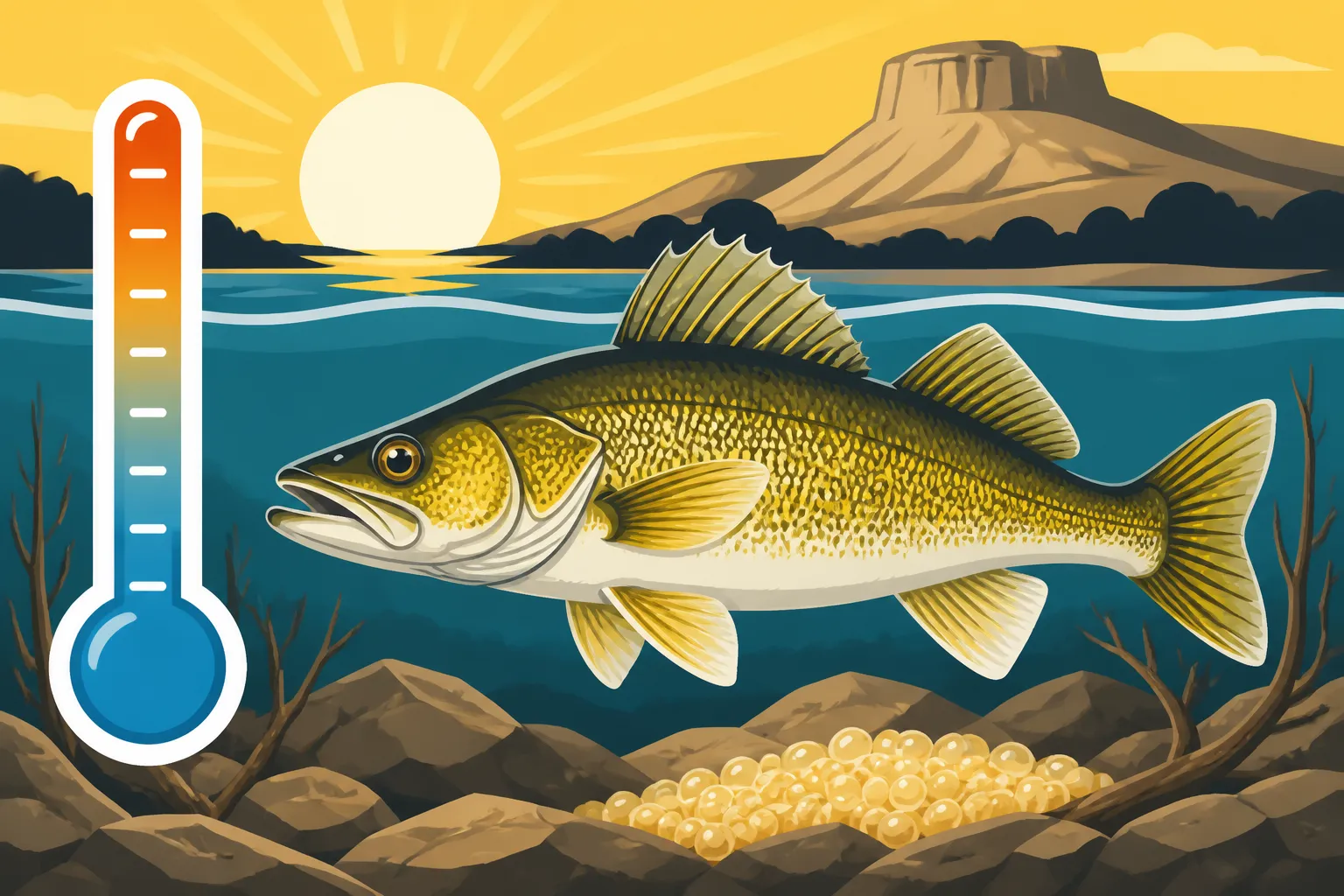
Generally speaking, walleye will begin to spawn when water temperatures reach a sustained range of about 42 to 50 degrees Fahrenheit (approximately 5 to 10 degrees Celsius). This is that sweet spot, the period when the vast majority of reproductive activity occurs. It's not an exact science, of course; you might find a few early birds or late stragglers outside this range, but this is the primary benchmark you want to keep in mind.
Consider a large body of water like Lake Sakakawea. Because of its sheer size and depth, different bays or arms might warm up at slightly different rates. A shallow, protected bay in the eastern part of the lake might hit 45°F a few days or even a week before a deeper, more exposed main lake point. This means the spawn isn't a uniform event across an entire system; it's more like a rolling wave, progressing as different areas reach the optimal temperature. In smaller, shallower lakes, this window might be more compressed and happen earlier. Always remember, it's about sustained temperatures, not just a brief spike on a warm afternoon.
Pre-Spawn vs. Active Spawning vs. Post-Spawn Temperatures
Understanding these different temperature phases can significantly impact your fishing success.
-
Pre-Spawn (Mid to Upper 30s to Low 40s F): This is often the most exciting time for anglers. The walleye are still in relatively cold water, but it's warming up, and their metabolism is increasing. They're actively feeding, trying to pack on calories before the energy drain of spawning. You'll typically find them in those staging areas we discussed, often deeper than the eventual spawning grounds, but still within striking distance. They're aggressive, hitting baits hard, and often congregated. Early spring walleye techniques in North Dakota often focus on this period.
-
Active Spawning (42-50°F): When the water reaches this range, the walleye's focus shifts almost entirely from feeding to reproducing. They're on the spawning beds, releasing and fertilizing eggs. During this intense period, they can be much harder to catch because they're not actively seeking food. Their aggression might be directed more at territorial defense than actual feeding. Anglers often find success by targeting fish moving to or from the spawning grounds, or by presenting baits very slowly and directly on the beds, hoping to trigger a reaction strike.
-
Post-Spawn (50s F and Rising): Once the spawn is complete, the walleye are exhausted. Females, especially, are depleted of energy. They'll move off the shallow spawning beds to recover, often seeking slightly deeper water where they can rest and replenish their energy. This recovery period is followed by what many call the "post-spawn bite," where walleye become incredibly aggressive again as they try to regain lost weight. As the water warms further into the 50s and 60s, they'll spread out and transition into their summer patterns. Knowing how water temperature affects walleye location is crucial here.
Here's a quick reference table:
| Walleye Activity Phase | Water Temperature Range (Fahrenheit) | General Behavior | Fishing Outlook |
|---|---|---|---|
| Pre-Spawn | 38-42°F | Staging, actively feeding to build energy, moving towards spawning grounds | Excellent, often aggressive |
| Active Spawning | 42-50°F | On spawning beds, focused on reproduction, territorial | Challenging, reaction strikes |
| Post-Spawn Recovery | 50-55°F | Moving off beds, resting, replenishing energy | Moderate, fish slowly recovering |
| Post-Spawn Feeding | 55°F and above | Dispersing, actively feeding to regain weight, transitioning to summer patterns | Good to Excellent, aggressive |
Factors Influencing Walleye Spawning Beyond Temperature
While water temperature is the undeniable king of walleye spawning triggers, it's not the only factor at play. Think of it like a symphony where temperature is the conductor, but other instruments contribute to the overall harmony or discord. Ignoring these other elements can sometimes leave you scratching your head, even if your thermometer reads perfectly.
The Role of Photoperiod and Water Levels
We touched on photoperiod earlier, and it's worth reiterating: the increasing length of daylight hours is the initial, overarching cue that winter is ending and spring is here. Even if a sudden cold snap drops water temperatures temporarily, the sustained longer days keep that biological clock ticking. It’s why walleye won’t typically spawn in December, even if there’s an unusual warm spell. It's a combination of these cues that drives them.
Water levels, particularly in river systems and reservoirs like the Missouri River, play an enormous role. Stable or slowly rising water levels during the spawn are generally ideal. If water levels drop significantly, it can expose eggs to air, drying them out and killing them. Conversely, rapidly rising water can push fish off prime spawning areas or inundate vegetation where they might have preferred to lay eggs. For instance, on a big reservoir, if the water comes up and floods new shoreline areas, it creates a whole host of new shallow cover, which might offer additional spawning grounds, but also makes finding those fish more challenging for anglers. Knowing how to read water for fish structure becomes even more critical in fluctuating conditions.
Substrate, Current, and Other Environmental Cues
Walleye are quite particular about where they drop their eggs. They overwhelmingly prefer rocky or gravelly bottoms, typically in depths ranging from a few feet to about 20 feet, depending on the body of water and clarity. These substrates provide nooks and crannies for the sticky eggs to adhere to, protecting them from silting over and ensuring good oxygen flow. Sandy or muddy bottoms are generally avoided. This is why you often find spawning walleye around rip-rap causeways, rocky points, and shallow reefs.
Current is another significant factor, especially in river systems or areas with inflow/outflow like below the Garrison Dam on the Missouri River. In rivers, a moderate current is essential to oxygenate the eggs and carry away waste. Too much current, however, can sweep eggs away before they can properly adhere, or exhaust the spawning fish. In lakes, while not as critical, subtle currents or wave action can help keep eggs aerated.
Finally, don't underestimate the impact of sudden weather shifts. A sharp cold front during the middle of the spawn can temporarily halt activity, pushing fish back to slightly deeper, more stable water. They'll often pick up again once conditions stabilize. Similarly, heavy winds can make spawning areas rough, and walleye may seek more protected shores. This is why staying attuned to the North Dakota Fishing Season Calendar and local weather patterns is just as important as knowing the temperature.
How to Track Water Temperature for Spawning Walleye
Now that we understand why water temperature is so vital, let's talk about the practical side: how do you actually measure and interpret it on the water? You don't need to be a meteorologist, but having the right tools and knowing how to use them makes all the difference.
Essential Tools for Anglers
Gone are the days of guessing the water temperature by sticking your hand in the water (though many of us still instinctively do it!). Modern angling offers some fantastic tools to get precise readings.
-
Surface Temperature Gauges: These are your primary weapon. Many modern fish finders and depth sounders come equipped with a transducer that provides a real-time surface water temperature reading. Brands like Humminbird and Lowrance are staples on North Dakota boats. It's often displayed right on your screen, making it incredibly convenient. For shore anglers or those in smaller crafts, dedicated handheld temperature gauges are readily available. These are simple, often floating devices that give you an accurate surface reading. You can find a good selection of these on Amazon, often for a reasonable price.
-
Deep-Water Thermometers: While surface temperature is important for identifying the spawning window, understanding the temperature at different depths can tell you where the fish might be staging or recovering. Some high-end fish finders can give you readings at various depths, but a simple weighted thermometer lowered on a line can also do the trick. This is particularly useful in larger lakes like Lake Sakakawea, where fish might be deeper during the pre-spawn or post-spawn recovery phases. Knowing where to find walleye structure with a map and then checking the temperature at those depths is a powerful combination.
-
Online Resources and Local Intel: Don't forget the power of community! Many local bait shops in towns like Bismarck or Devils Lake are fantastic sources of up-to-date fishing reports, often including water temperature readings. Online forums and social media groups dedicated to North Dakota fishing can also be goldmines of information. Just remember, reports are often generalized, so always verify with your own readings once you're on the water.
Interpreting Temperature Data on the Water
Having the tools is only half the battle; knowing how to interpret the data is where the real skill comes in.
When you're out on the water, don't just look for a single temperature number. Instead, look for temperature bands and gradients. For instance, if you're finding surface temps around 40°F in a shallow bay, but the main lake is still 38°F, that bay is likely where the earliest pre-spawn activity will be. Fish will gravitate to these slightly warmer areas. As the spawn progresses, you'll be looking for those 42-50°F zones in prime rocky spawning habitat.
After the spawn, as the water continues to warm into the 50s and 60s, fish will start to disperse. The females, especially, might seek slightly deeper, cooler water to recover, while the males might linger near the spawning grounds for a bit longer before following suit. The best fish finder settings for walleye can help you identify these deeper recovery zones. Don't be afraid to experiment! If you're not finding fish in one temperature zone, move to another. Walleye are constantly on the move, especially during these dynamic spring periods. Remember that knowing how to locate fish on a new lake means understanding these thermal preferences.
Understanding the "why" behind the numbers empowers you to make smarter decisions, helping you predict fish movements rather than just reacting to them. This knowledge, combined with your time on the water, will make you a more successful walleye angler in North Dakota's diverse fishing grounds.
Disclaimer
This article is for general informational purposes only and does not constitute professional advice. Laws, prices and regulations vary by location and change over time. Consult a qualified professional for guidance on your specific situation.