Best Bait for Crappie in North Dakota
Crappie fishing in North Dakota can be an incredibly rewarding experience, but let's be real, these panfish can be a bit finicky. You've probably been there, staring at your tackle box, wondering why they're biting everything but what you're offering. This comprehensive guide is here to cut through the confusion and help you select the best bait for crappie in North Dakota, so you can spend less time guessing and more time reeling in those tasty slabs.
Understanding Crappie Preferences in North Dakota Waters
Before we dive into specific baits, it's crucial to understand what makes crappie tick here in North Dakota. These beautiful fish, both black crappie and white crappie, are primarily sight feeders, meaning they often react to what they can see and detect in the water. Their diet is largely dictated by the available forage and the season, but generally, they are ambush predators that love small, slow-moving prey.
Crappie in North Dakota's diverse waters, from the flooded timber of Devils Lake to the clear depths of Lake Ashtabula, will chase down minnows, small insects, and even tiny crustaceans. When we talk about Black Crappie Habitat in North Dakota, we often find them around submerged timber, brush piles, weed beds, and bridge pilings – places where baitfish also seek refuge. This habitat preference means your bait needs to mimic these natural food sources effectively, either in appearance, movement, or both. Think about what's naturally swimming around in their neighborhood, and you're already halfway to success.
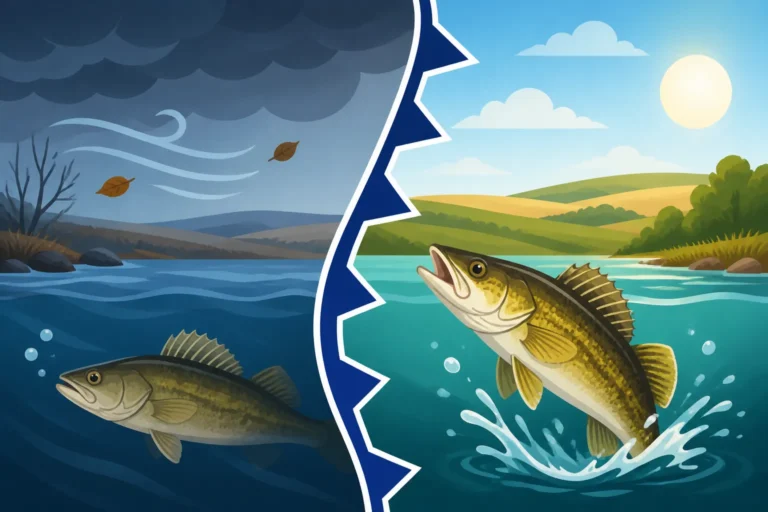
The clarity and temperature of the water also play a huge role. In colder water, crappie are more lethargic and prefer smaller, slower presentations. As the water warms up, especially in spring during their spawn, they become more aggressive and might strike at faster-moving baits. Understanding these nuances will significantly improve your chances, so choosing the right bait isn't just about what they eat, but how they eat it at any given time. This fundamental understanding is key to becoming a successful crappie angler in the state, and it’s a big part of mastering your North Dakota Crappie Fishing Guide.
Top Live Bait Choices for North Dakota Crappie
When it comes to consistently catching crappie in North Dakota, especially when they're not super aggressive, live bait is often the king. Nothing quite imitates the real thing like, well, the real thing! The natural scent, movement, and vulnerability of live bait can trigger strikes when artificials fall short.
Small Minnows: The Undisputed Champion
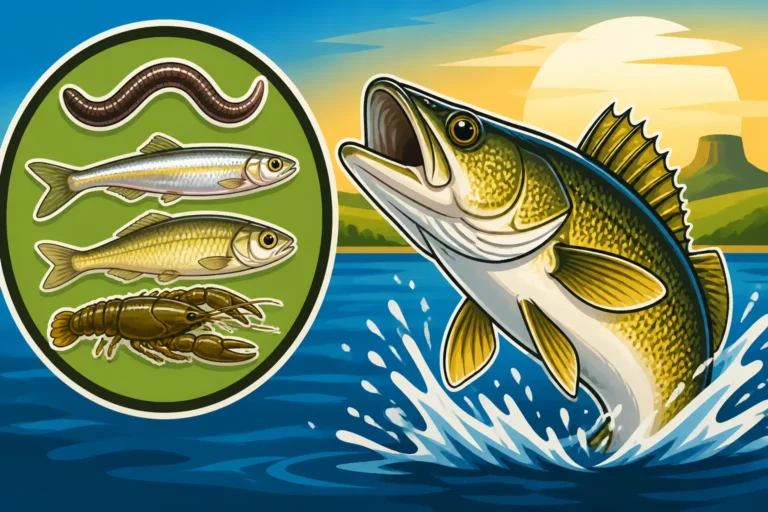
If there's one bait you absolutely must have in your crappie arsenal, it's small minnows. Fathead minnows, in particular, are readily available and crappie simply can't resist them. They mimic the primary food source for many crappie populations in North Dakota and their natural swimming action is irresistible.
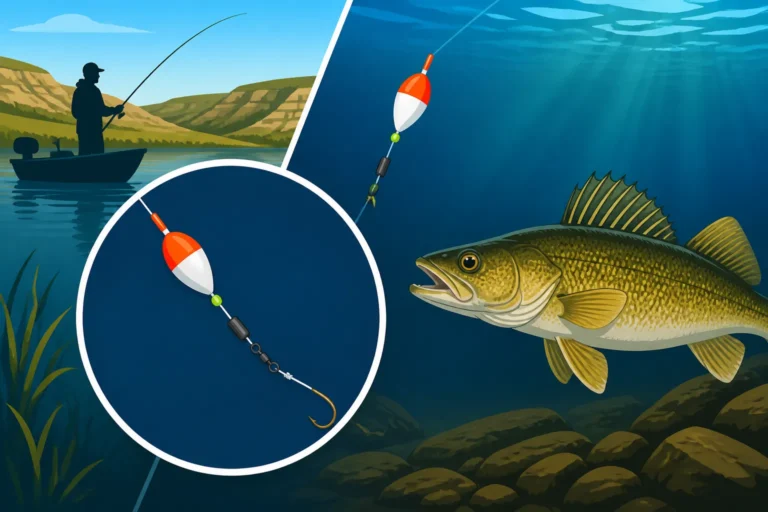
You'll want to hook your minnow lightly through the back, just behind the dorsal fin, being careful not to hit the spine, or through the lips. This allows the minnow to swim naturally and entice crappie. Present them under a slip bobber near structure, or slowly retrieve them on a bare hook or small jig head. The key is to keep them lively! A good Best Bait Bucket With an Aerator is essential for a successful day on the water, ensuring your minnows stay active and enticing. In places like Jamestown Reservoir, where crappie thrive around submerged trees, a lively minnow slowly descending into the brush pile is often all it takes.
Crappie Worms and Grubs
While not as common as minnows for crappie, small crappie worms or waxworms can be incredibly effective, especially when crappie are a bit more hesitant or in colder water. These baits offer a smaller profile and a different kind of natural scent and movement.
Think of those days when the bite is slow, and you're just trying to get anything to hit. A single waxworm on a tiny jig head, fished very slowly, can be the ticket. They are particularly popular during ice fishing, offering a high-protein snack for lethargic fish. While minnows might get the big crappie, worms can often fill the pail with consistent bites from smaller, but still delicious, panfish. You can often find these in local bait shops or through online retailers like Amazon if you're looking to stock up on a variety.
Essential Artificial Lures for Crappie Fishing in North Dakota
While live bait has its undeniable charm, artificial lures offer versatility, durability, and the ability to cover more water quickly. Plus, no need for a bait bucket! Modern artificial lures have come a long way in mimicking natural forage, making them highly effective for North Dakota crappie.
Soft Plastic Jigs and Grubs
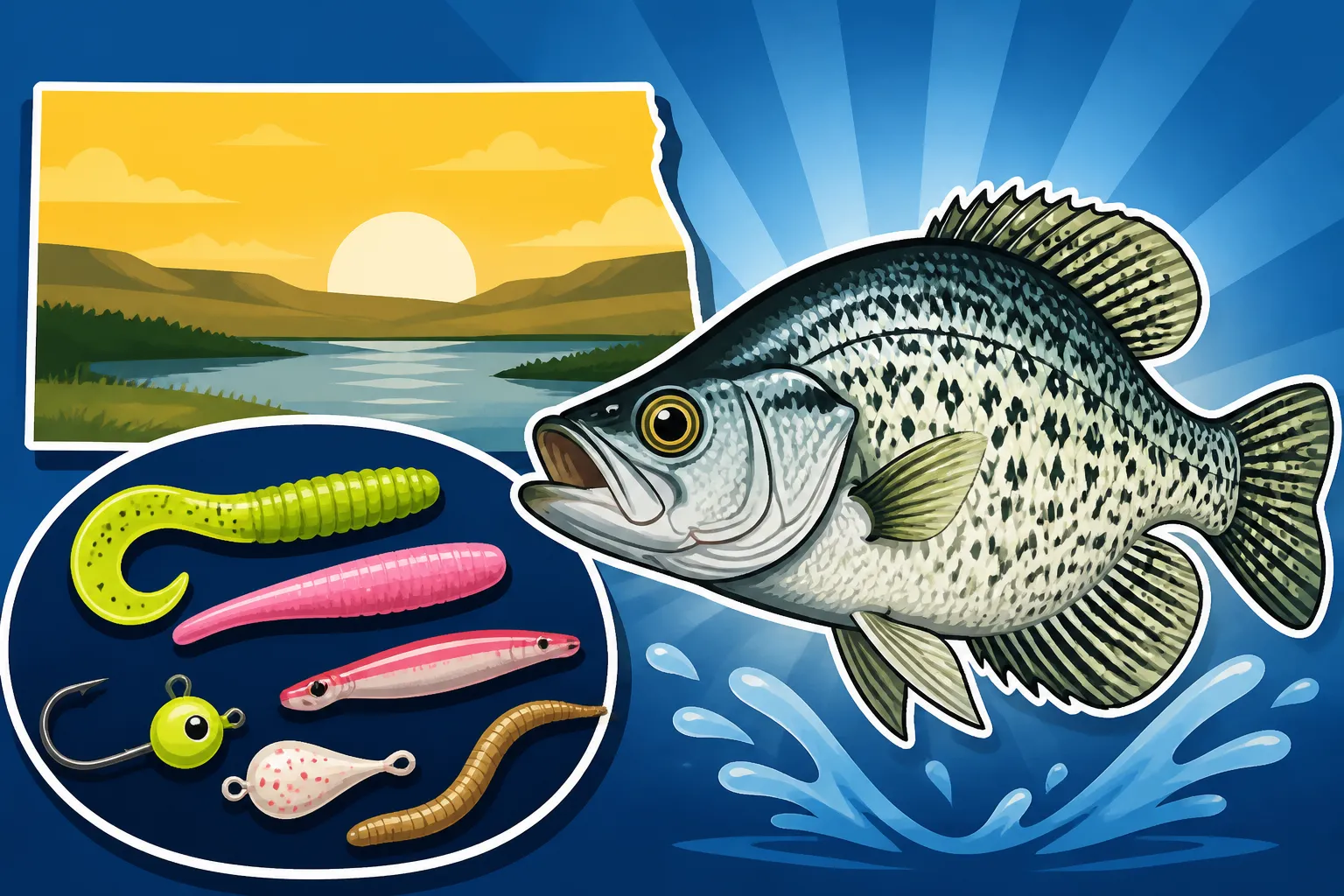
The vast majority of artificial crappie fishing success comes from small soft plastic jigs. These come in an incredible array of shapes, sizes, and colors, allowing you to match the hatch or experiment with different presentations.
- Tube Jigs: These hollow, cylindrical baits with tentacles are classic crappie catchers. Their subtle action on the fall and retrieve makes them irresistible. Colors like chartreuse, white, and black/chartreuse are always good starting points in North Dakota.
- Paddle Tail Grubs: These plastics have a small paddle-like tail that creates vibration and movement as they're retrieved. They're excellent for simulating a swimming baitfish and can be fished effectively with a slow, steady retrieve or a jigging motion.
- Mister Twister or Curly Tail Grubs: The classic curly tail grub offers a continuous wiggling action that crappie find hard to ignore. They're extremely versatile and can be fished under a bobber, cast and retrieved, or even vertical jigged.
Pair these plastics with small lead head jigs, typically in 1/32 oz to 1/8 oz sizes, depending on depth and wind. For example, if you're fishing a relatively shallow, calm area on Lake Ashtabula, a 1/32 oz jig might be perfect for a slow, enticing fall. However, if you're dealing with wind or trying to get down to deeper crappie quickly, a 1/16 oz or even 1/8 oz might be necessary. The key is to find the lightest jig that still allows you to feel the bite and maintain contact with your lure. Experiment with colors – sometimes a bright pink or orange is exactly what a crappie wants on a cloudy day, while a more natural smoke or clear glitter might work better in clear water.
Tiny Spoons and Blade Baits
For more aggressive crappie or when you're looking to cover a little more water, small spoons and blade baits can be incredibly effective, especially when jigging vertically.
- Spoons: Tiny jigging spoons, like those from Johnson or Northland, flash and flutter on the drop, mimicking an injured baitfish. They're fantastic for ice fishing where Ice Fishing Techniques for Crappie often involve vertical jigging, but also work well from a boat over deeper structure. A little bit of subtle tipping with a minnow head or a waxworm can boost their appeal even more.
- Blade Baits: These small, vibrating lures are designed to be fished with a lift-and-drop motion, creating a lot of commotion and flash. While perhaps more commonly associated with walleye, smaller blade baits can call in crappie from a distance, especially in deeper water. They offer a unique vibration that can trigger reaction strikes.
Both spoons and blade baits are excellent for targeting crappie that are schooling up around deeper contours or submerged structure. Their flash and vibration are great for enticing strikes when fish are actively feeding. You'll find a huge selection of these specific baits on retailers like Amazon, making it easy to diversify your tackle box.
Seasonal Considerations for Crappie Bait Selection
The time of year in North Dakota dramatically influences where crappie are, what they're eating, and how aggressive they are. Adjusting your bait selection seasonally is not just a good idea – it's essential for consistent success. Knowing Best Time of Year to Fish in North Dakota for crappie means understanding these seasonal shifts.
Spring: Post-Spawn and Shallow Water Feast
As the ice melts and water temperatures rise in spring, crappie move into shallower waters to spawn. This is arguably the best time to target them, as they become highly concentrated and aggressive. Knowing How to Find Crappie in Spring is half the battle; the other half is presenting the right bait.
During the pre-spawn and spawn, crappie are often found around shallow weed beds, brush, and docks in waters as shallow as 2-5 feet. Small minnows suspended under a bobber are deadly, as are tiny jigs (1/32 or 1/16 oz) tipped with a small plastic grub, slowly twitched through the cover. Bright colors like chartreuse, pink, and orange can be particularly effective in stained spring waters. The crappie are focused on feeding up and reproducing, making them less picky but still appreciative of an easy meal.
Summer: Deeper Structure and Early Mornings
Once the spawn is over and water temperatures really heat up, crappie generally retreat to deeper, cooler waters. You'll find them suspended over humps, along channel edges, or in deeper brush piles and submerged timber.
This is a time when understanding Where to Find Crappie in North Dakota Lakes by using your fish finder becomes critical. They might be 10-20 feet down, or even deeper, depending on the lake. Small jigs tipped with plastics or minnows, jigged vertically or cast to structure and retrieved slowly, are the go-to. Trolling with tiny crankbaits or even spider rigging (slowly trolling multiple lines with jigs and minnows) can also be effective for covering more water and locating schools. Colors tend to shift towards more natural baitfish patterns like pearl, smoke, or a subtle blue/silver. Early morning and late evening bites are often best in the heat of summer.
Fall: The Pre-Winter Feed
As autumn arrives and water temperatures begin to drop, crappie start to bulk up for winter. They often move back shallower during the day, following baitfish into coves and flats, before returning to deeper haunts as temperatures fall overnight.
This fall bite can be fantastic, similar in some ways to the spring, but with crappie often more spread out. You'll want to focus on schools of baitfish. Minnows are once again incredibly effective, often presented under a bobber or slowly retrieved on a small jig head. Small jigs and grubs, especially in natural baitfish colors or classic chartreuse, will also produce. Crappie are actively feeding, so they might be a bit more aggressive than in summer, but still prefer a relatively slow, enticing presentation.
Winter: Ice Fishing and Vertical Presentations
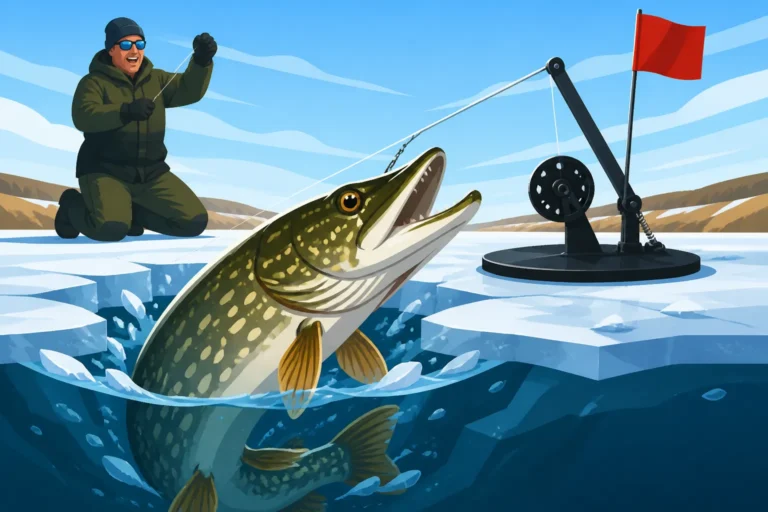
When North Dakota's lakes freeze over, crappie fishing shifts entirely to ice fishing. Crappie will often school up in specific areas – usually over deeper holes, submerged humps, or near weed lines that still have oxygen.
The best baits for crappie through the ice are small vertical jigs, often tipped with a waxworm, minnow head, or a tiny crappie plastic like a panfish plastics. Small jigging spoons can also be very effective, creating flash and vibration to call in fish. The presentation is almost entirely vertical; you'll drop your bait down, find the depth where fish are holding, and use subtle lifts and drops to entice a strike. Ultralight ice fishing rods with sensitive tips are crucial for detecting the often light bites. Knowing how to use Ice Fishing Techniques for Crappie will truly make a difference here.
Here's a quick comparison of popular crappie bait types:
| Bait Type | Pros | Cons | Best Seasons | Key Tips |
|---|---|---|---|---|
| Live Minnows | Natural scent & action, highly effective | Require aeration, messy, more expensive | All seasons, especially Spring/Fall | Hook lightly, fish under bobber or slow retrieve, keep lively |
| Crappie Worms/Grubs | Natural scent, small profile, good for finicky fish | Smaller profile, generally attracts smaller fish | All seasons, especially Winter/Slow Bites | Tip small jigs, fish very slowly, ideal for finesse presentations |
| Soft Plastic Jigs | Versatile, durable, wide range of colors/shapes | No natural scent, requires good presentation | All seasons, good for active fish | Match jig weight to depth, experiment with colors, twitch and pause |
| Jigging Spoons | Flash and vibration, attracts from distance | Can be too aggressive for finicky fish | Winter, deeper Summer/Fall | Vertical jigging, subtle lifts and drops, tip with bait for extra appeal |
| Tiny Crankbaits | Covers water, good for trolling | Less effective for vertical jigging/structure | Summer (trolling), active fish | Match size to baitfish, troll at slow speeds around contours |
Ultimately, the best bait for crappie in North Dakota is often a combination of understanding their seasonal movements, their feeding preferences, and being willing to experiment. Don't be afraid to try different baits, colors, and retrieve speeds until you find what the crappie are hitting on that particular day. Happy fishing, fellow North Dakota angler!
Disclaimer
This article is for general informational purposes only and does not constitute professional advice. Laws, prices and regulations vary by location and change over time. Consult a qualified professional for guidance on your specific situation.