Do You Need a Tribal Permit to Fish Lake Sakakawea’s Tribal Waters?
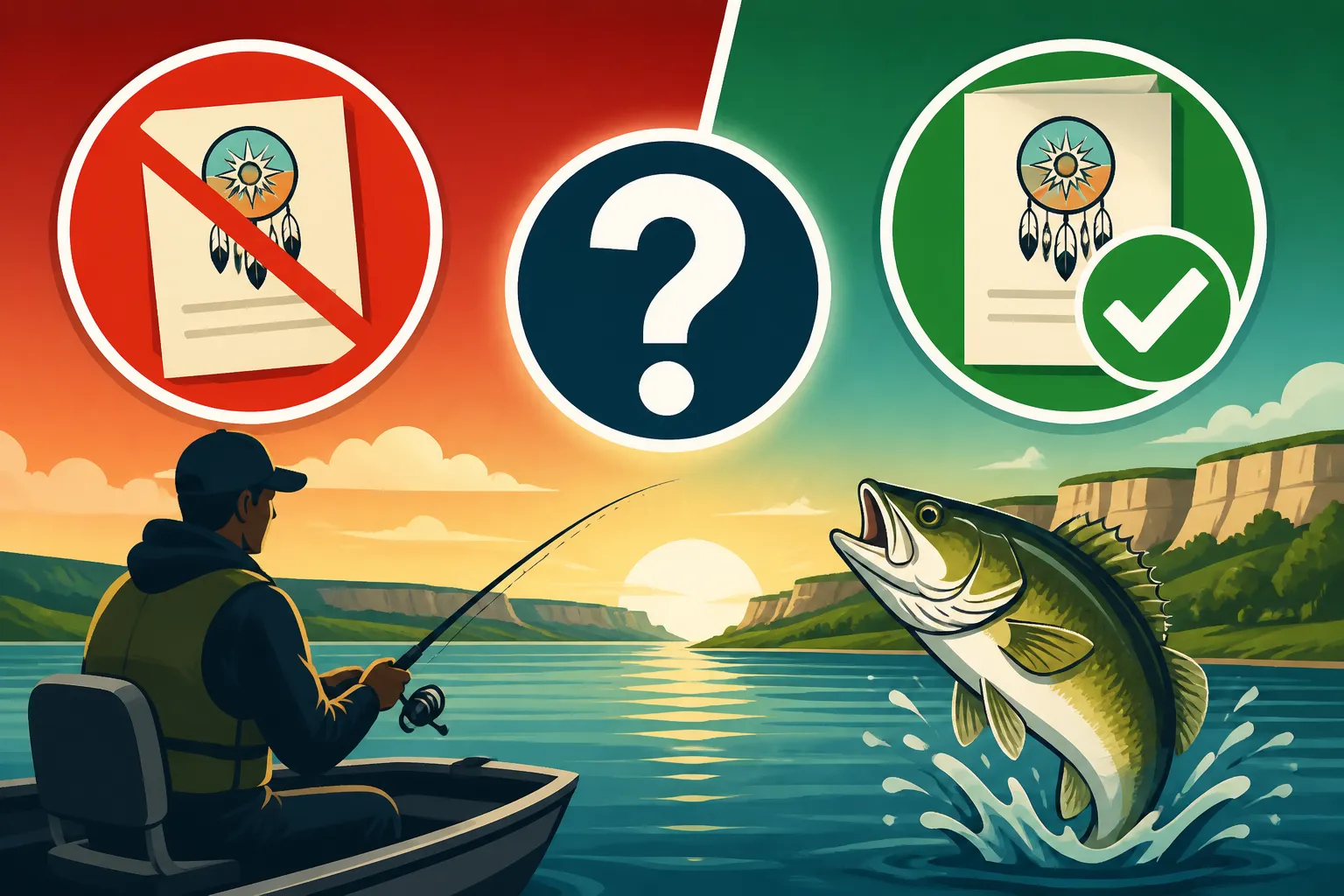
It’s a common scenario for anglers, isn't it? You’re staring at that huge expanse of water like Lake Sakakawea, dreaming of pulling in a trophy walleye or salmon, but then that nagging question creeps in: "Do I need another license?" Specifically, the idea of tribal waters and separate permits can be a real head-scratcher, creating unnecessary stress before you even cast a line. This guide is here to clear up that very confusion about fishing Lake Sakakawea's tribal waters, ensuring you know exactly what permits you need to enjoy your time on this magnificent North Dakota fishery.
The Complexities of Fishing Lake Sakakawea's Waters
Lake Sakakawea is a titan, an inland sea stretching across central North Dakota, carved out by the mighty Missouri River. Its sheer size and meandering shoreline mean it touches a lot of different land types and, naturally, a lot of different potential jurisdictions. This is where the confusion often stems from – imagining that such a vast and varied body of water must surely come with a labyrinth of rules.
The Sheer Size and Diverse Shorelines of Sakakawea
Spanning over 178 miles in length with more than 1,300 miles of shoreline, Lake Sakakawea isn't just a lake; it's an ecosystem, a reservoir, and a destination for countless outdoor enthusiasts. Its waters wind through different counties and border various forms of public and private land. You'll find state parks, federal lands managed by the Army Corps of Engineers, and, crucially, significant portions that lie within the exterior boundaries of the Fort Berthold Indian Reservation. Just thinking about how easily you can navigate from one section to another in a boat, or even while fishing from shore, makes you wonder how one set of rules could possibly cover it all.
Imagine you're launching your boat at a ramp near New Town, planning to chase walleyes in a particular bay. Without realizing it, you could be cruising through areas that are technically part of the reservation. Or maybe you're driving along Highway 8 to access a shore fishing spot, and suddenly you see signs indicating tribal land. This geographical reality is precisely why many anglers pause and ask themselves if their standard North Dakota fishing license is enough, or if they need to seek out an additional permit to avoid any trouble.
Overlapping Jurisdictions and Angler Confusion
The concept of overlapping jurisdictions can be genuinely frustrating for anyone trying to comply with regulations. You want to do the right thing, but when the lines aren't clearly drawn (or perceived to be unclear), it leads to anxiety. For Lake Sakakawea, the primary concern revolves around the Fort Berthold Indian Reservation, home to the Mandan, Hidatsa, and Arikara Nation (MHA Nation). A substantial part of Lake Sakakawea lies within the exterior boundaries of this reservation.
In many other states, or even in other specific tribal areas within North Dakota, fishing within reservation boundaries does require a separate tribal permit in addition to a state license. This is why the question about Lake Sakakawea is so persistent and valid. Anglers, especially those who travel or have fished in different regions, are often conditioned to expect this extra layer of bureaucracy. It's a natural assumption to make when dealing with tribal lands, and the fear of fines or penalties for unknowingly violating a rule is enough to make anyone second-guess their plans. We all just want a peaceful day on the water, not a legal headache.
Understanding Tribal Jurisdiction on Lake Sakakawea
Now, let’s get to the heart of the matter and alleviate that worry. For anglers fishing on the water of Lake Sakakawea, including those parts that lie within the exterior boundaries of the Fort Berthold Indian Reservation, you do NOT need a separate tribal fishing permit. Your valid North Dakota fishing license is sufficient. This is a critical piece of information that often gets misunderstood or assumed incorrectly.
The Fort Berthold Indian Reservation and Its Waters
The Fort Berthold Indian Reservation encompasses a significant land area in west-central North Dakota, and Lake Sakakawea itself was formed by the damming of the Missouri River, which deeply impacted the MHA Nation, resulting in the inundation of much of their land. While the land surrounding the lake within the reservation boundaries is indeed tribal land, the water itself, for fishing purposes, falls under a specific understanding between the MHA Nation and the North Dakota Game and Fish Department (NDGFD).
This arrangement ensures that anglers with a valid state fishing license can freely navigate and fish the entire expanse of Lake Sakakawea without the added burden of purchasing a separate permit for particular zones. It simplifies things considerably, allowing a more seamless fishing experience across the reservoir. This is a huge relief for many, especially those who plan extensive trips and don't want to worry about crossing invisible jurisdictional lines while trolling for fish.
Reciprocal Agreements and What They Mean for Anglers
The reason for this straightforward approach on Lake Sakakawea is rooted in a long-standing understanding and reciprocal agreement between the North Dakota Game and Fish Department and the MHA Nation. This agreement essentially recognizes the North Dakota fishing license as valid for fishing the waters of Lake Sakakawea, irrespective of whether those waters fall within the exterior boundaries of the Fort Berthold Reservation.
Such agreements are invaluable because they reduce confusion and ensure that anglers aren't deterred from enjoying a world-class fishery. Without them, enforcement would be a nightmare, and anglers would constantly be second-guessing where they could and couldn't cast their lines. It's a testament to cooperation aimed at promoting recreational fishing. This also means that many of the general North Dakota fishing regulations explained apply uniformly across the lake.
It's important to differentiate this situation from other tribal lands in North Dakota or even other water bodies that do require specific tribal permits. For example, fishing on certain waters wholly within other tribal reservations in North Dakota, such as the Standing Rock or Spirit Lake reservations, generally does require a separate tribal permit, which can often be obtained locally or sometimes online. The Lake Sakakawea situation is a unique, angler-friendly exception. Always keep a current copy of your North Dakota Fishing License Guide handy, whether physical or digital, and a spare in a waterproof pouch, perhaps purchased from Amazon, just in case.
The "Fishing, Hunting, Furbearer Certificate" and Lake Sakakawea
When you purchase a North Dakota fishing license, you'll also notice a separate line item for something called the Fishing, Hunting, Furbearer Certificate. Many anglers, especially those new to the state or those who only fish, wonder, "What is the Fishing, Hunting, Furbearer Certificate for?" This certificate is a base requirement for almost all hunting and fishing licenses in North Dakota for residents and non-residents aged 16 and older. It's essentially an annual fee that supports wildlife and fisheries management efforts across the state.
Crucially, if you are required to purchase a North Dakota fishing license to fish Lake Sakakawea, then you will also be required to purchase this certificate. It’s part of the complete package that makes your North Dakota fishing license valid. It's not an additional tribal permit, but rather a standard state requirement that applies across all waters where a state license is needed. So, when you're calculating your North Dakota Resident Fishing License Options or North Dakota Nonresident Fishing License Options, remember the certificate is an integral component of your total license cost. Think of it as your entry pass to all the incredible fishing opportunities the state has to offer, including those fantastic walleye and salmon grounds on Sakakawea.
Specifics for Fishing Without a Separate Tribal Permit
Knowing that your standard North Dakota fishing license covers you on Lake Sakakawea's waters simplifies things immensely. However, there are still a few important nuances to keep in mind, particularly regarding physical access to the shoreline and general adherence to all North Dakota fishing regulations.
What Your North Dakota Fishing License Covers
Your North Dakota fishing license, along with the accompanying Fishing, Hunting, Furbearer Certificate, grants you the legal right to fish the waters of Lake Sakakawea. This includes any part of the lake that might extend into the exterior boundaries of the Fort Berthold Indian Reservation. You're covered for all the fantastic species that call Sakakawea home, from the prized walleye and northern pike to the majestic Chinook salmon. This means you can focus on fishing techniques for North Dakota walleye or perfecting your Chinook salmon trolling without added permit worries.
What it doesn't do, however, is exempt you from any other North Dakota fishing regulations. This means daily limits, size restrictions (like the North Dakota Walleye Size Limit Rules), equipment restrictions, and season dates all still apply. It’s vital to always refer to the latest North Dakota Fishing Regulations Explained document published by the NDGFD. You can often find a current copy at license vendors, sporting goods stores, or download it directly from the NDGFD website. Having a copy, even a laminated one, or a quick digital reference on your phone in a waterproof case (many reliable options available on Amazon), is always a smart move.
Shoreline Access Considerations on Tribal Lands
While your North Dakota fishing license is valid for fishing the waters of Lake Sakakawea, regardless of tribal boundaries, accessing the shoreline is a slightly different matter. Much of the land within the Fort Berthold Indian Reservation is privately owned tribal land. Just like any private land, you generally need permission from the landowner to access or cross it.
This means that while you can fish from your boat anywhere on the lake, if you plan to fish from shore, or if you need to pull your boat ashore for any reason (like camping, picnicking, or emergency repairs), you need to be aware of the land ownership. Public access points, such as those provided by state parks or federal lands, are clearly marked and generally open to the public. However, venturing onto unmarked private tribal land without explicit permission could lead to trespassing issues.
It's always best to stick to designated public access sites or clearly marked areas. When in doubt, assume private land and seek permission. This is especially true for those remote, undeveloped stretches of shoreline that look so inviting. While the fishing in the water is unrestricted by tribal permit, your physical presence on the land is still subject to property rights.
Other Regulations to Keep in Mind
Beyond the basic fishing license, remember that North Dakota has a host of other regulations that apply to all anglers and boaters on its waters. For instance, if you're bringing a boat, you’ll need to understand North Dakota Boat Registration Requirements, including the Aquatic Nuisance Species fee which is crucial for protecting our precious waterways. Always inspect, clean, and drain your boat and gear to prevent the spread of invasive species, especially when moving between different bodies of water.
If you're planning any sort of organized event, like a friendly fishing derby with a few buddies or a larger competition, you might need a Fishing Tournament Permit in North Dakota. These permits help the NDGFD manage impacts on fish populations and ensure fair competition. Always check these details well in advance of your trip. The ultimate goal is to enjoy the fantastic fishing opportunities while being a responsible and respectful steward of North Dakota’s natural resources.
Common Misconceptions and What to Do If Unsure
The confusion around tribal permits is totally understandable, given how varied regulations can be across different states and even within North Dakota itself. It's better to ask and be sure than to risk a fine or, worse, unintended disrespect.
Why the Confusion Persists
The main reason this question pops up so frequently is because the landscape of tribal fishing regulations across the United States is complex. As mentioned earlier, many tribal nations do require their own permits for fishing within their reservation boundaries. This is their sovereign right, and it helps them manage their natural resources and fund their own conservation efforts. When anglers travel, or even just hear stories from other states, they naturally assume this might apply everywhere.
Another factor contributing to the confusion is the sheer size and distinct identity of the Fort Berthold Indian Reservation itself. It's a significant presence in North Dakota, and it's easy to assume that its substantial land area would translate into distinct fishing permit requirements for all waters within its borders. However, as we've established, the agreement for Lake Sakakawea's waters streamlines this for state-licensed anglers. The challenge is often in overcoming preconceived notions based on experiences elsewhere.
Staying Informed with Official Sources
The best way to combat any lingering doubts or to stay updated on potential regulation changes is to always consult the official sources. The North Dakota Game and Fish Department (NDGFD) website is your primary go-to. They publish the official fishing proclamations and regulations booklets, which are updated regularly. You can also find information on how to get a North Dakota fishing license or where to buy a North Dakota fishing license locally.
Don't rely solely on word-of-mouth or old fishing forums. Rules can and do change. A quick phone call to the NDGFD office is also a great way to get direct, current information if you have a very specific question about an area or a particular scenario. For nonresidents, checking the North Dakota Nonresident Fishing License Guide will provide specific details relevant to out-of-state anglers.
Carrying Proof of License
It might seem obvious, but always carry proof of your valid North Dakota fishing license and the Fishing, Hunting, Furbearer Certificate when you're out on Lake Sakakawea. Game wardens or tribal law enforcement officials have the right to check your license. While many anglers now have digital licenses on their phones, it's prudent to carry a physical copy or a picture of it on your phone, especially in areas with spotty cell service. A durable license holder, perhaps even a waterproof one you might find on Amazon, can keep your permit safe and accessible.
Being prepared not only ensures you comply with the law but also makes the process smoother if you are stopped for a check. It shows respect for the regulations and the officers who enforce them. After all, the goal is a stress-free day on the water, enjoying the incredible fishing opportunities that Lake Sakakawea provides, not worrying about whether you have the right paperwork. And remember, understanding your license ensures you avoid penalties for fishing without a license in North Dakota.
Here's a quick look at common fishing license requirements in North Dakota for different water types:
| Water Body / Jurisdiction | State Fishing License Required? | Separate Tribal Permit Required? | Additional Considerations |
|---|---|---|---|
| Lake Sakakawea Waters | Yes | No | Shoreline access on private tribal land requires permission. |
| Other North Dakota State Waters | Yes | No | Adhere to all NDGFD regulations. |
| Red River Border Waters | Yes | No | North Dakota license valid on MN/ND side. MN license valid on MN/ND side. |
| Devils Lake Sioux Tribal Waters | Yes (ND license) | Yes (Spirit Lake Nation permit) | Purchase tribal permit from Spirit Lake Nation. |
| Standing Rock Tribal Waters | Yes (ND license) | Yes (Standing Rock Nation permit) | Purchase tribal permit from Standing Rock Nation. |
| Private Ponds (No Public Access) | No (if truly private) | No | Requires landowner permission. Fish must not escape to public waters. Check specifics. |
Important Note: Always verify current regulations with the North Dakota Game and Fish Department and relevant tribal nations before fishing, as rules can change.
Disclaimer
The information provided in this guide is intended for general informational purposes only and is subject to change. While we strive to provide accurate and up-to-date content, fishing regulations, license requirements, and jurisdictional agreements can be modified by governing authorities. Always consult the official North Dakota Game and Fish Department website and, if applicable, the specific tribal nation's regulations or offices directly before engaging in any fishing activities to ensure full compliance with the most current laws.