When Do Walleye Spawn in North Dakota?
It's one of the biggest questions on every walleye angler's mind in North Dakota: when exactly do those elusive golden fish decide it's time to spawn? Trying to pinpoint the precise moment can feel like chasing a phantom, especially with our notoriously unpredictable prairie weather. This guide is here to shed some light on the mysteries of the walleye spawn, helping you understand the natural triggers and how they influence the best times to hit the water.
Understanding the Walleye Spawning Cycle in North Dakota
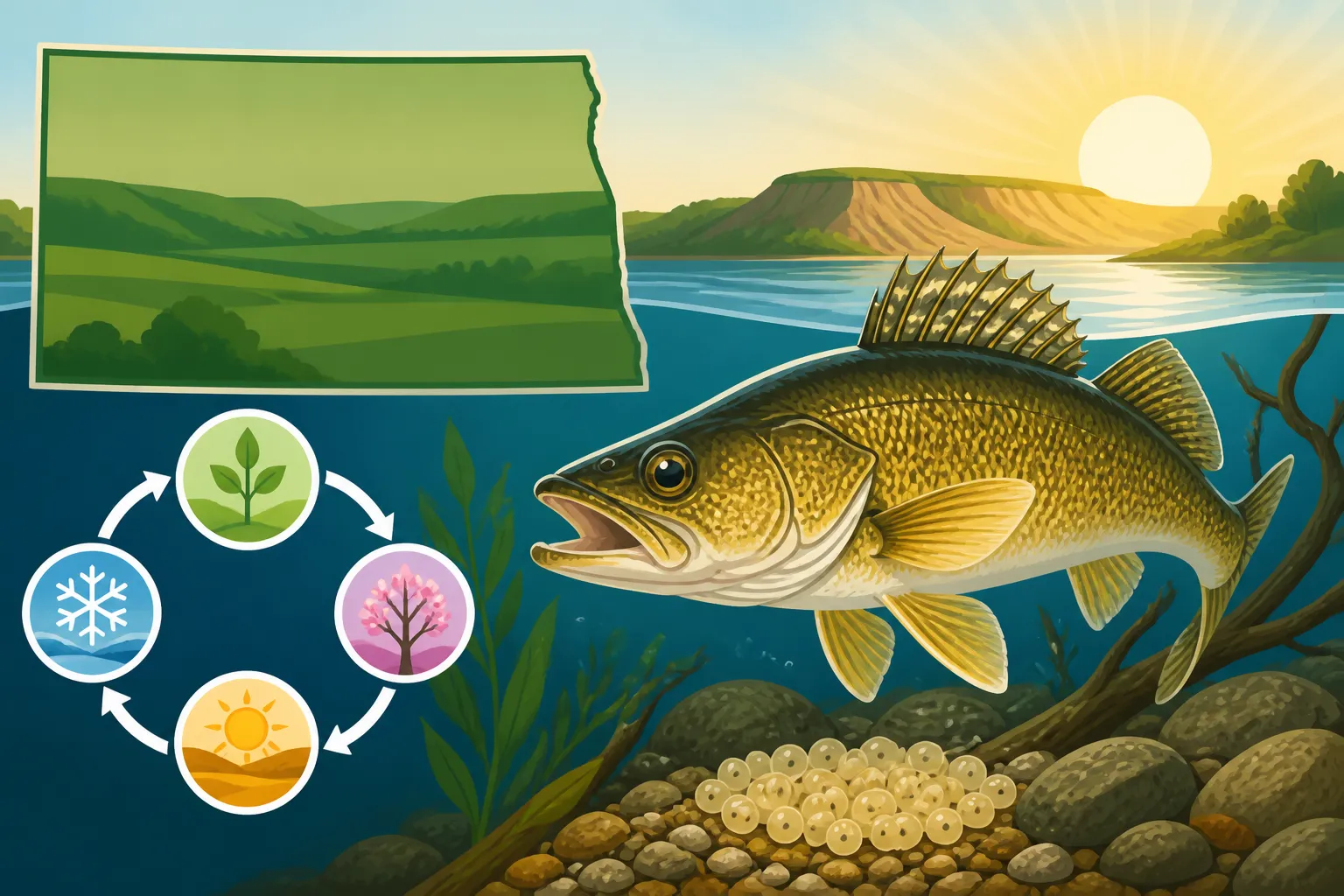
Walleye, those prized members of the perch family, have a fairly predictable spawning cycle driven by environmental cues, even if the exact dates shift from year to year. For North Dakota anglers, understanding this cycle is key to not only respecting the fish during a critical time but also for knowing when the pre-spawn and post-spawn bites might be at their hottest. It’s a delicate balance of biology and meteorology, deeply rooted in the seasonal changes across our vast landscape.
The Crucial Role of Water Temperature
If there's one factor that dictates the walleye spawn, it's water temperature. Walleye are quite particular, preferring a specific range to lay their eggs successfully. They're not just looking for a warm day; they need consistent water temperatures to signal that it's truly time to reproduce.
Typically, walleye in North Dakota will begin their spawning rituals when water temperatures consistently hold between approximately 42 to 50 degrees Fahrenheit (5 to 10 degrees Celsius). This is the magic window. When the water is colder, they'll hold off, staging in deeper areas nearby. If there's a sudden warm-up, they might move in, but a cold snap can send them right back out again. Think of it like Goldilocks: not too cold, not too warm, but just right. This temperature dependency is why you'll find the spawn happening at slightly different times in different parts of the state or even in different lakes within the same region. A shallow bay might warm up faster than the main body of a large reservoir.
North Dakota's climate, with its dramatic swings from harsh winters to rapidly warming springs, directly influences when these temperature thresholds are met. An early, mild spring can mean the spawn kicks off in late April, while a prolonged cold spell, or even late-season snow and ice, can push it well into May. It's a game of patience and observation for us anglers. Checking the local water temperatures at your favorite fishing spots, perhaps with a reliable thermometer from Amazon, becomes a crucial part of your spring fishing strategy, far more valuable than simply looking at a calendar date.
Timing the Spawn: It's Not a Calendar Date
This might be the hardest lesson for many enthusiastic anglers: you can't mark the walleye spawn on your calendar with a red X. Unlike some events, it doesn't happen on April 15th every year, or May 1st, regardless of what the weather is doing. It’s an organic process, entirely dictated by nature's rhythm, primarily driven by those water temperatures we just talked about.
In North Dakota, the walleye spawn generally unfolds from late April through mid-May, but this is a broad generalization. On massive bodies of water like Lake Sakakawea or Devils Lake, the spawn might start earlier in shallower, protected bays and then progress to deeper, more exposed areas as the entire lake warms up. In smaller lakes or rivers, the process might be quicker and more condensed. An ice-out that happens unusually early in a given year will likely trigger an earlier spawn, assuming the temperatures remain stable enough for the walleye to commit. Conversely, a late ice-out and a slow-to-warm spring will push everything back.
This variability means that savvy anglers need to be adaptable. Instead of planning a trip for a specific weekend months in advance hoping to hit the spawn, it’s often more effective to monitor conditions as spring progresses. Talking to local bait shops, checking online fishing reports, or observing water temps yourself are far more reliable methods than relying on a fixed date. The window for the prime pre-spawn and post-spawn bites can be relatively short, so staying informed about current conditions is paramount.
Key Environmental Factors Influencing the Spawn
Beyond the primary driver of water temperature, several other environmental factors play significant roles in when and where walleye choose to spawn in North Dakota. These elements can fine-tune the timing and even dictate the success of a given spawning season, ultimately affecting the walleye population for years to come. Understanding these nuances helps us appreciate the complexity of their life cycle.
Impact of Water Levels and Flow
Water levels and flow rates are critical, especially in river systems like the Missouri River and its tributaries, or even in lakes with fluctuating levels due to precipitation or dam management. Walleye are broadcast spawners, meaning they simply release their eggs and milt into the water over suitable habitat. They don't build nests or guard their eggs. This makes them highly dependent on stable conditions after spawning to ensure the eggs survive.
In riverine environments, increased current due to heavy runoff or dam releases can be detrimental, potentially washing eggs away or silting them over before they can hatch. Conversely, too little flow might mean traditional spawning grounds become stagnant or dry up. For reservoir systems like Lake Sakakawea or Lake Oahe, fluctuating water levels can expose prime spawning grounds or inundate areas that were previously too shallow. If water levels drop significantly after spawning, eggs laid in shallow areas might be left high and dry, leading to a poor hatch. The ideal scenario is stable or slowly rising water levels during and immediately after the spawn, allowing eggs to incubate without disturbance. This is particularly important for species like walleye, where the eggs stick to rocks and vegetation. North Dakota Fishing Season Dates and Limits are often set to protect these critical spawning periods.
The Role of Daylight and Photoperiod
While water temperature often gets the most attention, the increasing length of daylight, or photoperiod, acts as a more subtle, yet equally important, biological clock for walleye. As the days grow longer in spring, this change in light duration signals to the fish that the reproductive season is approaching. It’s an evolutionary trigger that primes their bodies for spawning.
The photoperiod works in conjunction with water temperature. The increasing daylight tells the walleye's body to start producing hormones and preparing for the spawn, while the water temperature then provides the final, immediate cue for the actual egg release. So, even if there's an unusual warm spell in late winter, walleye aren't likely to spawn prematurely because the daylight hours haven't reached the necessary threshold. Conversely, if water temperatures are stubbornly cold despite long days, the spawn will be delayed until the temperature catches up to the biological readiness triggered by daylight. It’s a sophisticated system that ensures the walleye spawn occurs under optimal, consistent conditions, rather than being fooled by a fleeting warm front.
Preferred Spawning Habitats
Walleye don't just spawn anywhere; they have very specific preferences for their spawning habitat. This is where you'll often find them aggregating before the main event. They are looking for areas that offer firm, clean substrate where their sticky eggs can adhere and oxygenated water can flow over them, aiding development.
In North Dakota's vast lakes and rivers, these preferred habitats typically include:
- Rocky Reefs and Shoals: These natural formations, often found on major lakes like Lake Sakakawea or Devils Lake, provide ample rock and gravel for eggs to attach. The wave action and currents over these areas help keep the eggs oxygenated and free from silt.
- Riprap and Shoreline Armor: Human-made structures like dam faces, bridge abutments, and causeways often feature riprap – large rocks used to prevent erosion. These areas mimic natural rocky reefs and become prime spawning grounds, particularly in larger reservoirs.
- Gravel Bottoms: Areas with clean gravel are highly sought after. This could be in shallower bays, along points, or in river stretches where the current keeps the bottom clear.
- Tributaries and River Inflows: Many walleye, particularly those in larger lake systems, will migrate upstream into inflowing rivers or significant creeks to spawn. The current in these areas provides excellent oxygenation for the eggs, and the gravel or rocky bottoms are ideal. The Red River, for instance, is a classic example of a river system where walleye will undertake significant spawning runs.
Knowing these preferred habitats is crucial for anglers. While you should avoid disturbing active spawning beds, understanding these areas helps locate where walleye will stage before the spawn or where they'll recover and begin feeding again shortly after. North Dakota Walleye Size Limit Rules and other regulations are often designed to manage fish populations around these critical areas.
What Happens During the Walleye Spawn?
The walleye spawn is an intense, energy-consuming event that marks a pivotal moment in their annual cycle. For anglers, recognizing the phases of this process can help you understand fish behavior, when they're most vulnerable, and when it's best to leave them be. It's not a single, prolonged period, but rather a sequence of distinct behaviors.
Pre-Spawn Aggregation and Movement
Before the actual spawning begins, walleye undergo significant movements. As water temperatures slowly climb and daylight lengthens, mature walleye, especially the larger females, start migrating from their deeper wintering grounds towards shallower spawning areas. This is often referred to as the "pre-spawn staging." They're not actively spawning yet, but they're gathering in large schools, waiting for the water to reach that optimal temperature window.
During this pre-spawn period, walleye are often found in transition zones – areas where deep water quickly gives way to shallower structure, or at the mouths of bays and tributaries leading to spawning grounds. They are still actively feeding, trying to pack on energy reserves for the strenuous spawning process ahead. This is often one of the most anticipated times for anglers, as large numbers of hungry walleye can be concentrated in predictable locations. They might be aggressive, hitting a variety of baits as they fatten up. Knowing where these staging areas are in lakes like Lake Sakakawea or Devils Lake can make all the difference for a successful early-season outing. How Fishing Seasons Vary by Species in North Dakota often align with these biological events.
The Act of Spawning Itself
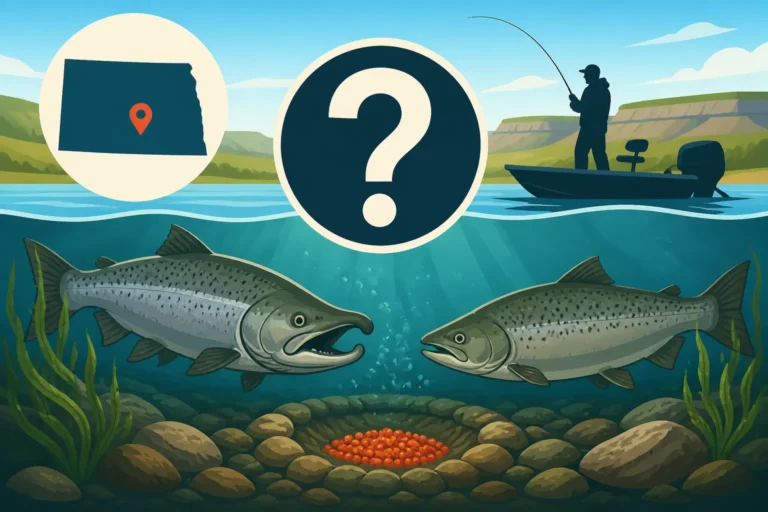
When water temperatures hit that sweet spot of 42-50°F (5-10°C) and the photoperiod is right, the actual spawning begins. This is typically a nocturnal affair, with walleye moving onto rocky reefs, riprap, or gravelly shoals under the cover of darkness. Females, often accompanied by multiple smaller males, will broadcast their sticky eggs into the water, while the males simultaneously release their milt to fertilize them. There's no nest building, no parental care – the eggs are left to adhere to the substrate and develop on their own.
The act of spawning itself is incredibly intense but relatively short-lived for any individual fish, lasting only a few nights for a female to release all her eggs. While thousands of walleye might be in an area actively spawning, they are often less interested in feeding during this peak activity. Their entire focus is on reproduction. For this reason, fishing during the absolute peak of the spawn can often be difficult, as the fish are preoccupied. More importantly, it's a sensitive time for the species, and many anglers choose to give the fish space to complete their critical task without added pressure. It's a testament to responsible angling to respect these natural cycles.
Post-Spawn Recovery and Dispersal
Once the spawning is complete, both male and female walleye enter a recovery phase. Females, having expended a tremendous amount of energy, will often retreat to slightly deeper water to rest and recuperate. They are typically lethargic and reluctant to bite immediately after spawning. Males, on the other hand, often hang around the spawning areas for a bit longer, sometimes guarding remaining eggs (though not actively nurturing them) and potentially engaging in some residual spawning activity.
As they recover, walleye begin to disperse from the concentrated spawning grounds and start looking for food to replenish their depleted energy reserves. This "post-spawn bite" can be just as strong, if not stronger, than the pre-spawn period, as the fish are hungry and need to feed heavily. They’ll start moving towards traditional summer feeding areas, often along weed lines, deeper breaks, or structural elements where baitfish are abundant. The timing of this post-spawn movement is also dictated by water temperature, with warmer waters encouraging faster recovery and a more active bite. Understanding this dispersal pattern is key to transitioning your fishing strategy from targeting staging areas to finding hungry, recovering fish. North Dakota Walleye Fishing Guide will often detail these seasonal patterns.
Fishing Considerations During the Spawning Period
Fishing during the walleye spawning period is a nuanced topic that combines understanding fish behavior with adhering to ethical practices and local regulations. While the peak of the spawn might not be the best time for catching, the periods immediately before and after can be incredibly productive, provided you approach it thoughtfully.
Ethical Angling and Regulations
Responsible angling during the walleye spawn is not just about following the rules; it's about respecting the fish and ensuring a healthy fishery for the future. Walleye are highly vulnerable when they are concentrated on spawning beds. Repeatedly catching and releasing fish directly off active beds can cause stress, interrupt spawning, and potentially reduce reproductive success.
Before you even think about hitting the water in spring, it is absolutely essential to check the most current North Dakota Fishing Regulations Explained published by the North Dakota Game and Fish Department. These regulations are designed to protect fish populations during critical periods. While North Dakota does not typically have a closed season for walleye during the spring spawn (unlike some other states), there might be specific slot limits, daily possession limits, or even special regulations on certain bodies of water that become particularly important during this time. For example, some areas might have restrictions on gear or methods to reduce pressure on spawning fish. Make sure you're aware of any updates to North Dakota Fishing License Guide requirements, as well.
Practicing catch-and-release with care, especially for large female walleye, is a great way to contribute to conservation. Use appropriate gear to land fish quickly, minimize handling time, and release them gently back into the water. Consider using single, barbless hooks to reduce harm if you intend to release fish.
Locating Pre-Spawn and Post-Spawn Walleye
Even if you choose to avoid fishing during the absolute peak of the spawn, the pre-spawn and post-spawn periods offer fantastic opportunities for catching walleye in North Dakota. The key is knowing where to find them as they transition.
Pre-Spawn Walleye: These fish are staging and feeding heavily to build energy. Look for them in:
- Transition Zones: Areas where deeper water (20-30 feet) meets shallower breaks leading to traditional spawning grounds (5-15 feet). Points, humps, and the edges of channels are prime spots.
- Mouths of Tributaries/Bays: Walleye will often stack up in the slightly warmer water at the mouths of inflowing creeks or shallow bays before moving further in to spawn.
- Deep Edges of Riprap/Rocks: They might be holding just off the main spawning structure, waiting for the water temperature to climb.
Techniques like slow trolling with crankbaits or blade baits, jigging with minnows or plastics, or even using a slip bobber with live bait can be highly effective during this period. Remember, they’re hungry, but they might still be a bit sluggish in colder water. Early Spring Walleye Techniques in North Dakota can provide more in-depth strategies for this time.
Post-Spawn Walleye: After the spawn, walleye are hungry and moving. While the initial few days post-spawn might be slow, they quickly become active feeders again.
- Near Spawning Areas: Males, and some females, might linger near the spawning grounds for a short time before dispersing.
- First Available Feeding Structures: As they recover, walleye will move to the nearest food sources. This could be early green weed lines, submerged wood, or areas with abundant baitfish in slightly deeper water than the spawning grounds.
- Warm Water Bays: Warmer, food-rich bays can attract recovering walleye looking to replenish energy.
Jigging, casting crankbaits, or even vertical jigging can work well as fish begin to feed aggressively again. It's often during the post-spawn that some of the largest walleye are caught, as the females have recovered and are on a serious hunt for food.
Here's a quick look at the typical conditions for walleye spawning:
| Condition | Typical Range / Description | North Dakota Timing | Key Driver | Fishing Implications |
|---|---|---|---|---|
| Water Temp | 42-50°F (5-10°C) | Late April – Mid-May (varies annually) | Primary Trigger | Pre-spawn bite before this range, post-spawn after. |
| Daylight | Increasing length (Spring Equinox onwards) | Builds from March through May | Biological Readiness | Primes fish, but temp is final trigger. |
| Habitat | Rocky reefs, riprap, gravel, tributaries | Found in lakes like Sakakawea, Devils Lake, Missouri River | Egg Adhesion & Oxygenation | Locate these areas for pre/post-spawn staging. |
| Water Flow | Stable to slowly rising | Varies by system (dams, runoff) | Egg Survival | Too much flow can hurt egg survival; too little exposes. |
| Duration | 1-2 weeks for main spawn (individual fish: 2-3 nights) | Concentrated, but shifts based on conditions | Reproductive Cycle | Active spawning is usually poor for fishing. |
Disclaimer
This article is for general informational purposes only and does not constitute professional advice. Laws, prices and regulations vary by location and change over time. Consult a qualified professional for guidance on your specific situation.