How Fast Do Chinook Salmon Grow in Lake Sakakawea?
It’s a natural question for any angler who loves chasing the mighty Chinook salmon on Lake Sakakawea: just how fast do these incredible fish grow? You put in the time, you scout the spots, and you dream of that trophy catch, so understanding their growth cycle gives you a huge advantage and a deeper appreciation for this unique fishery. This guide will dive deep into the fascinating world of Chinook salmon growth in North Dakota's big lake, helping you understand what makes them tick and what to expect when you hook into one.
Understanding Chinook Salmon in Lake Sakakawea
Chinook salmon are not native to North Dakota, making their presence in Lake Sakakawea a testament to a successful stocking program. These are Pacific salmon, and their adaptation to a vast freshwater reservoir like Sakakawea is truly remarkable. When we talk about their growth, it’s not just about the fish itself, but also the entire ecosystem that supports it.
The Stocking Program's Role
The journey of a Lake Sakakawea Chinook salmon almost always begins in a hatchery. The North Dakota Game and Fish Department meticulously manages a stocking program that ensures a healthy population thrives in the lake. They bring in eggs, raise the salmon in controlled environments, and then release them into the vast waters of Lake Sakakawea. This initial controlled environment plays a critical role in their early survival and sets the stage for their growth in the wild. If you're curious about the specifics, you can often find details on Chinook Salmon Stocking Numbers in North Dakota.
Think of it like raising a garden. You prepare the soil, plant the seeds, and nurture the seedlings before they face the elements. The hatchery does much the same for these salmon, giving them a fighting chance. Without this consistent stocking, a self-sustaining population would be incredibly difficult, if not impossible, to maintain in this landlocked environment. The hatchery staff work tirelessly to provide optimal conditions for these young fish, ensuring they reach a certain size and health before being introduced to their new home. This careful management is why anglers can enjoy such a fantastic Chinook fishery in a place so far from the ocean.
Initial Growth in the Hatchery
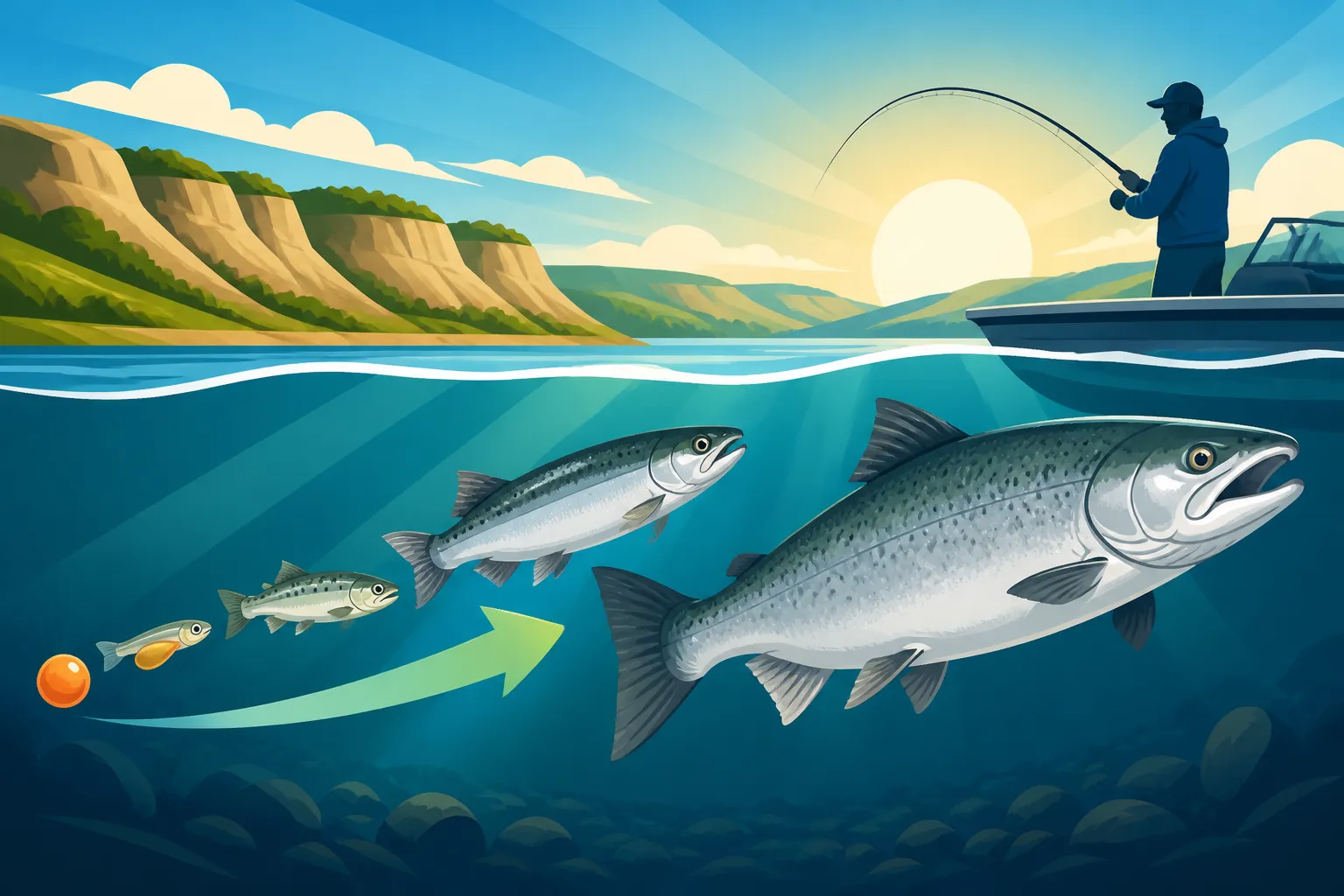
Before they ever touch the waters of Lake Sakakawea, Chinook salmon spend their crucial early days, sometimes up to a year or more, growing in a hatchery. Here, they are fed a consistent, high-protein diet designed for rapid, healthy development. This controlled environment protects them from predators, disease, and the variable food sources they'd face immediately in the wild. They grow from tiny fry to robust fingerlings or even smolts, developing the strength and instincts needed to survive in a large reservoir.
During this hatchery phase, their growth is incredibly efficient. They pack on weight quickly, converting food into muscle and bone at an impressive rate. This head start is paramount. A salmon released at a larger size has a much better chance of escaping predators, competing for food, and navigating the vastness of Lake Sakakawea. It's a bit like sending a teenager off to college after a good foundational education – they're much better equipped to handle the challenges ahead. This initial period of accelerated growth is a major reason why Lake Sakakawea can produce such impressive salmon.
Factors Influencing Growth Rates in the Wild
Once these salmon are released into Lake Sakakawea, their growth rate becomes a dynamic process influenced by a multitude of environmental factors. It's not a steady march, but rather a dance with nature's unpredictable rhythms. Some years are boom years for growth, others less so, and understanding why helps us appreciate the complexity of this unique fishery.
Forage Base Availability (Smelt!)
The single most critical factor determining how fast Chinook salmon grow in Lake Sakakawea is the availability of their primary food source: rainbow smelt. Smelt are a small, oily fish, absolutely packed with the calories and nutrients that salmon need to thrive and put on weight quickly. Without a robust smelt population, salmon growth can slow considerably.
Imagine trying to build muscle without enough protein – it's just not going to happen effectively. The same goes for these salmon. A booming smelt population means the salmon have an abundant, easy-to-catch, high-energy food source. They can expend less energy hunting and more energy growing. Conversely, if smelt numbers dip, salmon have to work harder, travel further, and may not find enough to eat, leading to slower growth and potentially smaller fish. Anglers often pay close attention to the health of the smelt population, as it directly impacts the quality of the salmon fishing. You'll hear discussions about the health of the forage base, because it’s truly the engine that drives salmon growth in the lake.
Water Temperature and Oxygen Levels
Like all fish, Chinook salmon are cold-blooded creatures, meaning their metabolism, and therefore their growth rate, is heavily influenced by water temperature. They thrive in colder waters, typically preferring temperatures in the 40s and 50s Fahrenheit. Lake Sakakawea, being a deep, expansive reservoir, provides this thermal refuge, especially in its deeper sections. However, extreme fluctuations can impact them.
During hot summer months, if the cold water layer (the thermocline) that contains adequate oxygen shrinks or becomes too deep, salmon can become stressed. They might expend more energy searching for suitable habitat rather than focusing on feeding and growth. Similarly, sufficient dissolved oxygen is crucial. Cold water holds more oxygen, which is why those deep, cool zones are so important. If oxygen levels drop in their preferred temperature range, it can be detrimental to their health and growth. These environmental variables are constantly shifting, and the salmon must adapt, which can sometimes come at the cost of rapid growth. A good fish finder, perhaps one you picked up from a place like Amazon, can help you locate these critical temperature and oxygen zones where salmon are most comfortable and actively feeding.
Genetic Potential and Strain
While environmental factors are huge, we can't forget about genetics. Just like people, individual fish within a species can have different growth potentials. Some might be genetically predisposed to grow larger and faster, while others might mature at a smaller size. This is also influenced by the specific strain of Chinook salmon being stocked. Different strains can have slightly different inherent growth rates, size potentials, and even behavioral patterns.
The North Dakota Game and Fish Department carefully selects the strains of Chinook salmon for their stocking program, often choosing those that have shown good success in similar freshwater environments. However, even within a carefully selected strain, there will be natural variation. While every salmon released has the potential to grow into a good fighting fish, not every single one will reach "trophy" proportions, regardless of how much smelt it eats. It’s part of the natural diversity that makes fishing so engaging.
Typical Growth Trajectories in Lake Sakakawea
So, what does this all mean for the actual size of the salmon you might catch? Chinook salmon in Lake Sakakawea generally exhibit impressive growth rates, especially in their early years, thanks to the rich forage base and the sheer size of the lake. It's a fishery that can produce some truly magnificent fish.
Year-by-Year Size Expectations
When Chinook salmon are released into Lake Sakakawea, they are typically small, perhaps just a few inches long. But give them a good year in the lake with plenty of smelt, and they transform rapidly.
- Year 1 (After Stocking): By the end of their first full year in Lake Sakakawea, these salmon can reach lengths of 12 to 18 inches and weigh a pound or two. This is a period of very fast growth, as they capitalize on the abundant food and relatively lower competition.
- Year 2: Entering their second year, growth continues to be strong. Many salmon will be in the 20 to 25-inch range, weighing 4 to 8 pounds. This is when they start to really become formidable opponents on the end of a line.
- Year 3: This is often a prime year for larger fish. Many Chinooks will hit the 25 to 30-inch mark, with weights anywhere from 8 to 15 pounds, sometimes even more if conditions are exceptional. These are the fish that really test your tackle and your angling skills. You might want to check out some specialized trolling gear on Amazon for these big ones.
- Year 4 and Beyond: While some salmon may survive into a fourth year, their numbers tend to thin out. Growth also slows somewhat, but these older fish are the ones that have the potential to become true giants. A 4-year-old salmon could easily exceed 15 pounds and push towards or even over 20 pounds, truly earning the title of a "trophy" fish.
It’s important to remember these are averages and depend heavily on the specific conditions of each year, particularly the abundance of smelt. A phenomenal smelt year will see salmon pushing the upper limits of these estimates, while a lean year might see them on the lower end. Understanding these patterns can help you anticipate the size of fish you might encounter during different seasons and fishing conditions.
How Long Until "Trophy" Size?
The term "trophy size" can be a bit subjective, but for many anglers on Lake Sakakawea, a Chinook salmon in the double-digit weight range (10 pounds and up) certainly qualifies. Based on the typical growth trajectories, you're generally looking at salmon that have spent at least three full years in Lake Sakakawea to reach this impressive size.
While some exceptionally fast-growing fish might sneak into the double digits by late in their second year, the sweet spot for consistent trophy potential is usually during their third and fourth years. These older, larger fish have had ample time to gorge on smelt, build significant muscle mass, and develop into powerful fighters. Targeting these trophy-sized salmon often involves understanding their seasonal movements and preferred depths, which can change as they grow larger and become more discerning predators. Learning about Chinook Salmon Trolling on Lake Sakakawea will definitely give you an edge in pursuing these bigger fish.
What Anglers Can Expect and Look For
When you're out on Lake Sakakawea, whether you’re a seasoned veteran or new to salmon fishing, knowing what to look for can enhance your experience and success. The health and vigor of the salmon population are always top of mind for those who love this fishery.
Identifying Healthy, Fast-Growing Salmon
A healthy, fast-growing Chinook salmon from Lake Sakakawea is a sight to behold. These fish typically exhibit a vibrant, silvery sheen, often with a darker back and spots along their body. They'll feel incredibly solid and muscular when you handle them, indicating a good diet and active life in the lake. Their fins should be intact and robust, not frayed or damaged, which is another sign of good health.
When you clean them, the flesh of a healthy Chinook is often a rich, deep orange or red color, a direct result of their diet of smelt and the carotenoids they consume. This vibrant color is not only visually appealing but also a strong indicator of their nutritional intake and overall well-being. A fish that looks pale or feels soft might indicate it hasn't been feeding as aggressively or has been under some environmental stress. Looking for these signs helps you appreciate the quality of the fish you're catching and the health of the fishery. If you're planning on keeping your catch, knowing how to properly Best Fillet Knives for Walleye and Pike can also apply to these beautiful salmon.
The Importance of Selective Harvest
While it's exciting to catch a big salmon, practicing selective harvest is incredibly important for maintaining a healthy and sustainable fishery on Lake Sakakawea. The Chinook salmon fishery relies on a continuous stocking program, and allowing some of the larger, older fish to complete their life cycle (even though they don't reproduce naturally in the lake) ensures that the genetic material for the next generation of hatchery-raised fish is robust.
What does selective harvest mean in practice? It means keeping fish that are good eating size but perhaps releasing some of the smaller ones to grow bigger, or even releasing truly exceptionally large, older fish that are nearing the end of their lifespan anyway. It's about being mindful of your impact and contributing to the long-term health of the resource. Regulations often include specific length and daily limits, which you can find in the North Dakota Fishing Regulations Explained guide, but responsible anglers often go a step further. Investing in proper catch-and-release tools, like a good quality net or hook remover (you can find plenty of options on Amazon), helps ensure that released fish have the best chance of survival. By thinking beyond just filling the cooler, we all play a part in preserving this incredible North Dakota fishing experience.
| Age (Years in Lake) | Typical Length Range (Inches) | Typical Weight Range (Pounds) | Notes |
|---|---|---|---|
| 1 | 12 – 18 | 1 – 2 | Rapid initial growth. |
| 2 | 20 – 25 | 4 – 8 | Strong fighters, good eating size. |
| 3 | 25 – 30 | 8 – 15+ | Prime trophy potential. |
| 4+ | 30+ | 15 – 20+ | True trophy fish, less common. |
Disclaimer
This article is for general informational purposes only and does not constitute professional advice. Laws, prices and regulations vary by location and change over time. Consult a qualified professional for guidance on your specific situation.