Best Insulated Ice Shelter for Extreme Cold
Battling North Dakota's brutal winter winds and freezing temperatures on the ice can make or break a fishing trip. You want to stay out there longer, chasing those walleye and perch, but shivering in a flimsy shelter just won't cut it. This guide is all about finding the best insulated ice shelter designed to keep you warm and comfortable, even when the mercury plummets to truly extreme cold, ensuring your time on the hard water is productive and enjoyable.
Why Insulation is Non-Negotiable for North Dakota Ice Fishing
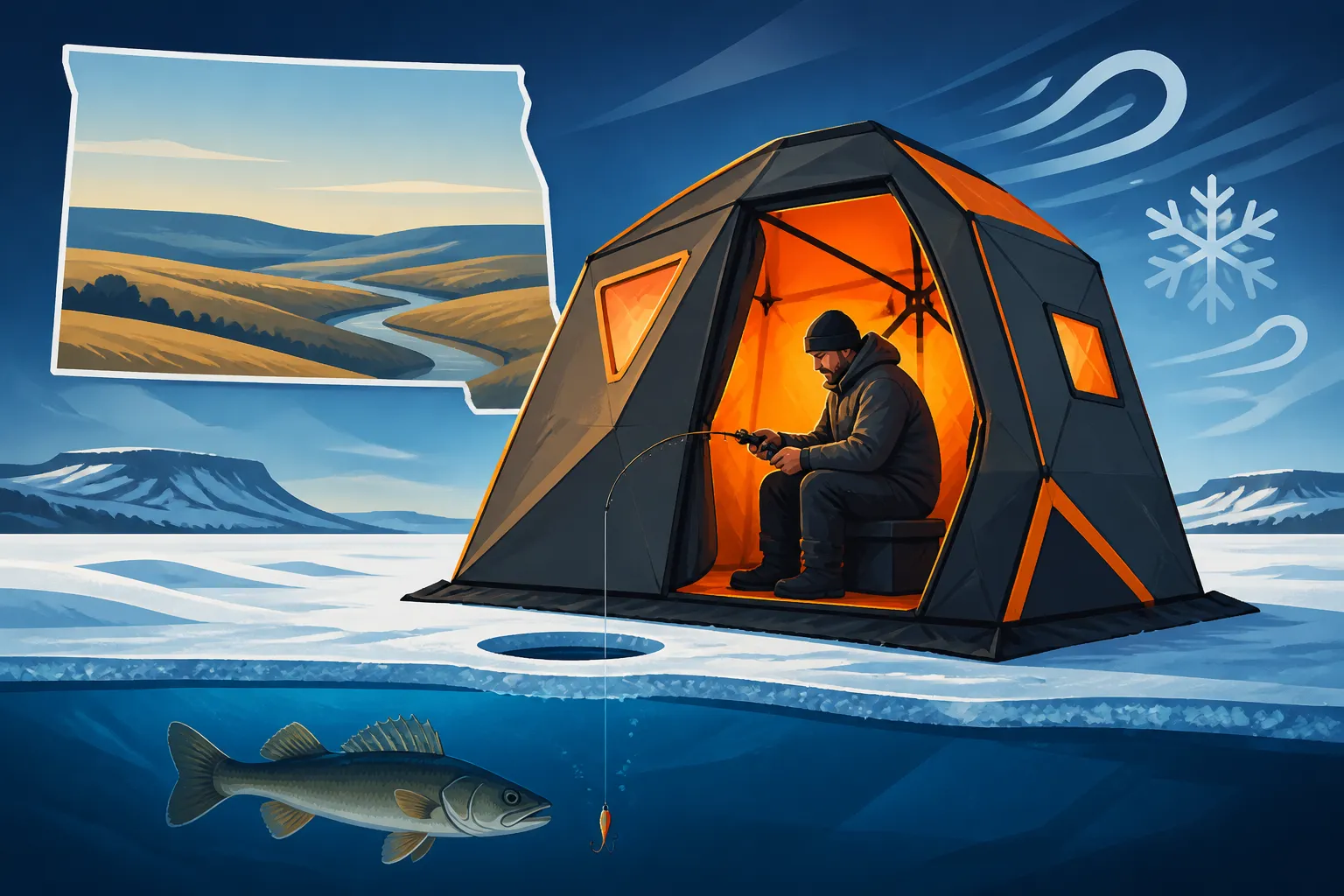
When you're out on a frozen North Dakota lake, whether it's the vast expanse of Lake Sakakawea or a smaller, more intimate spot in the Turtle Mountains, the weather can turn fierce in an instant. A sunny, crisp morning can quickly become a white-knuckle experience with howling winds and plummeting temperatures. In these conditions, having a well-insulated ice shelter isn't just about comfort; it's about extending your fishing time, enhancing your safety, and making the entire experience enjoyable.
Battling the Bitter Cold and Wind Chill
North Dakota winters are legendary for their extreme cold. We're talking about days where the actual air temperature dips well below zero, and the wind chill can make it feel downright dangerous. A non-insulated shelter, or one with minimal insulation, acts more like a windbreak than a true sanctuary. It might block the direct wind, but the fabric itself offers little thermal resistance, allowing radiant heat loss and convection to quickly steal any warmth generated by a small heater. You'll find yourself constantly battling the cold, bundled up to the point of discomfort, and your hands will be freezing every time you re-bait a hook or handle a fish. This is where a truly insulated shelter shines, creating a significant barrier against the cold.
Think about standing on Devils Lake on a day when it's -10°F with a 20 mph wind. That wind chill plunges to an agonizing -35°F. In a single-layer, non-insulated shelter, you might feel a slight reprieve from the direct wind, but the walls will be almost as cold as the outside air, radiating that chill right back at you. Your heater will be working overtime, struggling to make any noticeable difference. An insulated shelter, however, will have multiple layers of fabric with an air gap or a thermal layer in between, significantly slowing the transfer of cold from the outside in. This means your heater works more efficiently, maintaining a much more comfortable internal temperature, allowing you to focus on the bite rather than your frozen fingers. It truly makes a world of difference for your stamina and overall well-being out on the ice.
Extending Your Time and Enhancing Comfort on the Ice
Let's be honest, part of the allure of ice fishing is staying out there as long as possible, waiting for that next flag to fly or for the fish finder to light up. But when you're cold, that desire quickly fades. A quality insulated shelter allows you to extend your time on the ice considerably. Instead of retreating after a few hours, you can settle in for a full day, or even an overnight trip, truly immersing yourself in the experience.
Imagine setting up your shelter early in the morning, before the sun has even thought about rising, and feeling a cozy warmth inside, even as you hear the wind howling outside. This comfort translates directly into more enjoyable and productive fishing. You're not distracted by shivering; you're focused on your rod tip. You can take off bulky gloves to tie knots or handle delicate lures without immediately freezing your hands. For families, especially with kids, insulation is paramount. Trying to keep little ones warm in a subpar shelter is a losing battle, often cutting short what should be a fun outing. An insulated shelter provides that crucial environment where everyone can relax and enjoy the unique experience of How to Ice Fish in North Dakota for longer periods. It means more memories made and fewer complaints about the cold.
Understanding the Different Insulated Ice Shelter Styles
When you're looking for an insulated ice shelter, you'll primarily encounter two main styles: pop-up shelters and flip-over shelters. Both offer distinct advantages and disadvantages, and the "best" choice often comes down to your personal fishing style, how many people you typically fish with, and your priorities for mobility versus space and ease of setup. Regardless of style, the insulation itself is key to their performance in extreme cold.
Pop-Up Insulated Ice Shelters
Pop-up shelters are incredibly popular due to their spacious interiors, ease of transport, and relatively quick setup once you get the hang of it. These shelters typically come in a bag and, once removed, "pop" out into a cubical or hexagonal shape by extending integrated poles. The insulation in these models is usually integrated directly into the fabric walls, roof, and sometimes the skirting. Many modern pop-up shelters feature multi-layer fabrics, often with a dark outer layer to absorb solar heat, a reflective inner layer to retain heat, and a synthetic batting in between to create insulating air pockets.
The biggest draw for pop-ups in extreme cold is often the sheer volume of warm air they can enclose. You can get pop-up shelters large enough for 4-8 people, providing ample space for everyone, their gear, and a substantial heater. This generous space means you're not bumping elbows, and there's plenty of room to spread out. Setting them up on uneven ice or in deep snow is also often easier than flip-overs, as they don't rely on a sled base. However, while setup is generally quick, securing them firmly with ice anchors in high winds is absolutely crucial. For those who like to set up a base camp for a day or even a weekend, and are less concerned with moving every hour, a large insulated pop-up, readily available from retailers like Bass Pro Shops or online marketplaces such as Amazon, can be an excellent choice, providing a true warm haven on the ice.
Flip-Over Insulated Ice Shelters
Flip-over shelters, sometimes called "sled-style" shelters, offer unparalleled mobility and even quicker setup and takedown, making them a favorite for anglers who like to chase the bite and move frequently. These shelters are built onto a sled base, which also doubles as storage for your gear. When you arrive at your spot, you simply "flip" the tent portion over, lock it into place, and you're ready to fish. The insulation quality in flip-overs is just as critical as in pop-ups, with many models featuring fully insulated tent fabrics that are just as robust in their thermal properties.
The key advantage of a flip-over is its integrated design. Everything you need – your heater, auger, rods, tackle, and electronics – can be packed into the sled. This means less packing and unpacking, and a quicker transition from spot to spot. Imagine drilling a few holes, not finding fish, then within minutes collapsing your shelter, dragging it a hundred yards, and flipping it back open. This mobility is invaluable when fish are scattered or when conditions change rapidly. While they generally offer less interior space than a comparably sized pop-up, many models are still comfortable for 1-3 anglers. The sled base provides a stable platform and can often be towed by an ATV or snowmobile, further enhancing mobility. For anglers who value speed, efficiency, and the ability to be constantly on the move, a well-insulated flip-over shelter is often the top contender, proving its worth on the vast, open stretches of North Dakota's frozen lakes. You can often find a great selection of these practical shelters at local sporting goods stores or online at Bass Pro Shops.
Key Features to Look for in an Insulated Shelter
Choosing the best insulated ice shelter for North Dakota's extreme cold goes beyond just picking a style. You need to scrutinize the specific features that contribute to warmth, durability, and overall usability in harsh conditions. Paying attention to these details will ensure your investment provides the comfort and protection you need.
Understanding Insulation Ratings and Materials
Not all insulation is created equal, and understanding the materials used is paramount. The primary goal of insulation in an ice shelter is to trap air, which is a poor conductor of heat. The thicker and more layers of trapped air, the better the insulation performs. Many manufacturers specify the denier (thickness of the fabric) and the number of layers, sometimes even mentioning an "R-value" equivalent for thermal resistance, though this isn't always a standard measurement in ice shelters. Look for shelters that explicitly state "fully insulated" or "thermal" features. This usually means a multi-layer fabric construction, often three layers: an outer layer (usually a tough polyester or nylon for durability), a middle layer of synthetic batting or foam (the true insulating material), and an inner layer.
The color of the exterior fabric can also play a role. Darker colors, like black or dark gray, absorb more solar radiation, which can provide a significant boost in warmth on sunny days, even when it's bitter cold. Conversely, lighter colors might prevent some heat absorption, but their primary function is to block UV rays and wind. Pay close attention to the fabric weight (denier); a higher denier, like 600D or 900D, indicates a more robust and tear-resistant material, crucial for enduring strong North Dakota winds and incidental contact with ice augers or gear. High-quality insulated shelters will feel noticeably thicker and heavier than their non-insulated counterparts. This added material is exactly what makes the difference between shivering and sweating inside your shelter.
Robust Framework and Anchoring Systems
An insulated shelter is only as good as its ability to stand firm against the relentless North Dakota wind. A flimsy framework or inadequate anchoring system will quickly lead to frustration, potential damage, and even safety concerns if your shelter collapses or blows away. Look for shelters with heavy-duty aluminum or fiberglass poles that are strong yet flexible. Aluminum is generally lighter and more rigid, while fiberglass can be more forgiving in extreme cold and impact. The diameter and wall thickness of the poles also contribute significantly to their strength.
Equally important are the anchoring points and the anchors themselves. High-quality shelters will have reinforced anchor points built into the skirting and corners. For pop-ups, you'll need robust ice anchors – the screw-in type are far superior to simple stakes – and a drill adapter makes quick work of securing them. For flip-overs, the sled base itself provides a strong anchor, but additional screw-in anchors for the corners or guy ropes are still a good idea, especially in blustery conditions. A solid skirting around the base of the shelter is also critical. This fabric extension lies flat on the ice, allowing you to pile snow or ice on top to seal out drafts and prevent wind from getting underneath, which can quickly pull heat out of your shelter. Without proper anchoring, even the best insulated shelter becomes a kite in a strong prairie gust. Don't skimp on these features; they are foundational to a safe and warm ice fishing experience, especially on big, exposed lakes. You can often find additional anchors and accessories on Amazon to bolster your setup.
Ventilation and Heater Compatibility
Even in extreme cold, proper ventilation is critical for safety and comfort inside your insulated ice shelter. When you're running a portable heater, especially propane-fueled units, carbon monoxide (CO) can quickly accumulate. This odorless, colorless gas is extremely dangerous and can be fatal. Therefore, look for shelters with multiple, strategically placed vents that can be opened to allow for airflow. These vents should be designed to be adjustable, allowing you to regulate the amount of fresh air coming in while still minimizing heat loss. Many shelters will have roof vents or upper side vents that allow warm, CO-rich air to escape, while lower vents allow fresh air to enter.
Beyond ventilation, consider the specific heater you plan to use. Most insulated shelters are designed to safely accommodate portable propane heaters. Some even have specific pockets or platforms to secure a heater. Always ensure there's adequate clearance between your heater and the shelter fabric to prevent scorching or fire. Carrying a battery-powered carbon monoxide detector is not just a recommendation; it's a non-negotiable safety measure when using a heater in an enclosed space. Finally, think about the access points for propane hoses or electrical cords if you're using a larger heater or electronics. Many shelters will feature zippered or Velcro-sealed ports designed specifically for these purposes, keeping drafts out while maintaining utility. Prioritizing good ventilation and heater compatibility ensures your pursuit of Best Ice Fishing Gear for North Dakota is safe as well as comfortable.
Maximizing Warmth and Longevity for Your Insulated Ice Shelter
Having the best insulated ice shelter is a fantastic start, but to truly get the most out of it in North Dakota's extreme cold, and to ensure it lasts for many seasons, there are some essential practices for setup, use, and maintenance. These tips will help you stay warmer, keep your gear in top shape, and make your time on the ice even more enjoyable.
Strategic Setup and Draft Management
Proper setup is absolutely crucial for maximizing the warmth of your insulated shelter. It's not enough to just "pop" it up or "flip" it over. The first step is to choose your location wisely. Try to find natural windbreaks if available, like a shoreline bank or a stand of trees, but often on large North Dakota lakes, you're out in the open. In such cases, orientation matters. Position your shelter so the prevailing wind hits the most robust side, or the side with the fewest zippers and openings. This minimizes direct wind assault on vulnerable points.
Once positioned, securing the shelter is paramount. For pop-ups, use all available ice anchors, particularly in the corners and mid-points of larger walls. Don't skimp on anchors; a shelter flapping in the wind rapidly loses heat. After securing the main structure, pay close attention to the skirting. This fabric extension around the base should be laid flat on the ice. Then, pile snow, ice chunks, or slush around the entire perimeter of the skirting. This creates a seal that prevents wind from blowing underneath the shelter, which is a massive source of heat loss. Even a small gap can create a constant cold draft that will make your heater work harder and your feet feel perpetually cold. Many experienced anglers bring a small shovel or scoop specifically for this task. A well-sealed shelter, combined with thoughtful placement, forms a much more effective barrier against the biting cold, making your heater much more efficient.
Efficient Heating and Layering Strategies
Even with the best insulated shelter, you'll likely want a portable heater for truly extreme North Dakota conditions. The key is to use it efficiently. Smaller, radiant heaters like those from Mr. Heater are incredibly popular for their portability and effectiveness. Place your heater strategically to distribute warmth throughout the shelter, but always maintain safe distances from flammable materials. As mentioned, always use a carbon monoxide detector, and ensure proper ventilation, even if it means sacrificing a tiny bit of heat. A smart trick is to run your heater on a lower setting to maintain a consistent, comfortable temperature rather than blasting it on high, then turning it off, and repeating. Consistency helps save fuel and prevents large temperature swings.
Beyond the heater, your personal layering strategy is your second line of defense against the cold. While your insulated shelter provides a comfortable environment, you still need to dress appropriately for ice fishing in North Dakota. Think layers: a base layer that wicks moisture away, a mid-layer for insulation (like fleece or wool), and a windproof, waterproof outer layer. What to Wear Ice Fishing in North Dakota isn't just about staying dry; it's about managing your body's heat. Inside the shelter, you might shed your outer layers, but you want to be able to put them back on quickly if you step outside or if the heater unexpectedly runs out of fuel. Also, consider insulated boots and quality gloves. Even if the air inside is warm, direct contact with the cold ice can still draw heat from your feet. Having a floor mat or insulated padding underfoot can also make a surprising difference in overall comfort. This combination of an excellent shelter, efficient heating, and smart personal layering ensures you'll be warm and comfortable for hours on end, even when it's How Cold It Gets Ice Fishing in North Dakota.
Care and Storage for Extended Lifespan
An insulated ice shelter is an investment, and like any good piece of fishing gear, it deserves proper care to ensure it lasts for many productive seasons. The most critical aspect of care is proper drying. After each trip, especially if the shelter got wet from snow, slush, or condensation, it is absolutely essential to fully dry it before packing it away. If you store a damp shelter, it will quickly develop mildew, which not only smells terrible but can also degrade the fabric and insulation over time. Unzip all doors and windows, and either hang it in a garage or basement, or even set it up again in a dry, warm space until every surface is completely dry.
Beyond drying, regularly inspect your shelter for any wear and tear. Check the pole connections for cracks, look for small tears or abrasions in the fabric, and examine zippers for smooth operation. Small tears can often be repaired with a fabric patch kit, preventing them from becoming larger problems. Lubricate zippers periodically with a silicone-based spray to keep them working smoothly. When packing away, try to fold or roll the shelter consistently to avoid stress points in the fabric or poles. Store it in a cool, dry place, away from direct sunlight, which can degrade fabric over time. By taking these simple steps, your insulated ice shelter will be ready to provide reliable warmth and comfort for countless fishing adventures on North Dakota's frozen waters.
| Feature | Pop-Up Insulated Shelter | Flip-Over Insulated Shelter |
|---|---|---|
| Primary Advantage | More interior space, often better for groups | Superior mobility, quick setup/takedown |
| Insulation | Multi-layer fabric walls, roof, skirting | Multi-layer fabric on tent portion, often robust |
| Setup Time | Quick (5-10 min), but requires individual anchoring | Very quick (1-2 min), integrated with sled base |
| Portability | Packs into a bag, carried by hand/sled | Integrated sled base, easily towed by ATV/snowmobile |
| Wind Resistance | Excellent if fully anchored | Excellent due to lower profile and sled base |
| Typical Capacity | 2-8+ anglers | 1-3 anglers |
| Gear Storage | Floor space for gear bags | Sled base stores gear during transport and use |
| Best Use Case | Stationary fishing, larger groups, longer sessions | Mobile anglers, chasing fish, quick moves |
Disclaimer
This article is for general informational purposes only and does not constitute professional advice. Laws, prices and regulations vary by location and change over time. Consult a qualified professional for guidance on your specific situation.