Fishing License Discounts for Disabled Anglers
It can be incredibly disheartening when you're passionate about fishing but face physical challenges that make navigating regulations and obtaining licenses feel like an uphill battle. Many anglers with disabilities in North Dakota worry about the complexities of qualifying for assistance or even knowing what options exist. This comprehensive guide is here to demystify North Dakota's fishing license discounts and provisions for disabled anglers, ensuring you have all the information you need to enjoy the peace and thrill of the state's incredible waters.
Understanding North Dakota's Commitment to Disabled Anglers
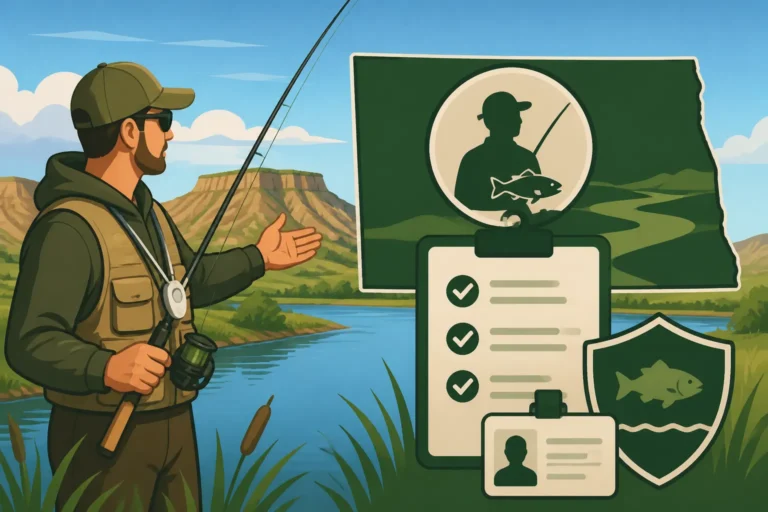
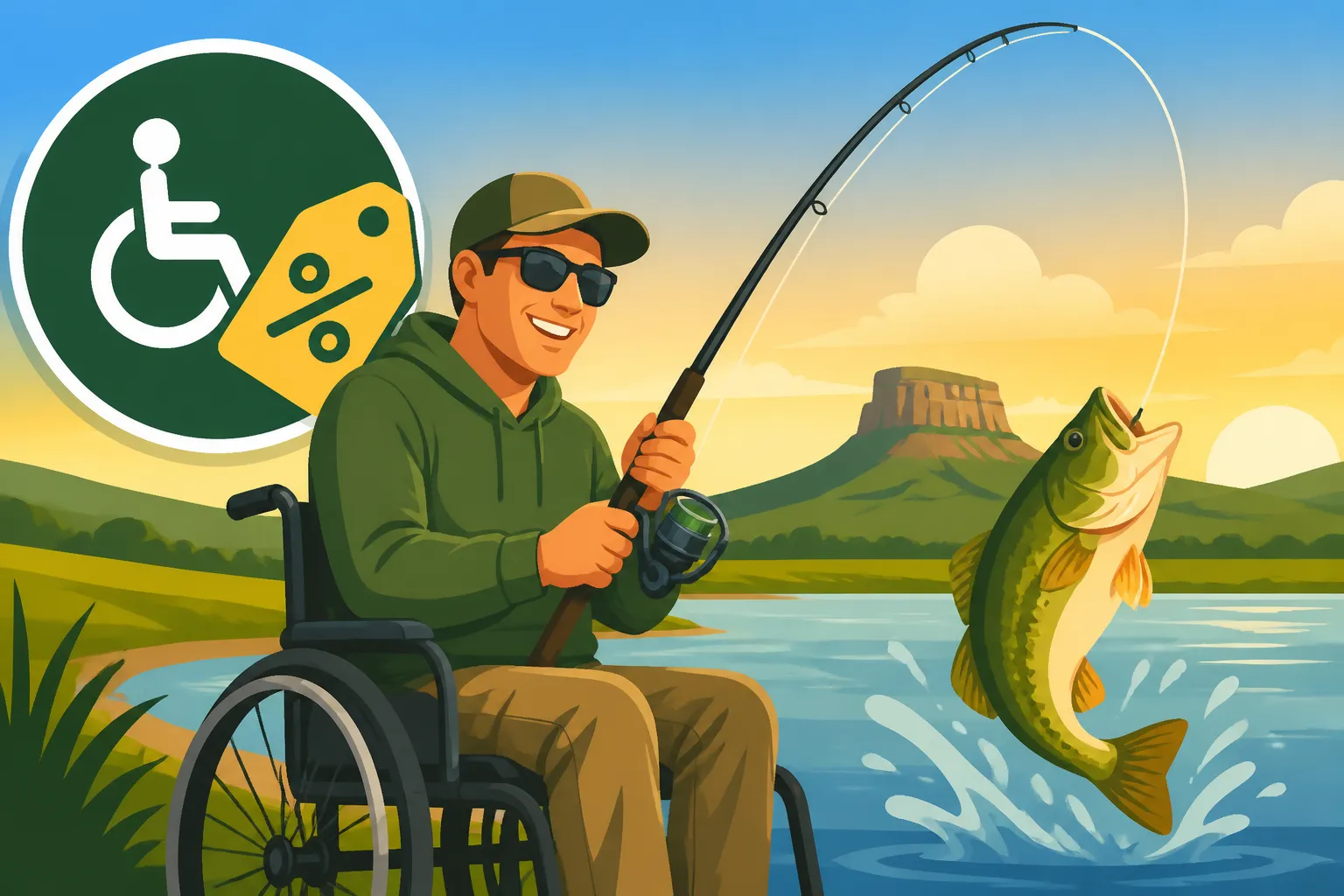
North Dakota truly values its outdoor heritage, and that includes making sure everyone, regardless of physical challenges, has the opportunity to experience the joy of fishing. The North Dakota Game and Fish Department (NDGFD) has specific provisions designed to reduce financial barriers for those with qualifying disabilities, reflecting a strong commitment to inclusivity in our state's recreational activities. It's not just about a discount; it's about fostering a community where everyone can participate in the pastime they love.
The Spirit Behind Inclusive Fishing Opportunities
For many, fishing is more than just a hobby; it's a vital connection to nature, a source of peace, and a way to create lasting memories. When a disability impacts one's ability to easily engage in such activities, it can be profoundly frustrating. North Dakota's programs for disabled anglers are designed to acknowledge these challenges and provide meaningful support. They aim to level the playing field, recognizing the added expenses or logistical hurdles that often come with living with a disability. This thoughtful approach ensures that a passion for angling isn't hindered by circumstance, upholding the belief that the serene waters of Lake Sakakawea or the teeming depths of Devils Lake should be accessible to all. It's about preserving the dignity and independence of every angler.
The NDGFD's commitment goes beyond just issuing a license. It's part of a broader effort to provide resources and opportunities. While the financial relief is certainly a huge help, the underlying message is one of welcome and encouragement, urging individuals who might otherwise feel marginalized to continue pursuing their outdoor passions. This spirit of inclusion helps to strengthen our angling community, reminding us that the shared experience of fishing is what truly binds us together, regardless of our individual abilities.
Defining "Disabled" for North Dakota Fishing Licenses
When we talk about "disabled" for the purpose of a fishing license in North Dakota, it's not a broad, general term. The NDGFD uses specific criteria to determine eligibility for special licenses. Generally, the state focuses on individuals who are "permanently and totally disabled." This often means a condition that substantially limits one or more major life activities and is expected to continue indefinitely, or result in death. It's distinct from a temporary injury or a minor impairment.
For instance, qualifying conditions typically include individuals who are legally blind, have permanent loss of use of a limb (or both limbs), are paralyzed, or have other severe physical impairments that significantly restrict their mobility or ability to perform essential tasks related to fishing. The exact definition is crucial because it dictates who can receive these valuable benefits. It's essential to understand that simply having a disability might not automatically qualify you; the disability must meet the NDGFD's established thresholds for permanent and total impairment, often requiring a medical professional's certification. This ensures that the benefits are directed to those with the most significant and enduring needs.
Navigating Eligibility for Discounted Licenses
Understanding the specific criteria for North Dakota's disabled angler licenses is the first major step. The state offers distinct provisions, particularly recognizing both general permanent disabilities and the unique sacrifices of disabled veterans. Knowing which category you fall into, and what evidence is needed, will streamline your application process significantly.
Specific Criteria for Resident Disabled Anglers
For North Dakota residents who are permanently and totally disabled, the state offers a free fishing license. This isn't just a small discount; it can completely eliminate the annual license fee, making fishing much more affordable. However, it's vital to grasp the "permanently and totally disabled" aspect. This isn't for a broken leg that will heal or a temporary illness. The NDGFD is looking for long-term, significant impairment.
Examples of qualifying disabilities for this free resident license include:
- Legal Blindness: A severe visual impairment that prevents normal sight even with corrective lenses.
- Paralysis: Complete or partial loss of muscle function, often affecting mobility or the use of limbs.
- Permanent Loss of Use of a Limb: This means the limb is either amputated or so severely impaired that it cannot be used for its intended purpose in a fishing context.
- Certain Permanent Medical Conditions: While not an exhaustive list, conditions that cause severe and irreversible mobility restrictions, chronic pain, or other profound limitations can qualify if certified by a medical professional as permanent and totally disabling.
To apply for this, you'll generally need a statement from a licensed physician attesting to your permanent and total disability, along with proof of your North Dakota residency. It's crucial that this documentation clearly outlines the nature and permanence of your condition. Think of it as providing a comprehensive medical snapshot that justifies the need for this special provision. The NDGFD needs to ensure that these benefits are provided fairly and accurately to those who truly meet the criteria.
Special Provisions for North Dakota's Disabled Veterans
North Dakota holds a deep respect for its veterans, and this is reflected in the fishing license programs. Resident veterans with a service-connected disability of 50% or greater, or those who were prisoners of war (POW), are also eligible for a free fishing license. This is a significant benefit, acknowledging their service and the lasting impact of their disabilities. This specific provision aims to honor those who have given so much.
The key here is the "service-connected" aspect, meaning the disability must have originated during or been aggravated by military service, as determined by the U.S. Department of Veterans Affairs (VA). To qualify for this free license, disabled veterans will need to provide official documentation from the VA, typically a letter stating their disability rating (50% or more) or their status as a former POW. Proof of North Dakota residency is, of course, also required. This specific license program ensures that veterans, especially those whose service has led to significant, enduring challenges, have one less barrier to enjoying North Dakota's beautiful outdoors. You can find more detailed information on specific requirements and how to apply in our dedicated guide on North Dakota Fishing License for Disabled Veterans. It's a small way for the state to give back to those who sacrificed so much for our freedom.
The Crucial Role of the Fishing, Hunting, Furbearer Certificate
Now, this is where a lot of folks get tripped up, and it's super important to clear things up. While North Dakota offers a free fishing license for qualifying disabled anglers and veterans, that doesn't mean you can just head to the lake without anything. There's another piece of the puzzle: the Fishing, Hunting, Furbearer Certificate.
Why This Certificate Matters Even for "Free" Licenses
The Fishing, Hunting, Furbearer Certificate, often simply called the "Certificate" by the NDGFD, is a foundational requirement for almost anyone purchasing or obtaining a fishing, hunting, or furbearer license in North Dakota. Think of it as a prerequisite or a base registration that everyone needs, regardless of whether their actual license costs money. Even if you qualify for a free fishing license due to a disability, you are almost always required to purchase this certificate.
The purpose of this certificate, as explained further in The Fishing, Hunting, Furbearer Certificate Explained, is to help cover administrative costs and contribute to wildlife management funds. It's a small, nominal fee, but it's not optional for those receiving a "free" license. Many anglers mistakenly believe that "free license" means absolutely no cost, only to be surprised at the point of purchase. It's a common point of frustration, but understanding it upfront saves a lot of headaches later. This certificate ensures that even those receiving license exemptions still contribute a minimal amount to the conservation efforts that make North Dakota's fishing so great.
Understanding the Combined Cost and Process
So, what does this mean for you practically? It means that even with a free fishing license, there will be a small fee for the Fishing, Hunting, Furbearer Certificate. For example, while the annual resident fishing license might be $0 for you, the certificate typically costs around $2.00 (prices can change, so always check the current NDGFD fee schedule). This combined process is what you'll encounter when you go to acquire your license.
This small certificate fee is usually processed at the same time you apply for your free fishing license. You won't get one without the other. This detail is often overlooked, leading to confusion at license vendors or online. To put it simply, if you're a disabled angler or a disabled veteran eligible for a free North Dakota fishing license, you will still need to purchase the Fishing, Hunting, Furbearer Certificate. For more specific information on this, especially if you only fish and don't hunt, our guide Do I Need the Certificate If I Only Fish? can provide clarity. Ensuring you understand this upfront detail helps prevent any surprises or delays when you're ready to hit the water.
Your Step-by-Step Guide to Applying
Navigating bureaucratic processes can be daunting, especially when dealing with specific requirements for disability status. But don't worry, the process to apply for your discounted North Dakota fishing license is manageable if you follow these steps and gather the right information.
Essential Documentation and Where to Find It
Before you even start the application, gathering all your necessary paperwork is paramount. This preparation will save you immense time and frustration. The NDGFD needs clear, official proof of both your residency and your qualifying disability.
For Resident Disabled Anglers (non-veteran):
- Proof of North Dakota Residency: This could be a current North Dakota driver's license, state ID, or other official documents showing your physical address in the state for the required period (usually six months preceding the application).
- Physician's Statement of Permanent and Total Disability: This is perhaps the most critical document. It must be from a licensed medical doctor, clearly stating the nature of your permanent and total disability and confirming that it meets the NDGFD's criteria. The NDGFD often has a specific form that your physician can complete, which ensures all necessary information is provided. You should check the official NDGFD website for the latest version of this form.
For Resident Disabled Veterans:
- Proof of North Dakota Residency: Same as above.
- U.S. Department of Veterans Affairs (VA) Letter: This official document must state your service-connected disability rating (50% or greater) or confirm your status as a former Prisoner of War. This letter serves as definitive proof of your eligibility.
Always double-check the North Dakota Game and Fish Department website (gf.nd.gov) for the most current forms and requirements. Regulations can occasionally change, and you want to make sure your documents are up-to-date. Having everything meticulously organized before you start will make the application process much smoother.
Submitting Your Application and What to Expect
Once you have all your documentation in hand, it's time to submit your application. North Dakota offers a few ways to do this, giving you flexibility.
1. Online Application: For many, the most convenient option is to apply online through the official NDGFD licensing portal. You'll likely need to create an account if you don't already have one. During the online process, you'll upload digital copies of your disability documentation and proof of residency. Be sure your scanned documents are clear and legible. While the online system is efficient, sometimes unique disability cases might require a manual review, potentially leading to a slight delay.
2. Mail-In Application: If you prefer, you can download the appropriate forms from the NDGFD website, fill them out, and mail them along with photocopies of your supporting documents. It's always a good idea to keep original documents and send copies only. Ensure you send everything to the correct NDGFD licensing address, which will be listed on the forms. This method might have a longer processing time compared to online submissions.
3. In-Person at NDGFD Offices or License Vendors: You can also apply in person at the main NDGFD office in Bismarck or at authorized license vendors across the state. While many vendors can issue standard licenses immediately, those handling special disability licenses might need to send your documentation to the NDGFD for approval before the license can be issued. It's wise to call ahead to your local vendor to confirm if they are equipped to handle disabled angler applications directly or if they only process the "Fishing, Hunting, Furbearer Certificate" and then the NDGFD handles the free license portion. For a full list of locations, see our guide on Where to Buy a North Dakota Fishing License.
After submission, the NDGFD will review your application. If everything is in order, they will issue your free fishing license, which will be valid for the current season. Remember, you'll still need to pay that small fee for the Fishing, Hunting, Furbearer Certificate at this point. If there are any issues or missing information, they will contact you, so ensure your contact details are accurate on your application. For general guidance on obtaining any license, refer to How to Get a North Dakota Fishing License.
Special Provisions for Disabled Veterans
North Dakota is a state that deeply respects its military members and veterans. This respect is particularly evident in the provisions made for those who have sustained disabilities as a result of their service. The state goes an extra step to ensure these brave individuals have easy access to the fishing opportunities our state offers.
Recognizing Service and Sacrifice
For veterans who have sacrificed so much for our country, including their physical well-being, the state of North Dakota offers a special acknowledgment. A free fishing license for resident veterans with a service-connected disability of 50% or greater, or those who were prisoners of war, isn't just a regulatory detail; it's a profound gesture of gratitude. This is a crucial distinction from the general disabled angler license, as it specifically honors the unique circumstances of military service and the lasting impact of combat or other service-related incidents.
The recognition extends beyond just a license; it's about validating their contributions and ensuring that the restorative power of nature, particularly through fishing, is readily available to them. This program understands that veterans, especially those dealing with significant service-connected disabilities, deserve every opportunity to find peace and recreation on North Dakota's waters. It's a way to say "thank you" and to help facilitate their enjoyment of a beloved pastime that can be incredibly therapeutic.
Eligibility and Application for Veterans
As mentioned, the primary eligibility for disabled veterans revolves around their VA disability rating. You must be a North Dakota resident and have a service-connected disability rating of 50% or more from the U.S. Department of Veterans Affairs, or be a documented former Prisoner of War. The "service-connected" part is non-negotiable; your disability must be recognized by the VA as directly related to your military service.
To apply, you'll need to provide:
- Proof of North Dakota Residency: A current ND driver's license or state ID.
- Official VA Disability Letter: This letter must clearly state your percentage of service-connected disability or verify your POW status. This is the official document the NDGFD will accept.
You can typically apply for this license online, by mail, or in person, much like the general disabled angler license. When applying online, you'll upload scanned copies of your VA letter and proof of residency. If mailing, send clear photocopies. Always ensure your documents are current and accurately reflect your status. This process is designed to be as straightforward as possible for veterans, acknowledging the many challenges they may already face. For comprehensive details on this specific category, refer to our in-depth guide: North Dakota Fishing License for Disabled Veterans. Remember, even with a free veteran's fishing license, the nominal fee for the Fishing, Hunting, Furbearer Certificate will still apply.
Enhancing Your Fishing Experience: Accessibility and Adaptive Gear
Getting your fishing license is a huge step, but the journey to a fulfilling fishing experience doesn't end there. For many disabled anglers, the next considerations involve finding accessible fishing spots and utilizing adaptive gear that can make a world of difference. North Dakota is continually working to improve access, and the market for specialized equipment is growing.
Discovering Accessible Fishing Locations
North Dakota's diverse landscape offers many incredible fishing opportunities, and thankfully, efforts are underway to make more of them accessible to everyone. No one wants to get a license only to find out they can't physically reach the water! When planning your trip, look for locations that boast accessible fishing piers, paved trails leading to shorelines, or boat ramps designed with ease of use in mind.
Many state parks, such as Lake Sakakawea State Park and Fort Stevenson State Park, as well as numerous federal and local recreation areas, often feature facilities designed for accessibility. These can include:
- Accessible Fishing Piers: Piers with gentle slopes or ramps, wide platforms, and sometimes even lower railing sections to accommodate wheelchairs.
- Paved Paths and Hard-Surfaced Access: These allow easier navigation for wheelchairs, walkers, or individuals with mobility challenges to reach prime shore fishing spots.
- Accessible Restrooms: Crucial for extended outings, many sites are upgrading their facilities to meet ADA standards.
- Designated Accessible Parking: Close proximity to fishing areas minimizes travel distance.
Places like parts of the Missouri River near Bismarck or specific bays on Devils Lake might offer easier access points. Always check the NDGFD website or contact the park directly for the most up-to-date information on accessibility features before you head out. Planning ahead ensures your focus remains on catching fish, not navigating obstacles. Our guide to Best Places to Fish in North Dakota often highlights locations known for good access, and you can delve even deeper into specific structures with Fishing Piers and Shore Access in North Dakota.
Equipping Yourself with Adaptive Fishing Gear
The world of fishing gear has come a long way, especially for adaptive equipment. What might seem like a simple task for some, like holding a rod or reeling in a fish, can be a major challenge for others. Thankfully, innovative products are available that can transform your fishing experience, making it much more enjoyable and independent.
Consider some of these adaptive gear options:
- Specialized Rod Holders: These can mount to wheelchairs, boat railings, or even personal harnesses, allowing anglers to cast and manage their lines without needing to constantly hold the rod. Some hands-free holders even have release mechanisms for easy hook sets.
- Electric Reels: For those with limited hand strength or dexterity, electric reels can take the strain out of retrieving line, making it possible to reel in even trophy-sized fish with the push of a button.
- Casting Aids: Devices that assist with casting, providing leverage or support for anglers with limited upper body strength or range of motion.
- Modified Grips and Handles: Ergonomic grips or extended handles can make rods and reels easier to hold and operate for individuals with arthritis or other hand impairments.
- Adaptive Seating: Portable, comfortable, and stable seating solutions that provide necessary support on varied terrain.
Many of these adaptive fishing aids can be found through specialized outdoor equipment retailers or even on broader online marketplaces like Amazon, where you can read reviews and compare options. It’s worth exploring what’s available, as a small investment in the right gear can significantly enhance your independence and enjoyment on the water. Don't let physical limitations dictate your passion; there's likely a piece of gear out there designed to help you. For a broader overview of essential equipment, take a look at our Essential Gear Checklist for North Dakota Fishing.
Important Reminders and Staying Informed
While securing your license and finding accessible spots are critical, successful and legal fishing in North Dakota also requires staying vigilant about regulations and being prepared for common questions or scenarios.
Staying Current with Regulations
Fishing regulations in North Dakota, like everywhere else, are not static. They can change annually or even mid-season, sometimes in response to fish populations, environmental conditions, or management strategies. As a disabled angler, it’s just as important for you to stay informed about these rules as it is for any other angler. Ignorance of the law is never an excuse.
Key regulations to keep an eye on include:
- Season Dates and Limits: When certain species can be fished, and how many you can keep per day and in possession.
- Size Limits: Minimum or maximum lengths for specific fish species, like walleye or northern pike.
- Gear Restrictions: What types of bait, lures, or number of lines are permitted.
- Aquatic Nuisance Species (ANS) Rules: Strict guidelines for cleaning, draining, and drying boats and gear to prevent the spread of invasive species like zebra mussels.
The North Dakota Game and Fish Department publishes a new fishing proclamation booklet every two years, usually available in print at license vendors and always online. Always consult the most current version. Our detailed guide, North Dakota Fishing Regulations Explained, is an excellent resource for understanding the nuances of these rules. Staying updated ensures your fishing trips are not only enjoyable but also fully compliant with state law.
Common Questions and Avoiding Pitfalls
Even with all the information at your fingertips, certain questions often arise, especially regarding special licenses for disabled anglers. Addressing these can help you avoid common pitfalls.
Q: Does my out-of-state disability status qualify me for a North Dakota resident disabled angler license?
A: Generally, no. The special discounts for disabled anglers and disabled veterans are typically for North Dakota residents only. If you are a non-resident, you would usually need to purchase a regular nonresident fishing license, although you should always check the latest regulations as exceptions are rare but possible.
Q: If I lose my free disabled angler license, can I get a replacement?
A: Yes, you can usually obtain a duplicate license through the NDGFD online portal, by mail, or in person at a vendor. There might be a small fee for the duplicate.
Q: Do I need to re-certify my disability every year?
A: For permanent and total disabilities, often the initial certification is sufficient, but it's wise to confirm with the NDGFD. For veteran disabilities, as long as your VA rating remains 50% or more (or POW status), you should remain eligible. However, always review the renewal process details annually.
Q: What happens if I fish without the proper license, even if I should qualify for a free one?
A: Fishing without a valid license, regardless of your eligibility for a discount, can result in fines and penalties. It's crucial to have your physical or digital license and the Fishing, Hunting, Furbearer Certificate on you when fishing. Our article on Penalties for Fishing Without a License in North Dakota covers this in more detail. Always ensure you have the correct documentation before casting your line.
By staying informed, asking questions when unsure, and diligently adhering to the rules, disabled anglers in North Dakota can enjoy their passion with peace of mind.
| License Type | Primary Eligibility | Key Documents Required (Examples) | Annual Cost (Approx.) | General Notes |
|---|---|---|---|---|
| Resident Disabled Angler | North Dakota Resident, Permanently & Totally Disabled | Physician's Statement, Proof of Residency | $2.00 (Certificate Fee Only) | Free fishing license, but certificate required. |
| Resident Disabled Veteran | North Dakota Resident, 50%+ VA Service-Connected or POW | Official VA Letter, Proof of Residency | $2.00 (Certificate Fee Only) | Free fishing license, but certificate required. |
| Nonresident Disabled Angler | N/A | N/A | Full Nonresident Rate | No specific state-issued discount. |
Note: All costs are approximate and subject to change by the North Dakota Game and Fish Department. Always check the official NDGFD website for the most current fees and regulations.
Disclaimer
The information provided in this guide is for general informational purposes only and does not constitute legal advice. While we strive to keep the information accurate and up-to-date, fishing regulations and eligibility criteria for special licenses in North Dakota can change. It is always the responsibility of the individual angler to verify current regulations, eligibility requirements, and fees with the official North Dakota Game and Fish Department (NDGFD) before engaging in any fishing activities.