North Dakota Walleye Size Limit Explained
One of the most common questions and biggest headaches for anglers heading out on North Dakota’s incredible waters is figuring out the exact walleye size limits. It’s not just about how many you can catch; it's also about understanding the specific regulations that dictate what length of fish you can actually keep. This guide will meticulously break down North Dakota's walleye size regulations, helping you stay compliant and confident on your next fishing adventure.
Understanding North Dakota's Walleye Regulations
Navigating fishing regulations can feel like deciphering a complex code, and walleye limits are no exception. The rules are put in place for very good reasons, but they can definitely catch you off guard if you're not paying close attention. It's not always a straightforward "keep anything over X inches" scenario, especially with how dynamic North Dakota's fisheries can be.
Why Size Limits Matter
Walleye size limits, or the lack thereof in some cases, are incredibly important tools for fisheries management. They aren't just arbitrary numbers conjured up by the North Dakota Game and Fish Department (NDGFD); they're based on scientific data, population assessments, and biological factors crucial for the long-term health of our walleye fisheries.
First and foremost, length limits often aim to protect spawning-age fish. By setting a minimum length, managers ensure that enough walleye survive to reproduce, contributing to the next generation. If anglers were allowed to keep all fish, regardless of size, we could quickly deplete the breeding stock, leading to fewer fish in the future. Conversely, some regulations might encourage the harvest of smaller walleye to thin out an overabundant year class, allowing the remaining fish to grow larger and healthier. This careful balancing act ensures a sustainable fishery for everyone. Without these regulations, places like Lake Sakakawea, which is a powerhouse for walleye, could face significant challenges in maintaining its robust population. Understanding why these rules exist can make them feel a lot less like a burden and more like a shared responsibility.
The General Statewide Walleye Size Limit
Here's where it gets interesting, and often, a little confusing for newcomers or those used to different states' rules. In North Dakota, the general statewide regulation for walleye typically specifies a daily creel limit (e.g., five walleye) and a possession limit (e.g., ten walleye), but often does not impose a minimum length limit. This means that, in many waters, if you catch a walleye, you can technically keep it, regardless of its length, as long as you stay within your daily and possession limits.
However, this "no length limit" rule isn't the full story and can be misleading if not understood in context. While there might not be a minimum size, certain lakes or river sections might have slot limits or restrictions on the number of larger fish you can keep. For example, a regulation might state you can keep five walleye, but only one of them can be over 20 inches. This is still a "size limit" in practice, even if it's not a minimum. It’s designed to allow anglers to take home smaller, tasty walleye while protecting the larger, reproductively valuable fish, often referred to as broodstock. Always double-check the most current North Dakota Fishing Regulations Explained, as these specific rules can change between regulation cycles. Imagine you're out on the water, having a fantastic day and catching fish left and right. Without a clear understanding of these nuances, you might inadvertently keep too many larger fish, thinking there was no size rule at all. This is why always having the current proclamation handy is crucial.
Specific Walleye Size Limits on Key North Dakota Waters
North Dakota is blessed with a variety of incredible walleye fisheries, and what makes them unique also means their regulations can differ. It’s never a one-size-fits-all situation, so paying close attention to the specific water body you’re fishing is paramount.
Lake Sakakawea and the Missouri River System
Lake Sakakawea and the connected Missouri River System are undeniably the crown jewels of North Dakota walleye fishing, offering some of the best fishing for North Dakota Walleye Anglers. Due to its vastness and immense popularity, these waters often have specific management strategies that can include unique length regulations, even if the general statewide rule is "no length limit."
Historically, there have been times when specific rules were in place, such as allowing only one walleye over a certain length (like 20 inches) within the daily limit. These types of regulations are implemented to protect the larger, trophy-sized walleye that contribute significantly to the fishery's genetic diversity and overall health. They also enhance the chances of anglers catching those truly memorable fish. Always consult the latest fishing proclamation for Lake Sakakawea Fishing Guide for North Dakota Anglers. For instance, you might be out near the Garrison Dam tailrace, a phenomenal spot for walleye, and catch a beautiful 24-inch fish. If the current rules state only one fish over 20 inches can be kept in your daily limit of five, then that’s your keeper for the big ones. Any subsequent large walleye would need to be released, even if you haven't reached your five-fish total. It's a system designed to spread the wealth of larger fish across more anglers and protect the brood stock.
Devils Lake and Stump Lake Complex
Devils Lake is legendary for its walleye and giant yellow perch. Its unique hydrology, fluctuating water levels, and incredibly fertile waters mean that fish populations can boom, leading to different management needs. Like Lake Sakakawea, Devils Lake often aligns with the general statewide daily and possession limits for walleye (e.g., 5 daily, 10 possession).
For many years, Devils Lake has maintained a regulation with no minimum length limit for walleye. This encourages anglers to harvest fish, helping to manage population densities, especially during periods of high recruitment. When walleye populations are thriving, harvesting more of the smaller fish can actually lead to better growth rates for the remaining fish, resulting in a healthier overall population of larger walleye. Anglers often appreciate this, as it means they can keep a good number of pan-sized walleye, which are excellent table fare. However, remember to always check the official guide before your trip. The Devils Lake Fishing Guide for North Dakota Anglers is an invaluable resource for this, as regulations can sometimes be adjusted based on population surveys. Imagine a scenario where you're fishing a flooded timber area on Devils Lake, and the walleye are biting like crazy, mostly 14-16 inchers. The lack of a minimum length limit means you can happily fill your daily limit without worrying about tossing back delicious, keeper-sized fish.
Other Notable Walleye Lakes
While Lake Sakakawea and Devils Lake get a lot of the spotlight, North Dakota has numerous other fantastic walleye fisheries, each with its own management considerations. Lakes like Lake Oahe, Lake Audubon, Jamestown Reservoir, and Lake Ashtabula also boast healthy walleye populations, and their specific regulations are critical to know.
These smaller or regionally significant lakes generally follow the statewide daily and possession limits, which means a daily creel of five walleye and no minimum length. However, local conditions, species composition, and specific management goals can occasionally lead to special regulations. For instance, if a lake has a specific conservation concern or is being managed for a trophy fishery, a unique length limit or slot limit might be implemented. Always, and I mean always, consult the North Dakota Fishing Regulations Explained booklet or the NDGFD website for the specific lake you plan to fish. You can find copies of these guides at bait shops, license vendors, or online. It's easy to assume all lakes are the same, but a quick check can save you from a potential violation. It’s especially important when you might be visiting some of the Best Places to Fish in North Dakota that aren't the big two, to ensure you are up-to-date.
Here’s a quick overview of typical walleye length rules in North Dakota. Remember, these are general guidelines, and specific lakes may have unique regulations. Always check the current NDGFD Proclamation!
| Water Body / System | Daily Creel Limit | Minimum Length Limit | Specific Slot/Size Restrictions (if any) | Notes |
|---|---|---|---|---|
| Statewide General Rule | 5 Walleye | None | None | Applies to most waters unless otherwise specified. |
| Lake Sakakawea | 5 Walleye | None | Check current proclamation | Has had specific restrictions on larger fish in the past; always verify. |
| Missouri River (main stem) | 5 Walleye | None | Check current proclamation | Similar to Sakakawea, can have specific rules depending on location. |
| Devils Lake / Stump Lake | 5 Walleye | None | None | Generally no length limit, focus is on daily creel. |
| Lake Oahe | 5 Walleye | None | Check current proclamation | Part of the Missouri River System, check specific section rules. |
| Smaller Lakes/Reservoirs | 5 Walleye | None | Check current proclamation | Most follow statewide, but always verify individual lake rules. |
This table is a simplification. The most precise and current information is always found in the official North Dakota Fishing Proclamation.
Practical Tips for Adhering to Walleye Size Limits
Even with the statewide "no minimum length limit" for walleye, understanding and respecting the regulations (especially daily limits and any potential length restrictions on larger fish) is crucial. A big part of that is knowing how to measure your fish and handle them properly.
How to Measure Your Catch Accurately
When a size limit does apply, or if you simply want to know the size of your catch, accuracy is key. North Dakota follows standard fish measuring practices:
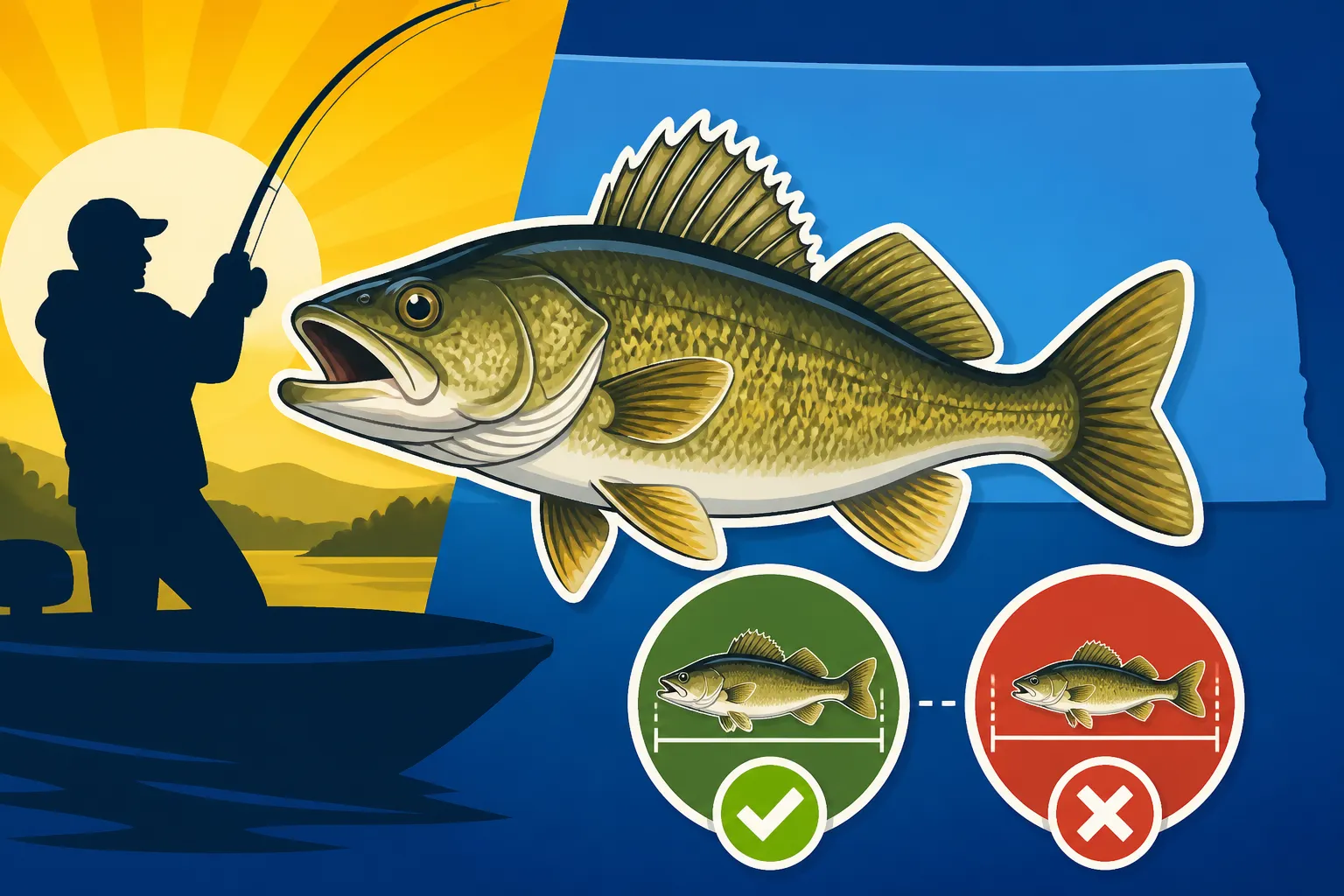
- Nose to Tip of Tail: Measure the fish from the tip of its snout to the end of its tail, with the tail compressed (squeezed together) to achieve the maximum length. This is the official method.
- Lay Flat and Straight: Place the fish flat on a measuring board or tape measure. Ensure the fish is straight and not curved, which can give an inaccurate shorter reading.
- Minimize Air Exposure: If you intend to release the fish, keep it in the water as much as possible. A quick measurement is best. Fish gills can be damaged by prolonged air exposure.
- Use a Reliable Tool: A dedicated fish measuring board or a durable, waterproof tape measure is best. You can find excellent options, including bump boards that make measuring quick and precise, on platforms like Amazon. Having a quality measuring device readily accessible on your boat or in your tackle box is a smart move.
Practicing quick and accurate measurement not only helps you stay within the rules but also ensures the health of any fish you choose to release.
Culling and Releasing Undersized or Oversized Walleye
The term "culling" refers to the practice of releasing a fish you’ve already caught and placed in your livewell, in favor of a larger or more desirable fish caught later. In North Dakota, culling is generally permissible, as long as you adhere to your daily creel limit. This means if your daily limit is five walleye and you have five in your livewell, you can catch a sixth, release one of the five smaller ones, and keep the larger sixth fish, provided all released fish are healthy and capable of survival.
However, proper release techniques are vital to ensure the survival of those culled or otherwise released fish:
- Handle Gently: Support the fish horizontally, especially larger walleye. Avoid holding them vertically by the jaw or gills.
- Minimize Time Out of Water: Get the measurement, photo, and release done as quickly as possible.
- Use Proper Tools: A good pair of long-nose pliers or a specialized hook remover (many great options are available on Amazon) can help you quickly extract hooks with minimal damage.
- Revive If Necessary: If a fish looks sluggish upon release, gently hold it in the water, facing into the current, until it regains its strength and swims away on its own.
Understanding these techniques is not just about following the rules; it’s about being a responsible angler and contributing to the sustainability of the fishery. Even though there might not be a minimum length, respecting the fish you catch is always the best practice.
Staying Informed About Regulation Changes
North Dakota’s fishing regulations are generally set for a two-year period, but specific emergency orders or changes can occur within that timeframe. Relying on old information or hearsay is a surefire way to run into trouble.
- Official Proclamation: Always obtain a copy of the most current North Dakota Fishing Regulations Explained and Proclamation. These are available at most bait shops, sporting goods stores, and directly from the North Dakota Game and Fish Department (NDGFD) website. They are usually updated every two years, so ensure you have the latest version.
- NDGFD Website and App: The NDGFD website is an excellent resource for up-to-the-minute information. Many states also offer mobile apps that provide instant access to regulations, which can be incredibly convenient on the water.
- Local Bait Shops: Local bait shop owners and staff are often keenly aware of any recent changes or special rules pertaining to their area. Don’t hesitate to ask when you’re picking up your bait or tackle.
Ignorance of the law is never an excuse, and staying current with the regulations is part of being a diligent angler. Before embarking on any fishing trip, especially if you haven't been out in a while or are visiting a new body of water, take a few minutes to review the latest rules. This is particularly important for topics like North Dakota Fishing Season Dates and Limits, as these can impact what you're allowed to keep.
Penalties for Violating Walleye Size Limits
It’s easy to think of a fishing violation as a minor offense, but the truth is, misinterpreting or deliberately disregarding walleye size limits (or any fishing regulation) can lead to serious consequences. Game wardens in North Dakota are diligent about protecting the state’s natural resources, and they take violations seriously.
Consequences of Non-Compliance
The penalties for violating fishing regulations in North Dakota, including walleye size limits or daily creel limits, can range from fines to more severe legal repercussions. These consequences are designed to deter illegal activity and underscore the importance of conservation.
- Fines: The most common penalty is a monetary fine. The amount can vary significantly depending on the nature and severity of the violation (e.g., being one fish over the limit versus being significantly over and possessing undersized fish). Fines can quickly add up, turning a fun day of fishing into a costly mistake.
- Confiscation of Equipment: In more serious cases, game wardens have the authority to confiscate fishing equipment, including rods, reels, boats, and even vehicles used in the commission of the offense. Imagine losing your favorite fishing setup or even your boat – it’s a harsh reality that some offenders face.
- Loss of Fishing Privileges: Violations can lead to the suspension or revocation of your North Dakota Fishing License Guide. This means you could be prohibited from fishing in North Dakota for a specified period, or even permanently in extreme cases. If you hold licenses in other states, interstate compacts might mean your privileges are affected there too.
- Criminal Charges: Particularly egregious violations, such as poaching large quantities of fish, fishing without a license, or repeated offenses, can escalate to criminal charges, leading to court appearances, probation, or even jail time. This is especially true for commercial-level poaching operations.
- Public Record: A fishing violation can become part of your public record, which could have implications beyond just fishing, such as affecting background checks for certain jobs.
The financial and personal costs associated with violating fishing regulations far outweigh any perceived benefit of bending the rules. The game wardens patrolling North Dakota’s lakes and rivers, from the sprawling expanse of Lake Sakakawea to the winding stretches of the Red River, are trained to detect and address these issues. They have the authority to ask to see your license and inspect your catch. Remember, if you get caught with an illegal fish, it's not just about the fine; it's about the potential damage to the fishery and your reputation as an ethical angler.
Disclaimer
Please remember that fishing regulations, including walleye size and creel limits, can change. While this guide provides a comprehensive overview, it is essential to consult the official North Dakota Game and Fish Department (NDGFD) website or their current printed Proclamation before you head out on the water. This article is for informational purposes only and should not be considered legal advice.