Do Kayaks Need to Be Registered in North Dakota?
It's a question that trips up so many anglers and outdoor enthusiasts exploring North Dakota's incredible waterways: Do I really need to register my kayak? You’ve invested in your paddlecraft, maybe even rigged it with some sweet fishing accessories or a little electric motor, and now you’re staring at regulations trying to figure out if it's considered a "boat" in the eyes of the law. This guide is here to untangle that confusion once and for all, explaining exactly when and why your kayak might need to be registered in the Roughrider State.
Understanding North Dakota's Watercraft Registration Basics
Navigating the rules for watercraft registration in North Dakota can feel a bit like trying to read a fishing map upside down – confusing, to say the least! The core idea behind registration is about accountability, safety, and managing our precious aquatic resources. However, not all watercraft are created equal in the eyes of the North Dakota Game and Fish Department (NDGFD).
The distinction usually comes down to one crucial factor: propulsion. Are you relying solely on your own paddle power, or does your kayak have a mechanical helper? This difference is key to understanding whether you'll need to head to the registration office or if you're good to simply hit the water. It’s important to stay informed, especially as regulations can sometimes shift, and you certainly don't want to be caught off guard by a game warden while enjoying a peaceful day on Lake Audubon or chasing walleye on Lake Sakakawea.
Paddle-Powered Kayaks: Generally Exempt
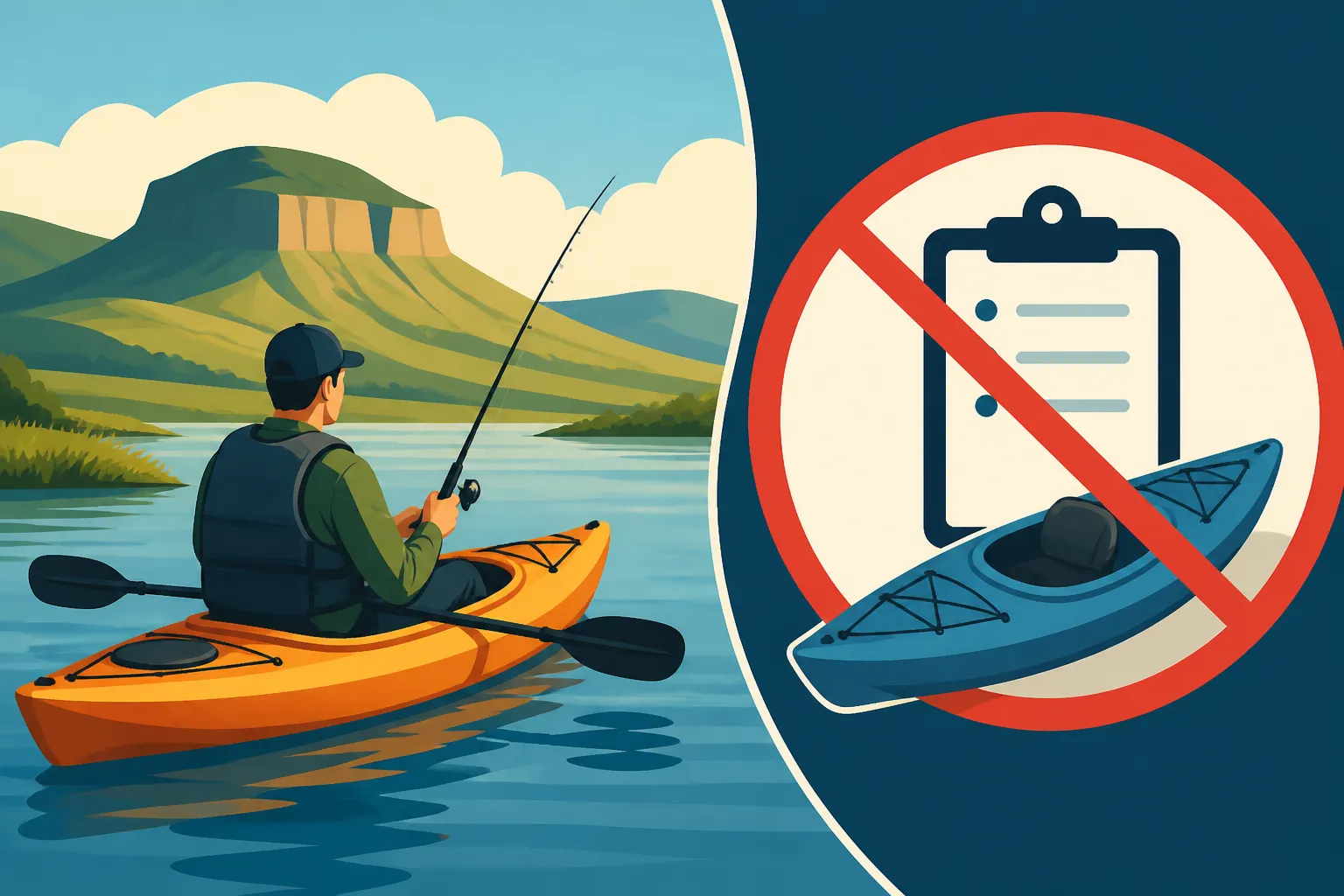
Let's get straight to the most common scenario: If your kayak is powered exclusively by your own muscles and a paddle, you can breathe a sigh of relief. Generally speaking, non-motorized kayaks, canoes, and stand-up paddleboards do not need to be registered with the North Dakota Game and Fish Department. This is great news for purists who love the silent glide across the water, the simplicity of a paddle, and the direct connection to the environment.
This exemption applies whether you're taking your recreational kayak out for a leisurely float on a calm prairie lake, using a specialized fishing kayak to stalk shallow northern pike in a marsh, or even paddling a tandem kayak with a friend or family member. The key takeaway here is the absence of any mechanical propulsion. You're free to launch your paddle-powered craft without a registration number or sticker adorning its hull, though you should always ensure you have all other necessary safety gear, like a properly fitted life jacket for everyone on board.
Motorized Kayaks: The Registration Requirement
Here's where the waters get a bit murkier, and where most of the confusion arises. If you've decided to add a motor to your kayak, even a small electric trolling motor, then your kayak does need to be registered in North Dakota. This isn't just for big, roaring outboards; it applies to any mechanical means of propulsion. This often surprises kayak anglers who've added a whisper-quiet electric motor to extend their range or make it easier to fight currents on the Missouri River.
The North Dakota Game and Fish Department considers any watercraft with a motor, regardless of its size, horsepower, or the vessel it’s attached to, as a "motorized vessel." This means your sleek fishing kayak, once it has a Minn Kota or Newport Vessels trolling motor clamped onto it, instantly falls under the same registration umbrella as a full-sized bass boat or pontoon. The logic is that any vessel capable of mechanical propulsion, even if it's minimal, has a greater potential range and impact on waterways, necessitating its inclusion in the state's registration system. So, if you're planning to rig up your kayak for a little extra speed or ease, be prepared to go through the registration process.
The Nitty-Gritty of Registering Your Motorized Kayak
Once you've determined that your kayak needs to be registered (because, hey, that little electric motor is just too handy!), the actual process isn't overly complicated, but it does require attention to detail. Just like registering any other boat in North Dakota, there are specific steps, documents, and fees involved. Ignoring these steps could lead to fines or a ruined fishing trip, and nobody wants that!
It's about ensuring your watercraft is properly identified and that you, as the owner, are compliant with the state's regulations. Think of it as getting a driver's license for your motorized kayak – it proves you're operating legally and responsibly on the water.
Required Documentation and Fees
To register your motorized kayak, you'll need to gather a few essential documents. The North Dakota Game and Fish Department will typically ask for proof of ownership. This usually means a manufacturer's statement of origin (MSO) for a brand new kayak, or a bill of sale if you purchased it used. Make sure your bill of sale includes important details like the seller's name and contact information, the buyer's name, the make, model, and serial number of the kayak, and the purchase price. Without clear proof of ownership, the registration process can hit a snag.
You'll also need to fill out a watercraft registration application, which can often be found on the NDGFD website or at their offices. Alongside these forms, expect to pay a registration fee. The fee structure for North Dakota boat registration is typically based on the length of your watercraft. Even though a kayak is small, it still falls into one of these length categories. For example, kayaks under 16 feet might have a different fee than slightly longer models, though the differences might be minimal for most kayaks. You can find detailed information on the current North Dakota Boat Registration Fees by Size directly from the NDGFD.
Crucially, you'll also have to pay an Aquatic Nuisance Species (ANS) fee. This fee is mandatory for all registered watercraft in North Dakota and goes towards vital programs aimed at preventing the spread of invasive species like zebra mussels and Eurasian watermilfoil, which can devastate our lakes and rivers. This fee is a small but important contribution to protecting the fisheries we all love.
The Registration Process and Displaying Your Numbers
Once you have your documents and fees sorted, you can submit your application. This can often be done in person at an NDGFD office, at certain authorized vendors, or sometimes even by mail. After processing, you'll receive your official registration card, unique registration numbers, and validation decals.
These numbers and decals are not just for your wallet; they must be physically displayed on your kayak. The registration numbers (known as "ND numbers") must be painted or permanently affixed to both sides of the forward half of the bow of your kayak. They need to be block letters, at least three inches high, and in a color that contrasts sharply with the background. This ensures they are clearly visible and legible. The validation decal, which indicates the current registration period, is typically placed within six inches of the number on the port (left) side of the bow.
It’s a good idea to invest in high-quality, weather-resistant numbers and decals. You can often find these at marine supply stores or even on platforms like Amazon. Remember, these aren't just decorative; they are your proof of legal operation, and failure to display them correctly can lead to a citation. Be sure to check the specific guidelines in the latest North Dakota Fishing Regulations Explained document for exact placement and size requirements to ensure you're fully compliant.
Exemptions, Out-of-State Kayaks, and Important Considerations
While the rules generally state that motorized kayaks need registration, there are a few nuanced situations to consider. These often come up for those visiting from out of state or those unsure about the very first steps of ownership. Being aware of these details can save you time, hassle, and potential legal issues down the line.
Understanding these finer points ensures you're not inadvertently breaking a rule, especially when you're just trying to enjoy a new fishing spot or participate in a local event.
New Purchase and Temporary Operation
So, you just bought a brand new motorized kayak, or maybe a used one from a private seller, and you’re itching to get it on the water! There’s often a short grace period for new purchases while you complete the registration paperwork. In North Dakota, you generally have a limited time to get your new watercraft registered. For instance, the state typically allows for a certain number of days to complete the registration process after purchase. During this period, it’s advisable to carry your bill of sale or other proof of purchase with you on the water as temporary documentation.
However, this isn't a free pass to delay. The North Dakota New Boat Registration Deadline is there for a reason, and you should aim to complete your registration as quickly as possible. Don’t wait until the last minute, especially during peak boating season when NDGFD offices might be busy. Planning ahead means you can get your numbers affixed and be fully legal before your next big fishing adventure.
Out-of-State Kayaks and Reciprocity
What if you're visiting North Dakota from another state and bringing your motorized kayak with you? This is a common question, especially for those looking to explore iconic destinations like Devils Lake or Lake Sakakawea. Good news: North Dakota has reciprocal agreements with other states regarding watercraft registration. This means if your motorized kayak is legally registered and numbered in another state, you can generally operate it in North Dakota for a limited time.
The general rule is that an out-of-state registered boat, including a motorized kayak, can operate in North Dakota for up to 90 consecutive days. This is often referred to as the North Dakota 90-Day Rule for Out-of-State Boats. After that 90-day period, if you intend to keep and operate your kayak in North Dakota, you would need to register it in the state. Always carry your home state's registration documents with you while on the water. This ensures that if a game warden asks, you can quickly provide proof of legal operation. Knowing if you can use an Out-of-State Boat Registration in North Dakota is crucial for visitors.
The Fishing, Hunting, Furbearer Certificate
While not directly tied to kayak registration, any angler over the age of 16 in North Dakota needs to possess a valid fishing license. And if you're getting a fishing license, you'll almost certainly encounter the "Fishing, Hunting, Furbearer Certificate." This certificate is a base requirement for purchasing most hunting and fishing licenses in North Dakota. Think of it as the foundational document that allows you to then buy your specific fishing license.
So, while your non-motorized kayak doesn't need registration, you as an angler will still need a valid North Dakota Fishing License Guide, which requires this certificate. It’s an essential part of being a legal angler in the state, regardless of whether you're fishing from a boat, from shore, or from your favorite kayak. Make sure to understand what is the Fishing, Hunting, Furbearer Certificate For and if you Need the Certificate If I Only Fish.
Why These Rules Matter: Beyond Just Compliance
You might be thinking, "It's just a kayak, why all the fuss?" But these registration rules, while sometimes seeming like a bit of a bureaucratic hoop, serve important purposes that benefit all of us who love spending time on North Dakota's waters. It's about more than just checking a box; it's about contributing to the health and safety of our aquatic environments and fellow outdoor enthusiasts.
Ignoring these regulations can lead to a host of problems, from legal penalties to unknowingly contributing to larger ecological issues. As a responsible angler and outdoorsperson, understanding the 'why' behind the rules can make compliance feel less like a chore and more like a contribution.
Safety and Identification in Emergencies
One of the primary reasons for watercraft registration is safety. In the unfortunate event of an emergency, such as a capsized kayak, a lost boater, or an accident, a registered vessel can be quickly identified. The unique registration numbers allow law enforcement and search and rescue teams to identify the owner and gather crucial information, like contact details or typical areas of operation, which can be vital in a rescue effort.
Imagine a scenario where your motorized kayak gets swamped in a sudden storm on Lake Sakakawea, and it drifts away from you. If it's registered, and someone finds it, those clear ND numbers can help authorities trace it back to you, ensuring everyone knows you're safe (or alerting them if you're not). This system works for all boat types, from the largest fishing boats to the smallest motorized kayaks, making the waters safer for everyone.
Funding Conservation and Management Efforts
The fees collected from watercraft registration, including the Aquatic Nuisance Species fee, are absolutely crucial for funding the management and conservation of North Dakota’s fisheries and waterways. These funds go directly towards things like fish stocking programs, habitat restoration projects, access site maintenance, and public education initiatives.
They also support the NDGFD's efforts to monitor fish populations, conduct research, and enforce fishing regulations, ensuring sustainable fishing for future generations. When you register your motorized kayak, you're not just paying a fee; you're investing in the very resources that make North Dakota a fantastic place to fish. This includes critical work to prevent the spread of invasive species, which can have devastating effects on native fish populations and aquatic ecosystems.
Avoiding Penalties and Hassle
Let's face it, nobody wants a run-in with law enforcement that spoils a day on the water. Operating a motorized kayak without proper registration can result in fines and potential court appearances. While the exact North Dakota Fishing Without a License Fine can vary depending on the severity and location, it's always an unpleasant experience that can easily be avoided.
Game wardens and other law enforcement officials are on the water to ensure everyone's safety and compliance with regulations. If they encounter an unregistered motorized kayak, they have every right to issue a citation. The simple act of completing your North Dakota Boat Registration Requirements not only keeps you legal but also ensures peace of mind, allowing you to focus on the joy of fishing or paddling without looking over your shoulder. It’s far better to spend a little time and money upfront than to deal with the stress and cost of a penalty later.
| Kayak Type | Registration Required? | Key Reason | What to Do |
|---|---|---|---|
| Paddle-powered (Non-motorized) | No | No mechanical propulsion | Ensure you have a valid fishing license (if applicable) and necessary safety gear like life jackets. Check North Dakota Fishing Regulations Explained. |
| Motorized (Electric, Gas, etc.) | Yes | Any mechanical propulsion triggers requirement | Gather proof of ownership, complete application, pay registration and ANS fees, display numbers and decals. See North Dakota Boat Registration Requirements. |
| Out-of-State Motorized | No (for 90 days) | Reciprocity with other states | Carry home state registration. After 90 days, ND registration is required. Refer to Can You Use an Out-of-State Boat Registration in North Dakota?. |
| Newly Purchased Motorized | Yes (after grace period) | New ownership, same motorization rule | Complete registration quickly after purchase. Carry proof of sale during grace period. Be aware of the North Dakota New Boat Registration Deadline. |
This table should give you a clear, at-a-glance understanding of your kayak registration needs in North Dakota. Always cross-reference with the latest regulations from the NDGFD for the most up-to-date information.
Choosing and Outfitting Your North Dakota Kayak
Beyond the legalities of registration, there's a whole world of fun in choosing and outfitting your kayak for North Dakota's diverse waters. Whether you're paddling big lakes like Sakakawea or navigating smaller rivers, the right gear makes all the difference. Many anglers, once they decide to motorize, realize the benefits of a well-equipped kayak.
This section isn't about regulations, but about enhancing your experience once you've got your registration in order. It's about practical advice for enjoying your time on the water, whether you choose a simple setup or go all-out with accessories.
Picking the Right Kayak for North Dakota's Waters
North Dakota offers such a variety of fishing experiences, from expansive reservoirs to winding rivers. Your choice of kayak can significantly impact your comfort and success. For anglers on big waters like Lake Sakakawea, a wider, more stable sit-on-top fishing kayak with good tracking is often preferred. These offer ample space for gear and stability for standing to cast. Brands like Hobie, Old Town, or even simpler models you can find on Amazon, often have robust fishing-specific kayaks.
If you’re mostly sticking to smaller, calmer lakes or slow-moving rivers, a lighter, more nimble recreational kayak might be perfect. When considering a motorized setup, ensure the kayak you choose has a transom or a stable mounting point for a trolling motor. Stability is key, especially if you plan on adding a battery and motor, which will shift the kayak's center of gravity. For more insights, check out Best Kayaks for North Dakota Fishing.
Essential Kayak Accessories and Gear
Once you've got your kayak and know whether it needs to be registered, it's time to outfit it. For motorized kayaks, a reliable trolling motor is paramount. Brands like Minn Kota and Motorguide are popular choices, offering various thrust levels and battery efficiencies. You'll also need a marine battery to power it, often a deep-cycle battery that can handle prolonged discharge. You can find many options, including battery boxes and charging solutions, on platforms like Amazon. Don't forget a quality battery charger! Explore options like the Best Trolling Motors for North Dakota Lakes to help you decide.
Beyond the motor, consider other essential gear:
- Life Jackets: Absolutely non-negotiable. Always wear a U.S. Coast Guard-approved life jacket.
- Paddle: Even with a motor, a paddle is your essential backup.
- Anchor: For holding your position in current or wind. A small grappling anchor is usually sufficient for kayaks. Check out Best Kayak Anchors for River Current.
- Fishing Rod Holders: Keep your rods secure while paddling or battling a fish.
- Dry Bag: For electronics, keys, and other items you want to keep dry.
- Safety Whistle/Horn: Required by law on many waters for signaling.
- Navigation Lights: If you plan on being on the water from sunset to sunrise.
- Fish Finder: Many compact models are perfect for kayaks, helping you locate structure and fish.
Remember, a well-outfitted kayak makes for a safer and more enjoyable experience. Investing in good gear, often found from reputable online retailers or local shops, is just as important as ensuring your watercraft is legally registered. For a more comprehensive look at what to bring, consider the Best Fishing Line for North Dakota Lakes and other gear guides.
Disclaimer
The information provided in this guide is for general informational purposes only and is not intended as legal advice. Regulations can change, and interpretations may vary. It is always the responsibility of the individual angler to verify all current rules and regulations with the North Dakota Game and Fish Department or other appropriate authorities before engaging in any fishing or boating activity.