Do You Need a Permit to Hold a Fishing Derby in North Dakota?
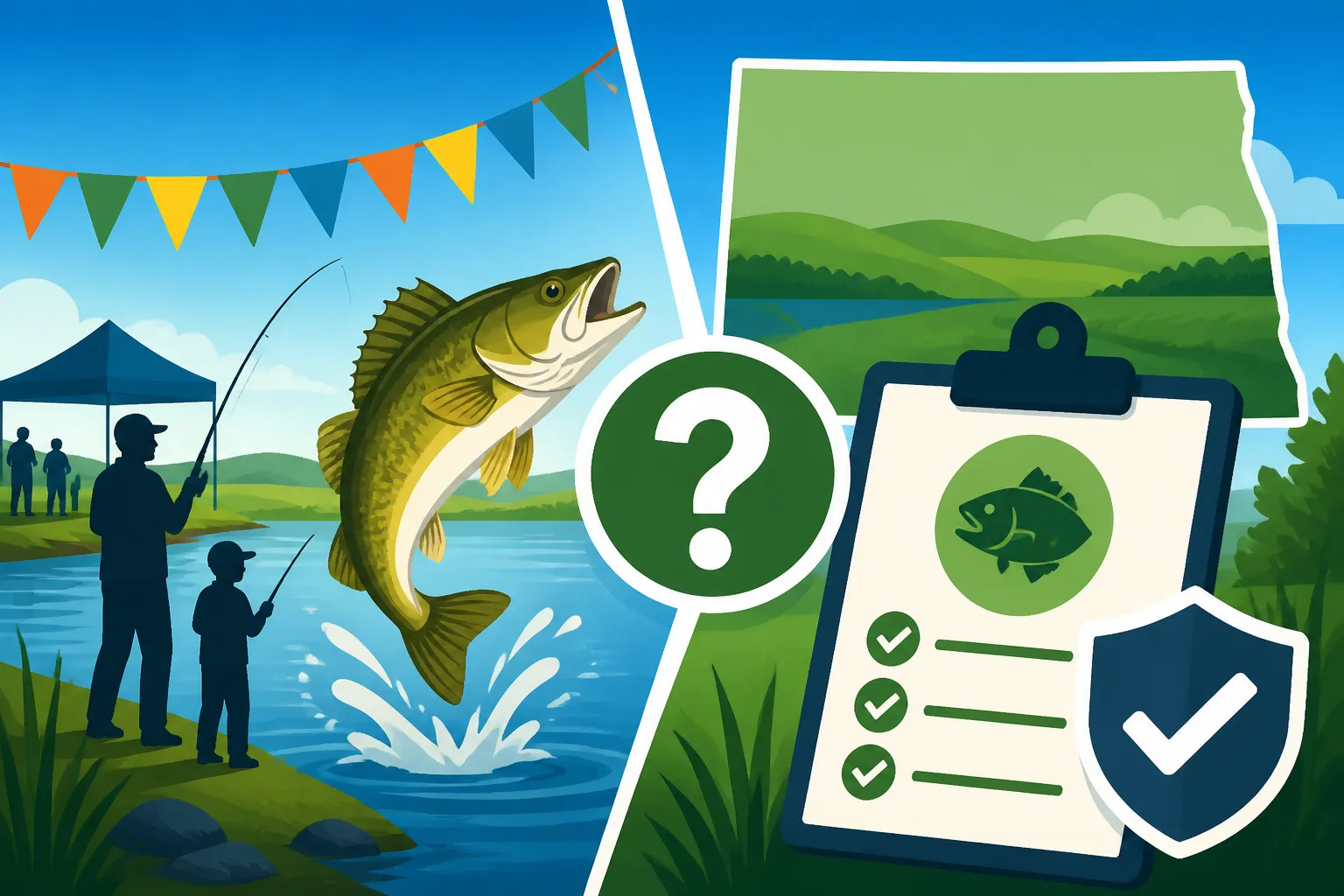
Organizing a fishing derby in North Dakota sounds like a blast, a fantastic way to bring people together, enjoy our incredible waters, and maybe even raise some money for a good cause. But before you cast off into the planning stages, there's a crucial question many organizers grapple with: Do you actually need a permit to hold a fishing derby in North Dakota? The simple answer, for most organized events, is yes, and understanding the ins and outs is key to a successful, stress-free event. This guide will help clarify those requirements, making sure your North Dakota fishing derby runs smoothly and legally.
Understanding Fishing Derbies and Their Impact
There’s nothing quite like the camaraderie and friendly competition of a fishing derby. From a small, local contest on a community pond to a large-scale tournament on Lake Sakakawea, these events can be truly memorable. But beneath the surface of fun, there are important considerations that the North Dakota Game and Fish Department (NDGFD) takes very seriously to protect our precious natural resources.
What Qualifies as a Fishing Derby in North Dakota?
When we talk about a "fishing derby" or "fishing tournament" in North Dakota, we're generally referring to any organized event where people compete to catch fish, often with prizes awarded. This can cover a huge range of activities:
- Competitive Events: These are your classic tournaments where anglers vie for the biggest fish, most fish, or a specific species, with an entry fee and cash or material prizes. Think of a local walleye circuit event or an annual club competition.
- Charity or Fundraising Derbies: Many groups organize derbies to raise money for good causes, often attracting a large number of participants with less emphasis on hardcore competition and more on participation and community spirit.
- Youth Fishing Days: Events specifically designed to introduce kids to fishing might also fall under this umbrella, especially if they involve prizes or a structured competitive element beyond simple participation. If you're planning an event focused on younger anglers, it's worth checking out the guidelines for Fishing Rules for Kids and Families to ensure you're compliant.
- Company Outings or Private Group Contests: Even events for a company picnic or a large family reunion might qualify if they are structured as a competition with awards.
The crucial point is the organized aspect and the presence of prizes. A casual gathering of friends fishing together, even if they're keeping track of who catches the biggest fish for bragging rights, typically doesn't trigger the same permit requirements as a publicly advertised event with entry fees and tangible prizes.
Why Regulations Exist for Organized Fishing Events
It might feel like extra red tape when you're just trying to plan a fun event, but the regulations surrounding fishing derbies are incredibly important for several reasons. The North Dakota Game and Fish Department isn't trying to make things difficult; they're working to protect the integrity of our fisheries for everyone, now and in the future.
- Conservation and Fish Health: Organized events can concentrate fishing pressure on specific areas and species. Regulations help manage this pressure, preventing overharvesting and reducing stress on fish populations, especially during sensitive times like spawning. They also often dictate practices like live release or careful handling to ensure fish health.
- Public Safety and Waterway Management: Large gatherings on public waterways require careful management to ensure safety for all users – anglers, boaters, kayakers, and even swimmers. Permits help the NDGFD understand where and when events are happening, allowing them to anticipate potential congestion or conflicts.
- Aquatic Nuisance Species (ANS) Prevention: Derbies, especially those attracting anglers from different locations or using various bait sources, pose a higher risk for the introduction or spread of invasive species like zebra mussels or Eurasian watermilfoil. Permit requirements often include strict ANS prevention measures.
- Fairness and Compliance: Regulations ensure a level playing field for all participants and prevent illegal activities such as exceeding daily limits or using prohibited methods. They also ensure that events align with the broader North Dakota Fishing Regulations Explained that all anglers must follow.
Understanding these underlying reasons can help organizers see the value in the permit process, recognizing it as a partnership with the state to maintain healthy, vibrant fisheries.
Navigating North Dakota's Fishing Derby Permit Requirements
Alright, let's get down to brass tacks: when exactly do you need a permit, and what does that even mean? It's a question that can cause a bit of head-scratching, especially for first-time organizers.
The General Rule: When a Permit is Required
In North Dakota, if you're planning an organized fishing event, you likely need a permit from the North Dakota Game and Fish Department. The key triggers, as per NDGFD guidelines, are:
- 10 or more participants where prizes are awarded. This is a significant threshold. If your event has ten or more anglers competing for any kind of prize, whether it's a new fishing rod, a gift certificate, or even bragging rights coupled with a trophy, you're going to need a permit.
- Any fishing contest where a permit is required by specific proclamation. Sometimes, due to unique circumstances or specific fish populations, the NDGFD might issue a special proclamation that mandates a permit for certain events, regardless of the size or prize structure. These are less common but important to be aware of.
The responsibility for applying for and securing this permit falls squarely on the shoulders of the event organizer. It's not something individual participants need to worry about, but rather the person or group putting the whole shindig together. This ensures accountability and a clear point of contact for the NDGFD.
Key Factors Determining Permit Necessity
Beyond the general rule, several factors play into whether your event will require a permit and what specific rules might apply. Knowing these can help you plan proactively.
- Number of Participants: As mentioned, 10 or more participants competing for prizes is the big one. If you're putting together a very small, casual competition among fewer than 10 close friends, without any formal entry fees or prizes beyond a friendly wager, you might be in the clear. However, it's always best practice to err on the side of caution and check with NDGFD if there's any doubt.
- Prizes and Entry Fees: This is a major differentiator. If your event involves participants paying an entry fee, or if there are material prizes (cash, gear, gift cards, etc.) awarded, it almost certainly requires a permit. This includes raffles or drawings where participation is tied to the fishing event itself.
- Species Targeted: While a permit generally covers all species, the NDGFD might have particular concerns or requirements for derbies targeting specific fish, especially those with sensitive populations or strict management plans, like walleye or northern pike. Organizers should be intimately familiar with rules like the North Dakota Walleye Size Limit Rules that apply year-round.
- Location of the Event: Most fishing derbies take place on public waters like Lake Sakakawea, Devils Lake, or the Missouri River, which are clearly under NDGFD jurisdiction. If your event is solely on a private pond that has no connection to public waterways and is not stocked by the state, the rules might differ, but it's still smart to check. The NDGFD website is the best place to find information about North Dakota Fishing Tournament Permit Requirements.
Exceptions and Informal Gatherings
It's easy to get overwhelmed by all the rules, but let's be clear: not every time you go fishing with friends is considered a "derby" needing a permit.
- Casual Family Outings: If you're simply taking your family out for a day of fishing and having a friendly competition to see who catches the biggest pike, that's just a normal day of fishing! No permit needed, as long as everyone has their valid North Dakota Fishing License Guide and follows state regulations.
- Small, Unofficial Groups: A group of six buddies who go out every Saturday and keep a running tally of their catches for bragging rights at the end of the year isn't typically subject to tournament permit requirements. The lack of formal entry fees, official prizes, and public advertising usually keeps these informal gatherings off the NDGFD's permit radar.
However, the line can sometimes feel blurry. When in doubt, the safest and most responsible course of action is always to contact the North Dakota Game and Fish Department directly. A quick phone call or email can save you a lot of potential headaches down the road. They are there to help ensure both great fishing experiences and the health of our fisheries.
The Application Process for a North Dakota Fishing Tournament Permit
So, you've determined your event needs a permit. Don't worry, the process, while requiring attention to detail, is straightforward. It's designed to gather the necessary information for the NDGFD to ensure your derby is safe, responsible, and compliant with state conservation efforts.
Where to Find the Application and What Information is Needed
The absolute best place to start is the official North Dakota Game and Fish Department website (gf.nd.gov). They typically have a dedicated section for "Fishing Tournament Permits" or "Special Event Permits" under their licensing or regulations pages. You'll usually find an application form that you can download, print, and fill out, or sometimes even an online submission portal.
The application itself will ask for a wealth of information about your event. Expect to provide details such as:
- Organizer Information: Your full name, contact details (phone, email, mailing address), and the name of your organization or club if applicable.
- Event Details: The official name of your fishing derby, the specific dates (start and end), and the exact location(s) where fishing will take place (e.g., "Devils Lake, using all public access points," or "Lake Sakakawea, Van Hook Arm area").
- Target Species: Which fish species are the focus of your competition? Walleye, perch, northern pike, catfish?
- Rules and Regulations: A copy of your event's specific rules, including how fish will be measured, scored, and handled (e.g., catch and release only, live weigh-in, etc.). You'll also need to outline how you'll communicate state regulations to participants, such as daily limits and size restrictions, which vary by species and waterbody.
- Prize Structure: What kind of prizes will be awarded, and what is their approximate value? Are there entry fees, and if so, how much?
- Number of Participants: An estimate of how many anglers or teams you expect to participate.
- Emergency Plan: A basic outline of how you will handle emergencies (e.g., medical, severe weather).
- Aquatic Nuisance Species (ANS) Plan: How will you ensure that participants are aware of and comply with ANS prevention measures, such as "Clean, Drain, Dry" practices for boats and gear? This is especially critical.
Filling out the application thoroughly and accurately is paramount. Incomplete applications can lead to delays or rejection, which nobody wants when a derby is on the horizon.
Important Deadlines and Fees
Just like securing your own North Dakota Fishing Season Dates and Limits, timing is everything when applying for a fishing tournament permit. The North Dakota Game and Fish Department requires that applications be submitted a minimum of 30 days prior to the start of the tournament. This gives them adequate time to review your application, coordinate with local wardens if necessary, and address any potential concerns. Trying to rush an application closer to the event date is a recipe for stress and likely disappointment.
When it comes to fees, the good news is that typically, there is no direct fee for the fishing tournament permit itself from the NDGFD. However, this doesn't mean your event will be entirely cost-free. You'll still have expenses for prizes, advertising, and potentially other local permits (like for use of a park or facility). It's also possible that if your event requires special monitoring or resources from the NDGFD, they might discuss associated costs. Always clarify this during your application process.
Compliance and Post-Event Reporting
Receiving your permit isn't the end of your responsibilities; it's the beginning of ensuring your event runs in full compliance. The permit will often come with specific conditions you must adhere to during the derby, such as:
- Adherence to Daily and Possession Limits: Even in a tournament, all participants must abide by the standard North Dakota Northern Pike Daily Limit, walleye limits, and any other species-specific regulations in place for that water body. The permit doesn't grant exemptions from these rules.
- Fish Handling Guidelines: Many permits emphasize proper catch-and-release techniques and live fish handling, especially for species intended to be returned to the water. This might include requirements for livewells or specific measuring devices.
- Aquatic Nuisance Species (ANS) Control: You will be expected to enforce ANS "Clean, Drain, Dry" protocols for all participating boats and equipment.
- Display of Permit: You may need to have the permit readily available at the event site for inspection by game wardens.
Furthermore, some permits might require post-event reporting. This means you'll need to submit data on the number of fish caught, their species, size, and whether they were released or kept. This valuable data helps the NDGFD monitor fish populations and the impact of fishing pressure, contributing to better management decisions for our shared resources. For anglers, knowing these regulations are in place creates a more enjoyable and sustainable fishing future.
Essential Considerations for a Successful and Compliant Derby
Organizing a fishing derby is a lot like putting together a well-oiled fishing reel: every part needs to work together smoothly. Beyond just the permit, there are other crucial elements to consider for a truly successful and compliant event.
Partnering with Local Authorities and Businesses
You don't have to go it alone! Building relationships with local partners can make your derby planning much easier and help you troubleshoot unexpected issues.
- North Dakota Game and Fish Department Wardens: Introduce yourself and your event to the local Game and Fish warden in the area where your derby will take place. They are your first line of resource for questions about regulations, local nuances, and potential issues. Their knowledge of the specific water body and fish populations can be invaluable.
- Local Law Enforcement and Emergency Services: For larger events, informing the county sheriff's office and local emergency services (fire, ambulance) about your event dates and location is a responsible move, ensuring they are aware of a potential increase in activity or need for assistance.
- Local Businesses: Reach out to local bait shops, marinas, and sporting goods stores like Scheels or Cabela's. They can often provide event sponsorship, prizes, or discounted supplies. They might also be willing to help promote your event to their customers. Even online retailers like Amazon can be a great resource for sourcing a wide variety of supplies, from first aid kits to event banners and smaller prizes, making it easier to gather everything you need in one place, especially if local options are limited. Building these connections fosters community support and can significantly enhance your derby.
Educating Participants on Rules and Conservation
A successful derby isn't just about catching fish; it's about fostering responsible angling. Clear communication is key to ensuring all participants understand and adhere to the rules, both state and event-specific.
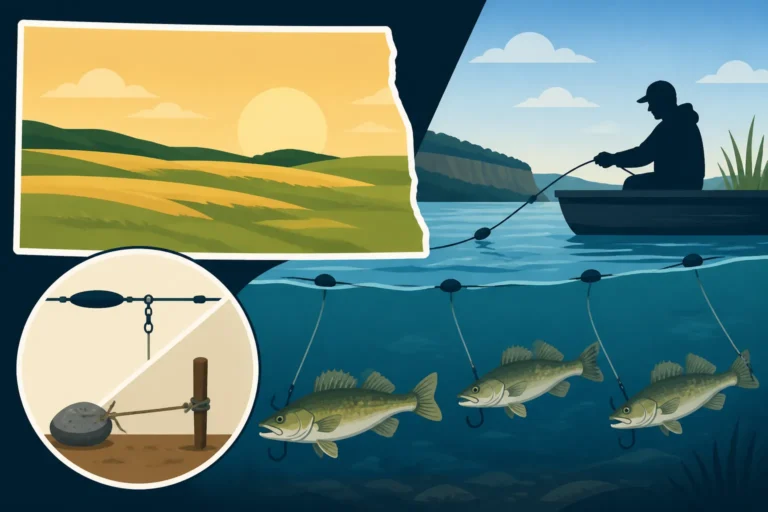
- Pre-Event Briefings: Hold a mandatory or highly recommended angler meeting before the event starts. Use this opportunity to go over all state regulations, including length limits, daily limits, and any special rules for your derby. Emphasize ethical angling practices, such as proper catch and release methods. You can also cover topics like How Many Lines Can You Fish With in North Dakota? to avoid confusion.
- Written Rules: Provide every participant with a written copy of your derby rules, clearly stating state regulations and any event-specific modifications or guidelines. This leaves no room for misunderstanding.
- Aquatic Nuisance Species (ANS) Awareness: Make ANS prevention a central part of your messaging. Remind participants of the "Clean, Drain, Dry" mandate for all boats and equipment. You can even set up a simple cleaning station at your launch site if feasible. This is a crucial aspect, and reminding people about Aquatic Nuisance Species Rules for Boaters is vital for protecting our state's waters.
Planning for Logistics and Safety
Beyond the rules, a smooth and safe event depends on meticulous logistical planning.
- Access and Parking: Consider where participants will launch boats or access the shore. Is there adequate parking for trailers and vehicles? Work with local authorities or landowners if you need special access or parking arrangements.
- First Aid and Emergencies: Have a well-stocked first aid kit readily available, and ideally, have someone on your team with basic first aid training. Know the nearest emergency services and how to contact them quickly. Again, Amazon is a convenient place to pick up high-quality first aid supplies.
- Weather Contingencies: North Dakota weather can change on a dime! Have a plan for inclement weather, including high winds, thunderstorms, or extreme heat/cold. This might involve delaying the start, shortening the event, or even rescheduling. Communicate this plan clearly to participants beforehand.
- Waste Management: Provide ample trash receptacles and encourage participants to "pack it in, pack it out." Consider a recycling station. Leaving no trace is part of responsible outdoor recreation.
- Equipment: Ensure you have all the necessary equipment for your weigh-in or measuring station, such as scales, measuring boards, livewells for holding fish, and any required safety gear. Thinking through these details beforehand can prevent last-minute scrambling and ensure a professional-looking event.
Common Misconceptions and FAQs
It's natural to have questions, especially when navigating regulations. Let's clear up some common misunderstandings about fishing derbies and permits in North Dakota.
"It's just a small group, do we really need one?"
This is perhaps the most common question, and it speaks to the informal nature that many fishing gatherings can have. However, as we discussed, the North Dakota Game and Fish Department's regulation is quite specific: if your event has 10 or more participants and involves prizes, a permit is required. It doesn't matter if it's "just" your extended family reunion or a group of coworkers. If you hit that 10-person threshold and there's a prize on the line—even if it's "just" a trophy or a gift certificate to a local restaurant—you need to go through the permit process.
The intent behind this isn't to discourage small groups, but rather to track and manage organized fishing pressure and ensure conservation efforts are maintained, regardless of the size of the event. When in doubt, it’s always better to confirm with the NDGFD rather than risk a fine or having your event shut down.
"What if our derby is on private land?"
This is where things can get a little nuanced. If your fishing derby is held entirely on a private pond or lake that has no direct connection to public waters (meaning fish can't move freely between the private water and public rivers or lakes), and if the fish in that pond were not stocked by the North Dakota Game and Fish Department, then you generally would not need an NDGFD fishing tournament permit.
However, there are still important caveats:
- Stocked Waters: If your private pond has been stocked with fish by the state, or if it has a direct connection to public waterways, then state regulations and permit requirements could still apply.
- Private Land Access: While the fishing permit might not be needed, you would still need explicit permission from the landowner to hold any event on private property. It’s also wise to check on liability insurance for such events.
- Individual Licenses: Even on private land, if anglers are fishing for game fish (like walleye, pike, or perch) in waters that are connected to public resources, they might still need a valid North Dakota fishing license. For more clarity on this, you can refer to information on Do You Need a License to Fish on Private Land in North Dakota?.
Again, the golden rule prevails: if there's any ambiguity about whether your private water body falls under state jurisdiction for fishing regulations, contact the NDGFD to be absolutely sure.
"Can we use live bait for our tournament?"
The use of live bait in North Dakota fishing derbies is generally allowed, provided it complies with all standard state fishing regulations. This means:
- Legal Species: Any live bait used (e.g., minnows, leeches, worms) must be of a species legally allowed for use as bait in North Dakota. You cannot use prohibited species, which often include certain invasive fish.
- Source of Bait: There are strict rules about where you can acquire and transport live bait, especially minnows. For example, you generally cannot transport live minnows taken from one public water body and use them in another, due to the risk of spreading aquatic nuisance species. Commercially purchased bait from a licensed vendor is usually your safest bet.
- Water Body Specific Rules: Some specific water bodies might have additional restrictions on live bait use to protect their unique ecosystems. Always check the current North Dakota Fishing Proclamation for any specific waterbody rules.
- ANS Prevention: Tournament organizers should ensure participants understand the importance of not releasing unused bait into the water and properly disposing of it to prevent the spread of ANS. Consider adding a section to your tournament rules about bait handling. Many organizers find that sourcing common items like bait buckets and aerators from online options like Amazon can be helpful, ensuring participants have access to proper bait storage during the event.
It’s crucial for organizers to clearly communicate these live bait rules to all participants to avoid any accidental violations during the derby.
Permit Requirement Summary Table
To help visualize the permit requirements for fishing derbies in North Dakota, here’s a quick summary:
| Event Characteristic | Permit Required? | Key Considerations |
|---|---|---|
| 10+ Participants with Prizes | YES | Most common trigger. Formal application needed. |
| Less than 10 Participants, No Prizes | NO | Casual fishing trip, informal bragging rights. |
| Charity Event with Prizes, 10+ Participants | YES | Even for a good cause, if competitive & prize-based, a permit is needed. |
| Youth Event with Prizes, 10+ Participants | YES | Focus on education, but competition & prizes still trigger requirements. |
| Event on Private Pond (no public connection) | NO (generally) | Confirm no public connection, no state-stocked fish. Landowner permission always needed. |
| Any Event Specified by NDGFD Proclamation | YES | Check current fishing proclamation for special rules that might mandate a permit for specific situations/water bodies. |
| Non-competitive gathering of any size | NO | No permit needed if purely recreational, without prizes or formal competition. |
This table should give you a good overview to start your planning. Remember, the NDGFD is your best resource for specific questions and current regulations, including details you might need for topics like North Dakota Boat Registration Requirements.
Disclaimer
The information provided in this guide is for general informational purposes only and does not constitute legal advice. Fishing regulations and permit requirements in North Dakota can change. Always consult the official North Dakota Game and Fish Department website (gf.nd.gov) or contact them directly for the most current and accurate information before organizing any fishing derby or tournament.