Lake Spiritwood Fishing Guide, North Dakota
There's a special kind of satisfaction that comes from fishing a lake that might not always be in the big headlines, a place like Lake Spiritwood in North Dakota. It can feel a bit daunting trying to figure out the secrets of a new body of water, wondering where the fish are hiding, what they're biting on, and how to even get your boat in the water without a hitch. This comprehensive guide is here to unravel those mysteries, offering you all the insights you need to confidently tackle Lake Spiritwood and turn those head-scratching moments into successful angling adventures.
Unveiling Lake Spiritwood's Unique Characteristics
Lake Spiritwood, nestled in Stutsman County, isn't always the first name that comes to mind when you think of North Dakota's fishing giants like Lake Sakakawea or Devils Lake. Yet, this roughly 1,200-acre reservoir holds its own charm and offers fantastic fishing opportunities for those willing to get to know it. It's a place where local knowledge and a bit of patience truly pay off, providing a quieter, often more intimate fishing experience away from the bustling crowds.
Geographical Overview and Water Dynamics
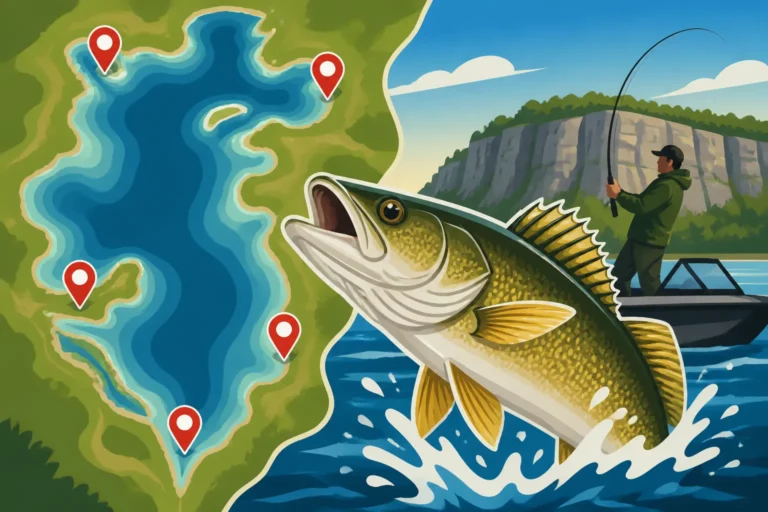
Lake Spiritwood is an impoundment on Spiritwood Creek, known for its generally clear water, especially compared to some of the state's more turbid reservoirs. Its maximum depth hovers around 25-30 feet, with an average depth significantly shallower, creating a diverse underwater landscape. The lake's shape is somewhat irregular, with various bays, points, and coves that break up the shoreline and offer structure. This varied topography is critical for understanding where different fish species will congregate throughout the year. The water clarity can fluctuate, of course, with heavy rains or windy conditions, but generally, Spiritwood maintains a visibility that allows for sight fishing in shallower areas. Understanding these water dynamics is crucial; for example, after a strong north wind, the leeward (south) shorelines might be warmer and hold more active baitfish, drawing in predators.
The lake’s water levels can also play a significant role. Like many North Dakota lakes, Spiritwood is susceptible to natural cycles of precipitation, which impact its overall depth and the inundation of shoreline vegetation. High water years can create excellent new spawning and foraging habitats, leading to booming fish populations, while low water can concentrate fish into fewer, deeper areas. Keep an eye on local conditions, perhaps checking with bait shops in nearby Jamestown or Pingree, to get the most up-to-date information on water levels before your trip. This kind of nuanced understanding helps anglers adapt their strategies and avoid frustration.
Understanding the Fishery Habitat and Structure
Lake Spiritwood boasts a mix of habitats that cater to various fish species. You'll find areas with rocky bottoms, especially around points and the original creek channel. These hard structures are prime locations for walleye and smallmouth bass, offering ambush points and foraging grounds. There are also significant areas of softer, muddier bottoms, particularly in shallower bays, which are preferred by panfish and provide rich invertebrate life. Submerged vegetation, or "weed lines," plays a vital role in Spiritwood's ecosystem, offering cover for baitfish and excellent ambush spots for northern pike and larger panfish. These weed lines are dynamic, growing and receding throughout the season, so knowing how to fish a weed line for Northern Pike will definitely come in handy.
The original creek channel winds its way through the lakebed, providing a natural travel corridor and deeper water refuge for fish, particularly during hot summer months or cold winter periods. Understanding where this channel lies on your fish finder or lake map is a huge advantage. Additionally, various man-made structures might exist, such as old roadbeds, submerged timber, or rip-rap near access points, all of which act as fish magnets. Shoreline features like fallen trees or overhanging branches also create shade and cover, making them appealing spots for crappie and bluegill. Taking the time to study a detailed bathymetric map of Lake Spiritwood, perhaps even before you leave home, can give you a significant leg up in identifying these key structural elements.
Key Fish Species to Target in Lake Spiritwood
Lake Spiritwood is a multi-species fishery, offering a diverse array of angling opportunities. While some lakes might be known for one dominant species, Spiritwood provides a chance to target several popular game fish, each with its own preferred habitat and behavior patterns within the lake. Understanding these nuances will significantly increase your chances of a successful outing.
Pursuing Walleye: Tactics for the Golden Sides
Walleye are undoubtedly one of the most sought-after fish in North Dakota, and Lake Spiritwood holds a healthy population. These "golden sides" are known for their delicious fillets and their often-elusive nature, making their pursuit a rewarding challenge. In Spiritwood, walleye tend to congregate around structure. Think main lake points, submerged humps, the edges of the old creek channel, and the deep edges of weed lines. They are light-sensitive, so low-light conditions—dawn, dusk, and overcast days—are often the most productive. Night fishing for walleye can also be incredibly effective, especially in summer.
For Spiritwood walleye, common tactics include trolling crankbaits, especially those that can reach depths of 10-20 feet, mimicking baitfish. Colors like perch patterns, chrome/blue, or firetiger are often reliable. Jigging with a live minnow or a soft plastic, particularly in conjunction with a fish finder, is another highly effective method. Look for schools of baitfish or subtle depth changes where walleye might be lurking. In spring, as waters warm, walleye move shallower for spawning, making them accessible to shore anglers or those casting from small boats near rocky shorelines. As the season progresses, they retreat to deeper, cooler waters, often suspending over the old creek channel or relating to main lake structure. You can find more specific advice in our dedicated guide on North Dakota Walleye Fishing Guide.
Battling Northern Pike: Aggressive Predators
Northern Pike are another prominent species in Lake Spiritwood, offering exhilarating fights and a chance at a true trophy fish. Known for their aggressive nature and sharp teeth, pike are opportunistic predators that will readily strike at a variety of lures. In Spiritwood, pike are often found in areas with ample vegetation. Weed beds, lily pad fields, and shallow bays with submerged grass provide ideal ambush points for these elongated hunters. They’ll also cruise the edges of drop-offs and structure, looking for unsuspecting prey.
When targeting northern pike, large spoons, spinnerbaits, and big crankbaits that imitate struggling baitfish are excellent choices. Casting these lures near weed lines or trolling them along deeper breaks can be very effective. Live bait, such as large shiners or suckers, fished under a bobber or on a quick-strike rig, can also entice larger, less active pike, especially during cooler water periods. Be sure to use a steel leader to prevent bite-offs from their razor-sharp teeth! Early spring and late fall are often prime times for big pike, as they move into shallower waters for spawning or to feed heavily before winter. Anglers looking for detailed strategies can consult our article on How to Fish for Northern Pike in North Dakota.
Enjoying Panfish: Perch, Crappie, and Bluegill
Lake Spiritwood is a fantastic lake for panfish, including yellow perch, crappie, and bluegill. These species are perfect for family outings, beginners, or simply when you want consistent action. While often smaller than walleye or pike, panfish offer plenty of fight on light tackle and are absolutely delicious. They thrive in Spiritwood's diverse habitats, from shallow, vegetated bays to deeper brush piles and cribs.
Yellow perch in Spiritwood are typically found in schools, often roaming shallower flats or congregating around submerged structure and weed edges. Small jigs tipped with a piece of worm, a minnow eye, or a wax worm are deadly. Crappie tend to suspend around submerged timber, brush piles, or bridge pilings if any are present. They love small jigs, either tipped with a minnow or fished plain, often in various colors like chartreuse, white, or black. Bluegill are sunfish that prefer shallow, weedy areas, especially those with cover like docks, lily pads, or overhanging trees. They'll readily hit tiny jigs, small worms, or even bread balls under a bobber. For all panfish, a bobber rig is a classic and effective method, allowing you to present your bait at a precise depth. The key to panfish is often finding the school; once you locate them, the action can be non-stop. FishingBooker can be a useful platform to find local guides who specialize in finding these panfish hotspots and catering to family fishing trips on lakes like Spiritwood.
Mastering Seasonal Strategies for Spiritwood Anglers
The beauty of fishing in North Dakota is experiencing the dramatic shifts in seasons, and Lake Spiritwood is no exception. Each season brings unique challenges and opportunities, dictating fish behavior and requiring adjustments to your tactics. Understanding these seasonal patterns is key to consistent success on the water.
Spring's Awakening: Ice-Out and Early Season Bites
When the ice finally relents and gives way to open water, North Dakota anglers experience a collective sigh of relief. This "ice-out" period on Lake Spiritwood, typically in April, marks a significant shift. The water is cold, and fish are often sluggish, but they are also hungry after a long winter. As the shallow waters warm up first, baitfish become more active, drawing in predatory species like walleye and northern pike. Walleye will move to shallow, rocky shorelines to spawn, making them more accessible. Look for south-facing bays and points that receive more sunlight and warm up fastest. Small jigs tipped with a minnow or slow-trolled crankbaits in shallow water (5-10 feet) can be highly effective.
Northern pike will also be found shallow, often in extremely shallow, vegetated backwaters for their spawning ritual. Casting spinnerbaits or spoons in these areas can yield aggressive strikes from post-spawn fish looking to regain energy. Panfish, too, will begin to stage in shallower areas as the water temperature inches upwards, particularly around newly emerging weed growth. Don't be afraid to fish shallow during this time; many anglers overlook the margins in their haste to find deeper water. Patience is a virtue, and slow presentations are often rewarded during this chilly but promising time of year. Knowing the exact timing of the North Dakota Ice Out Fishing Guide can significantly improve your early season success.
Summer Success: Navigating Warmer Waters
As North Dakota's summer temperatures climb, Lake Spiritwood's waters warm considerably, causing fish behavior to change once again. Walleye will typically move to deeper, cooler waters, often suspending over the old creek channel or relating to main lake humps and points in 15-25 feet of water. Trolling deep-diving crankbaits or using bottom bouncers with spinner rigs or live bait (like leeches or nightcrawlers) are popular and effective methods during this period. Early morning and late evening, or even night fishing, can be particularly productive as walleye become more active in low light.
Northern pike will often relate to the deepest, densest weed lines they can find, using the cover for shade and ambush points. Casting large spoons or spinnerbaits along these edges, or slow-trolling larger crankbaits over the tops of submerged weeds, can trigger strikes. For panfish, summer means consistent action, especially for bluegill and crappie in and around submerged timber, docks, and thicker weed beds. A small jig or piece of worm under a bobber near these covers is usually a sure bet. Remember to stay hydrated and protect yourself from the sun during summer fishing trips on Lake Spiritwood!
Fall Feast: Prime Time for Bigger Catches
Autumn is often regarded as one of the best times to fish in North Dakota, and Lake Spiritwood truly shines. As water temperatures begin to cool, fish go on a feeding frenzy, bulking up for the long winter ahead. This means more aggressive bites and often larger fish. Walleye will move shallower again, similar to spring, but often with even more intensity. They'll frequent main lake points, rocky reefs, and the deeper edges of weed lines. Trolling crankbaits, jigging, or pitching larger shiners on a slip bobber can be incredibly effective. The bites can be savage as they aggressively strike to consume calories.
Northern pike are also extremely active in the fall, often found cruising the edges of weed beds and drop-offs. Large spoons, jerkbaits, and even topwater lures (in early fall) can draw violent strikes. This is a great time to target trophy pike. Panfish will also feed heavily, often schooling up in deeper weed lines or around significant structure before moving to their wintering grounds. Fishing for crappie and perch in 10-20 feet of water, often near the bottom or suspended, can yield impressive numbers. The changing leaves and crisp air make fall fishing on Lake Spiritwood a truly memorable experience. Our North Dakota Fall Fishing Guide has more tips for this productive season.
Winter Wonderland: Ice Fishing on Lake Spiritwood
Once Lake Spiritwood freezes over, typically by December, the ice fishing season kicks into full swing. For many North Dakotans, ice fishing isn't just a pastime; it's a way of life, and Spiritwood offers fantastic opportunities for hardwater anglers. Walleye will often be found near deeper structure, humps, and the old creek channel. Jigging spoons tipped with a minnow head or a small minnow on a plain hook under a bobber are classic walleye presentations. Pike are found around remaining green weed beds, often caught on tip-ups baited with large shiners or smelt.
However, where Lake Spiritwood truly excels in winter is with its panfish. Yellow perch, crappie, and bluegill can be found in abundance, often schooling up in specific areas. Perch will cruise shallower flats and congregate around subtle structure, while crappie and bluegill will seek out deeper brush piles, submerged timber, or even suspend in the water column over deeper basins. Small tungsten jigs tipped with wax worms, spikes, or micro-plastics are incredibly effective for panfish. A Vexilar or other fish finder is invaluable for locating schools and presenting your bait effectively. Always prioritize safety when ice fishing; check ice thickness regularly. For comprehensive advice on hardwater angling, refer to our How to Ice Fish in North Dakota guide.
Essential Gear, Bait, and Techniques for Lake Spiritwood
Having the right gear and understanding how to use it effectively can make or break a fishing trip. While you don't need the most expensive equipment to catch fish on Lake Spiritwood, a thoughtful approach to your tackle and techniques will certainly boost your success.
Rods, Reels, and Line: Matching Your Tackle
For walleye and panfish on Lake Spiritwood, a medium-light to medium power spinning rod, typically 6' to 7' long, paired with a 1000-2500 series spinning reel, is a versatile setup. This combination offers enough sensitivity for detecting subtle bites and sufficient backbone to handle decent-sized fish. Spooling with 6-10 lb test monofilament or fluorocarbon is common for its low visibility and good knot strength. For those who prefer braided line, consider a 10-15 lb braid with a 6-8 lb fluorocarbon leader for abrasion resistance and stealth. This setup works for jigging, slip bobber fishing, and light casting applications.
When targeting northern pike, you'll want to step up your gear. A medium-heavy to heavy power casting or spinning rod, 6'6" to 7'6" in length, is ideal. Pair this with a robust baitcasting reel or a 3000-4000 series spinning reel. Spool with 20-30 lb braided line, and always use a 6-12 inch steel or heavy fluorocarbon leader (40-60 lb test) to prevent bite-offs. This heavier setup will allow you to cast larger lures and effectively handle a powerful, thrashing pike. The right rod and reel combo can really make a difference, especially when you hook into a trophy. You can learn more about specific setups in our Best Fishing Rods for North Dakota Anglers article.
Bait and Lure Selections: What Fish Can't Resist
The "best" bait or lure can change daily on Lake Spiritwood, depending on fish mood, water conditions, and time of year. However, having a selection of proven options is always a good strategy.
For walleye, live bait is often king. Fathead minnows, shiners, and nightcrawlers are highly effective, especially when fished on a jig, slip bobber, or bottom bouncer rig. Artificial lures include crankbaits (Rapala, Berkley, or similar brands in various sizes and diving depths), jigging spoons (such as Northland Buck-Shot Rattle Spoons for ice fishing), and soft plastics (paddle tails, curly tails) on a jig head. Colors like chartreuse, white, perch, or blue/silver are good starting points.
Northern pike are less finicky about live bait, though large shiners or suckers can be excellent. Artificials like large spoons (Daredevle, Five of Diamonds), spinnerbaits (Booyah, Strike King), and jerkbaits (Rapala, Lucky Craft) are all highly effective. Bright, flashy colors like red/white, chartreuse, or firetiger often grab their attention. For a comprehensive guide on what to use, check out our article on the Best Bait for North Dakota Fishing.
Panfish (perch, crappie, bluegill) are best targeted with smaller presentations. Live bait like wax worms, spikes, or small pieces of nightcrawler are irresistible. Tiny jigs (1/32 to 1/8 oz) in bright colors (chartreuse, orange, pink) or natural hues (black, white) are excellent when tipped with bait or fished alone. Small soft plastic grubs, tubes, or finesse worms can also be very productive.
Boat and Shore Fishing: Accessing the Action
Lake Spiritwood is accessible to both boat and shore anglers, though having a boat certainly expands your fishing opportunities. The lake has at least one developed boat ramp, usually managed by the North Dakota Game and Fish Department, providing easy access for various watercraft. Larger boats can navigate the main body of the lake, but be mindful of wind and potential waves, especially on bigger lakes. For shallower bays or areas with dense vegetation, a smaller jon boat, canoe, or kayak might be more practical. Kayak fishing in North Dakota has grown in popularity, offering a quiet, stealthy approach to fish. Always ensure your boat is properly registered according to North Dakota Boat Registration Requirements.
Shore fishing is a viable option, particularly near the public access areas or any designated fishing piers. These spots often concentrate fish, especially panfish, and can provide access to deeper water near the drop-offs. Casting out slip bobber rigs, bottom rigs, or even spoons and spinnerbaits can yield results. For shore anglers, investing in a good pair of waders can allow you to reach slightly farther out and access more productive spots, especially in spring and fall. Even if you don't have a boat, there's still plenty of action to be had from the bank.
Navigating Lake Spiritwood: Access, Amenities, and Regulations
Planning your trip to Lake Spiritwood isn't just about what gear to bring; it's also about knowing where you can go, what facilities are available, and, crucially, what rules you need to follow. A little preparation goes a long way in ensuring a smooth and enjoyable fishing experience.
Public Access Points and Facilities
Lake Spiritwood offers several public access points, primarily boat ramps maintained by the North Dakota Game and Fish Department. These ramps are generally well-maintained and provide concrete launches for trailered boats. Typically, you'll find parking areas, and sometimes even vault toilets, making them convenient for a day trip. One popular access point is located on the lake's southwest side, offering good access to the main body of water. Depending on the year and specific improvements, other smaller, undeveloped access points might exist, particularly for canoes, kayaks, or smaller car-top boats.
While Lake Spiritwood itself might not have extensive commercial amenities directly on its shores, the nearby city of Jamestown (about a 30-minute drive) offers a full range of services. Here you'll find bait shops, tackle stores (like the local Scheels or Walmart for basic supplies), gas stations, restaurants, and lodging options. It's always a good idea to stock up on bait and essentials in Jamestown before heading out to the lake, especially if you plan an early morning start. If you're looking for an experienced guide to navigate the lake's nuances, services such as FishingBooker can help connect you with local experts who can enhance your Spiritwood adventure.
Understanding Local Fishing Regulations and Ethics
Before you even cast a line in Lake Spiritwood, it's absolutely essential to be familiar with North Dakota's fishing regulations. These rules are put in place to protect the fishery and ensure sustainable angling for everyone. The North Dakota Fishing Regulations Explained booklet, published biennially by the North Dakota Game and Fish Department, is your ultimate resource. You can usually pick up a physical copy at most bait shops or sporting goods stores, or find a digital version on the NDGF website.
Key regulations to pay attention to include:
- Fishing License Requirements: Almost all anglers 16 years of age and older need a valid North Dakota fishing license. There are specific rules regarding Fishing License Age Requirements in North Dakota and options for residents and non-residents.
- Creel and Possession Limits: These specify how many fish of each species you can keep per day (creel limit) and how many you can have in your possession (possession limit). These can vary by species and even by specific water body, so always double-check for Lake Spiritwood.
- Size Limits: Some species, particularly walleye, may have minimum or slot length limits. For example, there might be a rule that you can only keep walleye within a certain size range, or only one over a certain size.
- Equipment Restrictions: Be aware of rules regarding the number of lines you can fish with (typically two in open water, four for ice fishing), and any restrictions on certain types of gear (e.g., snagging, trotlines).
- Aquatic Nuisance Species (ANS) Prevention: North Dakota takes ANS very seriously. Always clean, drain, and dry your boat and gear after leaving Lake Spiritwood to prevent the spread of invasive species to other water bodies. This means removing all weeds and mud, draining livewells and bilges, and drying your equipment thoroughly.
Beyond the written rules, it's vital to practice responsible angling ethics. This includes properly disposing of trash, being courteous to other anglers, respecting private property, and practicing catch-and-release, especially for larger fish or if you already have enough for a meal. By adhering to these guidelines, we all contribute to keeping Lake Spiritwood a healthy and enjoyable fishery for years to come.
Disclaimer
Fishing conditions and regulations in North Dakota can change. Always consult the latest North Dakota Game and Fish Department regulations guide before heading out on the water. This article is intended for informational purposes only and does not constitute official legal advice.