Lake Tschida Fishing Guide
Lake Tschida, a hidden gem nestled in the picturesque badlands of North Dakota, can be a truly rewarding fishing destination. However, like many of our state's reservoirs, it can also present a unique set of challenges. From fluctuating water levels to understanding the best times to target specific species, it’s easy to feel overwhelmed. This comprehensive guide is here to cut through the confusion, offering you the insider knowledge you need to maximize your success and truly enjoy your time on this fantastic body of water.
Understanding Lake Tschida: A General Overview
Venturing out onto any new body of water can feel a bit like stepping into the unknown, and Lake Tschida is no exception. Formed by the Heart Butte Dam on the Heart River, this reservoir is a vital resource for irrigation and recreation, and it holds a special place in the hearts of many local anglers. Its unique characteristics are what make it both a fantastic fishery and occasionally a perplexing one.
Geography and Key Features
Lake Tschida isn't your average, uniformly deep lake; it's a dynamic system with diverse underwater topography shaped by the original river channel and surrounding badlands terrain. You'll find everything from shallow, brushy bays to steep drop-offs and submerged creek beds. The lake spans roughly 3,400 acres at full pool, but its size and shoreline can change quite dramatically depending on the season and regional precipitation. This fluctuation is a key factor that impacts fish movement and access points, making it crucial to pay attention to current conditions. For instance, what might be a productive shallow flat one year could be dry ground the next, forcing fish into different patterns.
The eastern side of the lake, closer to the dam, often features deeper water and rockier structures, which can be excellent for certain species. As you move west, the lake tends to flatten out into more expansive, shallower bays with softer bottoms and more emergent vegetation, especially as you get further up the Heart River arm. These varied habitats mean that a wide array of fishing techniques can be successful here, from trolling open water to pitching jigs into cover. Knowing these fundamental geographical differences is your first step in breaking down where the fish might be hiding.
Primary Fish Species
Anglers flock to Lake Tschida for a variety of reasons, but usually, it's the chance to hook into some of North Dakota's most beloved game fish. The reservoir is primarily known for its thriving populations of walleye, northern pike, and channel catfish, each offering a distinct challenge and reward. However, don't overlook the robust panfish populations, which can provide fast-paced action, especially for families or those looking for a delicious meal.
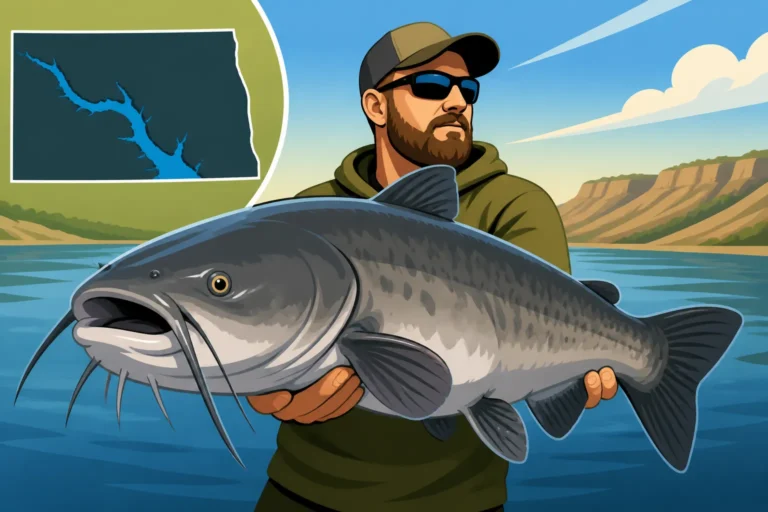
Walleye are undoubtedly the star attraction for many, and Lake Tschida consistently produces good numbers, often with some true trophies mixed in. They favor the deeper water, especially around submerged structures, points, and the old river channel, but will move shallow to feed during low light conditions or during their spring spawn. Northern pike are another popular target, offering aggressive strikes and a serious fight. You'll find them lurking in weed beds, around submerged timber, and in the shallower bays, particularly during the cooler months. For those who enjoy a strong tug and a plentiful bite, the channel catfish population is phenomenal, especially in the muddier, warmer sections of the lake and up the river arm. Beyond these heavy hitters, anglers can also find yellow perch, crappie, and even some largemouth bass, adding to the lake's diverse angling opportunities.
Seasonal Changes and Water Levels
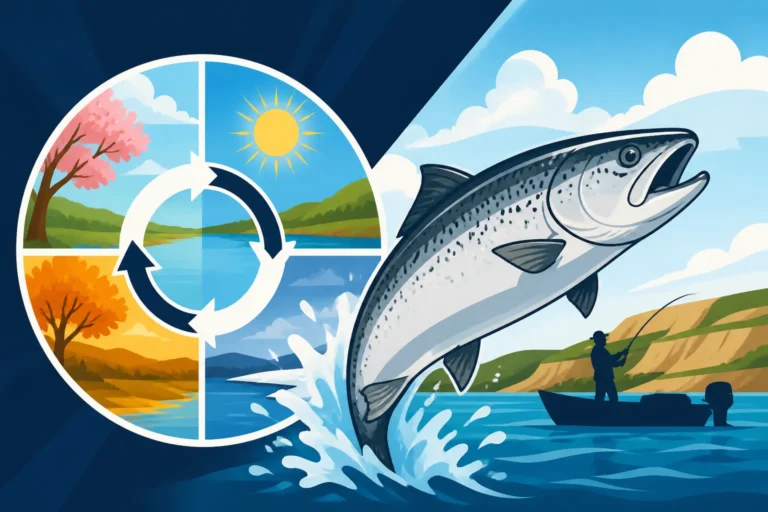
The fishing experience on Lake Tschida is profoundly influenced by the changing seasons and, perhaps most critically, by its water levels. Unlike some larger, more stable reservoirs like Lake Sakakawea, Lake Tschida's levels can fluctuate considerably throughout the year, impacting everything from boat access to fish habitat. Spring brings higher water levels from snowmelt and rain, often pushing fish into newly flooded areas and making certain bays more accessible. This is a prime time for shallow water action, especially for pike and spawning walleye.
As summer progresses, water levels can drop due to irrigation demands and evaporation, sometimes exposing structures that were previously submerged and concentrating fish into remaining deep pockets or near current. This can make boat launching tricky at some ramps if you're not paying attention. The fall sees a gradual cool-down, often leading to a "fall turnover" where the water column mixes, and fish become highly active as they feed heavily for winter. Finally, winter brings ice fishing, offering a completely different set of challenges and rewards, with access depending entirely on ice thickness. Always check the North Dakota Game and Fish Department website or local bait shops for current water level reports and fishing conditions before heading out, as these factors dictate where and how you might fish.
Prime Fishing Spots on Lake Tschida
Successfully fishing Lake Tschida isn't just about having the right bait; it's about understanding the lay of the land, or rather, the lay of the water. Each section of the lake offers unique opportunities, and knowing where to focus your efforts can drastically improve your chances of a successful outing.
Shore Fishing Hotspots
For many anglers, especially those without a boat or who simply prefer the tranquility of land-based fishing, finding accessible and productive shore fishing spots is paramount. Lake Tschida offers several areas where you can set up a comfortable camp and cast a line. The public use areas around the Heart Butte Dam are excellent starting points. Here, you often have access to deeper water relatively close to shore, making it prime for walleye, sauger, and even catfish. The rip-rap along the dam face itself can hold fish, especially when current is moving or during windy conditions that push baitfish closer to shore.
Further west, as the lake narrows and becomes more riverine, numerous small coves and points offer bank access, though these might require a bit more exploration to find. These shallower, vegetated areas are fantastic for northern pike, particularly in the spring and fall when they cruise the shallows looking for an easy meal. Remember, fishing pressure can impact these spots, so don't be afraid to walk a bit further or explore lesser-known trails. Always respect private property signs and be mindful of your surroundings. Some anglers also find success fishing around the mouths of small coulees that feed into the lake, especially after a rain, as these can wash in nutrients and attract baitfish.
Best Boat Access Points and Deep-Water Structures
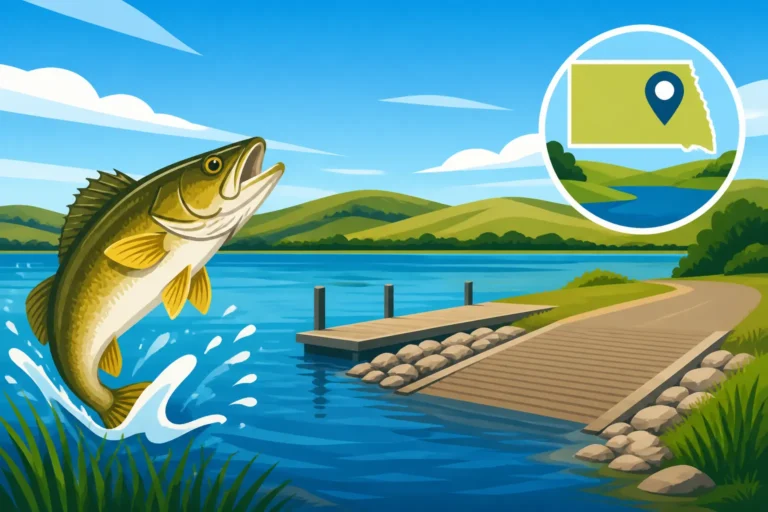
For those with a boat, Lake Tschida truly opens up, offering access to its vast, diverse waters. There are several well-maintained boat ramps, including the main ramp near the dam and others located further up the lake, such as at the Heart Butte State Recreation Area. However, as mentioned earlier, always check water levels before you go, as some ramps can become unusable during periods of low water. Once you're on the water, the real exploration begins.
Deep-water structures are often the key to finding concentrations of walleye and sauger, especially during the summer months. Focus your efforts on the old river channel that winds through the lake. Modern fish finders are invaluable here, allowing you to trace the channel edges, identify submerged humps, and pinpoint rock piles that hold fish. Look for sudden depth changes, areas where the channel bends, or where smaller creek beds intersect the main channel. Points extending into deeper water are also prime real estate, as fish will often stage on these structures, ambushing baitfish moving between shallow and deep water. The main basin near the dam, with its greater depth, is often a reliable spot, especially for larger walleye.
Tributary and Embayment Fishing
The shallower, more protected embayments and the upper reaches of the Heart River arm offer a completely different fishing experience, often appealing to anglers targeting northern pike, panfish, and particularly channel catfish. These areas typically warm up faster in the spring and hold more vegetation, creating ideal ambush points for pike. Casting weedless spoons, spinnerbaits, or topwater lures into these weedy flats can lead to explosive strikes.
The Heart River arm, upstream from the main body of the lake, is particularly renowned for its exceptional channel catfish fishery. As the river narrows and current becomes more noticeable, catfish thrive in the turbid waters, often congregating in deeper holes or along undercut banks. Using stink baits, cut bait, or even a simple nightcrawler rig can be incredibly effective here. You might even stumble upon some decent sized walleye pushing upriver, especially during their spawning migration. Exploring these tributaries and embayments can offer a more secluded fishing experience and a chance to target species that might be harder to find in the main lake basin. It's also a great place for kayak fishing in North Dakota, allowing you to silently slip into areas that bigger boats can't reach.
Targeting Key Species: Techniques and Tactics
Knowing where to find fish is only half the battle; the other half is understanding how to catch them. Each prominent species in Lake Tschida requires a slightly different approach, and mastering these techniques can be the difference between a good day and a truly memorable one.
Walleye Strategies and Lures
Walleye are often considered the holy grail for North Dakota anglers, and catching them consistently on Lake Tschida requires a blend of patience and adaptable tactics. In the spring, after the ice recedes, walleye move shallow to spawn. This is an excellent time for jigging with live bait like minnows or using small crankbaits fished slowly along the shoreline breaks and rocky points. As the water warms, they'll transition to deeper structures. Many anglers find success trolling crankbaits over flats and along the old river channel edges. The key is to match your lure's depth to where the fish are holding. Popular choices for Lake Tschida walleye often include Rapala Shad Raps, Berkley Flicker Shads, or custom painted crankbaits that mimic the lake's forage base.
Bottom bouncing with spinner rigs tipped with leeches or nightcrawlers is another highly effective method, especially during the summer. This allows you to cover water efficiently while keeping your bait in the strike zone near the bottom. When fishing during a cold front in North Dakota, remember that walleye can become lethargic and might require a slower presentation, so be prepared to scale down your lure size or slow down your retrieve. For those who enjoy a more active approach, vertical jigging spoons or blade baits directly over submerged humps or schools of baitfish can trigger aggressive strikes, especially when fish are tightly schooled. If you're looking to dive deeper into techniques, check out our North Dakota Walleye Fishing Techniques guide for more comprehensive advice.
Northern Pike Pursuit
Northern pike are abundant in Lake Tschida and offer exciting action, often making them a favorite for both seasoned anglers and beginners. Their aggressive nature means they're not usually too picky, but certain tactics will put more fish in your boat. Early spring and late fall are prime times for pike, as they move into shallower bays and weed beds. Large spoons (like Daredevls or Johnson Silver Minnows), spinnerbaits, and crankbaits that imitate baitfish are all excellent choices for casting into these areas. Don't be afraid to use flashy colors, as pike are visually oriented predators.
During the warmer summer months, pike often retreat to deeper, cooler water, but they will still relate to dense weed lines and submerged timber. Trolling larger crankbaits or bucktail spinners along these deep weed edges can be productive. Topwater lures, such as frogs or walk-the-dog style baits, can also provide heart-stopping action in low-light conditions over shallow vegetation. If you're targeting bigger pike, consider using a steel leader to prevent bite-offs from their razor-sharp teeth. To truly up your game, our How to Fish for Northern Pike in North Dakota article provides even more detailed strategies. For ice fishing, tip-ups set with large smelt or sucker minnows are a classic and highly effective method for targeting these toothy predators through the ice.
Catfish and Panfish Techniques
Lake Tschida is a phenomenal catfish lake, especially for channel catfish, offering consistent action and a chance at some truly large fish. The Red River of the North might get all the fame for trophy cats, but Lake Tschida holds its own. The Heart River arm and the shallower, muddier bays are prime catfish territory. Catfish are primarily bottom feeders, so a simple bottom rig with a slip sinker and a circle hook is usually all you need. The key is your bait. Stink baits, cut bait (like pieces of sucker or shad), chicken livers, and nightcrawlers are all highly effective. Fishing at night can be particularly productive, as catfish become more active under the cover of darkness.
For panfish like yellow perch and crappie, the tactics are generally lighter and more finessed. Perch are often found in schools, relating to softer bottom areas with some vegetation or along subtle breaks. Small jigs tipped with a minnow or a piece of nightcrawler, or even tiny plastic grubs, can be irresistible. Crappie often prefer brush piles, submerged trees, and other forms of cover. Spider rigging with multiple rods, each sporting a small jig or minnow, is a popular way to cover water and find crappie schools. For both perch and crappie, paying attention to depth and subtle structure changes is key. These species provide excellent opportunities for kids and families, offering plenty of bites and making for a fantastic shore lunch.
Optimal Fishing Seasons and Times
Understanding the seasonal flow of Lake Tschida is like having a cheat sheet for fishing success. Fish behavior changes dramatically with water temperature, light conditions, and available forage, so tailoring your approach to the time of year is crucial.
Spring Thaw and Early Season Success
Ah, the glorious spring! After the long North Dakota winter, the ice finally gives way, and anglers eagerly hit the open water. This "ice-out" period is often one of the most exciting times to fish Lake Tschida. As the water warms, baitfish become more active, and game fish shake off their winter lethargy. For walleye, this is their spawning season, and they'll move into shallower, rocky areas, points, and even up the Heart River arm. Jigging with minnows or slowly retrieving suspending stickbaits can be incredibly effective during this time. Focus on areas that receive the most sunlight and warm up fastest.
Northern pike are also incredibly active in the spring, congregating in the shallow, vegetated bays to spawn. They're often aggressive and will readily hit spinnerbaits, spoons, and large swimbaits cast into the emergent weeds. The turbidity of the spring meltwater can sometimes make fishing challenging, but it also provides cover for predators. The crucial factor here is water temperature; as it creeps from the low 40s into the 50s Fahrenheit, the bite will really turn on. Be mindful that even though the air feels warm, the water is still cold, so prioritize safety, especially if you're in a boat. A general North Dakota Fishing Season Calendar can give you a broad idea of species activity throughout the year.
Summer Patterns and Night Fishing
Summer fishing on Lake Tschida brings its own set of challenges, mainly due to warmer water temperatures and increased recreational boat traffic during the day. As the water warms, walleye and sauger often retreat to deeper, cooler waters, relating to structure like the old river channel, submerged humps, and steep drop-offs. Trolling crankbaits or bottom bouncing with live bait over these deep-water haunts becomes the most productive method. Look for schools of baitfish on your fish finder, as predatory fish are rarely far behind.
One of the best-kept secrets for summer success on Lake Tschida is night fishing. As the sun sets, the water cools, and boat traffic dissipates, many species become significantly more active. Walleye frequently move into shallower feeding flats and along shorelines under the cover of darkness. Trolling shallow-running crankbaits or casting stickbaits can produce fantastic results. Night fishing is also prime time for channel catfish, which are nocturnal feeders. They'll readily hit cut bait or stink baits fished on the bottom in shallower bays or along river bends. Be prepared with good lighting, mosquito repellent, and ensure your boat's navigation lights are in perfect working order.
Fall Turnover and Ice Fishing Outlook
As summer transitions to fall, a phenomenon known as "fall turnover" occurs. This is when the surface waters cool, become denser, and sink, mixing with the deeper water. This process can sometimes make fishing tough for a few days, but once the lake settles, the fall bite can be absolutely legendary. Fish become incredibly active as they feed aggressively in preparation for winter. Walleye will move shallower, often feeding heavily on points, flats, and around baitfish schools. Trolling, jigging, and casting minnow-imitating lures are all effective.
For northern pike, fall is often the time to target true trophies. They'll be found in relatively shallow water, especially around remaining green weeds or submerged wood, gorging themselves on baitfish. Large spoons, spinnerbaits, and even large dead baits fished under a bobber can entice these giants. As the temperatures continue to drop and ice begins to form, anglers shift their focus to ice fishing. Lake Tschida offers good ice fishing opportunities for walleye, pike, and perch, especially in the shallower bays. Be sure to check local ice conditions rigorously, and review guides like How to Ice Fish in North Dakota to ensure a safe and successful trip. Early ice is often fantastic, but safety should always be your top priority.
Essential Gear and Local Considerations
Every successful fishing trip, especially to a dynamic lake like Tschida, hinges on having the right tools for the job and respecting the local environment and regulations. Don't let a missing piece of gear or an overlooked rule spoil your day on the water.
Recommended Rods, Reels, and Line
Having the right rod, reel, and line setup can make a significant difference in your success and enjoyment. For Lake Tschida's walleye, a medium-light to medium power spinning rod, around 6'6" to 7' in length, paired with a 2000 or 2500 series spinning reel, is a versatile choice. Spool it with 6-10 lb braided line, adding a fluorocarbon leader for stealth. This setup is excellent for jigging, rigging, and even light crankbait trolling. If you're primarily trolling, a longer (7'-8'6") medium power baitcasting or trolling rod with a line counter reel and 10-14 lb monofilament or braid is ideal for managing multiple lines and precise depth control.
When targeting northern pike, especially the larger ones, you'll want to step up your gear. A medium-heavy to heavy power casting or spinning rod, 6'6" to 7'6" in length, spooled with 20-50 lb braided line and a strong fluorocarbon or steel leader, is recommended. This provides the backbone needed to cast larger lures and handle the strong runs and sharp teeth of a big pike. For catfish, a sturdy medium-heavy to heavy action rod with a strong baitcasting reel and 15-30 lb monofilament or braided line will give you the power to pull in those big whiskered fighters. Remember, having a selection of Best Fishing Rods for North Dakota Anglers can make you ready for any species.
Navigational Tools and Safety Gear
Safety on any North Dakota lake, especially one that can get choppy like Tschida, should always be your number one concern. A reliable GPS unit or a chartplotter on your boat is not just a convenience; it's a critical safety and navigational tool. Lake Tschida's subtle submerged structures and the winding old river channel can be tricky to navigate, especially for newcomers. Mapping software that highlights depth contours and structural elements will help you identify prime fishing spots and avoid hazards. Many anglers find apps like Navionics or C-MAP invaluable for pre-fishing planning and on-water navigation.
Beyond navigation, ensure you have all required safety gear. This includes properly fitting life jackets for everyone on board (and ensuring kids actually wear theirs), a throw cushion, a whistle or air horn, a fire extinguisher, and proper lighting for dawn, dusk, or night fishing. Carry a well-stocked first-aid kit, a communication device (charged cell phone at minimum, marine radio is better), and extra drinking water. Always let someone know your float plan – where you're going and when you expect to return. The weather in North Dakota can change rapidly, so keep an eye on forecasts and be prepared to get off the water if conditions deteriorate.
Local Regulations and Amenities
Before casting a line, make sure you're up to date on all North Dakota Fishing Regulations Explained. Ignorance of the law is no excuse, and wardens regularly patrol the lake. This includes having a valid North Dakota Fishing License Guide, adhering to specific length and daily creel limits for each species, and understanding any special regulations that might be in place for Lake Tschida itself. These regulations can change, so always check the current North Dakota Game and Fish Department proclamation.
Beyond regulations, consider the local amenities. The area around Lake Tschida, including the town of Elgin nearby, offers some basic services. You'll find bait and tackle at local convenience stores or sporting goods shops, though it's always wise to call ahead to ensure availability, especially for specific live baits. Camping is available at the Heart Butte State Recreation Area, offering boat launches, campsites, and basic facilities, which makes it a great spot for multi-day fishing trips. For those looking for guided experiences or wanting to quickly find local hot spots, services like FishingBooker can sometimes help connect you with local North Dakota guides who know Lake Tschida inside and out, offering invaluable local insights and ensuring you hit the ground running. Remember to always practice Leave No Trace principles, packing out everything you pack in, and helping keep Lake Tschida beautiful for future generations of anglers.
Disclaimer
The information provided in this guide is for general informational purposes only and is subject to change. Fishing regulations, water levels, and fish populations can vary based on environmental conditions and management decisions by the North Dakota Game and Fish Department. Always consult the most current official North Dakota fishing proclamation and local authorities before planning your fishing trip to ensure compliance and safety.