Where to Fish the Missouri River in Downtown Bismarck
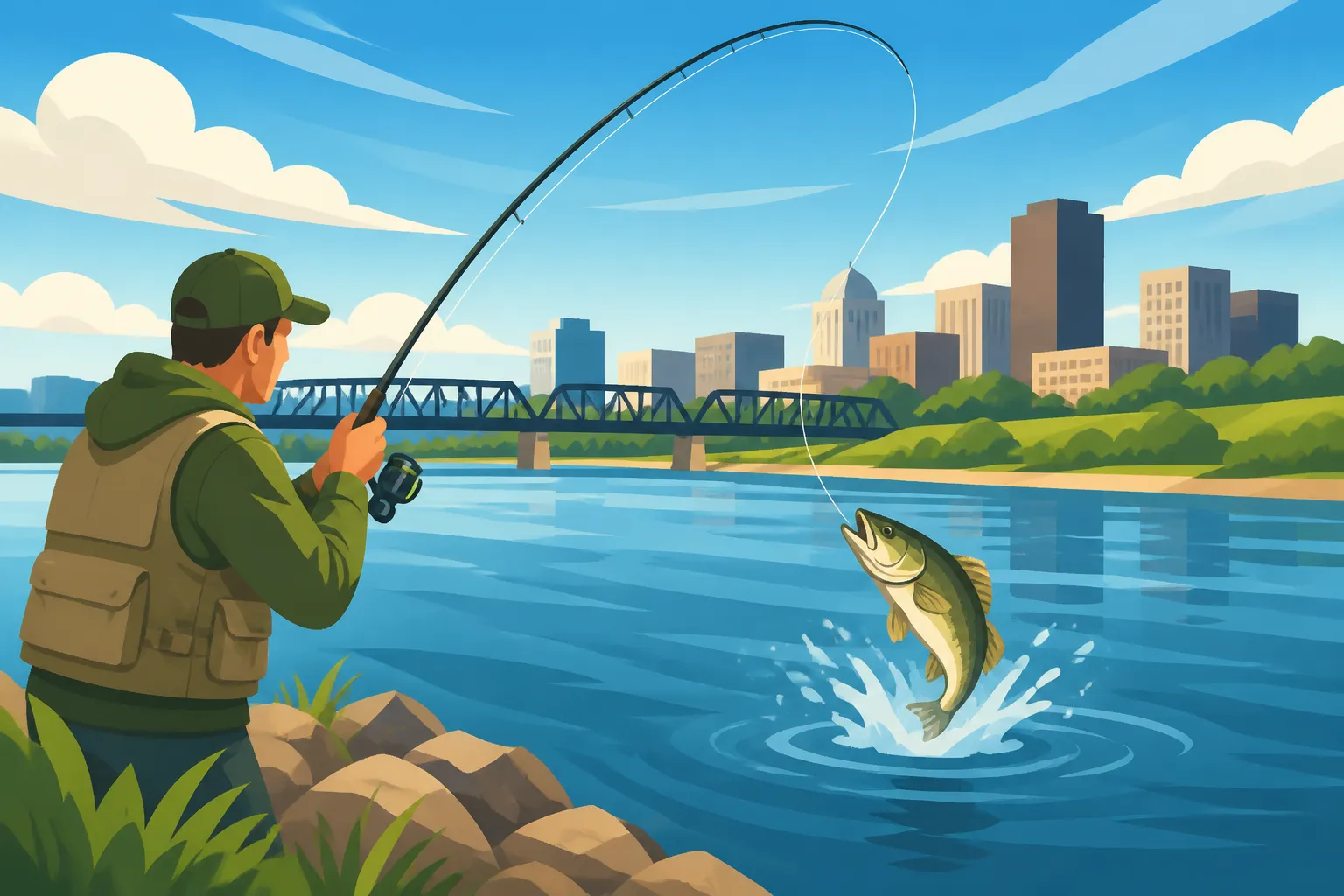
Fishing a big river, especially one that flows right through a bustling city like Bismarck, can feel a bit daunting. You might see the water, know there are fish in there, but just stare at the endless expanse wondering, "Where do I even begin?" It’s a common frustration, especially with the Missouri River's powerful currents and varied depths. This comprehensive guide is designed to cut through that confusion, giving you the insider scoop on how to successfully fish the Missouri River right in downtown Bismarck, whether you’re casting from shore or venturing out in a boat.
Understanding the Missouri River in Downtown Bismarck
The Missouri River isn't just a scenic backdrop for Bismarck; it's a vibrant fishery that offers incredible opportunities for anglers. However, fishing this urban stretch comes with its own set of characteristics that are crucial to understand for a successful outing.
Unique Characteristics of the Urban Stretch
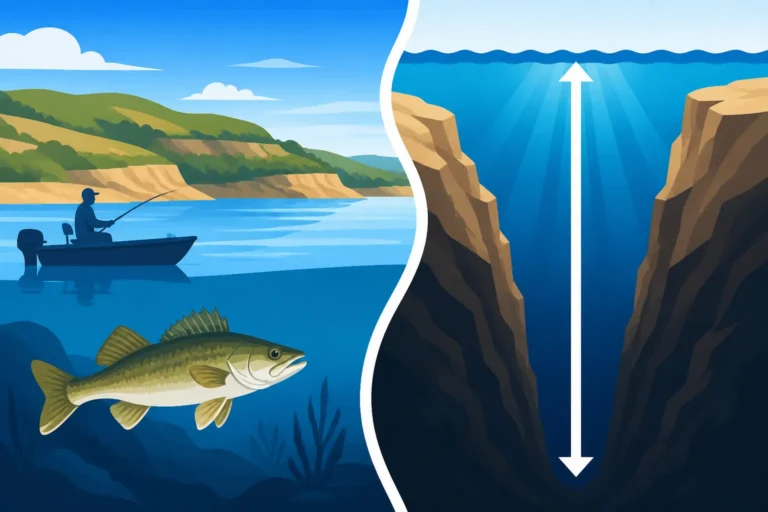
When you're looking at the Missouri River as it carves its path through downtown Bismarck, you're not just seeing a single, uniform body of water. This section of the river is a dynamic environment, constantly shaped by current, depth, and the very structures that define the city's waterfront. The river here can be surprisingly deep in some spots, especially along the main channel, while quickly transitioning to shallower flats or sandbars closer to shore. The current, which can be quite strong, is a major factor that dictates where fish hold and how you should present your bait or lure. Fish will often seek out current breaks – areas where the flow is reduced – to conserve energy, making these prime targets. This could be behind a submerged rock pile, a bend in the river, or even the eddies formed by bridge pilings.
Furthermore, the urban landscape itself introduces unique structures. Docks, rip-rapped shorelines, old submerged debris from past construction, and even discharge pipes can create cover and ambush points for various species. These man-made features often attract baitfish, which in turn draw in predatory game fish. Keeping an eye out for these subtle changes in depth, current, and structure, whether natural or man-made, is key to unlocking the river's potential. It's a constant puzzle, but one that rewards careful observation and a willingness to adapt your approach.
Key Fish Species to Target
The Missouri River around Bismarck is a smorgasbord of fantastic game fish, each offering a unique challenge and reward. Knowing what you're likely to encounter helps you tailor your gear and techniques.
The king of North Dakota waters, the Walleye, is abundant here. They love those current breaks and deeper holes, especially during low light conditions or when the water is a bit stained. You'll find them holding near submerged structures, waiting to ambush baitfish. Many anglers travel far and wide to experience the incredible opportunities for North Dakota Walleye Fishing Guide right here.
Channel Catfish are another major draw, particularly for those who enjoy a strong fight. The Red River is famous for its catfish, but the Missouri through Bismarck holds some truly impressive specimens as well. They're often found in deeper runs and holes, especially those with slower currents, and they're not shy about hitting a variety of baits. For a deeper dive, check out our North Dakota Channel Catfish Fishing Guide.
Northern Pike are present too, especially in areas with a bit more vegetation or slower backwater areas, though they can also be found lurking near current seams, ready to dart out for a meal. While not as concentrated as in some of the state's larger lakes, don't be surprised to hook into a toothy pike while fishing for other species. Our North Dakota Northern Pike Fishing Guide offers more insights into these aggressive predators.
Sauger, often mistaken for walleye, are also common. They tend to prefer stronger currents and deeper, turbid water than walleye, making the Missouri River a perfect habitat. They're excellent eating and offer a similar fight to walleye.
Finally, Smallmouth Bass are a blast to catch, known for their powerful strikes and acrobatic jumps. They prefer rocky bottoms and current, often found near bridge pilings, rip-rapped banks, and rocky points. If you're looking for more specific information on these feisty fish, our Missouri River Smallmouth Bass Spots Near Bismarck guide could be incredibly helpful. You might even stumble upon some Goldeye, an underrated fighting fish that often gets overlooked.
Prime Shore Fishing Spots and Access Points in Downtown Bismarck
For many anglers, especially those new to the area or just looking for a relaxing evening, shore fishing is the easiest and most accessible way to experience the Missouri River in Bismarck. The city has done a commendable job creating public access points that allow you to get right to the water's edge.
Public Parks and Riverfront Areas
The Bismarck riverfront is dotted with several public parks and recreational areas that offer fantastic shore fishing opportunities. These spots provide not only convenient access but often amenities like parking, restrooms, and sometimes even picnic areas, making them ideal for a family outing.
One of the most popular and easily accessible spots is Steamboat Park. Located right off Riverwood Drive, this park boasts a long stretch of walkable shoreline and several fishing piers that extend into the river. The piers are excellent for getting your bait out into slightly deeper water or over submerged structure that might be out of casting range from the bank. Here, you can target walleye and sauger along the drop-offs and current seams near the main channel, or try for catfish in the slightly slower, deeper holes. During the summer, you might even see smallmouth bass patrolling the rocky areas along the rip-rap. The accessibility makes it a prime location for beginners or those with limited mobility.
Just south of Steamboat Park is Cottonwood Park. While it doesn't have the same extensive pier system, it offers more natural shoreline access and is often less crowded. The bends and eddies here can hold good numbers of catfish, especially closer to dusk. Look for areas where the current slows down, creating a natural feeding zone for larger bottom dwellers. Remember to always bring a valid North Dakota Fishing License Guide, no matter how quick your fishing trip might be.
Bridge Access and Underpasses
While perhaps not as picturesque as a dedicated park, the areas around bridges and underpasses can be absolute goldmines for anglers dueuing to the unique current dynamics and structure they provide.
The most prominent example is the Bismarck-Mandan Memorial Bridge (Highway 10/1804). The bridge pilings themselves create significant current breaks and scour holes that attract various fish species. Fishing from the banks upstream or downstream of the bridge can be highly productive. Downstream, the current tends to slow and spread out a bit, creating broader areas where walleye and sauger can hold. Upstream, the deeper cuts around the pilings are excellent for targeting larger catfish. It’s important to exercise caution in these areas, as they can sometimes be steep or uneven, and always be aware of your surroundings, including foot and vehicle traffic. You should also be mindful of your casting, especially if there are other anglers or pedestrians nearby.
Another option is to explore the banks beneath the I-94 Bridge, though access here can be a bit more challenging and might require some walking. These areas often feature less disturbed stretches of riverbank, potentially holding more natural cover. Always check for "no trespassing" signs or restrictions before venturing into less official access points. When fishing these kinds of spots, a good pair of waders can be invaluable for reaching prime casting positions. Always prioritize safety, especially when dealing with the powerful flow of the Missouri River.
Boat Launch Options and Navigating the Bismarck Section
For those who prefer to explore more of the Missouri River's vastness, getting out on the water in a boat opens up a whole new world of fishing possibilities. Fortunately, Bismarck offers excellent boat launch facilities.
Public Boat Ramps and Marinas
Bismarck provides several well-maintained public boat ramps that cater to anglers looking to hit the Missouri River. These facilities typically offer ample parking and easy access, making your launch and retrieval experience smooth.
The Grant Marsh Bridge Ramp, located on the Bismarck side near the Interstate 94 bridge, is a popular choice. It provides direct access to the main channel of the Missouri River and is a great starting point for heading either upstream towards the Garrison Dam tailrace or downstream towards Lake Oahe. This ramp is usually open year-round, weather permitting, and offers sufficient parking for trucks and trailers. From here, you can easily reach deeper holes, prominent sandbars, and current seams that are inaccessible from shore. Many anglers will head out from here to target walleye, sauger, and even salmon (further north, towards Sakakawea) depending on the season and where they choose to roam.
Another excellent option is the Missouri River Boat Ramp located within Steamboat Park. This ramp is particularly convenient for those wanting to fish the immediate downtown Bismarck area without traveling too far. It's often busy, especially on weekends, but its central location is a huge plus. This ramp is an ideal gateway for exploring the channels, eddies, and subtle depth changes near the city's riverfront. You might consider using a resource like FishingBooker to connect with local guides who launch from these very ramps and can provide invaluable insights into current fish patterns and hot spots. They know the river like the back of their hand and can save you a lot of trial and error!
Boating Considerations for Current and Traffic
Navigating the Missouri River around Bismarck in a boat requires a good understanding of its unique challenges, primarily the strong current and potential for other boat traffic. This isn't a small, placid lake, so respect for the river's power is paramount.
The Missouri River has a robust current, especially during periods of higher water flow, which can be influenced by releases from the Garrison Dam upstream. This current can make boat control challenging, particularly when trying to hold a position for fishing. A powerful trolling motor or a good anchor system is essential. When anchoring, always ensure your anchor is firmly set and consider using two anchors in strong currents for added stability. Always be aware of snags on the bottom when anchoring.
Beyond the current, you'll encounter other boat traffic. Pleasure boaters, jet skis, and other anglers will share the water, especially on warm summer weekends. Always practice safe boating, maintain a proper lookout, and be aware of navigational rules. Large wakes can quickly make conditions choppy, so be prepared to adjust your boat's position or speed accordingly. When drifting, always keep an eye on what's downstream and be prepared to move if you're approaching hazards or other boats. Learning the ins and outs of North Dakota Boat Registration Requirements will also be crucial for any new boaters to the area.
Essential Gear and Techniques for Downtown Bismarck
Having the right gear and knowing how to use it effectively will dramatically increase your chances of success on the Missouri River in downtown Bismarck. This river demands versatility, as conditions and target species can vary.
Recommended Rods, Reels, and Line
For general all-around fishing on the Missouri River, you'll want gear that can handle the current and potentially larger fish. A medium to medium-heavy spinning rod, typically in the 6'6" to 7'6" range, paired with a reliable spinning reel in the 2500-3500 size range, is a great starting point. This setup offers enough backbone for fighting strong walleye or catfish, while still being sensitive enough to detect subtle bites. For those targeting bigger catfish specifically, a heavier action rod and a baitcasting reel with a robust drag system might be preferred.
When it comes to line, braided line is often favored due to its strength, sensitivity, and lack of stretch, which is excellent for detecting bites in current and setting hooks from a distance. A 10-20 lb braided main line is common, often with a 6-12 lb fluorocarbon leader. The fluorocarbon leader is nearly invisible underwater and offers good abrasion resistance against rocks and submerged debris. However, if you're primarily targeting smaller panfish or are fishing in very clear water, a high-quality monofilament line might also be effective. Always consider the potential for snags; bringing extra line and leaders is a wise move when fishing a river with varying bottom structure.
Effective Baits and Lures
The Missouri River offers a diverse menu for its fish, so a varied approach to baits and lures is often best. For walleye and sauger, live bait is consistently effective. Minnows (shiners or fatheads) fished on a How to Rig a Slip Bobber for Walleye setup, or pulled behind a bottom bouncer, are classic choices. Nightcrawlers, fished on a Lindy Rig or harness, are also deadly, especially when drifted slowly along contours. Artificials like jigs (1/4 to 3/4 oz, depending on current and depth), tipped with a plastic grub or a live minnow, are fantastic for probing deeper holes and current breaks. Colors like chartreuse, white, and orange often perform well in the river's stained waters.
For the hard-fighting channel catfish, cut bait is king. Pieces of sucker, shad, or even chicken liver are irresistible to them. Rig these on a slip sinker rig with a stout circle hook, allowing the bait to sit on the bottom in deeper runs. Fishing at night can be particularly productive for catfish. As for Northern Pike, larger spoons, inline spinners, or crankbaits in bright colors are usually your best bet. Remember, the Best Bait for North Dakota Fishing often depends on the species you're targeting and the time of year.
Seasonal Strategies
The fishing on the Missouri River changes significantly with the seasons, requiring anglers to adapt their tactics.
Spring (Ice-out to early June): As the ice melts and water temperatures begin to rise, fish become more active. Walleye and sauger will often move shallower, particularly to spawning areas. This is a prime time for jigging with minnows or slow-trolling crankbaits in areas with current breaks. Catfish also start to become more active, moving into shallower feeding grounds. The North Dakota Open Water Fishing Season truly kicks off with a bang in the spring.
Summer (June to August): During the warmer months, fish tend to move to deeper, cooler water, especially during the heat of the day. Early mornings and late evenings often offer the best bite. Walleye can be found on deep structure, sandbars, and main channel contours, often targeted with bottom bouncers and spinner rigs or deeper diving crankbaits. Catfish action is excellent, with night fishing being particularly productive in deeper holes. Smallmouth bass will be active around rocky areas and bridge pilings.
Fall (September to November): As water temperatures drop, fish begin to feed heavily in preparation for winter. This can be one of the best times to target trophy-sized walleye and northern pike. Walleye often move shallower again in the mornings and evenings, hitting jigs and crankbaits aggressively. Catfish will also remain active until water temperatures get very cold. The cooler weather means less boat traffic and a more peaceful fishing experience.
Regulations, Safety, and Local Etiquette
Before you even make your first cast, it's absolutely crucial to be familiar with the local rules and regulations and to prioritize safety on the water. The Missouri River is a powerful and popular waterway, and respecting it and your fellow anglers is part of the experience.
North Dakota Fishing License and General Regulations
This should be your first step: every angler aged 16 and older needs a valid North Dakota fishing license to fish any public waters in the state. This includes the Missouri River, whether you're casting from shore in downtown Bismarck or out in a boat. You can easily purchase a license online through the North Dakota Game and Fish Department website, or from various retailers across the state. Not having one can lead to fines and a ruined day on the water. To ensure you’re always compliant, a detailed resource like the North Dakota Fishing Regulations Explained is invaluable.
Beyond the license, it’s vital to understand the general fishing regulations. These include species-specific daily and possession limits, which vary by fish and sometimes by water body. For instance, there are specific limits for walleye, northern pike, and catfish that you need to be aware of. You also need to know about gear restrictions, such as the maximum number of lines you can fish with in North Dakota. Typically, this is two lines, but always confirm the current regulations. Ignoring these rules not only risks penalties but also impacts the sustainability of our fisheries. Make sure to consult the most recent North Dakota Game and Fish Department Fishing Guide, which is updated biennially.
River Safety and Urban Fishing Etiquette
Safety on the Missouri River cannot be overstressed. Its currents can be swift and deceptively powerful. Always wear a life jacket when boating, and consider it even when shore fishing near fast-moving water, especially if you're not a strong swimmer or if you're fishing alone. Be mindful of unstable banks, especially after heavy rains or during spring thaw, as they can erode and collapse unexpectedly. If boating, keep a close eye on weather forecasts; sudden storms can turn the river into a dangerous place quickly. Always let someone know where you're going and when you expect to return, particularly if you're fishing in more remote areas.
When it comes to urban fishing etiquette, a little common sense and courtesy go a long way. Public access points in downtown Bismarck can get busy, so be respectful of other anglers' space. Avoid casting directly over someone else's line, and be mindful of your noise level. Pick up all your trash – discarded fishing line, bait containers, and food wrappers have no place on our beautiful riverbanks. Consider bringing a small bag specifically for your waste. If you’re boating, be aware of shore anglers and give them a wide berth; your wake can be disruptive to their fishing and potentially hazardous. Many of the best fishing lakes near Bismarck are shared spaces, and treating them with respect ensures everyone can enjoy the experience.
Here's a quick reference table for some popular spots and what you might catch:
| Location | Access Type | Primary Target Species | Best Season | Key Features |
|---|---|---|---|---|
| Steamboat Park | Shore / Pier | Walleye, Catfish, Smallmouth Bass, Sauger | Spring, Summer, Fall | Fishing piers, walkable shoreline, amenities |
| Cottonwood Park | Shore | Catfish, Walleye | Summer, Fall | Natural shoreline, quieter, good for catfish |
| Memorial Bridge (Hwy 10) | Shore | Walleye, Sauger, Catfish, Smallmouth Bass | Spring, Summer, Fall | Bridge pilings, current breaks, deeper holes |
| Grant Marsh Bridge Ramp | Boat Launch | Walleye, Sauger, Catfish, Northern Pike | All Open Seasons | Easy access to main channel, ample parking |
| Steamboat Park Boat Ramp | Boat Launch | Walleye, Sauger, Catfish | All Open Seasons | Convenient downtown access, close to fishing areas |
Final Thoughts and Planning Your Trip
Fishing the Missouri River in downtown Bismarck offers a truly unique experience, blending urban convenience with fantastic angling opportunities. Whether you prefer the simplicity of casting from shore at Steamboat Park or the freedom of exploring the main channel by boat from the Grant Marsh Bridge Ramp, this stretch of river has something for everyone. Don't be afraid to experiment with different baits and techniques, pay attention to the current and structure, and always keep an eye on the latest North Dakota Fishing Season Dates and Limits.
If you're new to the area or just want to maximize your time on the water, consider booking a trip with a local guide. Services like FishingBooker can help you find experienced captains who specialize in Missouri River fishing and can put you on the fish, teaching you the local nuances along the way. They often have the specific gear and knowledge for everything from Walleye to Smallmouth Bass. Even if you don't book a guide, looking at available trips can give you an idea of what species are biting and what techniques are popular.
Most importantly, embrace the challenge and enjoy the process. Every cast is an adventure, and the reward of hooking into a powerful Missouri River walleye or a hard-fighting catfish right in the heart of Bismarck is truly something special. So, grab your gear, check the regulations, and get out there – the river is calling!
Disclaimer
The information provided in this guide is for general informational purposes only and is subject to change. Fishing regulations, season dates, and access points can vary. Always consult the official North Dakota Game and Fish Department website or their latest fishing proclamation for the most current and accurate regulations before you go fishing. Safety should always be your top priority when on or near the water.