Little Missouri River Fishing Spots
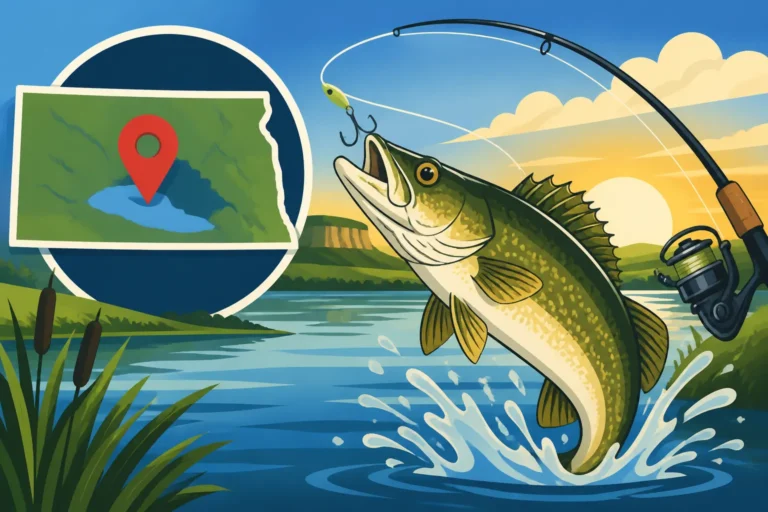
Fishing the Little Missouri River can feel like stepping into a different world compared to North Dakota's expansive lakes or the mighty mainstem of the Missouri. Its unique, untamed character presents distinct challenges and rewards for anglers, often leaving newcomers wondering where to even begin. This guide will dive deep into navigating its remote stretches, identifying the best spots, and mastering the techniques needed to successfully fish this rugged badlands waterway.
Navigating the Wild Waters of the Little Missouri River
The Little Missouri River is a true gem of North Dakota's badlands, offering an entirely different angling experience than the sprawling reservoirs or wide, slow-moving rivers many are accustomed to. It's a place where patience, adaptability, and a willingness to explore truly pay off.
The Untamed Character of a Badlands River
Unlike larger, more regulated waterways, the Little Missouri River flows largely unrestricted through dramatic badlands terrain, its character changing significantly with rainfall and seasons. It's generally a shallow river, characterized by a mix of fast riffles, deeper scour holes around bends, and long, slow stretches. The bottom is often a mix of sand, gravel, and mud, with occasional rock outcroppings. The water can range from clear during stable periods to heavily stained and muddy after significant rain events, making fish location and presentation a constant puzzle. Because of its wild nature, you won't find many developed boat ramps. Access often means scouting for public land adjacent to the river, hiking in, or launching smaller, hand-propelled craft like canoes or kayaks from more primitive spots. This untouched quality is precisely what draws many anglers, offering a sense of solitude and a connection to nature that's hard to find elsewhere.
The seasonal fluctuations are also a major factor. In spring, snowmelt and heavy rains can cause the river to swell and become quite turbid, making fishing challenging. As summer progresses, water levels often drop, revealing more sandbars and making wading more feasible in certain areas. Fall can offer some of the most stable and enjoyable conditions, with cooler temperatures and often clearer water. Understanding these cycles is crucial for planning a successful trip. The scenery alone, with its majestic buttes, deep canyons, and diverse wildlife, is a compelling reason to visit, even if the fish aren't always biting like crazy.
Common Fish Species in the Little Missouri
While you won't find the prolific walleye or pike fisheries of lakes like Sakakawea or Devils Lake, the Little Missouri River holds a diverse and often underestimated population of riverine species. Knowing what to target will greatly improve your experience.
The undisputed king of the Little Missouri is the Channel Catfish. These robust fish thrive in the river's varied currents and can grow to impressive sizes, particularly in the deeper holes and slower stretches. They are aggressive eaters, always on the lookout for a meal, making them a popular target. Anglers often find them congregated in pools below riffles or against cut banks where they can ambush prey. If you're looking for an exciting fight and a tasty meal, catfish are your best bet here. You can learn more about North Dakota Channel Catfish Fishing Guide for general tips, many of which can be adapted for river fishing.
Another prevalent and distinctive species is the Goldeye. These silvery, large-eyed fish are incredibly feisty on light tackle and are often found in large schools, particularly in areas with moderate current. While not typically sought for their table fare by all, they offer fantastic sport fishing and can be excellent cut bait for larger catfish or even northern pike in other North Dakota waters. They're a true native of these prairie rivers and their presence adds to the unique ecosystem of the Little Missouri. For more specific information, check out our guide on Goldeye Fishing in North Dakota.
Shovelnose Sturgeon are also residents of the Little Missouri, a testament to the river's relatively untouched nature. These ancient fish are highly regulated and catch-and-release only, but encountering one is a truly memorable experience. They prefer the deeper, faster currents where they can root around the bottom for invertebrates. It's essential to understand the Shovelnose Sturgeon in North Dakota regulations before targeting them, as they are a protected species. While less common, some anglers might also encounter Smallmouth Bass in clearer, rockier stretches, particularly in the lower reaches closer to the Missouri River confluence. These feisty fighters are a welcome surprise for many, offering a different kind of angling challenge with their preference for lures and artificial baits.
| Species | Preferred Habitat in Little Missouri River | Average Size | Best Bait/Lure |
|---|---|---|---|
| Channel Catfish | Deeper holes, cut banks, downstream of riffles, log jams | 1-10 lbs (trophies possible) | Cut bait (sucker, goldeye), worms, stink baits |
| Goldeye | Moderate current, deeper pools, schooling fish | 0.5-2 lbs | Small jigs, worms, flies, tiny spoons |
| Shovelnose Sturgeon | Deeper, faster currents, rocky bottoms | 2-10 lbs | Cut bait, worms (often incidental catch) |
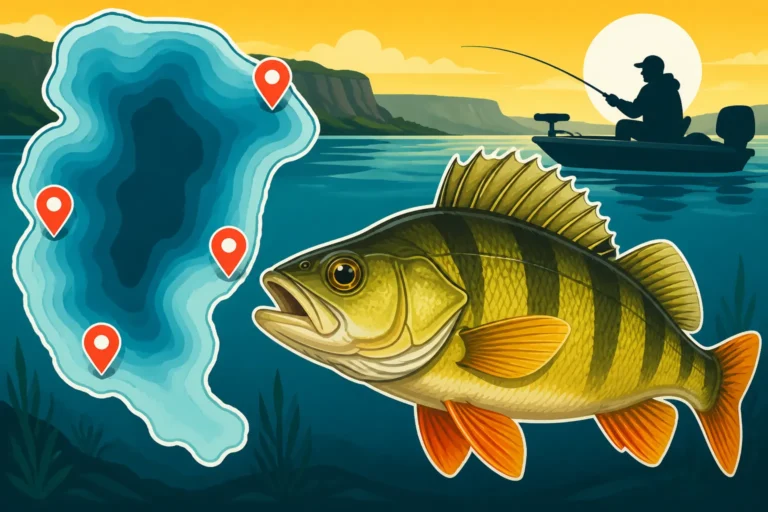
| Smallmouth Bass | Clearer, rockier sections, current breaks, woody cover | 0.5-3 lbs | Small crankbaits, spinnerbaits, soft plastic jigs |
Unlocking Prime Fishing Access Points
Finding a good fishing spot on the Little Missouri River isn't always as simple as pulling off the highway. Its wild nature means fewer designated access points, but with a little planning, you can discover some incredible, secluded locations.
Public Access and Roadside Opportunities
The majority of formal public access points along the Little Missouri River are often found near highway crossings or on designated Bureau of Land Management (BLM) and State School Lands. These are typically unimproved areas where you might find a pull-off or a rough trail leading down to the water. A good starting point is to study maps, particularly topographical and public land maps, to identify bridge crossings and areas marked as public access. For instance, several bridges along Highway 85 and other county roads provide potential, albeit primitive, access points where you can often park and hike to the river's edge.
One popular approach for easier access is near the town of Medora, though fishing directly within Theodore Roosevelt National Park's boundaries has specific rules and may require separate permits or restrict certain activities. However, areas just outside the park's federal jurisdiction, or nearby state lands, can offer similar scenery and fish populations. Always check local regulations, as North Dakota Fishing Regulations Explained are critical for any angler. When you find a spot, look for tell-tale signs of fish-holding structure: fallen trees (snags), deeper scour holes on the outside bends, and areas where the current slows down after a fast riffle. These are classic spots where catfish and goldeye will hold. Remember, these roadside spots can still be a hike down a steep bank, so be prepared for some physical effort.
Exploring Remote Stretches by Foot or Paddle
For those seeking true solitude and a more adventurous experience, exploring the Little Missouri's remote stretches is highly rewarding. This usually involves hiking a significant distance from an access point or using a small, maneuverable boat like a kayak or canoe. The badlands terrain can be challenging, with steep, slippery banks and dense riparian vegetation, so sturdy hiking boots and an adventurous spirit are a must. Many anglers will pack a small backpack with essential gear, water, and snacks for these longer treks.
Floating the river in a kayak or canoe can open up vast stretches of water that are otherwise inaccessible. This allows you to drift through beautiful landscapes, stopping to fish promising holes and runs. However, planning a float trip requires careful consideration of current river levels, potential portages over shallow areas or log jams, and arranging shuttle services at your put-in and take-out points. Always assess the river flow; what looks manageable on a map can be a very different story on the water, especially after heavy rains. Before embarking on a multi-hour or multi-day float, it can be incredibly helpful to consult with local outfitters or consider booking a trip through services like FishingBooker, which can connect you with experienced guides who know the river's nuances and safety protocols. These experts can provide invaluable insights into the Best Kayaks for North Dakota Fishing suitable for river conditions and guide you to hidden gems.
Key Locations and Confluences to Target
While pinpointing exact secret spots on a wild river like the Little Missouri is tough, certain types of locations consistently produce fish. Confluence areas, where smaller creeks or drainages meet the main river, are often hotspots. These incoming waters can bring in food sources, create current breaks, and introduce slightly different water temperatures or clarity, all of which attract fish. Look for these intersections on your maps and plan to spend extra time fishing them thoroughly.
Another reliable target area is anywhere the river changes direction dramatically, creating an "outside bend" or a scour hole. The faster current on the outside of the bend will dig a deeper channel, providing fish with cooler, deeper water and a place to escape the main current while still being close to feeding lanes. Conversely, the "inside bend" often features slower current and shallower water, sometimes with sandbars or gravel beds that can hold smaller baitfish. Downstream of major riffles or rapids is another prime spot. As the water slows after tumbling over rocks and shallows, fish will often stack up in the deeper pool to feed on disoriented bait or insects washed downstream. Finally, look for any type of submerged structure—log jams, root wads, or rock piles. These provide cover from current and predators, making them ideal ambush points for catfish and smallmouth bass. Patience and observation are your best tools when scouting these dynamic river features.
Techniques and Tackle for Little Missouri River Success
Fishing the Little Missouri River demands a slightly different approach than typical lake fishing. Understanding the specific techniques and appropriate gear for its unique challenges will significantly increase your chances of a successful and enjoyable outing.
Mastering the Art of River Catfishing and More
When targeting the abundant channel catfish, your primary approach will involve bottom fishing. A classic slip-sinker rig is highly effective: a barrel swivel tied to your main line, with an egg sinker free to slide above it, and a leader (12-24 inches) tied to a sturdy hook (sizes 2/0 to 5/0). This setup allows the fish to pick up the bait without feeling the weight of the sinker immediately. For bait, fresh cut bait from local fish like goldeye or suckers is often king, but prepared stink baits, nightcrawlers, and shrimp can also be very effective. Casting your bait into deeper holes, current seams, or near log jams and letting it settle on the bottom is the name of the game. For specific advice, our Catfish Bait Techniques for the Red River guide offers principles that can be adapted to the Little Missouri's currents.
For goldeye, lighter tackle provides a fantastic fight. Small jigs (1/16 to 1/8 oz) tipped with a piece of worm or even bare, small spinners, and tiny spoons are all great choices. Fly fishing can also be incredibly productive for goldeye, especially with small streamers or wet flies. They often school in areas with moderate current, and once you find them, the action can be non-stop. When pursuing smallmouth bass, if present, traditional bass lures like small crankbaits, spinnerbaits, and soft plastic jigs (tubes or grubs) worked around rocky structure or current breaks will be most effective. Remember, the river's flows and water clarity dictate presentation; in murkier water, opt for brighter colors or baits that produce more vibration. Always be aware of the North Dakota Fishing Season Calendar to ensure you're compliant with any specific species regulations.
Gear Up for Bank, Wade, or Paddle Fishing
The challenging access and varied terrain of the Little Missouri mean your gear choices need to be practical and robust. For bank fishing, a medium-heavy spinning or baitcasting setup (7-8 feet) with 15-20 lb monofilament or braided line is ideal for handling heavier weights and potentially large catfish. Don't forget a sturdy rod holder to keep your rod secure while you wait for a bite. If you plan on wading, a good pair of chest waders and wading boots with good ankle support are essential for navigating the uneven, often slippery river bottom. A wading staff can also provide extra stability. When venturing out, a well-stocked tackle box that's easy to carry is crucial. Ensure you have plenty of sinkers, hooks, swivels, and a variety of baits. For a general overview of necessities, check out our Best Fishing Rods for North Dakota Anglers and adapt your choices for river conditions.
If you choose to explore by kayak or canoe, stability and maneuverability are key. Sit-on-top kayaks are popular for fishing due to their open deck space and ease of entry/exit. A reliable anchor system is a must, especially in current, to hold your position over promising spots. Dry bags are invaluable for protecting electronics, extra clothing, and snacks from splashes or an accidental tip. Always wear a personal flotation device (PFD), even if you're a strong swimmer, as river currents can be unpredictable. When exploring the Little Missouri, many anglers find that simpler, multi-purpose gear works best. You want reliable equipment that can withstand the rugged badlands environment. If planning a guided trip, companies featured on FishingBooker often provide specialized gear suitable for the specific conditions of the Little Missouri, which can be a huge advantage.
Safety First on the Badlands Waterways
Fishing the Little Missouri River, especially in its more remote stretches, comes with inherent risks that demand a strong emphasis on safety. Always check the weather forecast before heading out, as sudden thunderstorms can cause flash flooding and rapidly rising water levels, making river crossings or bank access extremely dangerous. Strong winds can also be a factor in the badlands, making casting difficult and potentially stirring up dust. It is always a good idea to let someone know your float plan or hiking route and estimated return time, particularly if you're venturing into areas with no cell service.
Staying hydrated is non-negotiable, especially during the warmer months, as the badlands environment can be intensely dry and hot. Carry more water than you think you'll need. Be aware of wildlife, including rattlesnakes, which are common in the badlands. Wear appropriate footwear and long pants, and always watch where you step and place your hands. If floating, be vigilant for submerged obstacles like log jams or shallow sandbars that can flip a kayak or canoe. Understanding basic river navigation and self-rescue techniques is crucial. Finally, always have your North Dakota Fishing License Guide and know the regulations to avoid any legal issues. The Little Missouri River offers incredible opportunities for adventure, but respecting its power and remoteness ensures a safe and memorable experience.
Disclaimer
Please note that fishing regulations, conditions, and access points can change. Always consult the latest North Dakota Game and Fish Department (NDGFD) regulations and local advisories before planning your trip. This guide is for informational purposes only and does not guarantee fishing success or safety.