Fishing Spots on the James River
It can be surprisingly tricky to pinpoint the absolute best fishing spots on a winding, varied river like the James River here in North Dakota. Many anglers find themselves driving around, trying different access points, and often leaving disappointed because they just don't know where to focus their efforts. This guide is here to cut through that frustration, helping you unlock the secrets of the James River and discover where the fish are truly biting.
Understanding the James River Fishery in North Dakota
The James River, often affectionately called "the Jim," is a unique waterway that meanders through eastern North Dakota before continuing into South Dakota. It's not a roaring, swift river like some, but rather a more gentle system, punctuated by larger impoundments that create distinct fishing opportunities. Understanding its characteristics is key to unlocking its fishing potential.
Species You'll Encounter and Their Habits
When you cast a line into the James River, you're signing up for a chance at a diverse range of species, each with its own preferred hangouts and feeding patterns. Knowing what you're targeting and how they behave will vastly improve your success.
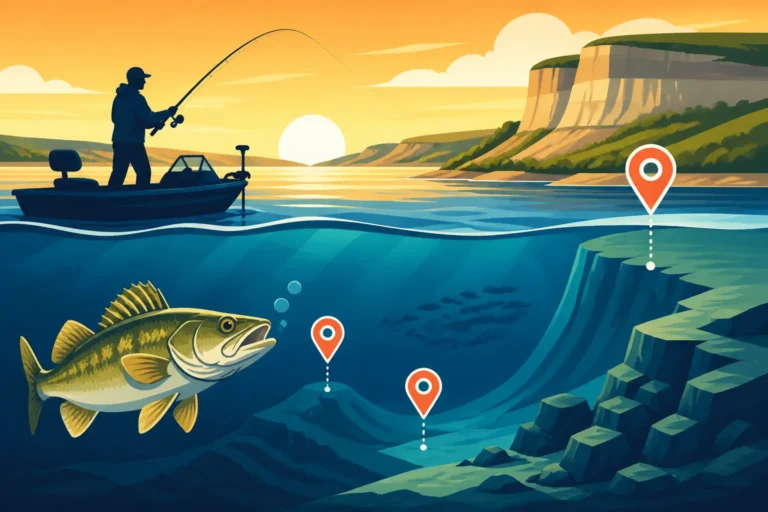
Walleye are, for many, the holy grail of North Dakota fishing, and the James River certainly holds its share, especially in the reservoir sections like Jamestown and Pipestem. These elusive predators tend to hug structure, like submerged points, rock piles, or the old river channel. They're often most active during low-light conditions, dawn and dusk, or on cloudy days. You'll find them concentrating near current breaks where they can ambush baitfish without expending too much energy. Learning to read the river and identify these subtle changes in depth and flow is paramount to consistently hooking into a few.
Northern Pike are another fantastic sportfish you'll encounter, particularly in the weedier, shallower backwater areas and along the edges of the main river channel in the reservoirs. These aggressive fish are ambush predators, known for their explosive strikes. They'll often lurk in dense vegetation, waiting for an unsuspecting minnow or panfish to swim by. If you're looking for consistent action and a strong fight, targeting pike can be incredibly rewarding. They're less finicky than walleye and will often hit a wide variety of lures, making them a great target for anglers of all skill levels. For a deeper dive into these toothy critters, check out our North Dakota Northern Pike Fishing Guide.
Smallmouth Bass are becoming an increasingly popular target in certain sections of the James River, particularly where rocky bottoms and gravel exist. These feisty fighters are a joy to catch on light tackle and are known for their acrobatic jumps. You'll find them around riprap, bridge pilings, and any area with current and rocky structure. While not as widespread as walleye or pike, finding a good smallmouth bite can lead to some truly memorable fishing experiences, especially during the warmer months when they are most active. They thrive in clean, oxygenated water and will often relate to the same structural elements as walleye, though often in shallower depths.
Beyond these popular game fish, the James River also offers excellent opportunities for panfish like crappie and bluegill, as well as a healthy population of channel catfish. Crappie often school up around submerged brush piles, timber, and bridge structures, especially in the reservoirs. Bluegill, on the other hand, are typically found in shallower, weedier areas, making them an excellent target for kids or those looking for steady action. Catfish are abundant throughout the river system and are particularly active during the summer evenings, providing a fantastic opportunity for night fishing. These species contribute to the river's appeal as a versatile fishing destination, offering something for every angler. Learn more about North Dakota Yellow Perch Fishing Guide as well, as they often inhabit similar areas to crappie and bluegill.
River Characteristics and How They Affect Fishing
The James River isn't a uniform waterway; its character shifts dramatically along its course, and understanding these variations is crucial for a successful outing. From narrow, winding sections to expansive reservoir-like impoundments, each segment presents unique challenges and opportunities.
In its more natural, upstream and mid-stream sections, the James River can be relatively narrow and slow-moving, especially during periods of lower rainfall. Here, you'll find a mix of deeper holes, fallen timber, and emergent vegetation. Water clarity can vary greatly depending on recent precipitation, with heavy rains often leading to murky conditions. These sections are often ideal for bank fishing or navigating with smaller boats, canoes, or kayaks. The fish in these areas tend to be more spread out but can offer some fantastic solitude and a chance at some robust river fish.
The most prominent features of the James River in North Dakota are undoubtedly the Jamestown Reservoir and Pipestem Reservoir. These impoundments transform the river into much larger, lake-like bodies of water, drastically changing the fishing dynamics. The reservoirs feature extensive shorelines, numerous bays, points, submerged humps, and the old river channel, all of which act as prime fish habitat. The deeper water in these reservoirs can hold cooler temperatures, providing refuge for fish during the heat of summer. While the river sections offer a more intimate fishing experience, the reservoirs provide opportunities for larger boats and a wider array of trolling and casting techniques.
Seasonal changes profoundly influence where fish are found and how they behave in the James River system. During the spring ice-out, fish often move into shallower, warmer water to spawn, making them more accessible. As summer progresses, fish tend to move deeper or seek out oxygenated areas and current breaks. Fall sees fish becoming more aggressive as they feed heavily in preparation for winter, often moving back into shallower feeding flats before retreating to deeper wintering holes. Even in winter, the James River system offers excellent ice fishing, especially on the reservoirs. Understanding these Seasonal Fish Movement Patterns in North Dakota Lakes is key to staying on the fish year-round.
Top Fishing Spots Along the James River
While the entire length of the James River offers potential, certain areas consistently produce better results due to their habitat, access, and fish populations. Focusing on these hotspots will significantly increase your chances of a memorable day on the water.
Jamestown Reservoir and Associated River Sections
Jamestown Reservoir stands as one of the crown jewels of the James River fishery. This expansive body of water, located just north of Jamestown, is a multi-species haven, renowned for its walleye, northern pike, and panfish. Its accessibility, with numerous public access points and facilities, makes it a popular choice for local and visiting anglers alike. The reservoir's diverse underwater topography, including submerged roadbeds, rock piles, and points, provides ample cover and feeding grounds for a variety of fish. The area immediately around the dam and the spillway can be particularly productive due to concentrated baitfish and current.
Within Jamestown Reservoir itself, anglers have a plethora of options. The various bays and points scattered along its extensive shoreline offer excellent opportunities for casting artificial lures or soaking live bait. Look for areas where the old river channel meets a flat or rises to a point, as these are classic walleye holding areas. The public park areas, like the city park access, often provide good shore fishing opportunities, especially for panfish and smaller pike. Early in the season, shallow bays warm up quicker and attract spawning fish, while deeper sections hold fish during the summer heat. If you're looking for more specific guidance or local insight, consider hiring a guide through services like FishingBooker, who can show you the ropes and put you on the best bite. Our detailed Jamestown Reservoir Fishing Guide offers even more insights.
The section of the James River immediately below the Jamestown Dam offers a completely different fishing experience. Here, the river narrows, and the steady flow from the dam creates consistent current. This environment is particularly attractive to species like walleye and catfish, which thrive in moving water. Anglers often find success targeting eddies, current seams, and deeper holes created by the force of the water release. While shore access can be more limited in some spots, careful exploration will reveal areas where you can safely cast from the bank. The water below the dam often holds a higher concentration of fish, especially during periods of active feeding.
For those less familiar with the specific nuances of fishing below a dam or navigating a new reservoir, a local fishing guide can be an invaluable asset. Services like FishingBooker provide an easy way to connect with experienced captains who know the James River system intimately. They can offer insights into the current conditions, recommend the best baits and techniques, and even provide equipment. Whether you're targeting trophy walleye or just want a fun day catching panfish, a guide can tailor the experience to your preferences, ensuring you make the most of your time on the water.
Pipestem Reservoir and Its Tributary Arms
Just a short drive north of Jamestown, Pipestem Reservoir offers another excellent fishing destination on the James River system. Often considered a quieter alternative to Jamestown Reservoir, Pipestem still boasts a fantastic fishery, particularly for walleye, crappie, and northern pike. Its irregular shoreline, numerous coves, and varying depths provide a rich habitat for game fish. This reservoir can be particularly rewarding for those willing to explore its many hidden gems, as it sometimes receives less pressure than its southern counterpart.
The tributary arms and deeper sections of Pipestem are prime locations for targeting walleye and crappie. The reservoir's structure includes several submerged humps and old creek channels that attract schooling fish. During late spring and early summer, crappie will often congregate around fallen timber and brush piles in the shallower bays, offering fast action. As the season progresses, walleye will move to deeper breaks and humps, often requiring trolling crankbaits or presenting jigs vertically to reach them. The variety of habitat means you can employ different techniques throughout the day to find what the fish are keying in on.
Access to Pipestem Reservoir is generally good, with several boat ramps and designated fishing areas managed by the U.S. Army Corps of Engineers and local parks. These access points typically offer parking, restroom facilities, and easy entry to the water. Some areas also have picnic spots, making it a great destination for a family fishing outing. Whether you're launching a large boat or a kayak, you'll find suitable spots to get on the water. Our Pipestem Reservoir Fishing Guide provides more information on specific access points and amenities.
Navigating a new reservoir, especially one with as many nooks and crannies as Pipestem, can be a bit overwhelming. This is another scenario where consulting with a local expert, perhaps through a platform like FishingBooker, can truly elevate your fishing trip. A seasoned guide will have up-to-the-minute knowledge of where the fish are biting, what lures they prefer, and how to best approach different structures. They can also teach you valuable techniques specific to the reservoir, helping you shorten your learning curve and spend more time enjoying the fishing. This personalized guidance can turn a good day into an unforgettable one.
Upstream and Downstream River Stretches
Beyond the major reservoirs, the James River offers numerous less-frequented but highly productive stretches both upstream (north of Jamestown) and downstream (south towards South Dakota). These sections often provide a more intimate, riverine fishing experience, perfect for anglers who prefer solitude or target species that thrive in flowing water. While they may require a bit more effort to access, the reward can be less pressured fish and a peaceful day outdoors.
North of Jamestown, the James River often flows through agricultural land and various wildlife management areas. Here, the river can be narrower and shallower, winding through cattails and pockets of timber. These sections are excellent for bank fishing, targeting northern pike in the weedier areas, or channel catfish in deeper holes. Many bridge crossings offer convenient, though sometimes limited, public access points. Similarly, south of Pipestem, the river begins to pick up its more natural characteristics again. Look for public land along the riverbanks, often marked by North Dakota Game and Fish Department signage, which indicates legal access.
Finding good access in these less-developed river stretches is often the biggest challenge. Many sections run through private land, so it's crucial to respect property boundaries and seek permission where necessary. However, specific public access points, particularly around road bridges or designated fishing areas, can yield excellent results. These spots are often ideal for anglers with small boats, canoes, or kayaks, allowing them to explore stretches of the river inaccessible to larger craft. Anglers often find success by focusing on bends in the river, fallen trees, and any visible structure that can hold fish.
For those adventurous enough to explore these wilder stretches, local insights can be invaluable. Bait shops in nearby towns like Jamestown or LaMoure often have the most up-to-date information on river conditions and productive areas. Alternatively, if you're keen on finding those truly "secret" spots that only a local knows, consider reaching out to a guide through a service like FishingBooker. Many guides specialize in specific river sections and can lead you to tucked-away honey holes, providing an authentic North Dakota river fishing adventure that you might not find on your own.
Essential Tips and Techniques for James River Anglers
Mastering the art of fishing the James River involves more than just knowing where to go; it also requires understanding what baits to use and how to present them effectively for the varied environments you'll encounter. Adaptability is key, as conditions on the river can change quickly.
Best Baits and Lures for Specific Species
Choosing the right bait or lure can make all the difference between a slow day and a successful one on the James River. Fish respond differently to various presentations, and what works for one species might be ignored by another.
For walleye, a classic jig and minnow combo is often unbeatable, especially in cooler water conditions during spring and fall. A 1/8 to 1/4 ounce jig, tipped with a live fathead minnow or shiner, worked slowly along the bottom, can be incredibly effective. Soft plastics, such as paddle-tail swimbaits or grub tails on a jig head, are also excellent choices, mimicking baitfish and offering a durable alternative to live bait. When walleye are active and spread out in the reservoirs, trolling crankbaits is a highly efficient method for covering water and finding schools. Opt for natural colors in clear water and brighter, more aggressive patterns in stained or murky conditions. Lastly, bottom bouncers with Best Spinner Rig for Walleye Trolling are a go-to for many anglers, especially when drifting over flats or along the old river channel.
Northern Pike are aggressive eaters, making them a fun target with a wide range of artificial lures. Large spoons, spinnerbaits, and bigger crankbaits that mimic a struggling baitfish are often very effective. Bright, flashy colors or patterns that imitate perch or shiners tend to trigger strikes. For a more relaxed approach, or for targeting larger pike, live bait like a large sucker or smelt fished under a bobber in a weed line or near a drop-off can be incredibly productive. Remember to use a wire leader when targeting pike to prevent them from biting through your line with their razor-sharp teeth.
When targeting panfish like crappie and bluegill, finesse is often the name of the game. Small jigs (1/32 to 1/16 ounce) tipped with a wax worm, a small minnow, or micro-plastics are incredibly effective. Trolling or casting tiny spoons can also yield good results, particularly for crappie suspended around structure. For bluegill, a simple hook, bobber, and a piece of worm or a kernel of corn is often all it takes, especially in shallow, weedy areas. These are excellent targets for a relaxed day of fishing, and a great way to introduce new anglers to the sport.
Channel Catfish, abundant in the James River, are less picky eaters but definitely have their preferences. Cut bait, such as pieces of perch, suckers, or hot dogs, is a perennial favorite. Strong-smelling stink baits, chicken livers, or even shrimp can also be highly effective. The key is often to get a strong scent into the water to attract them. Fishing these baits on the bottom with a slip sinker rig allows the fish to pick up the bait without feeling resistance. Catfish bites can be slow and steady or surprisingly aggressive, making for an exciting fight, especially with the larger specimens found in the James. Learn more about Best Bait for North Dakota Fishing for more species-specific tips.
Fishing Techniques for River and Reservoir Environments
The diverse nature of the James River system necessitates a flexible approach to your fishing techniques. What works well in a slow-moving river bend might not be effective on a large, windy reservoir.
For the moving water sections of the James River, current fishing techniques are paramount. When targeting catfish or walleye in the current, a slip sinker rig is often essential, allowing your bait to sit naturally on the bottom without being swept away while still allowing fish to take the bait without immediate resistance. For walleye, casting jigs upstream and allowing them to tumble naturally with the current, maintaining bottom contact, can be very effective. Strategic anchoring, positioning your boat upstream of a likely fish-holding area, allows you to cast downstream into current seams and eddies. Remember to factor in the How Many Lines Can You Fish With in North Dakota? regulations when setting up multiple rods in current.
On the larger, more open waters of Jamestown and Pipestem Reservoirs, traditional reservoir techniques come into play. Trolling crankbaits or spinner rigs with bottom bouncers is an excellent way to cover vast amounts of water and locate active walleye schools. Focus your trolling passes over submerged points, along the old river channel, or across expansive flats where baitfish congregate. Casting to visible structures like points, humps, and submerged timber with jigs or crankbaits can also be very productive, especially during periods when fish are holding tight to cover.
Shore fishing along the James River, particularly in the river sections and designated access areas of the reservoirs, can be incredibly rewarding. For walleye and pike, target deeper holes close to the bank, or areas where current creates an eddy. Using longer rods can help with casting distance, reaching fish that might be further out. For panfish, focus on shallower, weed-lined areas or around public fishing piers. A simple bobber setup or a light jigging rod can provide steady action. Always pay attention to bank erosion and soft ground, especially after heavy rains, to ensure your safety.
Ultimately, the best technique on the James River is one of observation and adaptation. Pay attention to what other successful anglers are doing, note the water conditions, and be willing to switch up your bait or presentation. Sometimes, the fish are in a specific mood, and cracking the code can be immensely satisfying. If you're still struggling or simply want to learn from the best, hiring a professional guide through a service like FishingBooker can provide personalized technique advice and hands-on instruction, helping you refine your skills specifically for James River fishing.
Here's a quick overview of some prime James River fishing opportunities:
| Location | Primary Species | Best Techniques | Access Difficulty | Key Features |
|---|---|---|---|---|
| Jamestown Reservoir | Walleye, Pike, Crappie | Trolling, Jigging, Casting | Easy | Diverse structure, multiple boat ramps |
| Pipestem Reservoir | Walleye, Crappie, Pike | Trolling, Jigging, Live bait | Moderate | Quieter, many coves and humps |
| Below Jamestown Dam | Walleye, Catfish | Jigging, Bottom rigs, Live bait | Moderate | Current breaks, concentrated fish |
| Upstream River Sections | Pike, Catfish, Panfish | Bank fishing, Spinners, Live bait | Variable | Secluded, natural river bends, weed beds |
| Downstream River Sections | Catfish, Pike, Walleye | Bank fishing, Cut bait, Casting | Variable | Deeper holes, timber, less pressure |
Disclaimer
Fishing conditions and regulations in North Dakota can change. Always consult the latest North Dakota Game and Fish Department proclamations and regulations before heading out. This guide is for informational purposes only and does not supersede official rules or recommendations.