Least Crowded Fishing Lakes in North Dakota
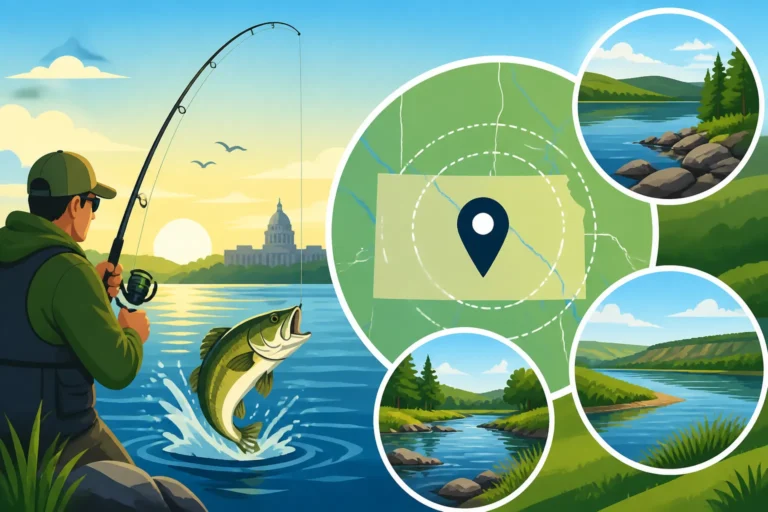
There's nothing quite like the dream of a peaceful day out on the water, rod in hand, just you and the fish. But let's be honest, that dream can quickly turn into a parking lot nightmare and a jostle for space at your favorite boat ramp, especially on those prime weekend days or during peak fishing seasons. We've all felt that pang of frustration when our "escape" feels more like a crowded city park. This guide is all about helping you reclaim that serenity, uncovering North Dakota's hidden gems where the fish are plentiful, and the crowds are a distant memory.
The Lure of Solitude: Why Seek Uncrowded Fishing Lakes?
For many of us, fishing is more than just catching fish; it's about the entire experience. It's the quiet reflection, the connection with nature, and the sheer joy of escaping the daily grind. But it's hard to find that peace when you're constantly dodging other boats or struggling to find a spot on a popular pier. That's why seeking out less crowded fishing lakes in North Dakota isn't just a preference—it's a path to a more fulfilling and enjoyable outing.
Escaping the Weekend Warriors and Boat Traffic
Picture this: you've finally set up your gear, cast your line, and you're just starting to relax. Then, a parade of boats zips by, creating wakes that bounce your bobber like a cork in a washing machine. Or maybe you arrive at a renowned walleye lake only to find every prime point and submerged structure already occupied by other anglers. It's frustrating, right? The popular lakes like parts of Lake Sakakawea or Devils Lake, while phenomenal fisheries, can sometimes feel like Grand Central Station during peak times. The constant boat traffic, the noise, and the competition for prime spots can really detract from the tranquility you seek. By choosing less pressured waters, you minimize these interruptions, allowing you to truly immerse yourself in the moment. You're less likely to contend with loud music from a neighboring boat or the constant whir of multiple trolling motors, letting the sounds of nature, like the rustle of the prairie grass or the splash of a rising fish, take center stage.
A Better Fishing Experience
Beyond the peace and quiet, less crowded lakes often offer a superior fishing experience. Fish in heavily trafficked areas tend to be more "educated." They've seen every lure, felt countless hooks, and are warier of presentations. Think about it: if a walleye sees a dozen different jigging spoons go by its face every hour, it's going to be much pickier than a walleye that only sees an offering a few times a day. In less pressured waters, fish might be more aggressive, less wary, and more willing to bite. This can translate to more consistent action, stronger hook-ups, and ultimately, a more rewarding day on the water. You might discover that the fish in these quieter spots aren't necessarily bigger, but they're often more cooperative, making for a more enjoyable and productive trip. Plus, the reduced competition means you have more freedom to explore different techniques or try out new spots without feeling like you're encroaching on someone else's territory.
Identifying North Dakota's Hidden Gems: Factors for Finding Tranquil Waters
Finding those elusive, uncrowded fishing lakes in North Dakota takes a little bit of know-how and a willingness to look beyond the obvious. It's not always about finding a completely secret spot, but rather understanding what factors contribute to a lake being less pressured than its more famous counterparts. Sometimes, just a slight shift in your focus can lead you to a fishing paradise.
Size and Accessibility
One of the biggest indicators of how crowded a lake will be is its size and how easy it is to get to. Massive bodies of water like Lake Sakakawea or Lake Oahe, with numerous boat ramps and vast stretches of shoreline, naturally draw in a lot of anglers. Conversely, smaller impoundments, local reservoirs, or lakes that have limited public access often see far fewer people. Consider spots where there might only be one gravel boat ramp, or perhaps only hand-launch access for kayaks and canoes. These "barriers to entry" often deter anglers with larger boats or those looking for extreme convenience. For example, some of the smaller community fishing ponds managed by the North Dakota Game and Fish Department are perfect for a quiet afternoon with a simple setup, providing excellent opportunities for panfish and trout. While they might not yield trophy-sized fish, they guarantee a peaceful fishing session, making them ideal for a relaxed outing or for teaching kids to fish.
Species Diversity vs. Single-Species Focus
Lakes that are primarily known for one highly sought-after species, like trophy walleye or giant Red River catfish, will invariably attract specialized anglers who are willing to travel far and endure crowds for their target. However, lakes with a more diverse fishery, or those that might excel in a species that's popular but not to the same fever pitch as walleye (like crappie or northern pike), can be significantly less crowded. Think about smaller lakes that are stocked with various panfish, bass, or even trout, which might not be on every angler's radar as a primary destination. These waters can offer fantastic action for a mixed bag of species without the intense competition. Moreover, sometimes focusing on less common techniques, such as Fly Fishing Techniques in North Dakota, might naturally lead you to quieter waters, as fly anglers often seek out different types of habitats.
Geographical Location
Geography plays a huge role in determining foot traffic. Lakes that are nestled deep within state parks, wildlife management areas, or simply located a bit further off a main highway tend to be less visited. While it might mean a slightly longer drive or a bumpy gravel road, the payoff is often worth the extra effort. These remote locations typically offer not just solitude, but also stunning natural beauty, making the entire trip an adventure. Before heading out to these more remote spots, it's always a good idea to check the latest North Dakota Fishing Regulations Explained for any specific rules or access limitations, as some areas might have seasonal closures or unique requirements. You might even find that a local guide, perhaps found through a platform like FishingBooker, specializes in these less-traveled waterways and can provide invaluable insights into their unique challenges and rewards.
Top Picks for Least Crowded Fishing Lakes in North Dakota
North Dakota has a surprising number of lakes and reservoirs that offer excellent fishing without the shoulder-to-shoulder crowds. While major hubs like Devils Lake and the main stem of the Missouri River get a lot of press, these quieter alternatives provide fantastic opportunities for a peaceful day on the water.
Small Impoundments and Stocked Ponds
Many of North Dakota's truly uncrowded gems are smaller impoundments or ponds that the Game and Fish Department actively manages and stocks. These often fly under the radar for anglers focused on "big water" experiences, but they can offer consistent action and true solitude.
- McClusky Canal: This isn't a lake in the traditional sense, but a series of interconnected segments and small impoundments that transport water from Lake Sakakawea to the eastern part of the state. It's an incredible fishery that often sees far less pressure than its larger neighbor. You'll find walleye, pike, perch, and even smallmouth bass in its various sections. Access can be a bit more challenging in some areas, which helps keep the crowds down. Many spots are ideal for Shore Fishing Techniques for Beginners or even for launching a small boat or kayak. The meandering nature of the canal system means you can often find a secluded bend or pool to yourself, enjoying the quiet hum of nature rather than roaring outboards.
- Small Community Ponds (e.g., Mooreton Pond, McDowell Dam): Scattered across the state are numerous smaller ponds and dams, often near towns, that are regularly stocked with trout, panfish, and sometimes even a few bass or pike. These are fantastic for a quick, quiet outing. Mooreton Pond, near Wahpeton, is a great example, offering rainbow trout and panfish. McDowell Dam, just south of Bismarck, is another reliable option for trout and various panfish, and its regulations are clearly posted, often differing from statewide rules. These spots are perfect for families or beginners looking to enjoy a stress-free fishing experience without battling for space. Before you head out, always make sure you understand the specific rules for these local waters, as they can sometimes have unique slot limits or tackle restrictions.
Lakes with Limited Boat Access
Some of North Dakota's most tranquil fishing opportunities are found on lakes where launching a large boat is either difficult or impossible. These spots are perfect for anglers who prefer to fish from shore, use a float tube, or launch a small canoe or kayak.
- Lake Audubon: Adjacent to the sprawling Lake Sakakawea, Lake Audubon often gets overlooked, making it a fantastic, less crowded alternative. While it's a large body of water, its unique structure and focus on different species (it's renowned for its incredible smallmouth bass fishery, as well as walleye and pike) means it doesn't always attract the same walleye-centric crowds as Sakakawea. Many areas have limited public boat ramps, or the more productive spots might require navigating shallower bays, which deters larger boats. If you're into Fishing From a Kayak in North Dakota, Lake Audubon offers endless coves and rocky points to explore in relative peace.
- Heart Butte Dam (Lake Tschida): Located near Glen Ullin, Lake Tschida is a substantial reservoir, but it generally sees far less pressure than the state's two largest lakes. It offers excellent fishing for walleye, northern pike, crappie, and smallmouth bass. While it does have boat ramps, its somewhat remote location and the vastness of the lake mean that finding a quiet spot isn't usually a challenge. You can often motor a bit further from the main access points and have entire bays or stretches of shoreline to yourself, especially on weekdays. The lake is surrounded by varied terrain, from rolling hills to rugged coulees, adding to its appeal for those seeking natural beauty alongside their fishing adventure.
Remote Reservoirs and Prairie Lakes
For the angler truly seeking to get away from it all, North Dakota's more remote reservoirs and prairie lakes offer genuine solitude. These often require a bit more travel, sometimes on gravel roads, but the reward is unspoiled nature and unpressured fish.
- Pipestem Reservoir: Situated near Jamestown, Pipestem Reservoir is often overshadowed by its larger neighbor, Jamestown Reservoir. However, Pipestem offers fantastic fishing for walleye, northern pike, and crappie, and generally sees fewer anglers. Its complex structure with numerous points, bays, and submerged features means there's always a new spot to explore. The sense of quietude here is a real draw, particularly if you venture into the northern reaches or the smaller arms of the reservoir. It's a great choice for a full day of exploration without constant competition.
- Various Turtle Mountains Lakes (e.g., Lake Upsilon, Gravel Lake): While Lake Metigoshe gets a good amount of attention, the Turtle Mountains region, nestled on the Canadian border, boasts a number of smaller, crystal-clear lakes that offer incredible, uncrowded fishing opportunities, particularly for perch, northern pike, and some stocked trout. Lakes like Upsilon and Gravel Lake are often much quieter, providing excellent ice fishing opportunities in winter and serene open-water experiences in warmer months. Access can sometimes be limited to primitive ramps or shore access, which naturally keeps visitor numbers lower. These lakes require a bit more planning to reach, but the pristine environment and peaceful angling are truly worth the journey. For details on getting there, a quick search for local fishing reports or consulting with a local outfitter (which you might find through FishingBooker) can provide the most up-to-date access information.
| Lake Name | Primary Species | Typical Crowds | Access Type | Notes |
|---|---|---|---|---|
| McClusky Canal | Walleye, Pike, Perch, Smallmouth Bass | Low | Shore, Kayak, Small Boat | Linear system, diverse habitat, multiple access points. |
| Mooreton Pond | Rainbow Trout, Panfish | Low | Shore, Hand-launch | Stocked, great for beginners/families, close to Wahpeton. |
| McDowell Dam | Rainbow Trout, Panfish | Low | Shore, Hand-launch | Stocked, close to Bismarck, specific local regulations. |
| Lake Audubon | Smallmouth Bass, Walleye, Northern Pike | Moderate-Low | Boat Ramps, Kayak, Shore | Large lake, but often quieter than Sakakawea, especially for smallmouth. |
| Heart Butte Dam (Lake Tschida) | Walleye, Pike, Crappie, Smallmouth Bass | Moderate-Low | Boat Ramps, Shore | Remote location, vastness allows for solitude. |
| Pipestem Reservoir | Walleye, Pike, Crappie | Moderate-Low | Boat Ramps, Shore | Often quieter than Jamestown Reservoir, good structure. |
| Lake Upsilon (Turtle Mts) | Perch, Northern Pike, Trout | Low | Primitive Ramp, Shore, Kayak | Clear water, beautiful scenery, limited amenities. |
Planning Your Secluded Fishing Adventure
Embarking on a fishing trip to a less crowded lake in North Dakota promises tranquility and potentially better fishing. However, these hidden gems often come with fewer amenities, meaning a bit more preparation is key to a successful and comfortable outing. Don't let the lack of crowds fool you; you still need to be ready for anything the North Dakota wilderness throws your way.
Essential Gear for Remote Fishing
When heading to a spot that might not have a bait shop around the corner or a convenience store nearby, your gear checklist becomes even more critical. You can't just rely on grabbing what you forgot on the way. Beyond your preferred rod and reel setup, make sure you've packed a comprehensive Essential Gear Checklist for North Dakota Fishing. This should include a varied selection of Best Bait for North Dakota Fishing, from live minnows or worms to a good assortment of artificial lures suitable for the target species in that particular lake. Consider bringing extra line, a basic tackle repair kit, and tools like pliers and hook removers. A good cooler stocked with plenty of water, snacks, and perhaps a packed lunch is vital, especially if you plan on spending the entire day. Don't forget bug spray, sunscreen, a wide-brimmed hat, and appropriate layers of clothing, as weather can change quickly in North Dakota's expansive landscape. For those venturing to truly remote areas, a first-aid kit and perhaps even a portable power bank for your phone or other electronics are highly recommended.
Checking Regulations and Licenses for Lesser-Known Spots
Just because a lake is less crowded doesn't mean it's exempt from the rules. In fact, some smaller, managed fisheries might have very specific regulations that differ from statewide limits. Before you cast a single line, always make sure you have your North Dakota Fishing License Guide in order. Whether you're a resident exploring your backyard with a North Dakota Resident Fishing License Options or a visitor needing a North Dakota Nonresident Fishing License Guide, understanding your license requirements is paramount. Take the time to review the most current North Dakota Fishing Proclamation, which you can usually find on the North Dakota Game and Fish Department website. Pay close attention to any special regulations for the specific body of water you're visiting, including species-specific limits, slot limits, or gear restrictions. For example, some small ponds might have "no live bait" rules or require immediate release of certain fish. Ignorance of the rules is never an excuse, and game wardens do patrol these quieter areas, too! Always be prepared to present your license, perhaps a digital copy on your phone or a printed version, as detailed in the North Dakota Fishing License Cost Guide.
Respecting the Environment and Other Anglers
Part of the allure of uncrowded lakes is their pristine nature. It's our collective responsibility to keep them that way. Practice "Leave No Trace" principles diligently. Pack out everything you pack in, including all trash, leftover bait, and fishing line scraps. Avoid disturbing the natural habitat unnecessarily, and if you're using a boat, be mindful of your wake near shorelines, especially if there are other anglers or wildlife present. Even in remote areas, you might encounter other people seeking solitude. A friendly nod or a quiet "hello" is usually sufficient. Remember, part of maintaining these spots as uncrowded havens is respecting the experience of others and preserving the environment for future generations. If you manage to find a truly special spot, consider keeping it close to your chest to help maintain its low-pressure status. These places are treasures, and responsible angling ensures they remain that way.
Disclaimer
Please note that fishing conditions, regulations, and crowd levels can change. Always consult the official North Dakota Game and Fish Department website for the most current information before planning your trip. This guide is for informational purposes only and does not guarantee specific fishing success or lake conditions.