Best Fishing Spots for Beginners in North Dakota
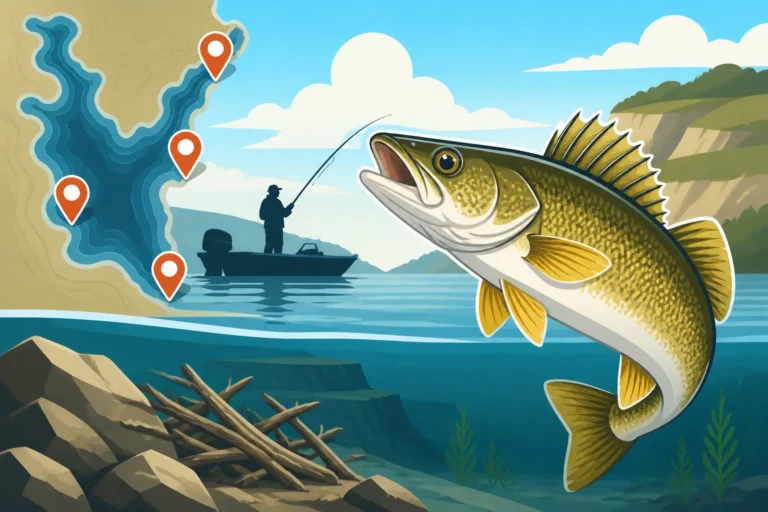
Stepping into the world of fishing in North Dakota can feel a bit overwhelming, especially when you're just starting out. With so many lakes, rivers, and diverse fish species, figuring out where to even drop a line without getting frustrated by complex regulations or tough conditions is a common hurdle. This comprehensive guide is here to demystify North Dakota's waters, pointing you toward the most accessible and rewarding fishing spots perfect for beginners, ensuring your first experiences are enjoyable and successful.
What Makes a Fishing Spot Beginner-Friendly?
When you're new to fishing, the last thing you want is a spot that's hard to get to, devoid of fish, or riddled with confusing rules. A truly beginner-friendly fishing spot in North Dakota is one that minimizes these common frustrations, allowing you to focus on the joy of the catch rather than logistical headaches. It’s all about setting yourself up for success and building confidence with those first few bites.
Easy Access and Amenities
One of the biggest factors for a beginner-friendly spot is how easy it is to get to and what facilities are available. Imagine hauling all your gear through thick brush just to find a suitable bank – not exactly a relaxing start! Instead, look for places with paved roads leading right to the water's edge, designated parking areas, and clear paths or fishing piers. These features cut down on the physical effort and make the overall experience much more pleasant.
Amenities like restrooms, picnic areas, and even nearby bait shops are huge bonuses. If you're bringing family, especially kids, having a clean bathroom and a place to sit down for a snack can make or break the trip. Spots within or near towns often offer these conveniences, making it easy to grab some extra bait or a forgotten drink without disrupting your fishing flow too much. You want to spend your time fishing, not scrambling for necessities.
Abundant and Cooperative Fish Species
Let's be honest, nothing builds excitement like catching fish, especially when you're just learning the ropes. Beginner-friendly spots typically boast a healthy population of readily catchable species. We're talking about species that aren't too picky about bait or presentation and are generally eager to bite, even if they aren't monster trophy fish. Panfish like bluegill, crappie, and yellow perch are often perfect for this, as they are numerous, relatively small, and provide consistent action.
These species are not only fun to catch, but they also give you immediate feedback on your technique. Did that worm on a bobber work? Great! Did it not? Maybe try a slightly different depth. This trial-and-error process is crucial for learning, and having a cooperative fish population helps accelerate that learning curve. Knowing that there's a good chance of getting a bite keeps spirits high and prevents the dreaded "skunk" on your first few outings. For those looking for local expertise, a service like FishingBooker can often connect you with guides who know exactly where these active fish are biting, taking the guesswork out of your first few trips.
Calm Waters and Simple Regulations
Rough, windy conditions can be challenging even for seasoned anglers, let alone beginners trying to manage a line without tangles. Calm, sheltered waters are ideal. This might mean smaller ponds, protected bays on larger lakes, or slow-moving river sections. Flat water makes casting easier, allows your bobber to be seen clearly, and generally provides a more tranquil environment for learning. You won't have to fight the elements on top of learning new skills.
Equally important are simple and straightforward regulations. North Dakota, like any state, has its specific rules regarding limits, seasons, and licensing. However, certain areas or species might have more complex rules. For a beginner, sticking to spots where the general state regulations apply to common species is best. Before you even head out, make sure you understand the basics by checking out a guide like the North Dakota Fishing License Guide and familiarizing yourself with North Dakota Fishing Regulations Explained. Knowing you're compliant will remove a lot of stress, letting you enjoy the experience without worrying about breaking rules.
Top Beginner-Friendly Lakes and Ponds in North Dakota
North Dakota offers a surprising array of waters that are perfect for new anglers. While big names like Lake Sakakawea and Devils Lake might intimidate with their vastness and legendary status, many smaller, more manageable bodies of water provide excellent opportunities for a successful first outing. These spots often combine easy access with good fish populations and a peaceful atmosphere.
Smaller Community Ponds and Lakes
Across North Dakota, you'll find numerous community ponds and smaller lakes, many of which are specifically managed by the North Dakota Game and Fish Department (NDGFD) to provide easy fishing opportunities. These gems are often stocked with panfish like bluegill and yellow perch, and sometimes even trout or smaller northern pike, making them ideal for consistent action. Examples include places like McDowell Dam near Bismarck or Ryan Lake near Minot.
What makes these spots truly shine for beginners is their size and contained nature. They're typically shallow, making it easier to understand fish habitat without needing advanced sonar. Shoreline access is usually excellent, often featuring mowed grass, benches, and even fishing piers. You can often see the bottom in shallower areas, which helps beginners visualize what’s happening underwater. Plus, the fish in these ponds tend to be less pressured and more willing to bite, which is a huge confidence booster for anyone just starting out. For a detailed list of such locations, you might want to look into Fishing Piers and Shore Access in North Dakota.
State Park Lakes and Recreation Areas
North Dakota's state parks and recreation areas are fantastic resources for beginner anglers. These locations are designed for public enjoyment and almost always feature well-maintained facilities, including boat ramps, picnic areas, and sometimes even campgrounds. More importantly, many state park lakes are known for good fishing, often managed to ensure healthy fish populations that are easy to target from shore or a small boat. Places like Lake Metigoshe State Park, Fort Stevenson State Park, and Cross Ranch State Park offer excellent, family-friendly fishing.
The beauty of state parks is the comprehensive experience they offer. You can combine a fishing trip with a picnic, a hike, or even a night of camping. This makes the outing about more than just fishing; it becomes a full outdoor adventure. The fish in these lakes are typically varied, offering chances at walleye, pike, and panfish. Plus, the calm and scenic environments provide a perfect backdrop for a relaxing day on the water. Many of these parks are explicitly highlighted in resources like Best Fishing Spots for Families in North Dakota.
Accessible Sections of Larger Systems
While the vastness of Lake Sakakawea or the Missouri River might seem daunting, certain sheltered bays or slow-moving stretches offer surprisingly good opportunities for beginners. For instance, the upper reaches of Lake Sakakawea, closer to the river input, can offer more protected waters and concentrated fish populations. Similarly, calmer backwaters or oxbows along the Missouri River provide a break from the main current and can hold a variety of species.
These areas on larger systems often benefit from the overall health and diversity of the main body of water, meaning you might still encounter larger game fish alongside the more common panfish. The key is to pick your spots carefully, looking for natural shelters from wind and current. Engaging with local bait shop owners or checking online fishing reports can provide invaluable insights into these specific, more manageable sections. Even for a huge lake, a local guide found on a platform like FishingBooker can help a beginner navigate these specific, less intimidating parts of the water.
Gear, Tactics, and Essential Tips for New Anglers
Embarking on your first North Dakota fishing adventure requires a little preparation, but don't worry, it doesn't have to be complicated or expensive. The goal is to keep things simple, effective, and fun, allowing you to focus on the experience rather than being bogged down by complex gear or techniques.
Basic Gear Setup for Success
You absolutely do not need a boatload of expensive gear to get started. A simple spinning rod and reel combo is the perfect starting point. Look for something that's easy to cast, not too heavy, and around 6 to 7 feet long. This length offers a good balance for casting from shore or a dock. Brands like Ugly Stik or Shakespeare often have affordable, durable combos that are perfect for beginners. You can get more details in a guide like Best Rod and Reel Combo for Beginners in North Dakota.
For terminal tackle, keep it minimal: a few small hooks (size 6-10), some split shot weights, and a few bobbers. That's really all you need for targeting panfish. A small tackle box to keep things organized, a pair of pliers to remove hooks, and a small net for landing fish will round out your basic setup. Don't forget a stringer or a cooler with ice if you plan on keeping your catch! For a more comprehensive overview, consult an Essential Gear Checklist for North Dakota Fishing.
Simple Techniques for Easy Catches
The most straightforward and effective technique for beginners in North Dakota, especially when targeting panfish, is fishing with a bobber. Thread your line through the bobber, tie on a hook, and crimp a small split shot weight a few inches above the hook. Attach some live bait, like a small worm, nightcrawler piece, or a mealworm, and cast it out. The bobber will float, and when a fish bites, it will pull the bobber under, signaling a strike. This visual cue is incredibly exciting for new anglers.
Another excellent beginner technique is bottom fishing. This is particularly effective for species like catfish, which are abundant in some North Dakota waters, including the Red River. Use a simple slip sinker rig: slide an egg sinker onto your main line, tie on a swivel, then attach a leader with a hook. This allows the fish to take the bait without feeling the weight of the sinker. A piece of cut bait or a large nightcrawler can be irresistible to catfish. Remember, knowing the Best Bait for North Dakota Fishing can greatly increase your chances of success.
Navigating Licenses and Learning Resources
Before you cast your first line, make sure you're legally prepared. In North Dakota, most anglers over the age of 16 need a fishing license. It's crucial to understand the requirements, as penalties for fishing without a license can be steep. Thankfully, getting a license is quite simple. You can often purchase your North Dakota Fishing License Online Purchase Options through the NDGFD website or from local sporting goods stores. Be sure to also clarify if Do Kids Need a Fishing License in North Dakota? as the age requirements might differ for younger anglers.
Beyond licenses, take advantage of the many learning resources available. The NDGFD website is packed with valuable information, including the current fishing proclamation which details all North Dakota Fishing Season Dates and Limits. YouTube channels, local bait shop staff, and experienced friends can offer tips and tricks specific to your area. Don't be afraid to ask questions! Many communities also host "Hooked on Fishing" or "Take a Kid Fishing" events which are perfect for learning in a supportive environment. If you're really serious about jumpstarting your skills, considering hiring a guide for a half-day through a service like FishingBooker can provide hands-on instruction and local knowledge that's hard to beat. They can teach you Beginner Casting Tips for New Anglers and other essential skills.
Planning Your First North Dakota Fishing Trip
Once you've got your gear and a general idea of where you want to go, a little bit of planning can turn a good fishing trip into a great one. Thinking about the best time to go, checking the weather, and considering basic safety measures will ensure your first experiences are not only productive but also enjoyable and worry-free.
Best Times to Go Fishing for Beginners
For beginner anglers in North Dakota, spring and fall often present the most comfortable and productive conditions. In spring, after the ice melts, many fish species become very active as water temperatures rise, making them easier to catch. This post-spawn period can be particularly good for panfish and even some walleye closer to shore. Fall offers similar benefits; as water temperatures cool, fish feed aggressively to prepare for winter, providing excellent action before the ice sets in.
Summers can be great too, but the heat of midday can sometimes make fishing slower, and bugs might be more prevalent. Early mornings and late evenings during the summer often yield the best results as fish are more active during cooler periods. For specific species, the best times might vary, so it's always good to check the local reports or ask at a bait shop for what's biting well right now. A service like FishingBooker often has guides who specialize in specific seasons and species, giving you an edge.
Weather and Water Conditions to Watch
North Dakota weather can change quickly, so always check the forecast before you head out. For beginners, calm, partly cloudy days with light winds are ideal. Strong winds can make casting difficult, stir up the water, and make for an uncomfortable experience, especially if you're trying to manage a bobber. Rain can deter some, but a light drizzle can sometimes turn fish on, especially in warmer months. However, heavy downpours or thunderstorms are best avoided entirely.
Water conditions are also key. After heavy rains, some rivers and lakes might become muddy or "blown out," which can make fishing tougher. Conversely, stable water levels and clarity generally lead to more predictable fishing. Online resources or local bait shops can provide up-to-date information on water levels and clarity for your chosen spot.
Safety and Comfort on the Water
Safety should always be a top priority, especially for beginners. Always tell someone where you're going and when you expect to return. Dress in layers, even on warm days, as temperatures can fluctuate. A hat, sunglasses, and sunscreen are essential for protection from the sun. Insect repellent is a must, especially during warmer months near water.
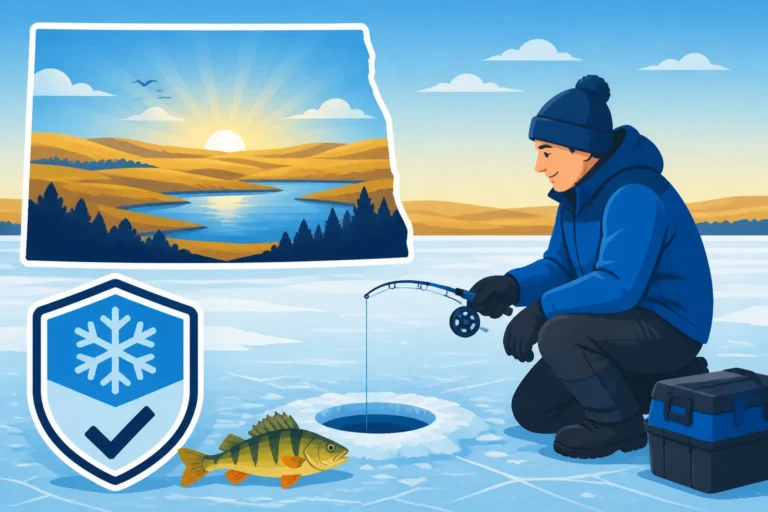
If you're fishing from a boat, always wear a life jacket. Even from shore, having a first-aid kit, plenty of water, and snacks can make a huge difference in your comfort and ability to stay focused. For ice fishing, safety is paramount, and specific rules apply, so always review the North Dakota Ice Fishing Rules if you plan on venturing onto the frozen lakes. Remember, the point of fishing is to relax and enjoy the outdoors, so taking a few precautions ensures you can do just that.
Beginner-Friendly Fishing Spot Overview
Here's a quick look at some examples of beginner-friendly spots and what they typically offer:
| Fishing Spot Type | Common Fish Species | Key Features for Beginners | Best Season | Location Examples (General) |
|---|---|---|---|---|
| Community Ponds | Bluegill, Yellow Perch, Small Pike | Easy shore access, stocked regularly, calm water | Spring, Fall | Bismarck, Minot, Fargo areas |
| State Park Lakes | Walleye, Pike, Perch, Bass, Crappie | Good facilities, diverse fish, scenic, family-friendly | Spring, Summer, Fall | Lake Metigoshe, Fort Stevenson |
| Sheltered Bays (Big Lakes) | Walleye, Pike, Bass | Protected from wind/waves, good general action | Spring, Fall | Upper Lake Sakakawea |
| Slow River Sections | Catfish, Carp, Panfish | Less current, good bank fishing, diverse species | Summer, Fall | Missouri River backwaters |
This table provides a generalized overview. For precise, real-time conditions and species information for a specific location, always refer to the North Dakota Game and Fish Department's current fishing proclamation and local reports. You can explore more options by checking out the overall Best Places to Fish in North Dakota.
Disclaimer
The information provided in this guide is for general informational purposes only and is subject to change. Always consult the official North Dakota Game and Fish Department regulations and local advisories before engaging in any fishing activities. Fishing conditions, regulations, and fish populations can vary seasonally and regionally.