When Do Chinook Salmon Run on Lake Sakakawea?
One of the most thrilling experiences for any angler in North Dakota is the pursuit of Chinook salmon on the vast waters of Lake Sakakawea. Many folks, especially those new to this incredible fishery, often wonder about the best times to target these powerful fish, struggling to pinpoint when they're most active and accessible. This comprehensive guide will peel back the layers on the annual movements and "runs" of Chinook salmon on Lake Sakakawea, helping you understand their seasonal patterns so you can plan your next big adventure with confidence.
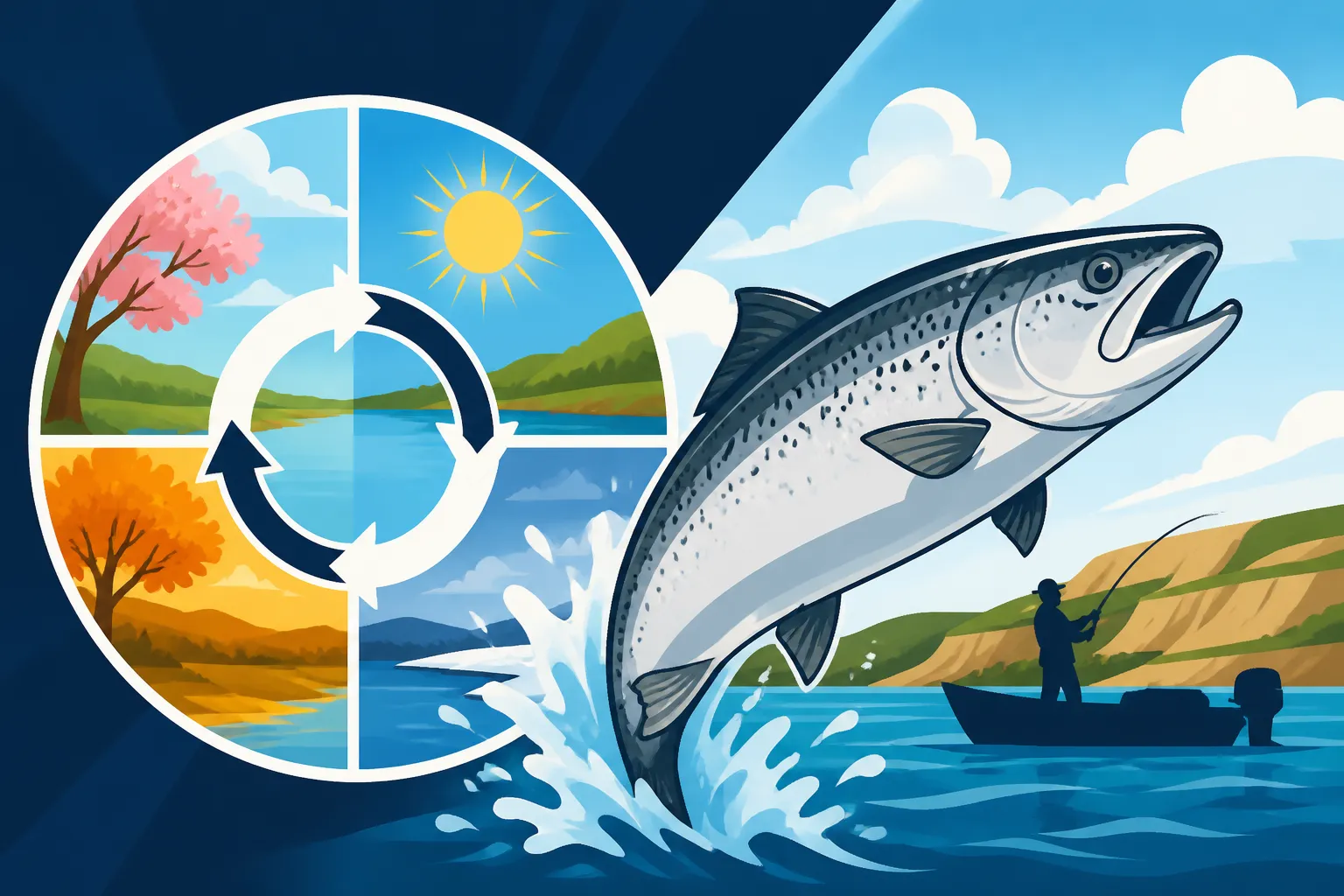
Understanding the Chinook Salmon Annual Cycle on Lake Sakakawea
Chinook salmon, often called King Salmon, are not native to North Dakota but thrive in the deep, cold waters of Lake Sakakawea thanks to a robust stocking program by the North Dakota Game and Fish Department. These fish undergo a fascinating annual cycle, largely driven by water temperature, available forage, and their natural instinct to spawn, even though their spawning efforts in the lake are generally unsuccessful without human intervention. Understanding this cycle is the key to knowing when and where to find them.
The salmon's life revolves around feeding and, ultimately, attempting to reproduce. For much of their lives in Lake Sakakawea, they are pelagic, meaning they live in the open water column, constantly chasing their primary food source: rainbow smelt. This pursuit takes them to different depths and areas of the lake throughout the year, making their "run" less about a traditional upstream migration to a river and more about a seasonal concentration in certain areas. It's a game of hide-and-seek, but once you learn their patterns, it becomes much more predictable.
Anglers often discuss the "Chinook salmon run" in a way that can be a bit misleading for a landlocked fishery. Unlike coastal salmon that dramatically migrate up rivers to spawn, Lake Sakakawea salmon don't have a true river run in the same sense. Instead, their "runs" refer to periods when they congregate in specific areas, often near the dam or at the mouths of tributaries, influenced by their pre-spawning instincts or the availability of food. It's crucial to differentiate this from a river system where salmon literally "run" upstream. On Sakakawea, it's more about movement and aggregation within the lake itself.
Seasonal Breakdown of Chinook Salmon Activity and Runs
The activity of Chinook salmon on Lake Sakakawea varies significantly with the seasons. Each period presents unique opportunities and challenges for anglers, demanding different tactics and a good understanding of where these fish are likely to be.
Spring Awakening: Post-Ice Out Opportunities
As the ice finally recedes from Lake Sakakawea, usually in April or early May, anglers eagerly await the chance to get back on the open water. This early spring period can offer some fantastic, albeit often overlooked, opportunities for Chinook salmon. The water is still quite cold, and the fish haven't yet dispersed throughout the immense lake.
During this time, Chinook salmon are often found shallower than they will be later in the summer. They might be cruising near the surface or in the upper parts of the water column, especially in areas where baitfish like rainbow smelt are starting to become active. Focus your efforts in the main lake body, particularly near points and submerged structure that might hold concentrations of bait. Trolling can be effective, using smaller spoons or stickbaits that mimic smelt. The challenge here is the unpredictable weather and often windy conditions that North Dakota springs are known for, but the rewards can be well worth bundling up. If you’re planning your trip around the ice-out, make sure to check out the North Dakota Fishing Season Dates and Limits to ensure you’re in compliance.
Summer Deepwater Pursuit: The Prime Feeding Season
Summer is when Lake Sakakawea truly comes alive, and for Chinook salmon, it’s a period of intense feeding and growth. As surface water temperatures rise, the salmon will move deeper to find their preferred cold-water habitat, typically around 45-55 degrees Fahrenheit. This stratification means they'll often be found in the thermocline – the layer where warm surface water meets cooler, deeper water.
From late May through August, the Chinook are scattered across the vast expanse of Lake Sakakawea, following schools of rainbow smelt. This is typically when you'll find anglers employing various trolling techniques, often using downriggers and planer boards to present lures at specific depths. Popular spots include the main lake basin, particularly off larger points and submerged islands, as well as the deeper channels of the old Missouri River bed. Catching these fish during summer can be a true test of patience and skill, requiring precise depth control and an understanding of where the baitfish are holding. Many anglers rely on experienced guides during this time, and resources like FishingBooker can help connect you with local experts who know the deepwater patterns of Lake Sakakawea. You might want to explore specific techniques for Chinook Salmon Trolling on Lake Sakakawea to maximize your chances.
Fall Spawning Run: The Most Anticipated Time
Without a doubt, the fall is the most anticipated period for Chinook salmon anglers on Lake Sakakawea. This is what most people refer to as the "salmon run." As water temperatures begin to drop in late August and continue through September and into October, the Chinook salmon begin their pre-spawning migrations. Their primary instinct is to gather near the Garrison Dam, attempting to locate an upstream flow where they would naturally spawn in a river system.
During this time, these magnificent fish congregate in the deep waters near the face of the dam, making them more concentrated and accessible to anglers. Their physical appearance also changes, with males developing kype (a hooked jaw) and a darker, more vibrant coloration. They become incredibly aggressive, striking at lures not necessarily out of hunger but out of territoriality and spawning instinct. Trolling spoons, plugs, and sometimes even jigging near the dam face can be incredibly productive. This is the time when anglers have the best chance at catching a trophy-sized salmon. Many will specifically target this period when considering When Do Chinook Salmon Bite on Lake Sakakawea? and it's a popular time to book a guided trip to navigate the waters safely, a service readily available through platforms like FishingBooker.
Key Factors Influencing Chinook Salmon Movement and Feeding
Understanding the overarching seasonal patterns is great, but pinpointing exactly when the fish are most active requires a deeper dive into the environmental factors that dictate their behavior.
Water Temperature's Role in Salmon Behavior
Water temperature is arguably the most critical factor influencing Chinook salmon movement and feeding. These fish are cold-water species, preferring temperatures between 45°F and 55°F. Any significant deviation from this range will cause them to adjust their depth and location.
In spring, as the ice melts, salmon might be found in shallower, cooler waters, often chasing the first active baitfish. As summer progresses, the surface water warms, forcing them to seek refuge in the cooler, deeper parts of the lake, often following the thermocline. When fall arrives, the entire water column begins to cool, and the salmon, driven by their spawning urge, become more active and less restricted by thermal barriers. This cooling trend triggers their famous "run" towards the dam. Monitoring real-time water temperature reports, often available through local fishing forums or bait shops, can give you a significant advantage in locating these fish.
The All-Important Smelt Forage Base
Chinook salmon in Lake Sakakawea primarily feed on rainbow smelt, a small, silvery baitfish that also thrives in cold water. The abundance and location of smelt schools directly dictate where the salmon will be found. No smelt, no salmon – it’s that simple.
If smelt are abundant in a particular area, salmon will follow. Anglers often spend a good portion of their time using their fish finders to locate these bait schools, knowing that salmon won't be far behind. Fluctuations in the smelt population, due to environmental factors or natural cycles, can impact the health and size of the Chinook salmon fishery. A healthy smelt population typically leads to fatter, more aggressive salmon. Understanding the Chinook Salmon Life Cycle in Lake Sakakawea shows just how crucial this forage base is for their survival and growth in this environment.
Impact of Garrison Dam Operations
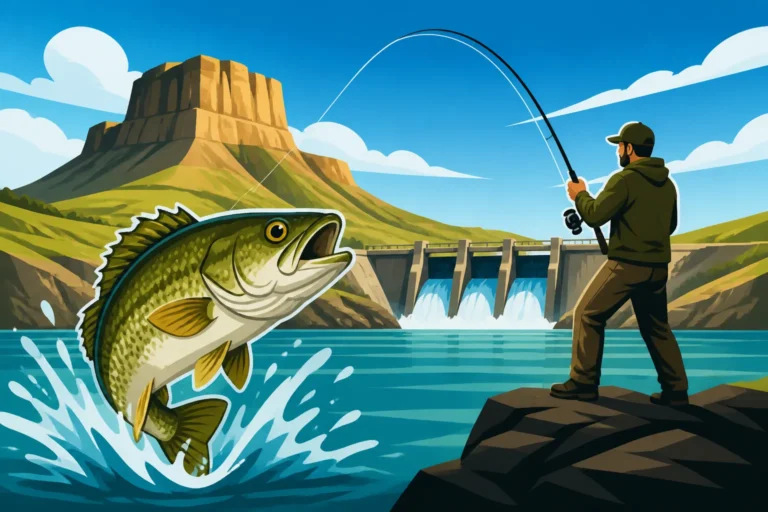
The Garrison Dam plays a pivotal role in the "run" of Chinook salmon on Lake Sakakawea, particularly in the fall. While salmon don't have a river to swim up for spawning, their instinct draws them to the strong current generated by the dam's power generation and water release operations.
During the fall, the area directly in front of the dam becomes a significant aggregation point. The churning water and strong currents mimic the conditions of a river system, activating the salmon's natural spawning drive. This concentration of fish near the dam makes it an exceptionally popular, and often crowded, fishing destination during the peak of the fall run. Anglers should be aware of navigation regulations and safety considerations when fishing in this area due to barge traffic and strong currents. Keeping an eye on the water release schedules from the Garrison Dam can also provide clues on when the currents might be strongest, potentially increasing fish activity.
Strategies for Targeting Salmon During Different Runs
Knowing when the salmon are generally active in different areas is one thing, but having a strategy for each period is what truly sets successful anglers apart.
Adapting Techniques for Spring and Early Summer
In the spring, immediately after ice-out, salmon can be somewhat unpredictable. They might be shallower, but their metabolism is still slow from winter. Focus on covering water by trolling, but don't be afraid to experiment with slower speeds. Longer leader lengths can sometimes be beneficial as the water is typically clearer. Lures that mimic smelt, perhaps in shades of silver, blue, or green, are excellent choices. Consider using light tackle, as the bite can be subtle in cold water. This is also a great time to target other species, as the North Dakota Walleye Fishing Guide can attest, so you might catch a bonus fish.
As early summer progresses and water temperatures start to climb, the salmon will begin their descent into deeper water. This transition period requires you to pay close attention to your electronics. Watch for the thermocline and any signs of baitfish. Downriggers become essential for consistently presenting lures at the precise depth where the fish are holding. Using planer boards to spread out your lines and cover a wider trolling path can also be highly effective, especially when the fish are scattered.
Mastering Deepwater Trolling for Mid-Summer Salmon
Mid-summer fishing for Chinook salmon on Lake Sakakawea is a deepwater game. This means your boat setup and tackle choices are paramount. You'll need reliable downriggers to get your lures to depths of 60 to 100 feet or even deeper, depending on the thermocline and baitfish location. Using quality trolling rods with line counter reels is crucial for repeatable success. For lures, a variety of spoons in different sizes and colors are popular. Many anglers will experiment with flashers or dodgers ahead of their spoons to attract attention from a distance.
When targeting these deepwater salmon, focus on large, open areas of the main lake, particularly those with significant depth changes or submerged structure that could hold schools of smelt. Don't be afraid to try different depths within the thermocline, as fish might be concentrated in a narrow band. The best Trolling Speed for Chinook Salmon generally ranges from 1.8 to 2.5 mph, but always adjust based on conditions and how the fish are reacting. This can be a grind, but hooking into a powerful Sakakawea Chinook from the depths is an unforgettable fight.
Capitalizing on the Fall Spawning Frenzy
The fall run near the Garrison Dam is the most iconic time for Chinook salmon fishing. Here, the strategy shifts to targeting concentrated fish that are often aggressive due to spawning urges. Trolling remains the most popular method, but the focus is often tighter to the dam face and surrounding structure. Larger spoons and plugs in brighter colors—think oranges, reds, and chartreuse—can be highly effective, as the fish are reacting to visual cues and territorial instincts rather than pure hunger.
Because the fish are so concentrated, sometimes jigging spoons or heavy bucktails directly under the boat can also produce strikes, especially if you locate a dense school on your fish finder. Safety is paramount when fishing near the dam due to strong currents and potential boat traffic. Always be aware of your surroundings and adhere to all North Dakota Chinook Salmon Regulations. Many anglers choose to use the services of local fishing charters during this intense period, and a quick search on FishingBooker can help you find captains specializing in the Lake Sakakawea fall salmon run.
Here’s a quick overview of what to expect throughout the year:
| Season | Typical Timing | Primary Location | Primary Behavior | Recommended Tactics |
|---|---|---|---|---|
| Spring | April – May | Main lake, shallower | Post-ice out, feeding slowly | Trolling spoons/stickbaits, shallower depths |
| Early Summer | Late May – June | Main lake, deeper transition | Increasing activity, moving to thermocline | Trolling with downriggers, following bait |
| Mid-Summer | July – August | Deep basin, thermocline | Aggressive feeding on smelt | Deep trolling with downriggers, flashers/dodgers |
| Fall Run | Late Aug – Oct | Near Garrison Dam | Spawning aggregation, highly aggressive | Trolling large spoons/plugs, jigging near dam |
While Lake Sakakawea is a fantastic fishery for salmon, it's also known for other species. If you're new to fishing this vast body of water, learning about the Lake Sakakawea Fishing Guide for North Dakota Anglers can give you a holistic view of what to expect, and understanding the North Dakota Walleye Size Limit Rules will keep you compliant if you happen to hook into a walleye while salmon fishing. Ultimately, consistent success with Chinook salmon on Lake Sakakawea comes from patience, adaptability, and a deep respect for the lake's ever-changing conditions. For those wondering, How Many Chinook Salmon Are Stocked in Lake Sakakawea Each Year? is a great way to understand the management efforts behind this thriving fishery. Also, consider reviewing Best Boats for Lake Sakakawea's Big Water before heading out, as safety on such a large reservoir is crucial.
Disclaimer
The information provided in this guide is for general informational purposes only and is subject to change. Fishing regulations, season dates, and limits are determined by the North Dakota Game and Fish Department and can be updated annually. Always consult the most current North Dakota Fishing Regulations Explained and official proclamations before heading out to fish. Environmental conditions, such as water levels and weather patterns, can also significantly impact fishing success and safety. Be sure to check local forecasts and conditions before your trip.