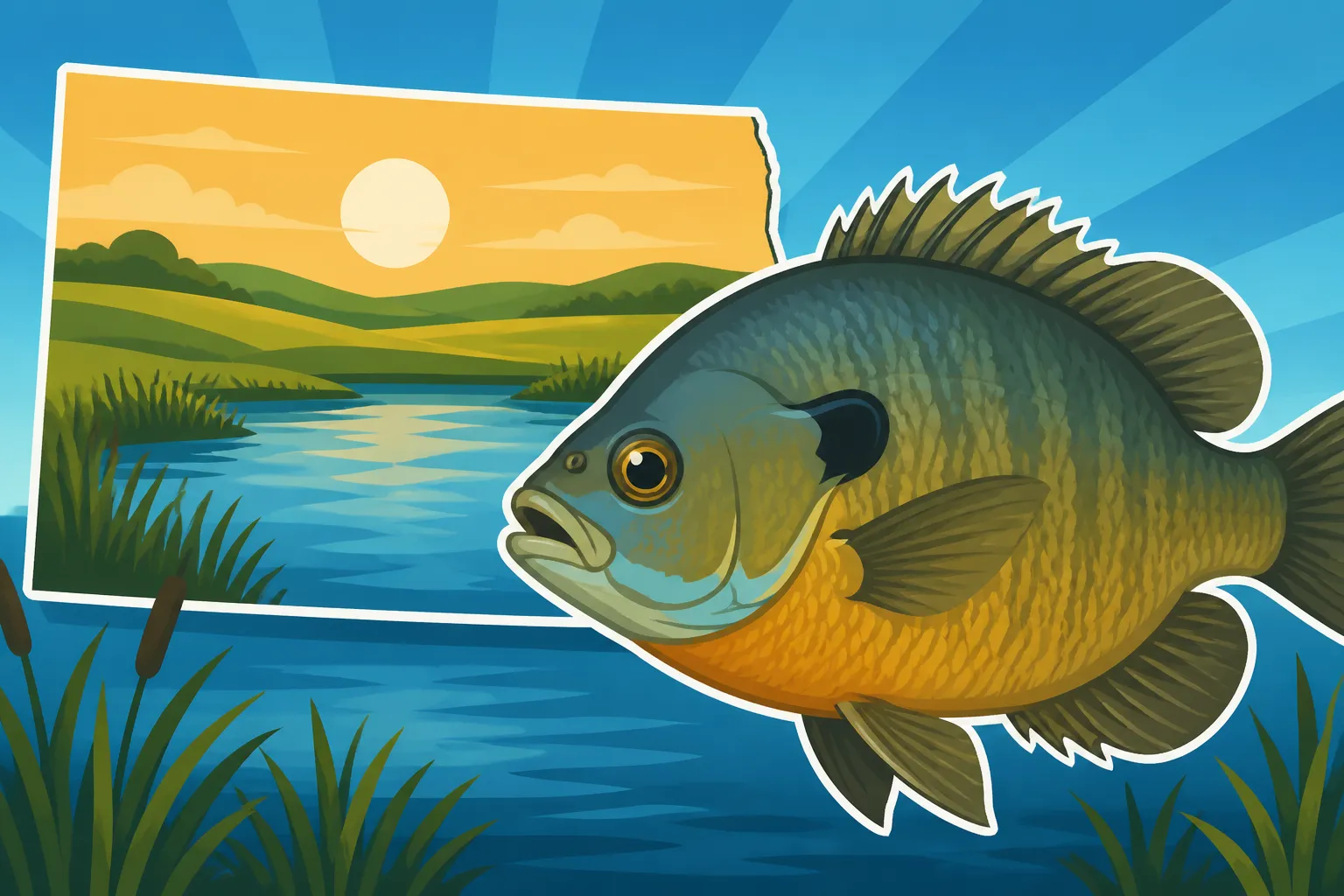
Best Bluegill Ponds in North Dakota
It can sometimes feel overwhelming trying to find those perfect, unassuming little spots where the bluegill are just waiting to bite, especially in a state as vast and varied as North Dakota. Many anglers get caught up in chasing walleye or pike on the big lakes, but there's a quiet joy and consistent action to be found when targeting bluegill in smaller, more intimate waters. This guide is here to unravel the mystery of finding the best bluegill ponds across North Dakota, sharing insights on where to go, what to use, and how to make the most of these delightful panfish opportunities for anglers of all ages and skill levels.
The Charm of Bluegill Fishing in North Dakota
Bluegill fishing in North Dakota is more than just catching fish; it's an experience rooted in simplicity and accessibility. These feisty little panfish offer consistent action, making them a fantastic target for beginners and seasoned anglers alike. While the state is famous for its monster walleye and northern pike, overlooking the bluegill is a mistake, as they provide some of the most enjoyable and often overlooked fishing opportunities.
Why Bluegill are a Great Catch for Everyone
Bluegill are truly a fish for the masses, and for good reason. They are incredibly abundant in many of North Dakota's smaller lakes, ponds, and even some slower-moving rivers. What makes them so appealing is their willingness to bite. Unlike some of the more finicky game fish, bluegill are often eager to strike at a variety of baits and lures, which means less downtime and more bending of the rod. This steady action is particularly excellent for introducing kids to fishing. There's nothing quite like seeing a child's face light up with excitement as they feel that first tug on the line, pulling in a vibrant, sun-kissed bluegill. It builds confidence and fosters a love for the outdoors from an early age.
Beyond the sheer fun, bluegill are also quite tasty! Their white, flaky meat is delicious fried, baked, or broiled, making them a welcome addition to any dinner table. Plus, because they are so numerous, you can often catch a good meal without impacting the population, as long as you adhere to local regulations. For many, a day chasing bluegill is a nostalgic trip back to simpler times, reminding us that fishing doesn't always have to be about trophy hunts; sometimes, it's just about enjoying the quiet beauty of a tranquil pond and the simple pleasure of a tug on the line. They are truly one of the most accessible species in the state, offering fantastic opportunities for those looking to experience North Dakota Fishing for Kids and Families.
Understanding Bluegill Habitats in North Dakota
To find bluegill, you first need to understand where they like to hang out. In North Dakota, bluegill thrive in clear, shallow waters that have plenty of submerged vegetation, fallen logs, docks, or other forms of cover. These areas provide both shelter from predators and a rich feeding ground where they can ambush insects, small crustaceans, and other aquatic invertebrates. Think weed lines, lily pad fields, brush piles, and shallow bays that warm up quickly in the spring and summer sun. They are often found in water depths ranging from just a few feet down to 10-15 feet, depending on the time of year and the specific body of water.
In ponds and small lakes, bluegill will often congregate around any available structure. This could be a rocky point, a shaded bank, or even the remnants of an old submerged fence. Their preference for these types of habitats means that shore anglers have just as good a chance of success as those fishing from a boat or kayak. During the spawn, typically late spring to early summer when water temperatures reach the high 60s, bluegill will move into very shallow, protected areas to create their distinctive circular nests. This is a prime time to target them, as they become quite aggressive in defending their nests. Understanding these habitat preferences is key to locating schools of bluegill and making your fishing trip a success. Knowing what fish species live in North Dakota lakes and rivers can also give you a broader understanding of the ecosystem they thrive in.
Top Bluegill Ponds and Small Lakes Across North Dakota
North Dakota might be known for its vast prairies and massive reservoirs, but scattered across the landscape are countless smaller water bodies that hold incredible populations of bluegill. These hidden gems are often less crowded than the major lakes, offering a more peaceful and productive fishing experience. From the eastern plains to the rolling hills of the west, there's a bluegill pond waiting to be discovered.
Eastern North Dakota Bluegill Hotspots
The eastern part of North Dakota, characterized by its fertile farmlands and numerous smaller water bodies, offers some fantastic bluegill opportunities. These waters often warm up quickly in the spring, leading to early action.
One excellent example is Homestead Lake, located near Mayville. This is a relatively small, easy-to-access lake known for its healthy panfish populations, including robust bluegill. It has good shoreline access and is regularly stocked, making it a reliable spot. Anglers often find success here with small jigs tipped with a grub or a piece of nightcrawler fished near the cattails and submerged grass beds. Another great option is Lake Ashtabula, though larger, its numerous bays and shallower areas provide ideal bluegill habitat. The areas around the bridges and along the reedy shorelines of the Sheyenne River arm are particularly productive. It's a popular spot for many species, but the bluegill thrive in its diverse structure. Don't forget to explore the smaller Game and Fish Department-managed community fisheries, which are often specifically designed to provide easy access and good fishing for panfish. For those in the Fargo area, several small public ponds are maintained and stocked, perfect for a quick afternoon trip.
Central North Dakota Gems for Panfish
Moving into central North Dakota, the landscape shifts, but the bluegill opportunities remain strong. This region is home to many small, accessible lakes and reservoirs that are managed for panfish.
Jamestown Reservoir is a prime example in this central region. While known for its walleye and pike, the reservoir also boasts an excellent bluegill population, particularly in its shallower bays and around any submerged timber. The key here is to target areas with plenty of cover, especially where the water isn't too deep. Small jigs, wax worms, or even tiny crankbaits can entice bites. Similarly, Pipestem Reservoir, just north of Jamestown, offers similar characteristics with good panfish numbers in its quieter arms and coves. Many anglers find success using a simple slip bobber setup near brush piles. If you're looking for an experienced local perspective, platforms like FishingBooker can connect you with guides who know these waters intimately and can put you right on the schools of bluegill. For those near the state's capital, exploring the Best Fishing Lakes Near Bismarck might also reveal some excellent bluegill spots, as many smaller lakes and ponds dot the area.
Western North Dakota's Hidden Bluegill Waters
Western North Dakota, with its more rugged terrain and larger reservoirs, still offers fantastic bluegill fishing in its smaller, often overlooked waters. While Lake Sakakawea dominates the region, there are plenty of smaller impoundments where bluegill flourish.
Nelson Lake, located near Center, is a unique fishery warmed by a power plant, meaning it offers open-water fishing much earlier and later than other lakes, sometimes even year-round in certain areas. This warmer water creates an excellent environment for bluegill to thrive and grow to impressive sizes. Target the abundant submerged vegetation and rip-rap areas. Another excellent choice is Heart Butte Dam (Lake Tschida) near Elgin. While a large reservoir, it has numerous shallow coves and backwaters rich with aquatic plants and structure that hold large numbers of bluegill. Focus on these areas, especially during the spring and early summer months. Anglers often report catching not only good numbers but also surprisingly large bluegill in these western waters. Checking out the North Dakota Fishing Regulations Explained is always a good idea, as specific rules can vary by water body, even for panfish.
Here's a quick look at some notable bluegill ponds and small lakes in North Dakota:
| Water Body | Location (Near) | General Size | Key Features for Bluegill | Best Access Type |
|---|---|---|---|---|
| Homestead Lake | Mayville | Small | Abundant vegetation, good shoreline cover | Shore, Kayak |
| Lake Ashtabula | Valley City | Medium-Large | Shallow bays, river arms, submerged structure | Boat, Kayak, Shore |
| Jamestown Reservoir | Jamestown | Medium | Shallow bays, submerged timber, weed lines | Boat, Kayak, Shore |
| Pipestem Reservoir | Jamestown | Medium | Quiet arms, coves, brush piles | Boat, Kayak, Shore |
| Nelson Lake | Center | Medium | Warm water, abundant vegetation, rip-rap | Boat, Kayak, Shore |
| Heart Butte Dam | Elgin | Large (reservoirs) | Numerous shallow coves, aquatic plants, structure | Boat, Kayak, Shore |
| Larimore Dam | Larimore | Small | Easy access, good panfish numbers | Shore, Kayak |
| Braddock Dam | Braddock | Small | Decent shoreline access, productive for panfish | Shore, Kayak |
Essential Tips for Successful Bluegill Fishing
Catching bluegill consistently isn't complicated, but a few key tips can significantly improve your success rate. From choosing the right bait to understanding the subtle nuances of their behavior, paying attention to these details will help you fill your cooler or simply enjoy more action on the water.
Best Baits and Techniques for Bluegill
Bluegill are not particularly picky eaters, which is fantastic news for anglers. However, some baits and techniques consistently outperform others. When it comes to natural baits, small pieces of nightcrawler, red worms, wax worms, or even mealworms are absolute bluegill magnets. These can be fished under a small bobber, allowing them to drift naturally near cover, or with a tiny split shot weight to get them down to the desired depth. The key is to use small hooks, typically size 8 or 10, as bluegill have small mouths. For those who prefer artificials, micro jigs are incredibly effective. Think 1/32 or 1/64 ounce jigs, often tipped with a small plastic grub, tube, or even just a tiny piece of Gulp! bait. These can be jigged vertically, cast and retrieved slowly, or suspended under a bobber.
Another highly effective technique, especially for locating schools of bluegill, is to use a small spinner or a tiny inline spinner. Brands like Mepps or Panther Martin make small spinners that bluegill can't resist. Cast these near weed lines or submerged structures and retrieve them slowly. Fly fishing for bluegill with small poppers, nymphs, or wet flies can also be incredibly rewarding and offers a unique challenge. Remember that bluegill often school together, so if you catch one, there are likely many more in the immediate vicinity. For more general advice, you might want to check out our guide on the Best Bait for North Dakota Fishing.
Gear Recommendations for Panfish Anglers
You don't need a boatload of expensive gear to have a blast bluegill fishing. In fact, simplicity is often the name of the game. A lightweight spinning combo is ideal. Look for a rod that is 5 to 6.5 feet long with an ultralight or light power and a fast or moderate action. This allows you to cast those tiny baits and lures while still having enough backbone to handle a feisty bluegill. Pair this with a small spinning reel (size 500 to 1000) spooled with 2 to 4-pound test monofilament or fluorocarbon line. Light line is crucial because it allows your small baits to move naturally and is less visible to the fish.
Beyond the rod and reel, a few other items will make your trip more enjoyable. A small tackle box with a variety of hooks (sizes 8-12), split shot weights, small bobbers (slip bobbers are fantastic for adjusting depth), and a selection of micro jigs and small spinners is all you really need. A pair of small pliers for hook removal, a stringer or a small cooler to keep your catch fresh, and a comfortable chair if you're shore fishing will round out your essential kit. For those just starting out or looking to upgrade, our guide on the Best Fishing Rods for North Dakota Anglers offers more detailed recommendations, and you can always consult a resource like FishingBooker for recommendations on specific gear or to connect with local experts. Our guide to the Best Fishing Tackle for North Dakota Lakes also provides valuable insights into what to keep in your tackle box.
Seasonal Considerations for Bluegill Bites
Bluegill fishing in North Dakota is largely a year-round affair, with different seasons offering unique opportunities and challenges.
Spring (Ice-Out to Early June): As the ice recedes and water temperatures begin to climb, bluegill become more active. They'll often move into shallower, dark-bottomed bays that warm up first, looking for food. This is a great time to target them with small jigs and live bait. They are still somewhat lethargic from winter, so slow presentations are key.
Summer (June to August): This is prime time for bluegill. They are active, aggressive, and often shallow. Post-spawn, they'll spread out but will still be concentrated around weed beds, docks, and submerged structures. Early mornings and late evenings are often the most productive, but in some ponds, they'll bite all day. This is when sight fishing for beds in very shallow water can be a blast.
Fall (September to November): As water temperatures cool, bluegill will start to move deeper, following baitfish and seeking more stable temperatures. They might be found on the edges of deep weed lines or near underwater humps. Presentations will need to be slower, and fishing deeper with small jigs or worms becomes more effective. They often put on a good feed before winter sets in.
Winter (Ice Fishing): North Dakota's ice fishing season offers fantastic bluegill opportunities. They will school up in deeper basins or around remaining green weeds. Small ice jigs, often tipped with a maggot or wax worm, are incredibly effective. A sensitive ice rod and a flasher unit can help you detect their subtle bites and locate schools under the ice. Always check the North Dakota Fishing Season Calendar for specific dates and rules, especially for other species you might encounter.
Responsible Angling and Conservation
While bluegill are plentiful, responsible angling practices are crucial to ensure these excellent fisheries remain healthy and productive for generations to come. This includes understanding and adhering to regulations, practicing ethical catch-and-release when appropriate, and being mindful of the environment.
Catch Limits and Regulations for Panfish
North Dakota's Game and Fish Department (NDGFD) sets specific regulations to manage fish populations, including bluegill and other panfish. While bluegill often have generous daily limits, it's vital to know the specific rules for the body of water you're fishing. Regulations can sometimes vary from lake to lake, especially for panfish. For instance, some lakes might have a more restrictive daily limit if the NDGFD is trying to improve the size structure of the bluegill population. Always consult the current North Dakota Fishing Regulations Explained or the annual proclamation before you head out. These resources will detail daily limits, possession limits, and any specific size restrictions that might be in place for panfish. Our guide on Yellow Perch and Panfish Daily Limits Explained can give you a head start on what to expect for these popular species. Knowing your limits helps maintain the balance of the ecosystem and ensures future fishing enjoyment.
Protecting North Dakota's Bluegill Fisheries
Conservation goes beyond just following the rules; it's about actively protecting the resource. Here are a few ways to contribute:
- Practice Selective Harvest: While it's okay to keep a meal of bluegill, consider releasing the largest fish. These bigger bluegill are often the prime spawners, contributing significantly to the genetic health and overall population of the lake. Taking home smaller to medium-sized fish (often referred to as "eating size") can actually help improve the overall size structure of the population by reducing competition for food.
- Handle Fish Carefully: If you plan to release fish, handle them as little as possible. Wet your hands before touching them to protect their protective slime coat, and use a de-hooker or pliers to remove hooks quickly and gently.
- Prevent Aquatic Nuisance Species (ANS): Always "Clean, Drain, Dry" your boat, waders, and fishing gear after every outing. This simple practice prevents the spread of invasive species like zebra mussels or Eurasian watermilfoil, which can devastate native fish habitats.
- Pack It In, Pack It Out: Leave no trace. Take all your trash with you, including discarded fishing line, which can be harmful to wildlife.
- Report Violations: If you witness illegal fishing activity or environmental damage, report it to the North Dakota Game and Fish Department.
By embracing these practices, we can all play a part in safeguarding North Dakota's abundant and enjoyable bluegill fisheries.
Disclaimer
The information provided in this guide is for general informational purposes only and is subject to change. Fishing regulations, conditions, and fish populations can vary. Always consult the latest North Dakota Game and Fish Department regulations and local advisories before planning any fishing trip. The author and publisher are not responsible for any incidents or accidents that may occur from following the advice in this guide.