Best Sunset Fishing Spots in North Dakota
There’s nothing quite like the fading light of a North Dakota day, but for many anglers, it signals the end of their time on the water. What a mistake! That magical hour or two as the sun dips below the horizon, and even a bit into twilight, can be some of the most productive fishing you’ll experience. If you’ve ever packed up your gear just as the bite was getting good, this guide is for you. We’re going to dive deep into why sunset is a prime fishing window and reveal some of the best spots and strategies for catching fish under North Dakota's stunning evening skies.
Why Sunset is Prime Time for Fishing in North Dakota
Many anglers mistakenly believe that peak fishing hours are strictly dawn or midday, but in North Dakota, the period around sunset offers a unique set of conditions that can turn a slow day into a spectacular one. It's not just about the beautiful scenery; there are very real biological and environmental factors at play that make fish more active and accessible during these twilight hours.
The Science of Low Light and Fish Activity
Think about it from a fish's perspective. During the bright, harsh midday sun, many species, especially those with sensitive eyes like walleye, tend to retreat to deeper, cooler water or seek refuge in dense cover like weed beds or beneath submerged structures. They’re avoiding the glare and often conserving energy. As the sun begins its descent, two crucial things happen: the light intensity diminishes, and shadows lengthen. This reduction in light creates a more comfortable environment for these light-sensitive fish, signaling that it’s time to move out of their daytime hiding spots and begin their evening hunt.
Predators like walleye, northern pike, and even some species of bass use the low-light conditions to their advantage. Their vision is often optimized for twilight and nighttime hunting, giving them an edge over their prey. Baitfish, which might have been scattered or hidden during the day, also start to move more freely, creating a feeding frenzy opportunity that savvy anglers can capitalize on. This isn't just anecdotal; scientific studies on fish behavior consistently show increased activity and feeding rates for many popular game fish species during crepuscular periods – dawn and dusk. So, when that golden hour hits, know that you’re not just admiring the view; you’re witnessing nature’s dinner bell.
Temperature Changes and Insect Hatches
Beyond the light, temperature plays a massive role. Throughout a warm North Dakota summer day, shallow waters can heat up considerably, making them less hospitable for many cool-water species. As the sun goes down, the air temperature drops, and consequently, the surface water temperature begins to cool. This slight drop in temperature can invigorate fish, pushing them from lethargic daytime states into more active feeding modes. This is especially true for species like yellow perch and crappie, which might be found in shallower, warmer bays during the day but become much more aggressive as the water cools slightly.
Furthermore, sunset often coincides with prolific insect hatches, particularly during the late spring and summer months. Mayflies, caddisflies, and other aquatic insects emerge from the water in swarms, providing an irresistible feast for smaller fish. These smaller fish, in turn, attract the larger predatory species. Picture a calm lake surface at dusk, suddenly broken by rises and splashes as fish gorge on emerging insects. This cascade effect means that even if your target species isn't directly feeding on insects, they're certainly feeding on the smaller fish that are. Understanding these natural cycles can help you choose the right bait and presentation – perhaps a topwater lure mimicking an insect or a crankbait to imitate a feeding baitfish. It’s all part of tuning into nature’s rhythm.
Top Sunset Fishing Destinations in North Dakota
North Dakota boasts a variety of incredible fishing waters, and many truly come alive as the day fades into night. From vast reservoirs to winding rivers, the opportunities for a memorable sunset fishing experience are abundant.
Lake Sakakawea: Walleye and Salmon Opportunities
Lake Sakakawea, a sprawling reservoir on the Missouri River, is a true gem for sunset fishing, particularly if you're chasing walleye or even the elusive Chinook salmon. This massive body of water offers countless bays, points, and submerged structures where fish migrate as evening approaches. During the day, walleye often hold to deeper structure, but as the light dwindles, they push shallower to feed.
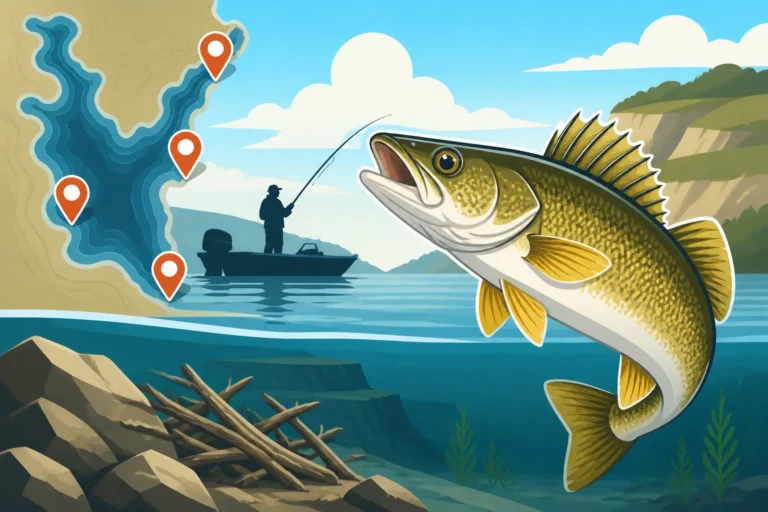
For walleye, focus your efforts on the transition zones – areas where deep water meets shallower flats, points, or humps. The hours just before and after sunset are prime for trolling crankbaits or casting jigs tipped with live bait like minnows or nightcrawlers along these breaks. Popular areas like the Van Hook Arm or the bays around Fort Stevenson State Park can be hotspots. Anglers often find success working depths of 10-20 feet initially, and then moving even shallower as darkness sets in. It’s a fantastic experience to feel that sharp thump of a walleye hitting your line as the sky turns brilliant shades of orange and purple.
And let's not forget the Chinook salmon! While often targeted during peak summer months, they can also be active feeders at sunset, especially in the deeper main lake sections. Trolling with downriggers or planer boards becomes key here, targeting salmon that are following baitfish schools. The Big Arm area or near the Garrison Dam tailrace can be productive. Remember that specific regulations apply to North Dakota Chinook Salmon Regulations, so always double-check your limits. A charter guide found through services like FishingBooker might be an excellent option for those looking to maximize their chances for salmon, as they have the specialized gear and local knowledge to put you on fish when it matters most.
Devils Lake: Perch and Walleye Evening Bites
Devils Lake, often called the "Perch Capital of the World" and a renowned walleye fishery, transforms into an angler's paradise during sunset. Its unique landscape of flooded timber and vast flats creates ideal low-light hunting grounds. The lake's high nutrient content supports an incredible forage base, meaning there's always something for predators to chase.
For yellow perch, the evening bite can be phenomenal. As the sun sets, large schools of perch move from deeper water or dense cover to shallower flats and weed edges to feed. Jigging with small spoons, soft plastics, or a simple jig tipped with a minnow or a piece of nightcrawler can be incredibly effective. Focus on areas with flooded timber or scattered weeds, particularly those adjacent to deeper channels. The channels themselves can also hold active perch as they move. You can learn more about specific tactics in our Devils Lake Perch Fishing Spots guide.
Walleye on Devils Lake also come alive at sunset. Similar to Sakakawea, they'll push shallower, often to rock piles, submerged roads, or the edges of those famous flooded trees. Casting crankbaits or pitching jigs is a deadly combination. The key is to be patient and work your lures slowly, letting the low light obscure your presentation and give the walleye the confidence to strike. Even simple slip-bobber rigs with live bait can be very productive in these conditions. The tranquility of Devils Lake at dusk, broken only by the splash of a rising fish, is an experience every angler should have.
Red River of the North: Catfish Under the Twilight
If monster catfish are your passion, the Red River of the North delivers an unforgettable sunset experience. The Red River is famous for its colossal channel catfish, and while they bite throughout the day, the evening hours often bring out the biggest and most aggressive fish. The river's murky waters provide a natural low-light advantage for these nocturnal feeders, making sunset a prelude to a fantastic night of fishing.
As the sun sets, catfish move from their daytime resting spots in deeper holes or under cut banks to shallower feeding areas like sand flats, log jams, and current seams. The best approach is often anchoring your boat or fishing from shore in areas where current breaks or deeper holes are present. Heavy-duty tackle is a must here; these Red River giants can easily exceed 20 pounds, with the North Dakota state record being well over 40! Check out our North Dakota Channel Catfish Fishing Guide for more in-depth strategies.
Bait choice is crucial for sunset catfishing on the Red. Fresh cut bait, like suckers or goldeye, are highly effective, as are large stink baits or shrimp. Rigging them on a slip-sinker setup allows the bait to lie naturally on the bottom, where catfish are often scavenging. The anticipation of a hard strike as the last vestiges of light disappear over the eastern horizon is what keeps Red River catfishermen coming back. You can find excellent access points and learn more about this incredible fishery in our Red River of the North Fishing Guide.
Smaller Lakes and Reservoirs: Hidden Gems for Evening Anglers
While the big names like Sakakawea and Devils Lake often steal the spotlight, North Dakota's numerous smaller lakes and reservoirs offer fantastic, often less crowded, sunset fishing opportunities. These hidden gems can be incredibly productive, providing a more intimate angling experience. Places like Lake Audubon, Jamestown Reservoir, Lake Ashtabula, or Nelson Lake are perfect examples.
These smaller bodies of water often warm up faster during the day, meaning the evening cool-down can trigger even more pronounced feeding patterns. Walleye, northern pike, and panfish like crappie and bluegill will often move into shallow bays, along weed lines, or near rocky points as the sun goes down. Kayak anglers, in particular, can find success exploring the quieter coves and shorelines that might be inaccessible to larger boats.
For northern pike, try casting large spoons, spinnerbaits, or topwater lures along the edges of emergent vegetation during sunset. Pike are ambush predators, and the low light gives them excellent cover. You can find more tips in our How to Fish for Northern Pike in North Dakota article. Crappie and bluegill will often school up around submerged brush piles, docks, or standing timber, and they can be caught with small jigs, micro-spoons, or tiny live minnows suspended under a bobber. The calm, quiet atmosphere of these smaller lakes at sunset is truly something special, providing a peaceful backdrop to some exciting fishing action.
Essential Gear and Techniques for Sunset Fishing
Sunset fishing in North Dakota isn't just about being on the water; it's about being prepared for the changing conditions and adapting your approach. A few strategic adjustments to your gear and techniques can make all the difference.
Low-Light Lures and Baits
As visibility drops, fish rely more on other senses – vibration, scent, and subtle changes in light and shadow. This means your lure selection should shift accordingly.
- Color Choices: While bright, natural colors might dominate during the day, low-light conditions often favor darker silhouettes or lures with built-in glow features. Black, dark purple, and blue can create a strong silhouette against the fading sky or moonlight, making them easier for fish to detect. Lures with glow-in-the-dark or UV reflective properties can also be highly effective, emitting a subtle light that mimics bioluminescent prey.
- Vibration and Sound: Consider lures that create a lot of vibration or sound. Bladed jigs (like chatterbaits), lipless crankbaits, or spinnerbaits send out strong sonic signals that fish can pick up on using their lateral lines, even when they can't see the lure clearly. Rattles in crankbaits or jig heads can be game-changers.
- Scent: Don't underestimate the power of scent in low light. Tipping your jigs with live bait like minnows, nightcrawlers, or leeches adds natural scent and movement. For artificials, consider applying scent attractants to soft plastics or crankbaits to give fish an extra reason to strike. This is especially true when targeting walleye; check out Best Live Bait for North Dakota Walleye for more detailed recommendations.
- Topwater Action: For bass and pike, sunset can be fantastic for topwater lures. Poppers, walk-the-dog baits, and buzzbaits can create a commotion on the surface that triggers aggressive strikes from fish looking up for an easy meal. The silhouette against the fading sky is key, and the explosive strikes can be exhilarating.
Safety and Navigation After Dark
Safety is paramount when you're on the water as the light fades or after dark. Visibility changes rapidly, and what seemed clear in daylight can become a hazard in the dimming light.
- Lighting: If you're in a boat, ensure your navigation lights are fully functional and turned on. Carry a powerful spotlight or headlamp for spotting buoys, markers, or potential obstructions. For shore anglers, a headlamp is essential for tying knots, baiting hooks, and safely moving around.
- GPS and Maps: Have a reliable GPS unit or a charting app on your phone with downloaded maps of the lake or river. Familiarize yourself with the area in daylight, noting any hazards. Even on smaller lakes, it's easy to get disoriented in the dark.
- Life Jackets: Always wear a life jacket, especially if you're boating after dark or fishing from a kayak or canoe. Accidents can happen quickly, and having flotation can be a lifesaver.
- Tell Someone: Always let someone know where you're going, when you expect to return, and what your plan is.
- Weather Monitoring: Keep a close eye on weather forecasts. Storms can blow in quickly in North Dakota, and being caught in rough weather after dark is a dangerous situation.
Booking a Sunset Trip with a Guide
Sometimes, the best way to experience sunset fishing is with a seasoned pro. A local guide can provide invaluable expertise, putting you on the best spots, advising on the most effective lures, and ensuring a safe and productive trip. This is where services like FishingBooker truly shine. You can browse and book trips with local North Dakota fishing guides who specialize in evening and night fishing.
A good guide will have all the necessary safety gear, proper lighting, and an intimate knowledge of the waterway, including current fishing patterns. They can teach you specific techniques for Night Fishing Rules in North Dakota, help you navigate unfamiliar waters, and often provide all the tackle and bait you'll need. This is especially beneficial if you're new to a particular lake or species, or if you simply want to enjoy the experience without worrying about the logistics. Whether it's chasing trophy walleye on Lake Sakakawea or battling giant channel catfish on the Red River, a guided sunset trip can be an unforgettable adventure.
North Dakota Regulations for Evening Anglers
It’s exciting to extend your fishing day into the evening, but it’s critical to remember that all standard North Dakota fishing regulations still apply, and some specific rules become even more important when fishing in low light or darkness. Ignorance of the law is never an excuse, and game wardens are often out on patrol during these prime fishing hours.
Fishing Hours and Species-Specific Rules
Thankfully, North Dakota does not have a general statewide "no fishing after dark" rule, meaning anglers can typically enjoy the twilight and nighttime hours. However, this doesn't mean it's a free-for-all. All statewide and specific waterbody regulations regarding daily limits, size restrictions, and gear restrictions remain in effect 24/7. For instance, if you're fishing for North Dakota Walleye Size Limit Rules, those rules apply whether it's high noon or midnight.
It’s always a good idea to consult the most current North Dakota Fishing Guide or Proclamation issued by the North Dakota Game and Fish Department (NDGFD). These documents are updated biennially and cover everything from general rules to specific exceptions for certain lakes or species. Some regulations, like the number of lines you can fish with in North Dakota, are especially important to adhere to, as it's easier to inadvertently exceed limits in the dark when you might have multiple rods out. You can typically use two rods per angler, but always confirm the latest details.
Keep in mind that certain species might have specific season closures or limits that vary by time of year, even if open water fishing generally allows for 24-hour access. Always verify the rules for your target species and location.
Boat Lighting and Safety Requirements
For any angler venturing out in a boat during sunset or after dark, strict adherence to boat lighting and safety requirements is not just good practice – it's the law. These rules are in place to prevent collisions and ensure the safety of everyone on the water.
- Navigation Lights: Any boat operating between sunset and sunrise, or during periods of restricted visibility (like fog), must display proper navigation lights. This typically includes a red light on the port (left) side, a green light on the starboard (right) side, and a white all-around light or masthead light visible from 360 degrees. These lights make your vessel visible to others and indicate your direction of travel. You can find detailed requirements in the North Dakota Boat Registration Requirements guide.
- Personal Flotation Devices (PFDs): While it's always recommended to wear a PFD, it's even more critical in low light. Every vessel must have a Coast Guard-approved PFD for each person on board, readily accessible. Children under a certain age (typically 12 or 13, check current regulations) are usually required to wear them at all times while underway.
- Sound-Producing Devices: Carry a horn or whistle for signaling.
- Visual Distress Signals: For boats over 16 feet, visual distress signals (like flares) are often required when operating on federally controlled waters, which includes parts of Lake Sakakawea and the Missouri River.
- Intoxication: Operating a boat under the influence of alcohol or drugs is strictly prohibited and carries severe penalties, just like operating a motor vehicle. This is especially dangerous at night.
Always conduct a thorough check of your boat's lighting and safety gear before heading out for a sunset fishing adventure. A quick pre-trip inspection ensures you comply with regulations and, more importantly, keeps you and your fellow anglers safe on the water. You can learn more about where to obtain your permits and licenses at places like local retail vendors described in Where to Buy a North Dakota Fishing License.
Sunset fishing in North Dakota offers a truly magical and productive experience that shouldn't be missed. The combination of stunning scenery, active fish, and cooler temperatures creates ideal conditions for targeting many of the state's most sought-after species, from the walleye of Lake Sakakawea to the monster catfish of the Red River. By understanding fish behavior, preparing with the right gear, prioritizing safety, and adhering to regulations, you can transform the end of your day into the highlight of your fishing trip. So next time the sun starts to dip, instead of packing up, consider staying a little longer. You might just discover your new favorite fishing time under North Dakota's beautiful evening sky.
Disclaimer
Fishing regulations and conditions in North Dakota can change. Always consult the official North Dakota Game and Fish Department website or their latest fishing proclamation for the most current and accurate information before planning your trip. The information provided here is for general guidance and informational purposes only.