Best Bait for North Dakota Fishing
Choosing the right bait for North Dakota fishing can feel like solving a complex puzzle. With our vast lakes, winding rivers, and diverse fish species, what worked wonders on Lake Sakakawea in July might get you absolutely nowhere on Devils Lake in February. It's a common frustration, trying to cut through the noise and figure out what really works. This comprehensive guide is here to untangle that mystery, giving you the real scoop on the best baits for every situation, season, and species across our beautiful state.
Understanding North Dakota's Waters and Target Species
Before you even think about tying on a lure or threading a minnow, it's crucial to get a handle on the environment you're fishing in and the specific fish you're hoping to catch. North Dakota isn't a one-size-fits-all fishing destination; our waters are incredibly varied, and so are the appetites of the fish that call them home. What a walleye is looking for in a vast, open reservoir will be completely different from what a channel catfish is hunting in a murky river.
The Diverse Habitats of North Dakota
North Dakota boasts an impressive array of aquatic habitats, each presenting unique challenges and opportunities for anglers. You've got the sprawling, deep waters of big reservoirs like Lake Sakakawea and Lake Oahe, which often mimic massive inland seas. These expansive bodies of water can hold cold-water species like Chinook salmon and offer endless possibilities for trolling for walleye across vast structures. The sheer size means fish can be spread out, requiring baits that cover a lot of water or stand out in large areas.
Then there are the prairie lakes, like the famous Devils Lake, known for its flooded timber and fluctuating water levels. These lakes are typically shallower, often have more cover, and can be rich in nutrients, leading to abundant populations of yellow perch and walleye. The bait choices here might lean towards presentations that can navigate submerged trees or target schools of baitfish in specific depth ranges. Finally, our winding rivers, such as the Missouri River and the Red River of the North, offer distinct current-driven environments. The Red River, for instance, is world-renowned for its monster channel catfish, which thrive in its often turbid, moving waters. River fishing often calls for baits that can hold their position in current or attract attention through scent, as visibility might be limited.
Top Game Fish and Their Preferences
Each of North Dakota's premier game fish has its own culinary preferences and hunting styles, which directly dictate the best baits to use. Understanding these habits is half the battle won.
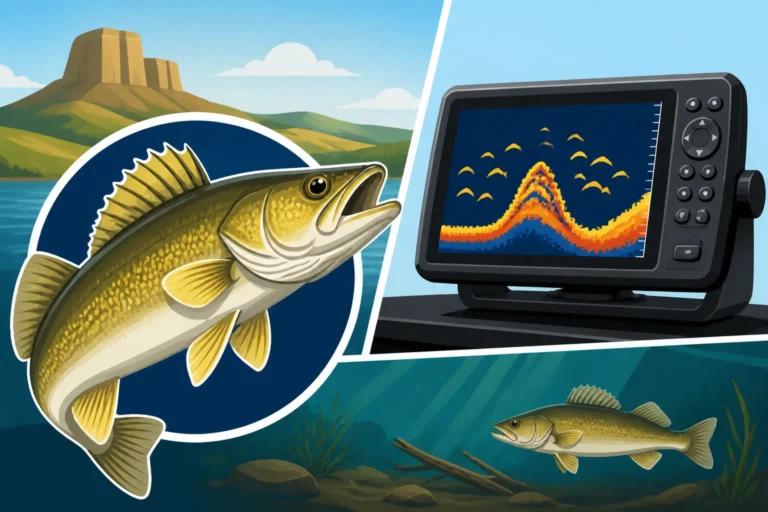
- Walleye: Often considered the king of North Dakota fishing, walleye are primarily sight feeders but also use their keen sense of smell. They love small baitfish like shiners and minnows, but they're also highly responsive to jigs, crankbaits, and spinner rigs that mimic these forage species. In murkier water or low light, scent can play an even bigger role. You can learn more about specific techniques in our comprehensive guide, "North Dakota Walleye Fishing Guide".
- Northern Pike: These toothy predators are aggressive ambush hunters with a voracious appetite. They’ll strike at almost anything that moves and looks like an easy meal. Large spoons, spinnerbaits, crankbaits, and even topwater lures are excellent choices. Live or dead baitfish, particularly large suckers or smelt, are also incredibly effective, especially when fishing for trophy pike. If you're serious about chasing these giants, our "North Dakota Northern Pike Fishing Guide" offers in-depth advice.
- Yellow Perch: A favorite for ice anglers and open-water panfish enthusiasts alike, perch are schooling fish that primarily feed on insects, small crustaceans, and tiny baitfish. Small jigs tipped with live bait (minnow heads, wax worms) or soft plastics are deadly. They have a softer bite, so sensitive presentations are key. For dedicated perch anglers, check out the "North Dakota Yellow Perch Fishing Guide".
- Channel Catfish: These whiskered bottom-dwellers rely heavily on their sense of smell and taste. They're scavengers and opportunistic feeders, making smelly baits their weakness. Cut bait, chicken livers, stink baits, and even certain cheeses are highly effective. They are a big draw in the Red River, and you can dive deeper into the tactics with the "North Dakota Channel Catfish Fishing Guide".
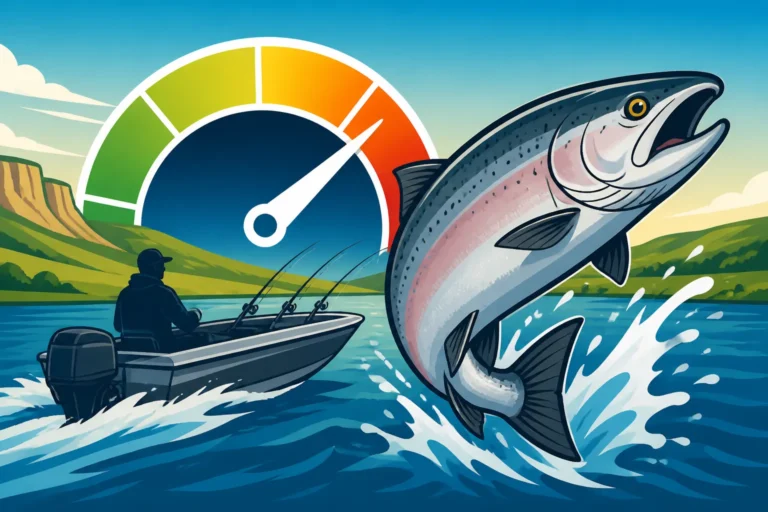
- Chinook Salmon: Found primarily in the deep, cold waters of Lake Sakakawea, Chinook salmon are pelagic predators that feed on smelt and other open-water baitfish. Trolling with spoons, flasher-fly combinations, or plugs that imitate their forage is the most common and effective method. These are fast, hard-fighting fish that require specialized gear and techniques.
- Smallmouth Bass: These feisty fighters love rocky structures, clear water, and baitfish or crayfish. Jigs, crankbaits, spinnerbaits, and a variety of soft plastics (like tubes and grubs) are top choices. They offer an exciting fight and are becoming increasingly popular in North Dakota's lakes and reservoirs.
Live Bait: The Undisputed Classics
For many anglers, there's just something inherently satisfying about fishing with live bait. It taps into the fish's natural instincts, often producing bites when artificial presentations fail. In North Dakota, live bait isn't just a tradition; it's often the most effective tool in your tackle box, especially for species like walleye, perch, and catfish. The subtle movements, natural scent, and authentic look are hard for fish to resist.
Minnows: The Universal Walleye Magnet
When it comes to live bait in North Dakota, minnows hold a special place. They are arguably the most versatile and consistently effective live bait for a wide array of species, but especially for walleye. Different types of minnows offer various advantages. Fathead minnows are hardy and readily available, making them a staple for tipping jigs or fishing under a bobber. Shiner minnows, particularly large ones, are often preferred for larger walleye and northern pike due to their size and liveliness. Rainbow smelt, though sometimes harder to come by live, are an irresistible treat for walleye, especially during the colder months or immediately after ice-out, as they mimic a common forage fish.
Rigging minnows effectively is key. For walleye, a simple jig and minnow combination is hard to beat, whether you're vertical jigging over structure or pitching it to shallow breaks. A jig head hooked lightly through the lips or dorsal fin keeps the minnow alive and kicking, adding enticing action. Another classic technique is the slip bobber rig, which allows you to present a minnow at a precise depth, often just off the bottom or suspended over submerged vegetation. For open water trolling, a Lindy rig or a similar bottom-bouncing presentation with a lively minnow is incredibly effective for covering ground and presenting bait naturally near the bottom. The natural movement and scent of a minnow can often trigger bites when walleyes are finicky. Our guide on "Best Live Bait for North Dakota Walleye" delves into these techniques further.
Nightcrawlers and Leeches: Versatile Wormy Wonders
Beyond minnows, nightcrawlers and leeches are two other workhorse live baits that no North Dakota angler should overlook. They are incredibly versatile and can tempt a wide range of species, from walleye and perch to channel catfish and various panfish.
Nightcrawlers are the classic "worm on a hook," and for good reason. Their wriggling action and natural scent are irresistible to many fish. For walleye, rigging a half or whole nightcrawler on a spinner rig or a worm harness behind a bottom bouncer is a deadly trolling presentation, especially during the summer months when walleye are actively feeding. The flash and vibration of the spinner combined with the natural scent of the crawler create an enticing target. For still-fishing or targeting panfish, a piece of nightcrawler on a small hook under a bobber is a time-tested method. For catfish, a whole nightcrawler balled up on a larger hook near the bottom can be incredibly effective.
Leeches, particularly jumbo leeches, are another walleye favorite, especially in clearer waters or during specific times of the year. They are surprisingly hardy and stay active on the hook for a long time. They can be fished similarly to nightcrawlers, on a spinner rig or a plain hook under a slip bobber. Many anglers prefer leeches for their robust nature and distinct appearance, believing they offer a unique profile that walleye can't resist. Both nightcrawlers and leeches need to be kept cool and moist to remain lively, so having a good bait cooler is essential.
Frogs and Other Live Offerings
While minnows, nightcrawlers, and leeches form the core of live bait offerings, there are other, more specialized live baits that can be incredibly effective for certain species or situations in North Dakota. These often require a bit more effort to source or use but can pay off handsomely.
Frogs, for instance, can be a phenomenal bait for large northern pike and even some big smallmouth bass. When fished along lily pads, weed lines, or other shallow cover, a live frog skipped across the surface or allowed to swim naturally can provoke explosive strikes. However, it's critical to be aware of local regulations regarding the capture and use of frogs as bait, as rules can vary. Always check the current North Dakota Fishing Regulations Explained before attempting to use them. Similarly, large suckers or chubs, often purchased from bait shops, are excellent for trophy northern pike or even muskie if you're targeting those rare giants. These larger baitfish are typically fished on quick-strike rigs or large single hooks, often under a large bobber near prominent structures.
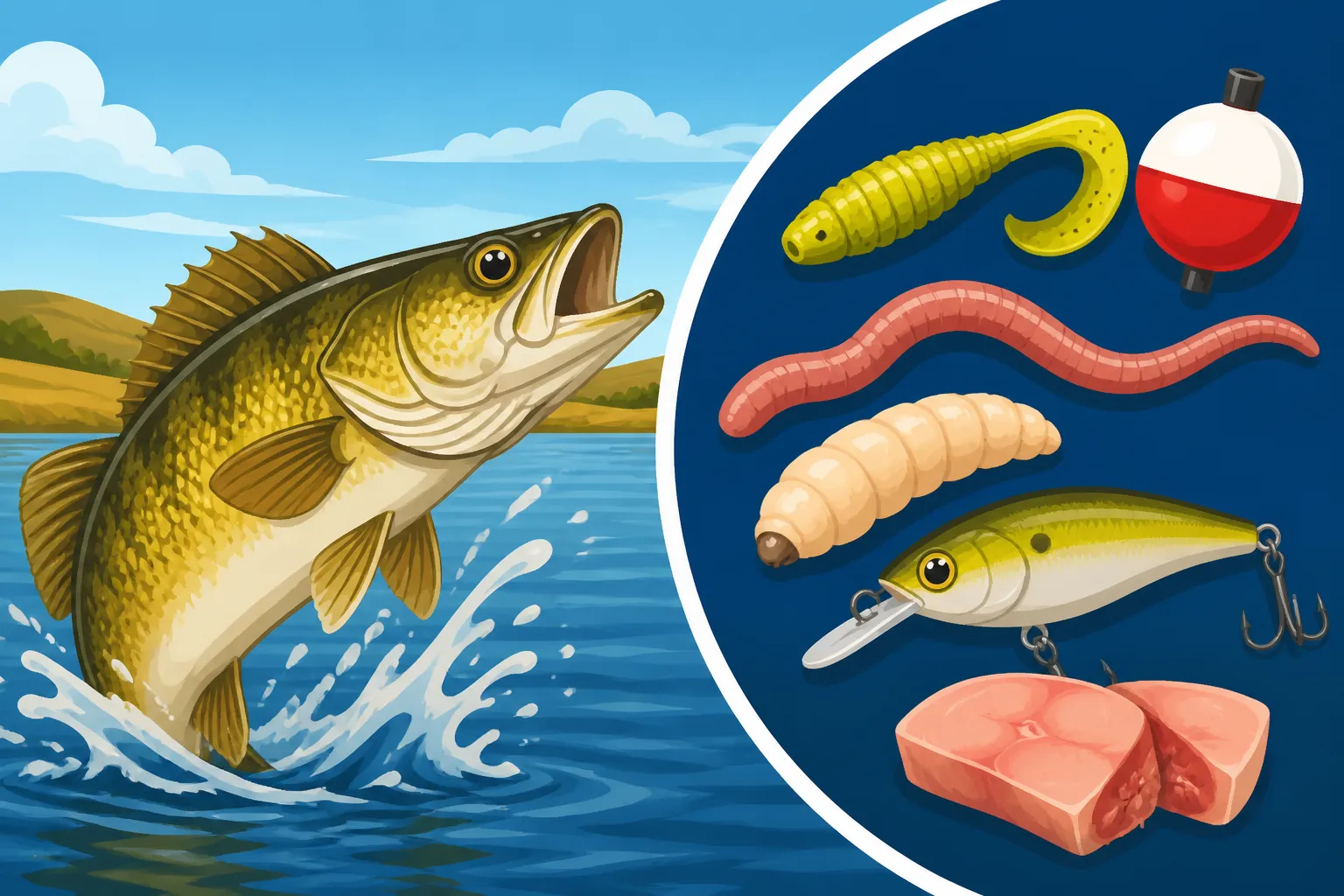
Another option for specific scenarios, particularly for panfish like crappie and bluegill, includes various insect larvae such as wax worms, mealworms, or spikes. These small, wiggling baits are perfect for tipping tiny jigs, especially when ice fishing or targeting panfish through sparse cover in open water. Their small size and constant movement make them irresistible to smaller game fish. The key with all these live offerings is maintaining their vitality. Having a well-ventilated bait container and ensuring proper water quality for minnows or cool, moist conditions for worms and leeches, will significantly increase your success rates. Many anglers find reliable bait storage solutions on platforms like Amazon.
Artificial Lures: Modern Angling Essentials
While live bait certainly has its place, artificial lures have revolutionized fishing, offering incredible versatility, durability, and the ability to cover vast amounts of water efficiently. Modern artificial baits are designed to mimic the look, action, and even the scent of natural prey, making them incredibly effective in North Dakota's diverse fisheries. Mastering the use of artificial lures means less time dealing with finicky live bait and more time actively fishing.
Jigs: The Foundation of Many Tackle Boxes
If there's one artificial lure that every North Dakota angler must have in their tackle box, it's the jig. Jigs are incredibly versatile and can be used for almost every game fish species found here, from walleye and perch to smallmouth bass and crappie. A jig consists of a weighted head with a hook, to which you can add various soft plastic bodies, hair, or even live bait.
The variety of jigs is astounding. Classic lead head jigs, often called ball jigs or round head jigs, are simple but highly effective. They come in different weights and colors, allowing you to match the depth and water clarity. Tipping these with a minnow or a piece of nightcrawler is a perennial walleye catcher. Blade baits, like the Berkley Flicker Shad, are another type of jig that vibrates intensely on the retrieve or lift-fall, creating flash and commotion that drives fish wild, especially in colder water. Soft plastic bodies, such as twister tails, grubs, or paddle tail swimbaits, can be threaded onto a jig head to create a lifelike presentation. The color choice can be critical; chartreuse, white, and various greens are often excellent choices in North Dakota waters. Jigging techniques vary from vertical jigging directly beneath the boat or ice hole to pitching and retrieving, or even slowly dragging jigs along the bottom. For a deeper dive into the specifics for walleye, check out "Best Jigs for North Dakota Walleye".
Crankbaits: Trolling for Success
Crankbaits are indispensable for anglers who prefer to cover large areas of water, especially when targeting walleye, northern pike, or Chinook salmon. These lures are designed to dive to specific depths when retrieved or trolled, mimicking baitfish with their wobbling action and often incorporating rattles for added attraction.
There's a vast world of crankbaits, each with its own niche. Diving crankbaits, characterized by a larger lip or bill, are designed to reach deeper zones, ideal for targeting walleye suspended over deep structure or along breaklines in lakes like Sakakawea. Shallow-running crankbaits, with smaller lips, are excellent for fishing over weed beds, shallow flats, or along shorelines where pike and bass might be lurking. Rattling crankbaits, like a Rapala Rippin' Rap, create significant noise and vibration, which can be a huge advantage in murky water or when fish are aggressive. Colors are crucial, ranging from natural baitfish patterns for clear water to bright, fluorescent colors for stained or low-light conditions. Trolling speed and line type (monofilament, fluorocarbon, or braided line) all influence how deep a crankbait will run and how effectively it presents. Many anglers spend hours experimenting with different crankbaits and depths to dial in the bite. For specific color recommendations for walleye, our article "Best Walleye Crankbait Colors for Lake Sakakawea" is a fantastic resource.
Spinnerbaits and Spoons: Flash and Vibration
When it comes to attracting aggressive predators or fishing in thick cover, spinnerbaits and spoons are often the go-to artificial lures. They excel at creating flash, vibration, and movement that can trigger reaction strikes from even finicky fish.
Spinnerbaits, with their characteristic wire frame, one or more spinning blades, and a skirted jig head, are a northern pike and bass angler's dream. They are incredibly weedless, making them perfect for fishing through submerged vegetation, lily pads, and brush where these predators often hide. The spinning blades create a lot of flash and vibration, drawing fish from a distance. Different blade types (Colorado, Willowleaf, Indiana) offer varying degrees of flash and vibration, allowing you to adapt to water clarity and fish activity. Retrieve them steadily, occasionally pausing or bumping them into cover to trigger strikes. They're also effective for aggressive walleye in shallow, weedy areas.
Spoons, on the other hand, are simple metal lures designed to wobble and flash as they move through the water, mimicking an injured baitfish. Casting spoons like the Daredevle or Five of Diamonds are legendary for northern pike, especially when cast and retrieved with erratic movements. Trolling spoons, often smaller and thinner, are essential for Chinook salmon in Lake Sakakawea, where they're typically trolled behind dodgers or flashers. Jigging spoons, often heavier and more compact, are incredibly effective for ice fishing for walleye and perch, dropped down an ice hole and jigged vertically to imitate a darting baitfish. The metallic flash and flutter of a spoon can be irresistible to a wide variety of game fish in North Dakota.
Scented Baits and Soft Plastics: The Innovation Edge
The world of fishing bait is constantly evolving, and scented baits and soft plastics represent some of the most significant innovations. These baits combine the lifelike appearance and action of traditional lures with enhanced scent and flavor profiles, appealing to a fish's sense of smell and taste in addition to sight. They can be incredibly effective when fish are less aggressive or when fishing in stained water where visual cues are limited.
PowerBait and Gulp!: Enhancing Your Presentation
Berkley's PowerBait and Gulp! lines have become household names in the fishing community for their ability to add an olfactory punch to your presentation. These aren't just artificial lures; they're artificial lures infused with powerful attractants that fish can't seem to resist.
PowerBait, famously known for its trout dough bait, also comes in various soft plastic forms like minnows, grubs, and worms designed for other species. For panfish like yellow perch and crappie, a tiny piece of PowerBait threaded onto a small jig or ice jig can be absolutely deadly, especially during the slower bite of winter. The scent trail it leaves in the water can draw fish in and encourage them to hold onto the bait longer, giving you more time to set the hook.
Gulp! takes the concept even further. These baits are not only scented but are also formulated to disperse a scent trail in the water that mimics natural bait. Unlike traditional soft plastics, Gulp! is biodegradable and designed to be an alternative to live bait. Gulp! minnows, maggots, and worm imitations are fantastic for tipping jigs for walleye and perch, both in open water and through the ice. Many anglers swear by Gulp! when live bait is hard to come by or when they want a more durable option that still delivers that crucial scent. For instance, a Gulp! minnow on a jig head can often outperform a live minnow when fishing aggressively, as it can withstand more abuse and doesn't need constant replacing. When you're running low on the real deal or just want a convenient alternative, Gulp! is a game-changer. These popular scent-infused baits are widely available, including from online retailers like Amazon.
Soft Plastic Baits: Mimicking Natural Prey
Beyond the scented varieties, the broader category of soft plastic baits offers an incredible range of options for North Dakota anglers. These highly adaptable lures come in countless shapes, sizes, and colors, all designed to imitate natural forage, from minnows and worms to crayfish and insects.
For walleye, curly-tail grubs and paddle-tail swimbaits are exceptionally effective when rigged on a jig head. The subtle tail action provides an irresistible flutter as you retrieve or jig them, mimicking a distressed baitfish. Colors often dictate success, with greens, browns, and pearl whites being common favorites in many North Dakota waters. Finesse worms, often rigged wacky style or on a shaky head jig, can be excellent for smallmouth bass around rocky points and drop-offs. Their natural undulation in the water is incredibly subtle and appealing.
Larger soft plastics, such as flukes or creature baits, can be Texas-rigged or Carolina-rigged to fish through heavy cover for northern pike and bass, offering a weedless presentation that gets into the heart of the action. The beauty of soft plastics lies in their versatility. You can vary the retrieve, jig them aggressively, or work them slowly along the bottom, making them adaptable to different fish moods and conditions. Experimenting with different shapes, sizes, and colors of soft plastics can often unlock a hot bite, especially when fish are pressured or focused on a particular forage. Choosing the right soft plastic can make a big difference, especially when you consider the nuances discussed in our "Best Live Bait for North Dakota Walleye" article, even though it focuses on live bait, it highlights what fish are looking for in terms of presentation.
Cut Bait and Prepared Baits: For the Bottom Dwellers
Not all fish are attracted to live, wiggling critters or flashing, wobbling lures. Some of North Dakota's most popular species, particularly the powerful channel catfish, are primarily scavengers or rely heavily on their sense of smell to locate food. For these bottom-dwelling behemoths, cut bait and various prepared baits are often the most effective options, delivering a potent scent trail that they find irresistible.
The Art of Catfishing with Cut Bait
If you're serious about catching big channel catfish, especially on the legendary Red River of the North, then mastering the use of cut bait is essential. Catfish are nature's vacuum cleaners, constantly cruising the bottom, using their barbels (whiskers) to detect food by scent and touch. A chunk of smelly, oily cut bait is often their weakness.
The best fish for cut bait are typically oily species that disperse a strong scent in the water. Fresh sucker meat, often available at bait shops, is a top choice. Other excellent options include goldeye, northern pike (if legal to use as bait and properly prepared), or even small common carp. The key is to cut the bait into manageable chunks that fit your hook size – usually around 1-inch to 2-inch squares, but adjust for smaller or larger fish. For maximum scent dispersion, some anglers prefer to leave the skin on.
Presentation is straightforward: a simple bottom rig is usually all you need. This typically involves a sinker (often a slip sinker to allow the fish to take the bait without feeling resistance) above a swivel, and then a leader with a sturdy circle hook. Cast it out, let it sink to the bottom, and wait. Catfish bites can range from subtle taps to rod-bending thumps. When fishing for channel catfish, especially in the Red River's current, ensuring your bait stays put on the bottom is crucial. Our guide on "Best Bait for Channel Catfish in North Dakota" offers more specialized insights into this exciting fishery.
Dough Balls and Commercial Baits
Beyond natural cut bait, there's a world of prepared and commercial baits designed to attract specific species, primarily those that rely on smell and taste or have a more vegetarian diet. These can be incredibly convenient and effective in the right situations.
Dough balls, for instance, are a classic bait for carp and sometimes bullhead. These can be homemade from flour, cornmeal, and various flavorings (like vanilla, anise, or cheese), or purchased commercially. They are designed to be molded around a hook and slowly dissolve in the water, releasing a scent trail. While carp might not be everyone's primary target, they offer a fantastic fight and can be a great way to introduce kids to fishing due to their willingness to bite.
Commercial "stink baits" are another category, explicitly formulated for catfish. Brands like Sonny's Super Sticky Bait or Ugly Bait come in various consistencies, from dip baits (requiring a specialized bait holder or sponge on the hook) to punch baits (often pushed onto a treble hook with a stick). These baits are incredibly potent and designed to release a powerful scent, making them highly attractive to channel catfish. While they can be messy to handle, their effectiveness often outweighs the inconvenience. These prepared baits offer a convenient alternative to fresh cut bait and can be very useful for anglers who don't want to deal with the mess or sourcing fresh fish.
Seasonal and Situational Bait Choices
One of the biggest lessons you'll learn as a North Dakota angler is that bait preferences and effectiveness aren't static. They shift dramatically with the seasons and even with daily conditions. What works in the warmth of summer often falls flat in the frigid depths of winter. Understanding these seasonal and situational nuances is key to consistent success on the water.
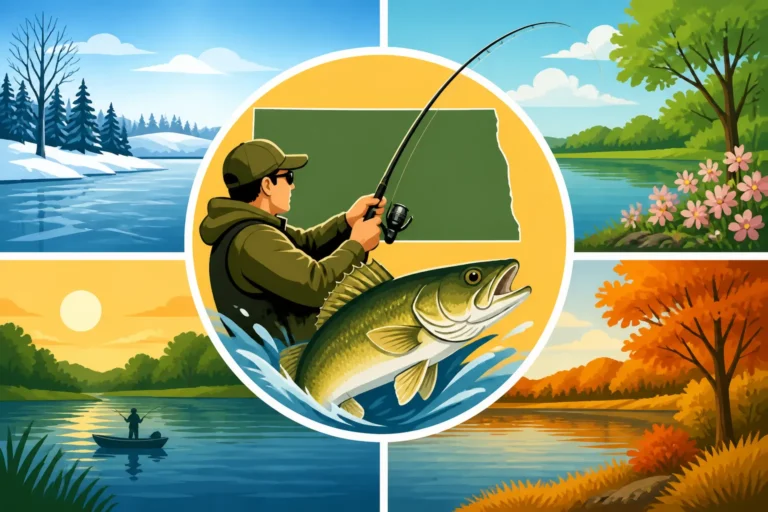
Early Spring and Ice-Out Strategies
As North Dakota emerges from its winter slumber and the ice finally begins to melt – a period known as "ice-out" – fish behavior undergoes a significant change. The water is still bitterly cold, and fish metabolism is slow. This means they're often sluggish and unwilling to chase down fast-moving baits.
During this time, slow, subtle presentations with natural baits or cold-water artificials are paramount. Live minnows, fished under a sensitive slip bobber or slowly dragged on a light jig head, are incredibly effective for walleye. The natural movement of a minnow can entice a lethargic walleye without requiring too much effort from them. Small jigs tipped with a minnow head or a piece of Gulp! minnow can also work wonders. Crankbaits that run shallow and have a tight wobble, retrieved very slowly, can also trigger strikes from pike and walleye moving into shallow areas to feed or stage for spawning. Remember, the fish are focused on conserving energy, so make it easy for them. Our article on "Early Spring Walleye Techniques in North Dakota" will provide more detailed strategies for this exciting time of year.
Summer Heat and Aggressive Bites
When North Dakota's short but sweet summer arrives, the fishing action can explode. Warmer water temperatures mean fish are highly active, their metabolism is in full swing, and they're often willing to chase down more aggressive presentations. This is prime time for covering water and triggering reaction strikes.
For walleye, trolling crankbaits across open water flats or along structural breaks becomes highly effective. Experiment with different diving depths and colors to match the forage and water conditions. Spinner rigs tipped with nightcrawlers or leeches behind a bottom bouncer are also deadly, especially on large reservoirs like Lake Sakakawea, as they allow you to present natural bait over vast areas. For northern pike and smallmouth bass, casting aggressive artificials like large spinnerbaits, spoons, and topwater lures can lead to explosive surface strikes, particularly during low light conditions in the early morning or late evening. For channel catfish, the summer heat means active feeding, and night fishing with cut bait or stink baits becomes incredibly productive as they prowl the river bottoms. This is when the fish are often at their most aggressive, so don't be afraid to experiment with faster retrieves and bolder bait choices.
Fall Feeding Frenzy and Winter Ice Fishing
As summer gives way to fall, North Dakota's fish enter a critical period: the pre-winter feeding frenzy. They instinctively know that cold, lean times are coming, and they need to bulk up. This often translates into some of the year's most aggressive and consistent bites.
During fall, walleye will often move shallower, feeding heavily on baitfish preparing for winter. Trolling large crankbaits, jigging with substantial soft plastics, or even casting lipless crankbaits can be highly effective. Northern pike are also incredibly active, chasing large spoons and spinnerbaits. Live bait, especially larger minnows, becomes increasingly effective as the water cools, as fish look for substantial, easy meals.
Then, as the lakes freeze over, the focus shifts entirely to "How to Ice Fish in North Dakota". Ice fishing demands specialized baits and techniques, often emphasizing smaller presentations. For yellow perch and crappie, tiny tungsten jigs tipped with a single wax worm, spike, or a piece of Gulp! larva are indispensable. Walleye under the ice respond well to jigging spoons, Rapala Jigging Raps, or small minnows fished under tip-ups. Northern pike will readily hit large shiners or suckers on tip-ups. The key to ice fishing is often about downsizing your bait and presenting it slowly, with subtle movements, to entice fish in the cold water. Having the right gear, including the "Best Ice Fishing Gear for North Dakota", is crucial for comfort and success during the winter months.
Essential Bait Management and Storage
You can have the best bait in North Dakota, but if you don't manage and store it properly, it's all for naught. Neglecting your bait can lead to dead minnows, rusted lures, or dried-out worms, significantly impacting your success on the water. Proper bait management is an often-overlooked aspect of being a successful angler, ensuring your offerings are always in prime condition.
Keeping Live Bait Alive and Healthy
The vitality of live bait is directly proportional to its effectiveness. A lively minnow or a wriggling nightcrawler is far more attractive to a hungry fish than a sluggish or dead one. Therefore, keeping your live bait healthy is paramount, especially during a long day on the water or when storing it for future trips.
For minnows, aeration is non-negotiable. A portable aerator in your bait bucket or livewell constantly introduces oxygen into the water, preventing your minnows from suffocating. During warmer months, temperature control is also crucial; minnows prefer cooler water, so adding a few ice cubes (made from dechlorinated water) to your bait bucket can help keep the water cool without shocking the fish. Frequent water changes, especially if the water gets cloudy, will also extend their life. A good quality bait bucket or a dedicated live bait cooler, such as those found on Amazon, with a built-in aerator, is a wise investment for any angler serious about using live minnows. Our guide on the "Best Live Bait Cooler for Summer Fishing" can offer some excellent recommendations.
Nightcrawlers and leeches also require specific care. They need to be kept cool, dark, and moist, but not soaking wet. Specially designed worm containers filled with bedding material (like peat moss or shredded newspaper) are ideal. Store them in a cool basement or refrigerator. Leeches thrive in a clean, cool, chlorinated water environment, with periodic water changes to keep them healthy. By taking these simple steps, you ensure that your live bait is always vibrant and ready to tempt a bite.
Organizing Your Artificial Tackle
While artificial lures don't require the same "life support" as live bait, proper organization and storage are just as critical for their longevity and your efficiency on the water. A tangled mess of hooks, rusted lures, or a lost favorite bait can quickly ruin a fishing trip.
The cornerstone of artificial tackle management is a good tackle box or a series of clear plastic utility trays. These allow you to categorize your lures by type, size, or color, making it easy to find what you need quickly when the bite is on. Store crankbaits, jigs, spinnerbaits, and spoons in separate compartments to prevent hooks from tangling and protect finishes. Soft plastics should ideally be stored in their original bags or in specialized tackle binders, as some plastics can react with others, causing them to melt or deform if stored together. Using dedicated storage solutions helps prevent your expensive lures from getting scratched or, worse, from rusting.
Moisture is the enemy of hooks and metal components. After a day of fishing, especially in wet conditions, open your tackle box and allow lures to air dry before closing it up. Consider placing small desiccant packets (like silica gel) in your tackle trays to absorb excess moisture. Periodically check hooks for sharpness and rust, replacing any that are dull or corroded. Sharp hooks are non-negotiable for successful hooksets. By keeping your artificial tackle organized and well-maintained, you'll extend the life of your lures, save time on the water, and always be ready to pick the perfect bait for the situation. Quality tackle storage options are readily available from retailers like Amazon.
Disclaimer
The information provided in this guide is for general informational purposes only. Fishing regulations, license requirements, and bait restrictions can change frequently. Always consult the latest North Dakota Game and Fish Department regulations before heading out on the water. The author and publisher are not responsible for any incidents, injuries, or legal issues that may arise from the use of this information. Fish responsibly and safely.