Best Rod and Reel Combo for Beginners in North Dakota
Stepping into the world of North Dakota fishing can feel a little overwhelming when you're just starting out. The sheer volume of rods, reels, and tackle available can make your head spin, leaving you wondering where on earth to begin without spending a fortune or ending up with gear that just doesn't work. This guide is designed to cut through that confusion, helping new anglers select the best rod and reel combo to confidently hit North Dakota's diverse waters.
Understanding the Basics: What Makes a Good Beginner Combo?
Before you even think about specific brands or models, it’s crucial to understand the fundamental components of a rod and reel combo and why certain features are more beginner-friendly than others. Think of it as learning the language of fishing gear; once you speak it, making informed choices becomes much simpler and far less intimidating.
Spinning vs. Baitcasting: Why Spinning is Your Best Friend
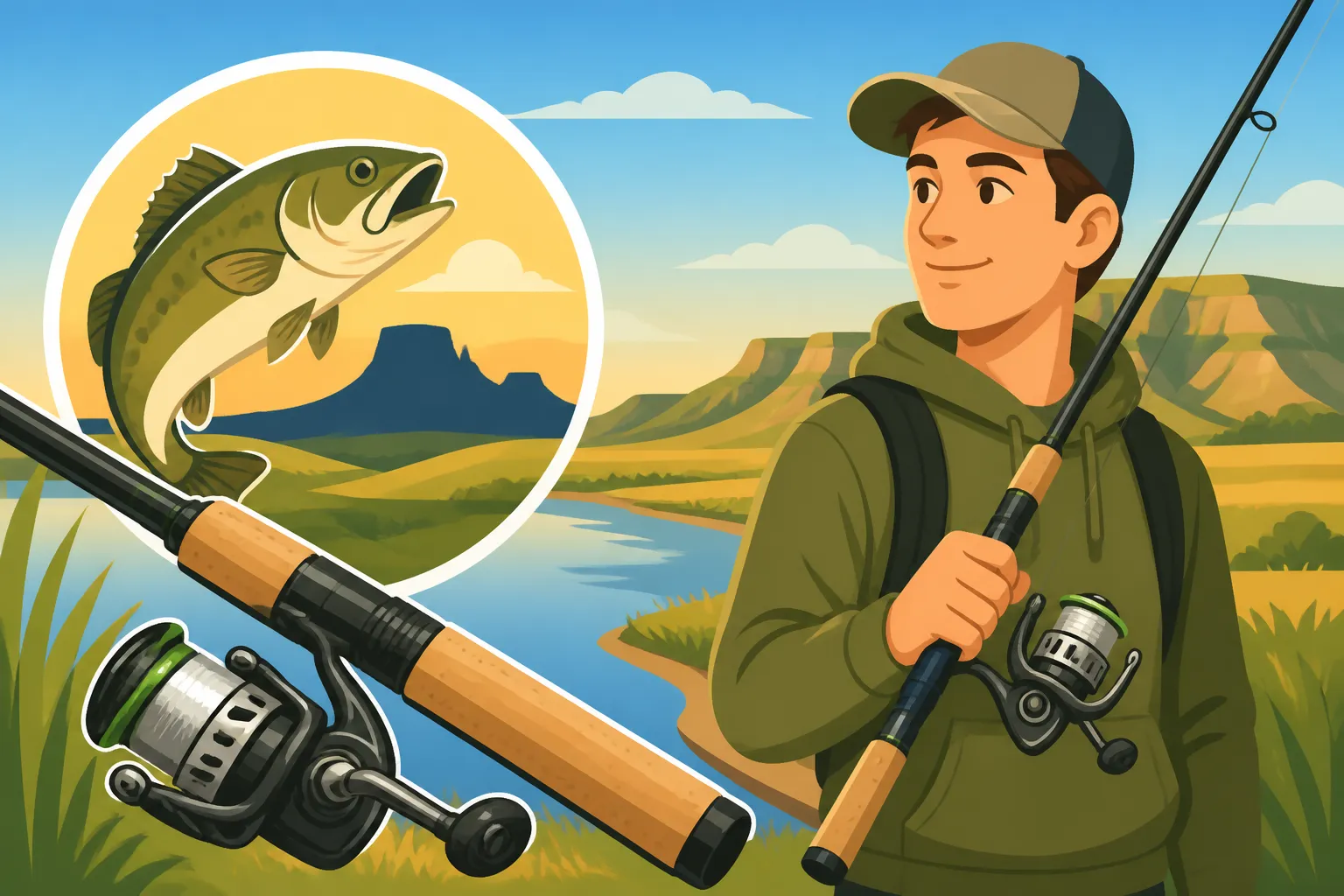
For most beginners, the choice is clear: a spinning combo is almost always the way to go. Spinning reels are mounted on the underside of the rod and feature an open-face design where the line unspools directly from a stationary spool. This design makes them incredibly easy to cast, especially with lighter lures and baits, and they are far more forgiving of casting errors compared to their baitcasting counterparts. You'll experience significantly fewer "bird's nests" or backlashes with a spinning reel, which is a common and frustrating issue for baitcasting novices. Imagine spending your precious fishing time untangling a colossal mess of line instead of actually fishing – that’s often the reality for a beginner with a baitcaster. With a spinning reel, you can focus on learning to cast smoothly and accurately, identifying fish patterns, and getting a feel for different presentations, rather than battling your gear.
Baitcasting reels, on the other hand, sit on top of the rod and require a much finer touch and more practice to master. While they offer advantages in accuracy, power, and handling heavier lines and lures once you're experienced, they can quickly lead to frustration for someone just starting out. The spools on baitcasters rotate during the cast, and if you don't manage that rotation with your thumb just right, the line will continue to unspool faster than your lure is flying, creating a tangled nightmare. Save the baitcaster for when you've got a few seasons under your belt and are looking to specialize in certain techniques or target very large, heavy-hitting fish. For now, embrace the simplicity and reliability of a spinning setup.
Rod Length, Action, and Power Explained for North Dakota Fishing
Understanding rod length, action, and power might sound like a deep dive into technical jargon, but it's really about matching your tool to the job and the fish you're targeting here in North Dakota. These three characteristics dictate how a rod performs and how well it suits different fishing scenarios. A good beginner combo will strike a balance that offers versatility across various species and techniques you're likely to encounter.
Rod Length: For all-around North Dakota fishing, a rod length between 6'6" and 7' is often ideal for a beginner. Shorter rods (under 6'6") are great for casting in tight quarters or when accuracy is paramount, but they don't offer as much casting distance. Longer rods (over 7') excel at long casts and managing line, especially when trolling or fishing from shore, but can be cumbersome to handle for a new angler, particularly in boats or areas with overhead obstructions. A 6'6" to 7' rod provides a good compromise, offering decent casting distance, enough leverage to fight most fish you'll hook, and manageable handling. Whether you're casting from a boat on Lake Sakakawea or trying your luck from a pier on Devils Lake, this length range will serve you well.
Rod Action: This refers to where along the rod blank it bends when pressure is applied. "Fast action" rods bend mostly near the tip. This allows for quick, precise hook sets and provides excellent sensitivity, letting you feel even the slightest nibble. "Moderate action" rods, sometimes called "medium action," bend further down the blank, closer to the middle. This offers a more parabolic bend, which can be more forgiving for beginners, helping to absorb the shock of a fish strike and preventing hooks from tearing out of a fish's mouth. For beginners, a fast to moderate-fast action is usually a great choice. It gives you enough sensitivity to detect those subtle walleye bites while still offering a good amount of give that makes fighting fish enjoyable and reduces the chances of breaking your line on a sudden run.
Rod Power: Rod power, often called "rod weight," indicates the stiffness or lifting strength of the rod. It's typically categorized as ultralight, light, medium, medium-heavy, or heavy. This relates directly to the size of fish and the weight of lures you plan to use. For a beginner in North Dakota, a medium power rod is highly recommended as a versatile starting point. A medium power rod can handle a good range of lure weights (typically 1/4 to 5/8 ounce), making it suitable for jigging, casting crankbaits, or fishing with live bait for species like walleye, perch, and even smaller northern pike. If you went with an ultralight rod, a feisty walleye could easily overpower it, and a heavy rod would make catching smaller perch feel like reeling in a stick. The medium power strikes that perfect balance for diverse fishing opportunities.
Recommended Rod and Reel Combos for North Dakota's Most Popular Species
When you're first getting into North Dakota fishing, you're likely going to encounter a variety of species. While a truly specialized angler might have a different setup for every fish, a beginner needs a versatile combo that can tackle the most common catches without missing a beat. The key is finding a setup that's forgiving, effective, and won't break the bank.
The All-Around Walleye and Perch Combo
For many North Dakota anglers, especially beginners, walleye and yellow perch are often the primary targets. These fish inhabit similar waters and respond to many of the same techniques, making them perfect for a versatile, all-around spinning combo. This setup should be light enough to feel subtle bites but strong enough to handle a decent fight.
I'd strongly suggest looking for a 6'6" to 7' spinning rod with a medium-light to medium power and a fast or moderate-fast action. This sweet spot provides excellent versatility. The length gives you good casting distance from shore or boat, and the medium-light to medium power allows you to cast lighter jigs and live bait rigs – which are absolute staples for walleye and perch. The fast action will help you detect those notoriously light walleye bites, ensuring you don't miss a strike. Pair this with a 2500 or 3000 series spinning reel. These reels hold enough line for most situations (around 150-200 yards of 8-10 pound mono or equivalent braid) and balance well with the suggested rod lengths. Many reputable fishing brands offer pre-spooled combos in this range, which can be found on platforms like Amazon, making it incredibly convenient for beginners. You can often find a solid option from brands known for their entry-level quality. This setup will be perfect for popular techniques such as jigging for walleye on Lake Sakakawea or dropping a small spoon for perch on Devils Lake. When you're just learning Beginner Casting Tips for New Anglers, having a forgiving setup like this makes all the difference.
Stepping Up for Northern Pike and Larger Fish
While your walleye/perch combo is a fantastic starting point, North Dakota is also home to some truly impressive northern pike, channel catfish, and even chinook salmon in certain waters. These fish often require a bit more backbone from your gear. If you find yourself consistently targeting these heavier hitters, or if you simply want a slightly more robust general-purpose setup, consider a slightly beefier combo.
For pike and larger species, you'll want to move up to a 7' medium-heavy power, fast action spinning rod. The extra power in the rod blank gives you more leverage to set hooks into bony mouths and subdue larger, stronger fish. A fast action remains beneficial for sensitivity and quick hook sets. For the reel, step up to a 3500 or 4000 series spinning reel. This larger reel will accommodate heavier line (typically 10-15 pound monofilament or 20-30 pound braided line), which is essential when battling a thrashing pike with razor-sharp teeth or a stubborn channel catfish in the current of the Red River. This setup can also cross over for heavier walleye presentations, like trolling larger crankbaits. While your primary combo is excellent for finesse, this second option ensures you're prepared for the aggressive strikes of a trophy pike. Remember to check for combos that come pre-spooled, which can save you time and hassle, especially when browsing online marketplaces like Amazon for convenience. This kind of combo will be invaluable when you start exploring How to Fish for Northern Pike in North Dakota.
Essential Considerations Beyond the Combo
Having the right rod and reel combo is a fantastic start, but it's only one piece of the puzzle. To truly enhance your beginner fishing experience in North Dakota, you need to think about what goes on the reel and how you care for your equipment. These additional considerations can make a huge difference in your success and enjoyment.
Choosing the Right Fishing Line for Your Beginner Combo
The fishing line is your direct connection to the fish, and choosing the right type and strength is just as crucial as selecting your rod and reel. For beginners, the vast array of options can be confusing, but focusing on the most common types and their benefits will simplify the process. This is a topic that can easily get technical, but let's keep it practical for new anglers venturing out on North Dakota's lakes and rivers.
Monofilament (Mono) Line: This is arguably the best starting point for any beginner. Monofilament is made from a single strand of nylon, making it affordable, easy to tie knots with (which is key when you're learning How to Tie a Fishing Knot for Beginners), and very forgiving. Its stretchiness acts as a shock absorber, helping prevent fish from tearing off the hook, especially with a fast-action rod. It's also quite abrasion-resistant, which is good when fishing around rocky bottoms or submerged timber. For your all-around walleye and perch combo, 6-10 pound test monofilament is a solid choice. For the pike combo, you might go up to 12-15 pound test. The main downsides are its memory (it can retain the coil shape from the spool) and lower sensitivity compared to other lines. However, for getting started, it's a champion. You can find excellent bulk spools of monofilament on Amazon, making it easy to keep your reels fresh.
Braided Line: Made from multiple strands of synthetic fibers woven together, braided line offers incredible strength for its diameter, almost no stretch, and fantastic sensitivity. You'll feel every bump and nibble, which is a huge advantage for detecting subtle bites, particularly with species like walleye. The lack of stretch also means more powerful hook sets. However, braided line is typically more expensive, less forgiving (no stretch means more shock directly to your rod and knot), and can be harder to tie certain knots correctly. It also requires a leader (usually fluorocarbon) because it's highly visible in clear water and fish can see it easily. For beginners, if you choose braid, start with 10-20 pound test on your walleye/perch reel and 20-40 pound test on your pike reel. Always add a Best Fishing Line for North Dakota Lakes leader of fluorocarbon (6-10lb for walleye/perch, 15-20lb for pike) using a solid knot like a Double Uni or FG knot once you've mastered the basics.
Fluorocarbon Line: This line is made from a dense polymer that is nearly invisible underwater due to its refractive index being similar to water. It has less stretch than monofilament but more than braid, offering a good balance of sensitivity and shock absorption. It's also very abrasion-resistant. Often, beginners will use fluorocarbon primarily as a leader material tied to braided main line, especially when targeting finicky fish in clear North Dakota waters. You can use it as a main line, but it's typically stiffer and more expensive than mono, and can be prone to memory, making it less ideal for a primary beginner choice. For leaders, 6-10 pound fluorocarbon is perfect for walleye and perch, while 15-20 pound is better for pike and catfish.
Maintaining Your New Gear for Longevity
Investing in a good rod and reel combo is just the first step; proper maintenance ensures it lasts for many seasons of North Dakota fishing adventures. Neglecting your gear, especially after exposure to dirt, water, and varying temperatures, can quickly lead to rust, grime buildup, and degraded performance.
Simple Cleaning: After every few trips, or certainly at the end of the season, give your rod and reel a quick wipe down. Use a damp cloth to clean the rod blank, guides, and reel exterior. Pay special attention to the reel, removing any visible dirt, sand, or fish slime. For guides, a cotton swab can help remove stubborn grime. For more thorough cleaning, a soft brush and a mild soap solution can be used, but avoid submerging your reel completely unless it's specifically designed for it (and even then, it's generally not recommended for beginners). Let everything air dry completely before storing.
Lubrication and Inspection: Periodically, you'll want to lightly lubricate your reel. Most modern spinning reels come pre-lubricated, but after a season or two of heavy use, a drop or two of reel oil on the main shaft and handle knobs can do wonders. Crucially, do not over-lubricate, as this can attract more dirt. Consult your reel's manual for specific lubrication points. While cleaning, take a moment to inspect your rod guides for any cracks or damage, especially the ceramic inserts. Damaged guides can fray your line and cost you a fish. Check your line for any nicks or abrasions, especially the last few feet. If you notice any damage, snip it off or consider respooling. Regular inspection and care will ensure your gear is always ready for action, whether you're targeting North Dakota Walleye Fishing Guide or hoping to land a trophy pike.
Proper Storage: When not in use, store your rod in a cool, dry place, ideally in a rod sleeve to prevent scratches and dings. For your reel, loosen the drag completely to prevent the drag washers from compressing over time, which can reduce their effectiveness. Avoid leaning rods against walls for long periods, as this can warp the blank. If you're going into the off-season, remove your line from the reel or at least the top layers, especially if it's monofilament, as it can degrade over time and develop memory. This attention to detail will keep your combo performing like new.
Where to Find Your First Combo and Get Started
So you've got a good handle on what kind of rod and reel combo you need, and you're ready to make a purchase. The next logical step is figuring out where to buy your gear and how to approach the cost. You don't need the most expensive equipment to catch fish in North Dakota; a solid, reliable beginner setup will serve you well.
Retail Stores vs. Online Shopping
Both brick-and-mortar retail stores and online platforms have their distinct advantages when it comes to purchasing your first fishing combo. Deciding where to buy often comes down to personal preference, the advice you seek, and what kind of deal you're looking for.
Retail Stores: Visiting a local tackle shop or a sporting goods store like Scheels, Cabela's, or even a Walmart, offers immediate benefits. You can physically hold the rod and reel, feel its balance, test the action, and get a sense of its weight. This hands-on experience is invaluable for a beginner who might not yet understand what "medium-light power" truly feels like. More importantly, you can talk to experienced staff. These folks often have local fishing knowledge and can offer tailored recommendations based on the specific lakes and species in your area, whether you're planning on hitting the Missouri River or smaller local ponds. They can also help with basic questions like Best Bait for North Dakota Fishing or even show you how to spool your line. The downside can be a slightly higher price point compared to online retailers and a potentially limited selection of specific brands or models.
Online Shopping: Platforms like Amazon offer an enormous selection, often at competitive prices. You can browse countless options from various brands, read reviews from other anglers, and have your gear delivered right to your door. For many, the convenience and potential cost savings are a big draw. If you're looking for a specific combo that might not be stocked locally, online is often your best bet. However, the major drawback for a beginner is the lack of a physical experience. You can't feel the rod, and you can't ask questions directly to a knowledgeable sales associate. You'll rely solely on descriptions and reviews. For beginners, it might be wise to do some research online, then visit a physical store to feel similar models, and then make your final purchase decision online if the price is significantly better. Many beginner-friendly rod and reel combos, including pre-spooled options, are widely available on Amazon.
Setting a Realistic Budget for Your First Setup
The good news is that you absolutely do not need to spend a fortune to get started fishing in North Dakota. Many excellent, reliable beginner rod and reel combos are available at very accessible price points. Remember, the goal is to get out on the water, learn, and have fun – not to own the most expensive gear.
For a quality beginner rod and reel combo, you can expect to spend anywhere from $50 to $100. In this range, you'll find plenty of reputable options that offer good performance and durability for the casual angler. Often, these will be "combo" packages where the rod and reel are sold together, sometimes even with line pre-spooled. These pre-assembled kits are incredibly convenient for new anglers. If you stretch your budget slightly higher, say to $100-$150, you'll likely see improvements in reel smoothness, rod sensitivity, and overall build quality, but it's by no means necessary to start there. Avoid going for the absolute cheapest, no-name combos you find, as they often use low-quality components that can quickly lead to frustration or failure. Stick with well-known fishing brands; even their entry-level products are generally reliable. Factor in another $10-$20 for a spool of quality line if it's not pre-spooled, and a small amount for basic terminal tackle like hooks, sinkers, and a few lures (you can check out our guide on Best Fishing Tackle for North Dakota Lakes for some ideas). Starting with this reasonable investment will give you a solid foundation for countless memorable fishing trips across North Dakota.
Disclaimer
This article is for general informational purposes only and does not constitute professional advice. Laws, prices and regulations vary by location and change over time. Consult a qualified professional for guidance on your specific situation.