How to Find Crappie in Spring
Spring in North Dakota can be a tricky beast for anglers, especially when you’re chasing those elusive crappie. Just when you think the ice is finally gone, a cold front rolls through, dropping temperatures and making the fish seem to vanish. It's a common frustration, trying to pinpoint where these panfish go during the transition from winter's grip to the warmer days of late spring. This guide is all about cutting through that confusion, helping you understand crappie movements and giving you the strategies to find and catch them reliably as North Dakota's waters come alive again.
Understanding Spring Crappie Behavior in North Dakota
When the ice starts to groan and then finally breaks up across North Dakota's lakes, it signals a major shift for crappie. They’ve spent the long winter hunkered down, conserving energy, often in deeper basins or tight to structure. But with longer days and increasing sunlight, their biological clocks start ticking, pushing them towards their annual spawning ritual. Understanding this transition is key to intercepting them before they scatter.
The Thaw and Early Ice-Out Crappie Locations
That period right after ice-out, often in late March or early April in many parts of North Dakota, is a truly unique time for crappie. The water is still frigid, but certain areas warm up faster than others. Think about the north-facing bays, protected coves, or any shallow areas that get direct sunlight for most of the day. These spots are usually the first to lose their ice cover and begin to absorb solar radiation, even if it's just a degree or two warmer than the main lake.
Crappie will start to gravitate towards these slightly warmer pockets. They might still be relatively deep, just adjacent to these shallow warming zones, but they’re thinking about moving up. Look for them holding on the edge of deeper channels that lead into these bays, or perhaps suspended over the first significant drop-off from a shallow flat that sees early sun. It’s a subtle shift, but it’s consistent. They're not quite in the shallows yet, but they're staging, just waiting for the right conditions to push them in. Remember to check out North Dakota Ice Out Fishing Guide for a broader perspective on this transitional period.
Pre-Spawn Movements and Water Temperature Sweet Spots
As spring progresses and water temperatures climb, crappie become much more active. The pre-spawn phase is arguably the best time to target them, as they are feeding aggressively to build energy for spawning, and they’re often concentrated. For crappie, a water temperature in the range of the mid-50s to low 60s Fahrenheit is often the magic number that triggers their most intense pre-spawn and then spawning activity.
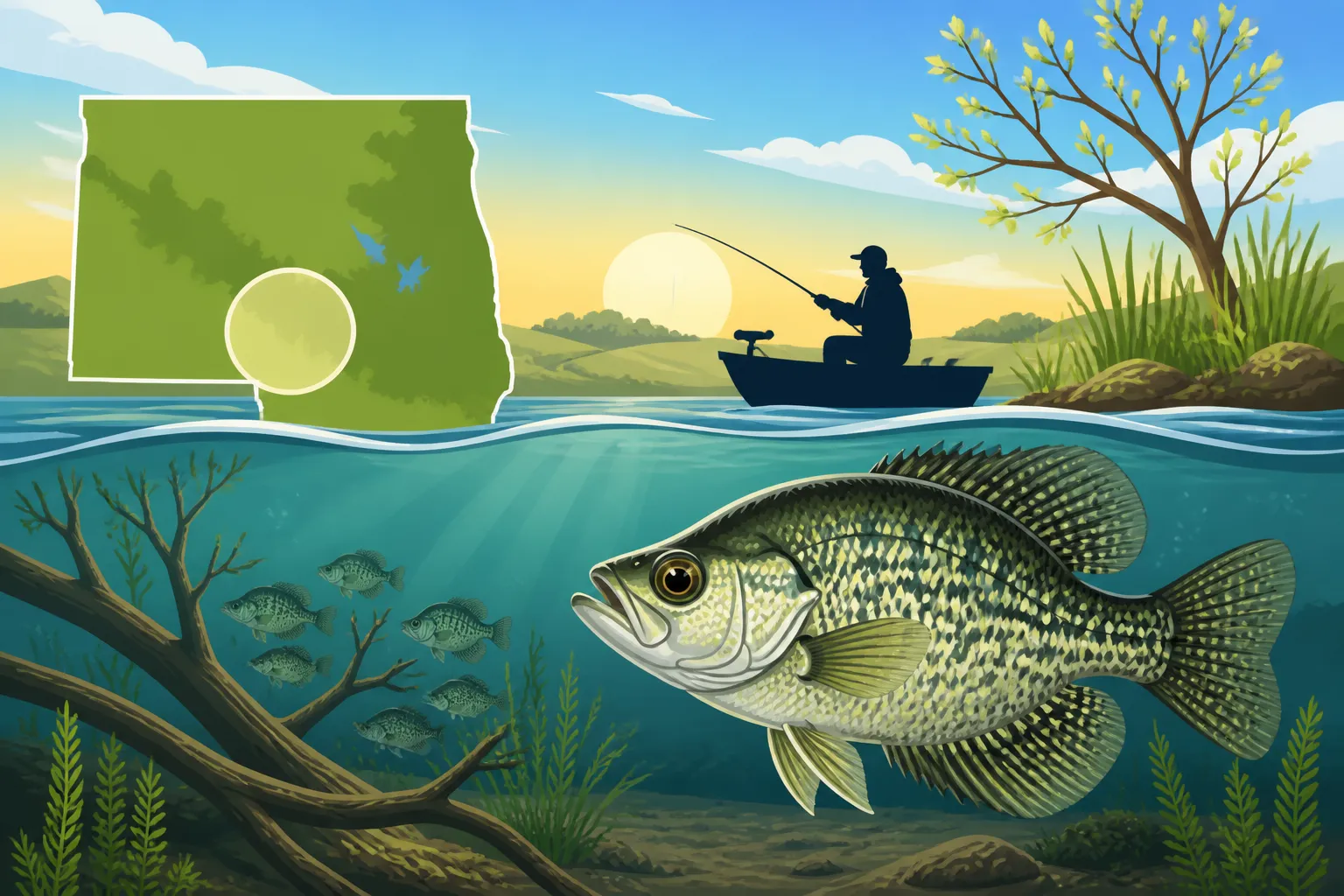
During this period, crappie will move into shallower, protected areas. They're looking for submerged timber, weed beds (especially emergent cattails or last year's decaying coontail), brush piles, and even man-made structures like docks and bridge pilings. These structures offer cover from predators and provide stable ambush points for feeding. They also offer crucial protection for their eggs once spawning begins. If you find a bay with several of these elements, especially one that receives runoff from shore, which can be slightly warmer, you’re likely on a crappie highway.
What Crappie Are Eating in the Spring
Crappie, being opportunistic feeders, have a fairly diverse diet, and spring is no exception. As water temperatures rise, invertebrates and baitfish become more active, and crappie are right there to take advantage. Their primary forage in the spring usually consists of small minnows, insect larvae, aquatic worms, and zooplankton. The key is that they often key in on whatever is most abundant in their immediate vicinity.
Knowing this helps you choose your bait and lures. If you're in an area with a lot of shiners, a minnow imitation lure or live minnow might be deadly. If you notice a lot of insect activity, a small jig tipped with a worm or a soft plastic that mimics a larva could be the ticket. Crappie have excellent vision, so matching the hatch, so to speak, can make a significant difference. Pay attention to what's in the water or what you see moving around the edges.
Prime Spring Crappie Habitats in North Dakota
North Dakota has some fantastic crappie fisheries, from large reservoirs to smaller, community lakes. But simply knowing a lake has crappie isn't enough; you need to know where they will be in the spring. It’s all about finding those specific features that offer crappie what they need during this critical time of year.
Shallow Water Structure: Wood, Weeds, and Docks
Once the water warms sufficiently, crappie push into the shallows, and they are almost always associated with some kind of cover. Think of it from their perspective: they're relatively small fish in a big pond, and they need protection from larger predators like northern pike and walleye.
- Submerged Wood: This is often the holy grail for spring crappie. Fallen trees, brush piles, submerged stumps, and even old dock pilings offer both cover and a rich ecosystem for insects and baitfish. These spots absorb heat and provide vertical relief, allowing crappie to move up and down in the water column as light or temperature changes. Scan shorelines for overhanging trees or areas where you know there are old timber beds.
- Emergent and Submerged Weeds: New weed growth, especially reeds or cattails emerging along the shoreline, creates excellent crappie habitat. Last year's decaying weeds can also hold fish as they break down and provide food. Submerged weed beds, like coontail or pondweed, are fantastic. Crappie will suspend within these weeds or cruise their edges, picking off unsuspecting prey.
- Docks and Pontoons: Man-made structures can be incredibly productive. Docks offer shade, cover, and often have algae growth that attracts baitfish. Pontoons left in the water can also provide excellent cover. Fish the shady side and probe around any pilings or cross-members. Often, crappie will suspend right under the boat or dock.
These types of structure are fishing magnets, so don’t hesitate to really work them over. You might be surprised at how many fish can hold in a relatively small area.
Inflows, Channels, and Warmer Bays
Beyond specific structures, the topography of a lake plays a huge role in spring crappie location.
- Inflows: Any stream, creek, or drainage ditch feeding into a lake can be a fantastic crappie spot in the spring. This incoming water is often warmer than the main lake body, carrying nutrients, and sometimes baitfish. Crappie will stack up at these convergences, particularly in early spring when they're seeking out that warmer water. These areas can also be slightly murky, offering additional protection.
- Channels: Deeper channels that run into shallow bays or flats act like highways for crappie. They use these channels to move from deeper wintering grounds to shallower spawning areas. Fish the edges and bends of these channels, especially where they intersect with structure or flats.
- Warmer Bays: As mentioned earlier, protected bays, especially those with dark bottoms that absorb more sunlight, are prime real estate. These are often the first areas to warm up and offer sheltered conditions. Pay attention to the wind – a steady wind pushing warm surface water into a bay can supercharge its crappie potential.
You can often spot these warmer bays by looking for steam coming off the water on a cool morning, or by simply checking the water temperature with a thermometer. Fishing the right bay at the right time is half the battle.
Identifying Crappie Hotspots on North Dakota Lakes
So, how do you put all this information together to find a specific hotspot? It often comes down to scouting and using your resources.
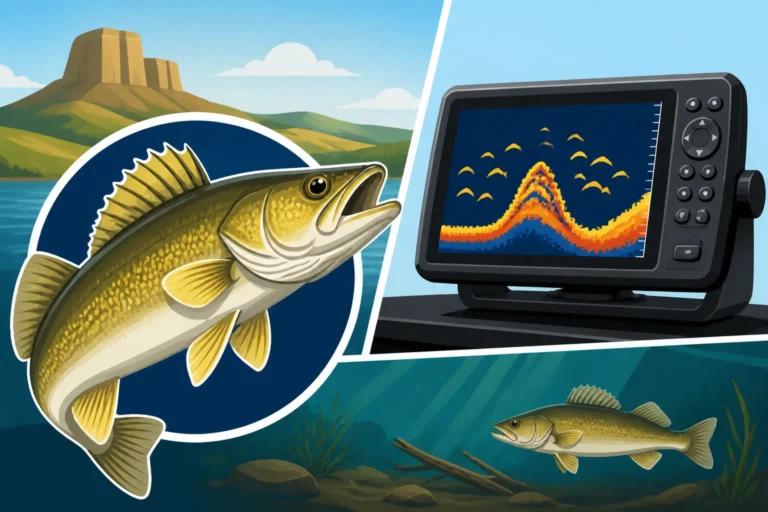
- Topographic Maps and Sonar: Start by studying lake maps, available from sources like the North Dakota Game and Fish Department, or through your marine electronics. Look for contour lines that indicate channels, points, and sudden drop-offs leading into shallow bays. Identify areas with creek beds, old river channels, or submerged islands. Once on the water, your sonar and GPS are invaluable. Use your side imaging or down imaging to scan for submerged timber, brush piles, and weed lines. Crappie often show up as "clouds" or distinct arches, sometimes suspended in brush.
- Local Knowledge and Fishing Reports: Don't underestimate the power of local knowledge. Chat with bait shop owners, other anglers at the boat ramp, or check online fishing forums (though take online reports with a grain of salt and verify them yourself). These folks often have valuable insights into which bays or structures are typically productive in the spring.
- Observation: When you're on the water, keep your eyes open. Look for signs of baitfish activity, diving birds, or even other anglers who seem to be having success. If you're fishing from shore, look for areas with overhanging trees or submerged logs. If you're boating, observe water clarity changes, current breaks, and the presence of any structure. Sometimes, the most obvious spots are overlooked.
Essential Techniques and Gear for Spring Crappie Success
Once you’ve identified a promising area, the next step is to present your bait in a way that crappie can’t resist. Spring crappie can be a bit finicky, especially in cooler water, so sensitive gear and refined techniques are crucial.
Light Tackle and Sensitive Presentations
Crappie have surprisingly soft mouths, and they can be very subtle biters, particularly when the water is cold. Using light tackle makes detecting those faint nibbles much easier and prevents you from ripping the hook out of their mouth.
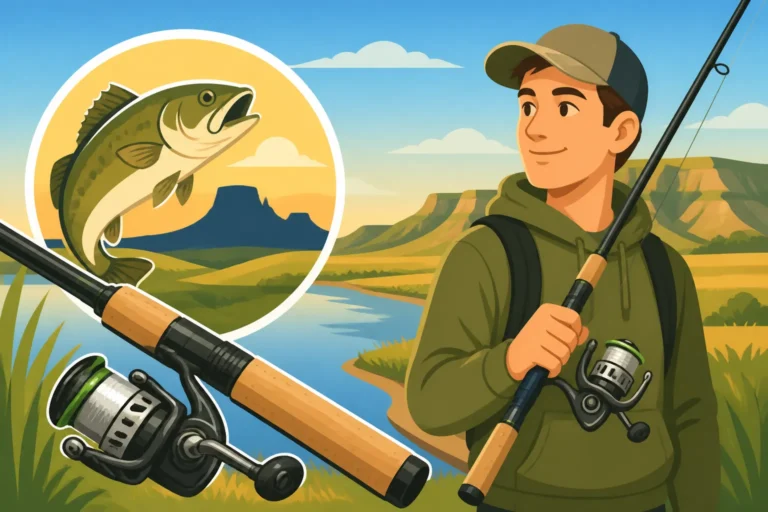
- Rod and Reel: A light to ultralight spinning rod, typically in the 5 to 6.5-foot range, paired with a small spinning reel (like a 500 or 1000 size), is ideal. This setup provides the sensitivity needed to feel light bites and allows you to cast small, lightweight lures effectively. For many anglers, the best fishing rod is one that you can hold all day without fatigue and still feel every little bump.
- Fishing Line: Opt for 4-6 pound test monofilament or fluorocarbon line. Monofilament has a bit more stretch, which can be forgiving, while fluorocarbon is nearly invisible underwater and offers excellent sensitivity. Many anglers prefer a braided main line with a fluorocarbon leader for maximum sensitivity and invisibility. Best Fishing Line for North Dakota Lakes goes into more detail on line choices.
- Small Hooks and Jigs: Crappie have relatively small mouths, so small hooks (size 6, 8, or even 10) are a must. When jigging, use tiny jig heads, often 1/32 or 1/16 ounce. The lighter the jig, the slower it falls, which can be critical for lethargic spring crappie.
Best Baits and Lures for Spring Crappie
Matching your bait to their appetite is paramount. You'll find a combination of live bait and artificial lures will be most effective.
- Live Minnows: It’s hard to beat a small, lively minnow (like a fathead or shiner) for spring crappie. Hook them lightly through the lips or just behind the dorsal fin. You can fish them under a bobber, on a plain hook with a split shot, or tipped on a small jig. The natural action and scent are often irresistible.
- Soft Plastic Jigs: Tiny soft plastic jigs are incredibly versatile. Grubs, tubes, swimbaits, and Bobby Garland's brand "Crappie Baits" are popular choices. Experiment with colors: white, chartreuse, pink, and black are common producers. The key is to impart a very slow, subtle action. Jigs can be tipped with a small piece of minnow for added scent and appeal.
- Tiny Spoons and Blade Baits: In certain situations, particularly around schools of baitfish or in deeper water, small spoons or blade baits can be effective. They offer flash and vibration that can trigger a strike. Cast them out and retrieve with a lift-and-drop retrieve.
- Crappie Jigs: Many anglers swear by a simple jig tipped with a piece of PowerBait or Gulp! crappie Nibbler. These add scent and color and can sometimes be just enough to entice a hesitant bite. You can often find a great selection of these on Amazon if your local bait shop is out.
The table below provides a quick comparison of popular spring crappie baits:
| Bait Type | Pros | Cons | Best Use Case |
|---|---|---|---|
| Live Minnow | Natural action & scent, highly effective | Can be delicate, need aeration | Slow bites, cold water, finicky fish |
| Soft Plastic Jig | Versatile, various colors, durable | No natural scent, retrieve matters | Active fish, covering water, vertical jigging |
| Jig with Nibbler | Added scent & buoyancy, vibrant colors | Can fall off easily | Suspending fish, still water, enticing hesitant bites |
| Small Spoon | Flashy, vibrates, good for deeper water | Can snag easily in weeds | Actively feeding fish, baitfish schools |
Using Electronics to Pinpoint Schools
Modern fishing electronics have revolutionized crappie fishing. A good fish finder can be your best friend when trying to locate scattered schools in spring.
- Sonar (2D and Down Imaging): Use your traditional 2D sonar and down imaging to identify schools of fish, especially those suspended in brush piles or over structure. Crappie often show up as "clouds" or distinct arches. Pay attention to the depth at which they are holding.
- Side Imaging: This technology is incredibly useful for scouting large areas quickly. You can scan wide swaths of water to locate submerged timber, brush piles, or old docks without driving directly over them. Once you spot potential cover, you can then move in closer to fish it.
- GPS and Mapping: Mark waypoints on your GPS for productive spots. This allows you to return to them reliably, season after season. Many units also have detailed lake mapping, which shows contours and potential structures even before you get there. Learning How to Read a Fish Finder for Ice Fishing (and open water) can give you a big advantage.
If you don't have boat-mounted electronics, a portable fish finder can still be very helpful for shore anglers or those in smaller boats. There are many affordable options available, including some on Amazon, that can give you a significant edge.
Navigating Spring Challenges and Maximizing Your Catch
Spring in North Dakota isn't always sunshine and calm winds. It can be a wild card, and being prepared for varying conditions can make or break your crappie trip.
Dealing with North Dakota's Variable Spring Weather
One day it's glorious and warm, the next you're bundled up in a snow squall. North Dakota's spring weather is notoriously unpredictable. These rapid changes can greatly affect crappie behavior.
- Cold Fronts: A strong cold front can shut down a bite quickly. Fish often retreat to deeper water or become lethargic, holding tight to cover. During a cold front, slow down your presentation, downsize your baits, and focus on vertical presentations right in the crappie's face. Fishing During a Cold Front in North Dakota provides more tips.
- Windy Conditions: Wind can be a blessing or a curse. A steady breeze pushing warm surface water into a protected bay can concentrate baitfish and crappie. However, strong winds can make boat control difficult and make it hard to feel subtle bites. In windy conditions, try to fish the leeward side of points or islands, or use a drift sock to slow your boat. Focus on casting with the wind to maximize distance and maintain better contact with your lure.
- Rain and Runoff: Spring rains can bring in warmer, murkier water, which can be good for crappie, especially in areas with inflows. The turbidity offers them more cover, and the warmer water can increase their activity. Use brighter colored jigs (chartreuse, orange) in murky water to help fish find your lure.
Always check the forecast before heading out and pack layers of clothing. You might start the day in a hoodie and end it in a t-shirt, or vice versa!
Timing Your Spring Crappie Trips
Timing is everything in spring crappie fishing. The bite can often be short-lived but intense when conditions are just right.
- Early Morning and Late Evening: These low-light periods are often prime times for crappie, especially as they move into shallower water to feed. The light is softer, and crappie feel more secure venturing out from cover.
- Overcast Days: Overcast or cloudy days can extend the bite throughout the day, as crappie are less bothered by bright sunlight. The muted light can keep them active in shallower areas for longer periods.
- Warm Fronts and Stable Weather: A string of stable, warming days is what every crappie angler dreams of. These conditions allow water temperatures to rise steadily, encouraging crappie to move into their preferred spring habitats and feed aggressively.
- Pre-Spawn vs. Post-Spawn: The pre-spawn period, when crappie are staging and feeding before laying eggs, is typically the most productive. Once they start actively spawning, they can become more difficult to catch, as their focus shifts from feeding to reproduction. After spawning, they may be exhausted and take some time to resume active feeding, often moving to slightly deeper post-spawn haunts. Understanding Seasonal Fish Movement Patterns in North Dakota Lakes for all species can help.
Keep a fishing journal. Note the date, time, weather conditions, water temperature, moon phase, and what you caught and on what bait. Over time, this data will help you recognize patterns and predict the best times to hit the water.
Respecting the Resource and Practicing Conservation
While North Dakota crappie populations are generally healthy, it's always important to practice responsible angling. Crappie are delicious, and it's certainly rewarding to take some home for a fish fry, but consider keeping only what you need and releasing the rest, especially larger breeding-size fish.
- Size and Bag Limits: Always be aware of and adhere to the current North Dakota fishing regulations regarding crappie size and daily bag limits. These limits are in place to protect the fishery and ensure good fishing for future generations. For a detailed look at all the regulations, check out North Dakota Fishing Regulations Explained.
- Proper Handling: If you plan to release fish, handle them gently. Use barbless hooks to minimize damage, and avoid touching their gills. Get them back into the water quickly.
- Clean Up: Pack out everything you pack in. Leave the shoreline and water cleaner than you found it. This simple act benefits everyone and helps maintain the natural beauty of North Dakota's fishing spots.
Spring crappie fishing in North Dakota can be an incredibly rewarding experience. By understanding their behavior, focusing on key habitats, employing the right techniques and gear, and being mindful of the weather, you'll greatly increase your chances of success. Good luck out there, and enjoy the beautiful North Dakota spring!
Disclaimer
This article is for general informational purposes only and does not constitute professional advice. Laws, prices and regulations vary by location and change over time. Consult a qualified professional for guidance on your specific situation.